Choosing the Right Shoes for Your Standing Workday

Wearing the right shoes is essential for anyone who spends long hours standing at work. Proper footwear should have ample cushioning to absorb shock and reduce pressure on the feet and joints. Good arch support helps maintain alignment and prevent fatigue or pain. Breathable materials keep feet cool and dry, while durable construction ensures long-lasting comfort and stability. Additionally, slip-resistant soles are important for safety, especially on smooth or wet surfaces. A podiatrist can evaluate your foot type, recommend supportive shoe styles, and suggest custom orthotics for additional comfort and protection. If you have foot pain from standing for long periods at work, it is suggested that you consult a podiatrist who can treat various foot conditions, in addition to providing personalized footwear guidance.

While working on the feet, it is important to take the proper care of them. For more information about working on your feet, contact one of our podiatrists from David A. Scalzo, DPM, PC and Associates. Our doctors will treat your foot and ankle needs.

Working on Your Feet

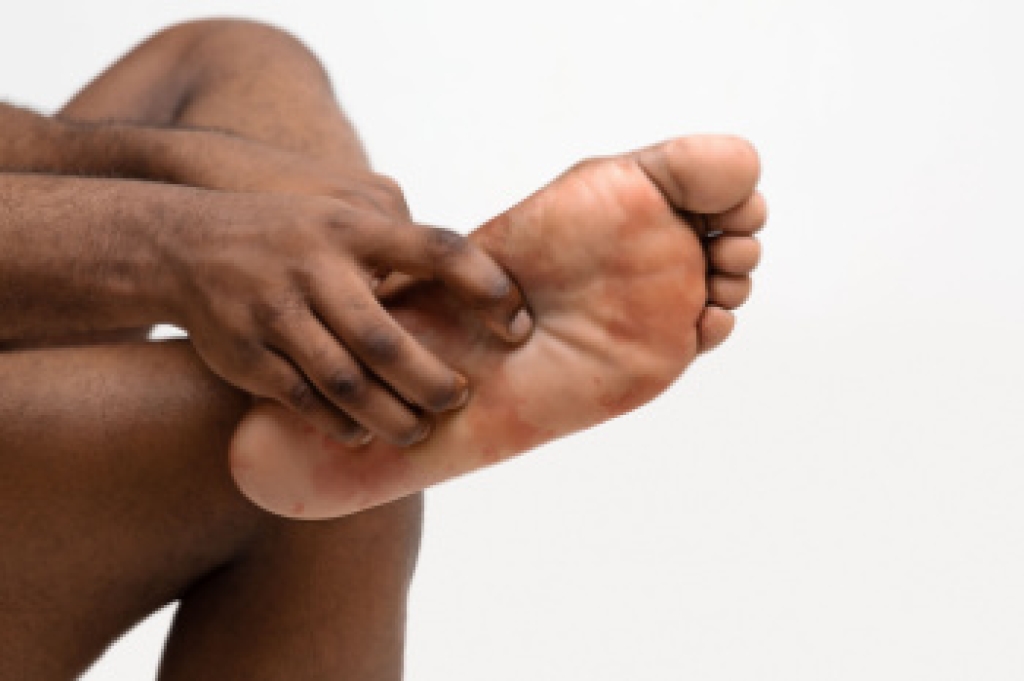
Standing on your feet for long periods of time can cause stress and pain in your feet. Your whole body may experience change in terms of posture, back pain, bunions, callouses and or plantar warts. There are ways to avoid these conditions with proper foot care, smart choices and correct posture.

Positive Changes

Negative heeled shoe – Choosing this shoe type places the heel slightly lower than the ball of the foot. These are great for overall foot health. Find shoes that fit you correctly.

Go barefoot – Our feet were not designed to be enclosed for all hours of the day. Try to periodically expose your feet to air.

Eliminate Pain

Foot Exercises – Performing simple exercises, incorporating yoga and doing stretches are beneficial. This will allow increased blood flow to the area and muscles of the foot.

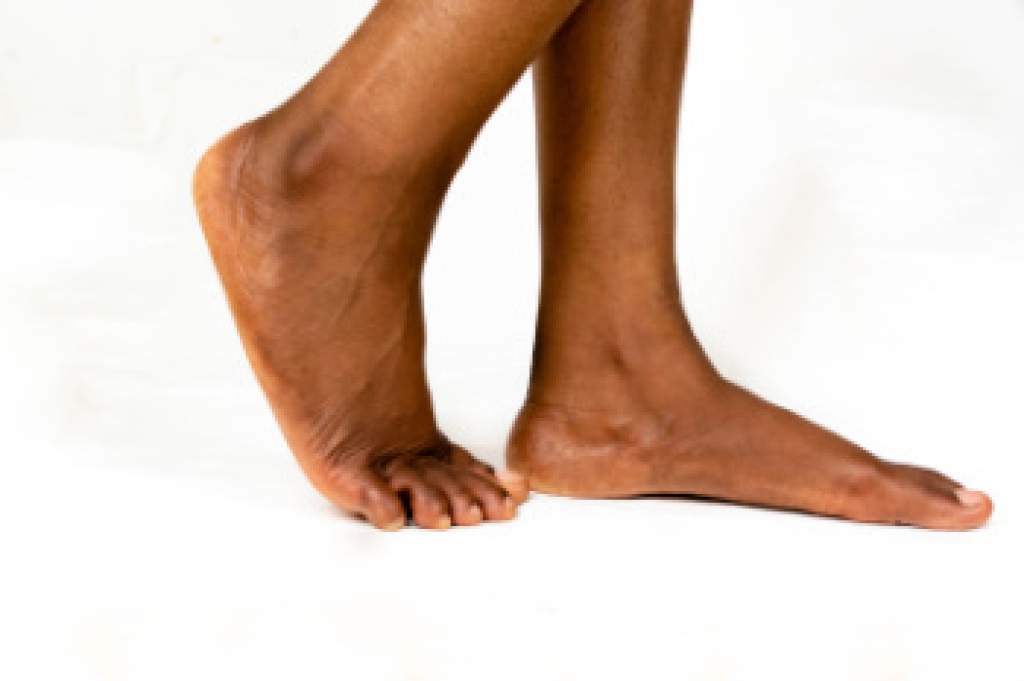
Achilles tendon – Stretching the foot out flat on the floor will relax the calf muscles and tendon. These exercises can be performed almost anywhere. Make sure you add these exercises to your daily regimen. 

With a little bit of this information and knowing more about foot health, you will notice changes. Foot stretches and proper footwear will help with pain and prevent further issues.

If you have any questions please contact our offices located in Duryea and Bangor, PA . We offer the newest diagnostic and treatment technologies for all your foot and ankle needs.

Read more about How to Handle a Long Work Day on Your Feet

Plantar Fasciitis Is a Common Cause of Heel Pain

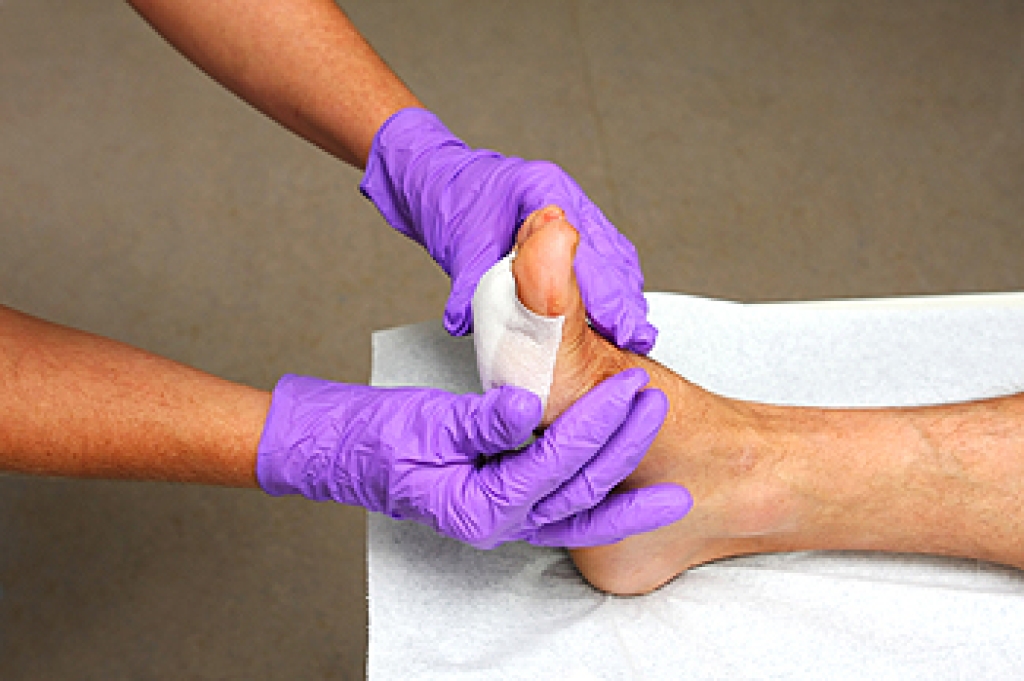
Plantar fasciitis is an inflammation of the plantar fascia, which is the thick band of tissue connecting the heel bone to the toes that supports the arch of the foot. It is one of the most common causes of heel pain and often results from repetitive strain or overstretching. Causes include excessive walking or standing, wearing unsupportive shoes, obesity, and tight calf muscles. Symptoms typically include sharp heel pain, especially with the first steps in the morning or after rest. Risk factors include flat feet, high arches, and overuse from physical activity. A podiatrist can provide effective treatments like orthotics, stretching exercises, and pain management. If you have heel pain, it is suggested that you consult a podiatrist who can accurately diagnose the cause of heel pain, and offer effective relief and treatment solutions.

Plantar fasciitis can be very painful and inconvenient. If you are experiencing heel pain or symptoms of plantar fasciitis, contact one of our podiatrists  from David A. Scalzo, DPM, PC and Associates. Our doctors can provide the care you need to keep you pain-free and on your feet.

What Is Plantar Fasciitis?

Plantar fasciitis is the inflammation of the thick band of tissue that runs along the bottom of your foot, known as the plantar fascia, and causes mild to severe heel pain.

What Causes Plantar Fasciitis?

  • Excessive running
  • Non-supportive shoes
  • Overpronation
  • Repeated stretching and tearing of the plantar fascia

How Can It Be Treated?

  • Conservative measures – anti-inflammatories, ice packs, stretching exercises, physical therapy, orthotic devices
  • Shockwave therapy – sound waves are sent to the affected area to facilitate healing and are usually used for chronic cases of plantar fasciitis
  • Surgery – usually only used as a last resort when all else fails. The plantar fascia can be surgically detached from the heel

While very treatable, plantar fasciitis is definitely not something that should be ignored. Especially in severe cases, speaking to your doctor right away is highly recommended to avoid complications and severe heel pain. Your podiatrist can work with you to provide the appropriate treatment options tailored to your condition.

If you have any questions, please feel free to contact our offices located in Duryea and Bangor, PA . We offer the newest diagnostic and treatment technologies for all your foot care needs.
Read more about Plantar Fasciitis

Do Your Child's Feet Hurt?

Have your child's feet been examined lately? Healthy feet are happy feet. If your child is complaining of foot pain, it may be a sign of underlying problems.

Facts About Foot Anatomy

The foot is a complex structure made to support movement, balance, and weight. It is built from key bones, such as the talus, calcaneus, and cuboid, along with many smaller bones that work together through a network of 33 joints. Numerous tendons and ligaments connect these bones and allow the foot to move smoothly while providing strength and stability. These parts work as a unified system to help you stand, walk, and adapt to different surfaces. A podiatrist can evaluate how well your foot structures are functioning, identify sources of pain, and recommend treatments that restore comfort and mobility. If foot pain is interfering with your daily activities, it is suggested that you consult a podiatrist who can determine the cause and offer effective relief and treatment solutions.

If you have any concerns about your feet, contact one of our podiatrists from David A. Scalzo, DPM, PC and Associates. Our doctors can provide the care you need to keep you pain-free and on your feet.

Biomechanics in Podiatry

Podiatric biomechanics is a particular sector of specialty podiatry with licensed practitioners who are trained to diagnose and treat conditions affecting the foot, ankle and lower leg. Biomechanics deals with the forces that act against the body, causing an interference with the biological structures. It focuses on the movement of the ankle, the foot and the forces that interact with them.

A History of Biomechanics

  • Biomechanics dates back to the BC era in Egypt where evidence of professional foot care has been recorded.
  • In 1974, biomechanics gained a higher profile from the studies of Merton Root, who claimed that by changing or controlling the forces between the ankle and the foot, corrections or conditions could be implemented to gain strength and coordination in the area.

Modern technological improvements are based on past theories and therapeutic processes that provide a better understanding of podiatric concepts for biomechanics. Computers can provide accurate information about the forces and patterns of the feet and lower legs.

Understanding biomechanics of the feet can help improve and eliminate pain, stopping further stress to the foot.

If you have any questions please feel free to contact our offices located in Duryea and Bangor, PA . We offer the newest diagnostic and treatment technologies for all your foot and ankle needs.

Read more about The Importance of Biomechanics in Podiatry

Types of Ingrown Toenail Surgery

Ingrown toenail surgery is a medical procedure performed to treat toenails that grow into the surrounding skin, causing pain, swelling, and infection. Surgery may be necessary when conservative treatments such as soaking, proper trimming, or topical care fail to relieve symptoms. Common types of procedures include wedge excision, which removes a portion of the nail, Zadek's procedure, which addresses nail matrix issues, and simple toenail removal for severe cases. A podiatrist can evaluate the condition, recommend the most appropriate surgical option, and provide post-operative care to ensure proper healing and prevent recurrence. If you are experiencing recurring ingrown toenails, it is suggested that you promptly schedule an appointment with a podiatrist for an expert assessment and discussion on how surgery might benefit you.

Foot surgery is sometimes necessary to treat a foot ailment. To learn more, contact one of our podiatrists of David A. Scalzo, DPM, PC and Associates. Our doctors will assist you with all of your foot and ankle needs.

When Is Surgery Necessary?

Foot and ankle surgery is generally reserved for cases in which less invasive, conservative procedures have failed to alleviate the problem. Some of the cases in which surgery may be necessary include:

  • Removing foot deformities like bunions and bone spurs
  • Severe arthritis that has caused bone issues
  • Cosmetic reconstruction

What Types of Surgery Are There?

The type of surgery you receive will depend on the nature of the problem you have. Some of the possible surgeries include:

  • Bunionectomy for painful bunions
  • Surgical fusion for realignment of bones
  • Neuropathy decompression surgery to treat nerve damage

Benefits of Surgery

Although surgery is usually a last resort, it can provide more complete pain relief compared to non-surgical methods and may allow you to finally resume full activity.

Surgical techniques have also become increasingly sophisticated. Techniques like endoscopic surgery allow for smaller incisions and faster recovery times.

If you have any questions, please feel free to contact our offices located in Duryea and Bangor, PA . We offer the newest diagnostic and treatment technologies for all your foot care needs.
Read more about Foot and Ankle Surgery

Connect With Us