
Neuropathy is a condition that can lead to numbness or loss of sensation in the feet, but it can also cause pain. This condition is more likely to develop for those who are diabetic, obese, or with high blood pressure.
Neuropathy is a condition that can lead to numbness or loss of sensation in the feet, but it can also cause pain. This condition is more likely to develop for those who are diabetic, obese, or with high blood pressure.
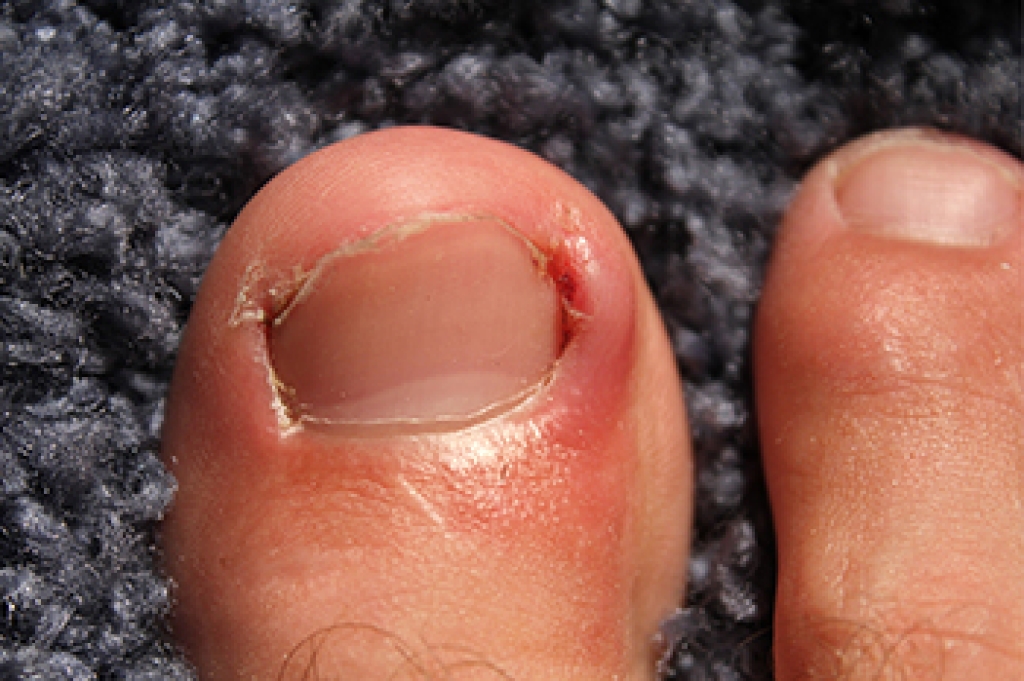
An ingrown toenail develops when the edge of a toenail grows into the surrounding skin instead of over it. This problem most often affects the big toe and can become increasingly painful if left untreated. Early symptoms include tenderness, swelling, and redness along the edge of the nail. As the nail continues to press into the skin, the area can become warm, inflamed, or at risk of an infection. Walking, exercising, or wearing shoes can become uncomfortable because of the added pressure on the affected toe. Several factors can contribute to ingrown toenails, including improper nail trimming, toe injuries, and naturally curved nails. A professional evaluation is important to confirm the diagnosis and determine the most appropriate treatment before the condition worsens.
Without proper care, an ingrown toenail may continue to irritate the surrounding skin and increase the risk of infection. In some cases, the tissue around the nail becomes swollen and may begin to grow over the nail's edge. Persistent pain can also affect normal walking patterns, placing additional stress on other parts of the foot. Individuals with diabetes or poor circulation may face a greater risk of complications because healing can take longer. A comprehensive podiatry examination helps evaluate the severity of the ingrown toenail while identifying any signs of infection or underlying foot conditions. Early diagnosis allows treatment to begin before the problem becomes more painful or leads to additional complications.
A podiatrist specializes in diagnosing and treating ingrown toenails, while protecting the overall health of the foot. Professional treatment focuses on relieving pain, reducing inflammation, and preventing future complications. Care is tailored to each patient's condition and may include procedures designed to safely correct the problem. Regular podiatry visits also allow ongoing monitoring for patients who are at higher risk of recurring nail problems. If you have persistent toe pain, swelling, or signs of an ingrown toenail, it is suggested that you consult a podiatrist for an evaluation and appropriate treatment options.
Ingrown toenails can become painful if they are not treated properly. For more information about ingrown toenails, contact one of our podiatrists of David A. Scalzo, DPM, PC and Associates. Our doctors can provide the care you need to keep you pain-free and on your feet.
Ingrown Toenails
Ingrown toenails occur when a toenail grows sideways into the bed of the nail, causing pain, swelling, and possibly infection.
Causes
Prevention
Wearing proper fitting shoes and using proper cutting techniques will also help decrease your risk of developing ingrown toenails.
Treatment
Ingrown toenails are a very treatable foot condition. In minor cases, soaking the affected area in salt or antibacterial soaps will not only help with the ingrown nail itself, but also help prevent any infections from occurring. In more severe cases, surgery is an option. In either case, speaking to your podiatrist about this condition will help you get a better understanding of specific treatment options that are right for you.
If you have any questions, please feel free to contact our office located in Duryea, PA . We offer the newest diagnostic and treatment technologies for all your foot care needs.
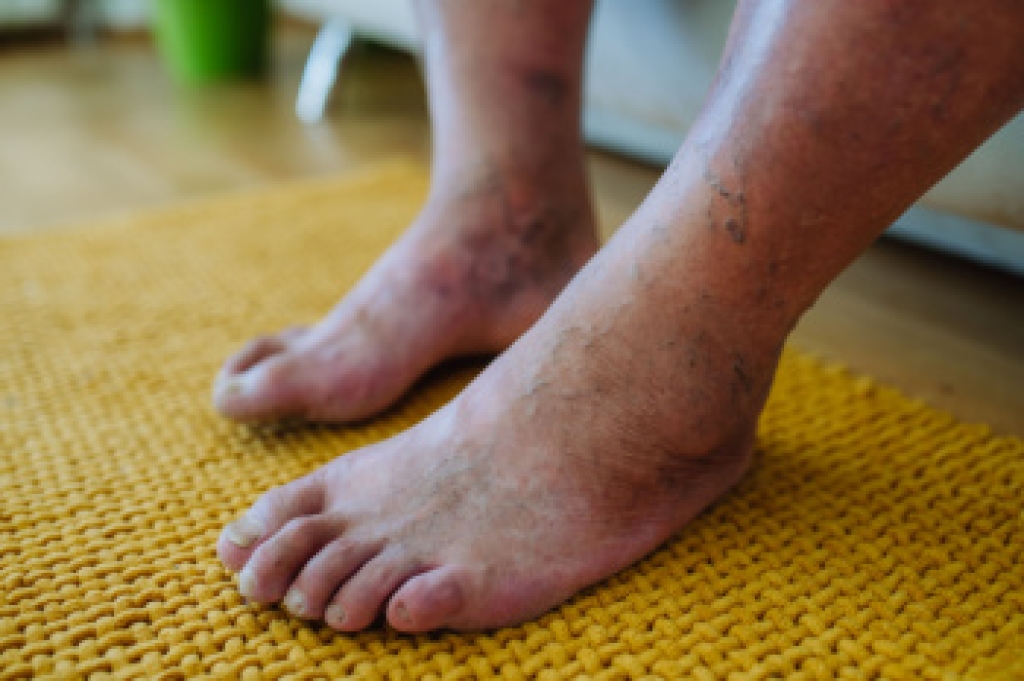
Diabetes can place the feet and lower legs at risk when nerve damage reduces feeling and poor circulation slows healing. A small cut, blister, or pressure spot can become a deep sore without causing much pain. Infection can then spread into tissue or bone, raising the risk of limb loss. Other warning signs include redness, swelling, and drainage. A change in foot shape or skin color also deserves prompt attention. Patients should not wait for pain before seeking care because reduced sensation can hide a serious problem.
Regular visits to a podiatrist are an important part of preventing these complications. A podiatrist can check blood flow, skin condition, and the ability to feel touch or temperature. The exam also identifies corns, calluses, and nail problems before they cause wounds. When a sore is present, the podiatrist can measure its depth and check for infection. Imaging can reveal bone damage or a hidden fracture. Treatment includes professional wound care, removal of damaged tissue, and pressure relief. Custom orthotics or special shoes can protect vulnerable areas. For severe problems, a podiatrist can coordinate advanced wound treatment or surgery with other medical specialists.
Early attention offers the best chance to protect the foot and lower leg. Regular examinations allow a podiatrist to monitor changes and adjust treatment before an injury becomes harder to heal. Patients should report new sores, warmth, or unusual odors promptly. They should also seek care for cracked skin, changes in nail color, or shoes that suddenly feel tight. A podiatrist can safely trim problem nails and treat thick calluses. Education about proper shoes and routine foot checks helps patients recognize concerns early. Working closely with a podiatrist can reduce infection, preserve mobility, and lower the risk of losing a limb. If you have foot complications from diabetes, it is suggested that you are under the care of a podiatrist who can help you to manage this serious condition.
Limb salvage can be an effective way in preventing the need for limb amputation. If you have diabetes, cancer, or any other condition that could lead to foot amputation if left unchecked, consult with one of our podiatrists from David A. Scalzo, DPM, PC and Associates. Our doctors will assess your condition and provide you with quality foot and ankle treatment.
What Is Limb Salvage?
Limb salvage is the attempt of saving a limb, such as the foot from amputation. Podiatrists also try to make sure that there is enough function in the foot after the salvage that it is still usable. Diabetes is the number one cause of non-traumatic amputations in the United States. Those with diabetes experience poor blood circulation, which prevents proper healing of an ulcer. If the ulcer is left uncheck, it could become infected, which could result in the need for amputation.
However, there are other causes as well, such as cancer and traumatic injury. Links between higher mortality rates and amputation have been found. This translates into higher healthcare costs, and a reduced quality of life and mobility for amputees. Podiatrists have attempted to increase the prevalence of limb salvage in an attempt to solve these issues.
Diagnosis and Treatment
Limb salvage teams have grown in recent years that utilize a number of different treatments to save the infected limb. This includes podiatrists that specialize in wound care, rehabilitation, orthotics, and surgery. Through a combination of these methods, limb salvage has been found to be an effective treatment for infected limbs, and as an alternative to amputation. Podiatrists will first evaluate the potential for limb salvage and determine if the limb can be saved or must be amputated.
If you have any questions, please feel free to contact our office located in Duryea, PA . We offer the newest diagnostic and treatment technologies for all your foot care needs.

Heel pain in children often occurs during periods of rapid growth. Sever’s disease is frequently linked to overuse and strain on the developing structures of the foot. Children between the ages of eight and 14 are especially at risk because their bones may grow faster than the surrounding muscles and tendons. This imbalance can place added tension on the heel, leading to irritation and pain. Active children who participate in sports that involve running and jumping may experience this condition more often.
Symptoms of heel pain in children include tenderness at the back or bottom of the heel, discomfort during physical activity, and stiffness after rest. Some children may limp or avoid placing full weight on the affected foot. Pain may increase during sports and improve with rest, but it can return when activity resumes. In some cases, swelling or tightness in the calf muscles may also be present. Early recognition of these symptoms can help prevent worsening discomfort and support proper healing.
The main cause of heel pain in children, often called Sever’s disease, can be related to growth spurts. During their adolescent years, the heel bone grows rapidly, while the surrounding muscles and tendons may not keep pace. This can lead to increased tension on the heel. Repetitive impact from sports and physical activities can further strain the area. Relief often includes stretching exercises to improve flexibility and reduce stress on the heel. Parents should never push children through heel pain, as this can lead to more serious issues.
Risk factors for heel pain in children include high levels of physical activity, tight calf muscles, and participation in sports played on hard surfaces. Early attention is important for maintaining comfort and mobility. If your active child has heel pain, it is suggested that you consult a podiatrist for effective relief and management solutions.
Sever's disease often occurs in children and teens. If your child is experiencing foot or ankle pain, see one of our podiatrists from David A. Scalzo, DPM, PC and Associates. Our doctors can treat your child’s foot and ankle needs.
Sever’s Disease
Sever’s disease is also known as calcaneal apophysitis, which is a medical condition that causes heel pain I none or both feet. The disease is known to affect children between the ages of 8 and 14.
Sever’s disease occurs when part of the child’s heel known as the growth plate (calcaneal epiphysis) is attached to the Achilles tendon. This area can suffer injury when the muscles and tendons of the growing foot do not keep pace with bone growth. Therefore, the constant pain which one experiences at the back of the heel will make the child unable to put any weight on the heel. The child is then forced to walk on their toes.
Symptoms
Acute pain – Pain associated with Sever’s disease is usually felt in the heel when the child engages in physical activity such as walking, jumping and or running.
Highly active – Children who are very active are among the most susceptible in experiencing Sever’s disease, because of the stress and tension placed on their feet.
If you have any questions, please feel free to contact our office located in Duryea, PA . We offer the newest diagnostic and treatment technologies for all your foot care needs.
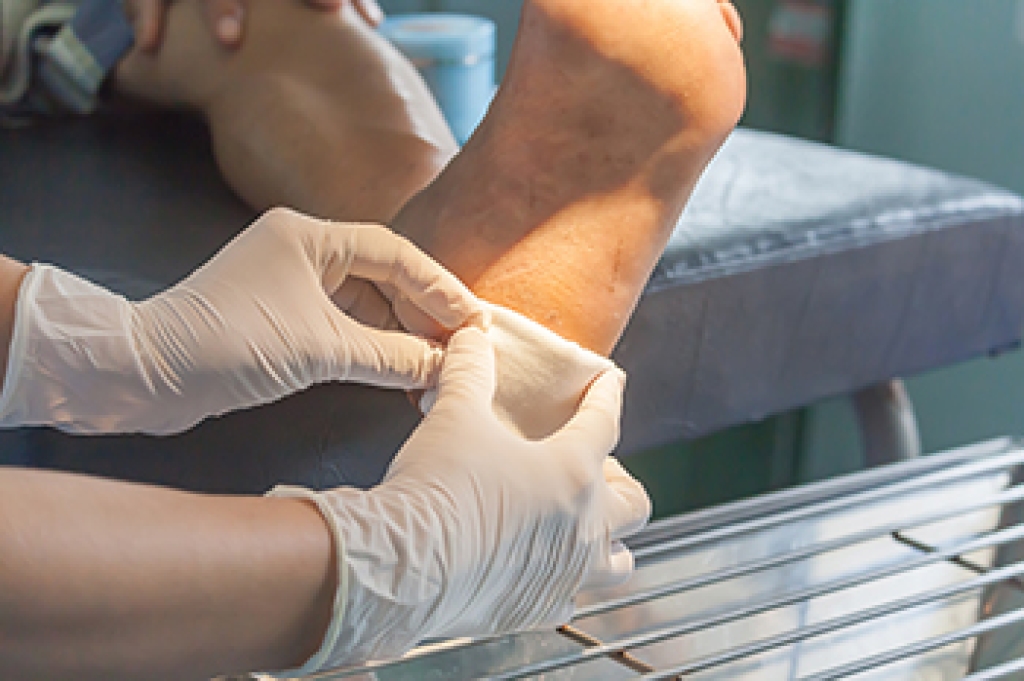
A cut on the bottom can occur from stepping on sharp objects, walking barefoot, or experiencing friction from rough surfaces. This type of foot wound can range from a minor superficial cut to a deeper laceration that requires medical attention from a podiatrist. The sole of the foot is especially vulnerable because it bears weight and is exposed to bacteria from the ground. Proper care is essential to reduce the risk of infection and to support healthy healing.
Symptoms of a cut on the bottom of the foot include pain, tenderness, and visible damage to the skin. There may be bleeding, swelling, or redness surrounding the wound. In some cases, individuals notice difficulty walking due to discomfort or sensitivity when pressure is applied. If the area becomes warm, produces discharge, or shows increased redness, these may be signs of infection. Monitoring symptoms closely helps determine whether simple care is sufficient or if professional treatment is needed.
Treating a cut on the bottom of the foot begins with clean hands to prevent introducing bacteria into the wound. Gently wash the affected area with clean water to remove dirt and debris. Avoid using harsh chemicals that may irritate the tissue. After cleaning, apply a sterile bandage to protect the wound and keep it covered. More severe and painful cuts or wounds require podiatric care to ensure proper healing. Changing the bandage regularly and keeping the area dry can support the healing process. Reducing pressure on the foot by limiting activity may also help prevent the wound from reopening.
Risk factors for complications include deep cuts, delayed treatment, and underlying health conditions, such as diabetes or poor circulation. Walking barefoot in unsanitary environments can increase exposure to bacteria. If you have a cut on the bottom of your foot, it is suggested that you consult a podiatrist for effective treatment solutions.
Wound care is an important part in dealing with diabetes. If you have diabetes and a foot wound or would like more information about wound care for diabetics, consult with one of our podiatrists from David A. Scalzo, DPM, PC and Associates. Our doctors will assess your condition and provide you with quality foot and ankle treatment.
What Is Wound Care?
Wound care is the practice of taking proper care of a wound. This can range from the smallest to the largest of wounds. While everyone can benefit from proper wound care, it is much more important for diabetics. Diabetics often suffer from poor blood circulation which causes wounds to heal much slower than they would in a non-diabetic.
What Is the Importance of Wound Care?
While it may not seem apparent with small ulcers on the foot, for diabetics, any size ulcer can become infected. Diabetics often also suffer from neuropathy, or nerve loss. This means they might not even feel when they have an ulcer on their foot. If the wound becomes severely infected, amputation may be necessary. Therefore, it is of the upmost importance to properly care for any and all foot wounds.
How to Care for Wounds
The best way to care for foot wounds is to prevent them. For diabetics, this means daily inspections of the feet for any signs of abnormalities or ulcers. It is also recommended to see a podiatrist several times a year for a foot inspection. If you do have an ulcer, run the wound under water to clear dirt from the wound; then apply antibiotic ointment to the wound and cover with a bandage. Bandages should be changed daily and keeping pressure off the wound is smart. It is advised to see a podiatrist, who can keep an eye on it.
If you have any questions please contact our office located in Duryea, PA . We offer the newest diagnostic and treatment technologies for all your foot and ankle needs.
Connect With Us
