
Why Toenail Pain Happens and What It Means

Onychalgia, or pain involving the nails, can be surprisingly intense due to the structure of the fingertip or toe tip. The end of the toe contains many sensitive nerve endings, and there is little cushioning between the nail and the underlying bone. In addition, strong connective fibers tightly anchor the nail to the tissue beneath it. Because of this, even slight pressure, swelling, or changes surrounding the nail can lead to significant discomfort, as there is little room for the area to expand without causing pain. Nail pain can come from a variety of causes, including irritation, injury, infection, or changes in how the nail grows. Understanding what is driving the pain helps guide care that focuses on both relief and long-term improvement. Treatment may involve reducing pressure, addressing inflammation, or correcting nail growth patterns. If you are experiencing persistent nail pain or sensitivity, it is suggested that you see a podiatrist for a proper diagnosis and appropriate treatment.

Toe pain can disrupt your daily activities. If you have any concerns, contact one of our podiatrists of David A. Scalzo, DPM, PC and Associates. Our doctors can provide the care you need to keep you pain-free and on your feet.

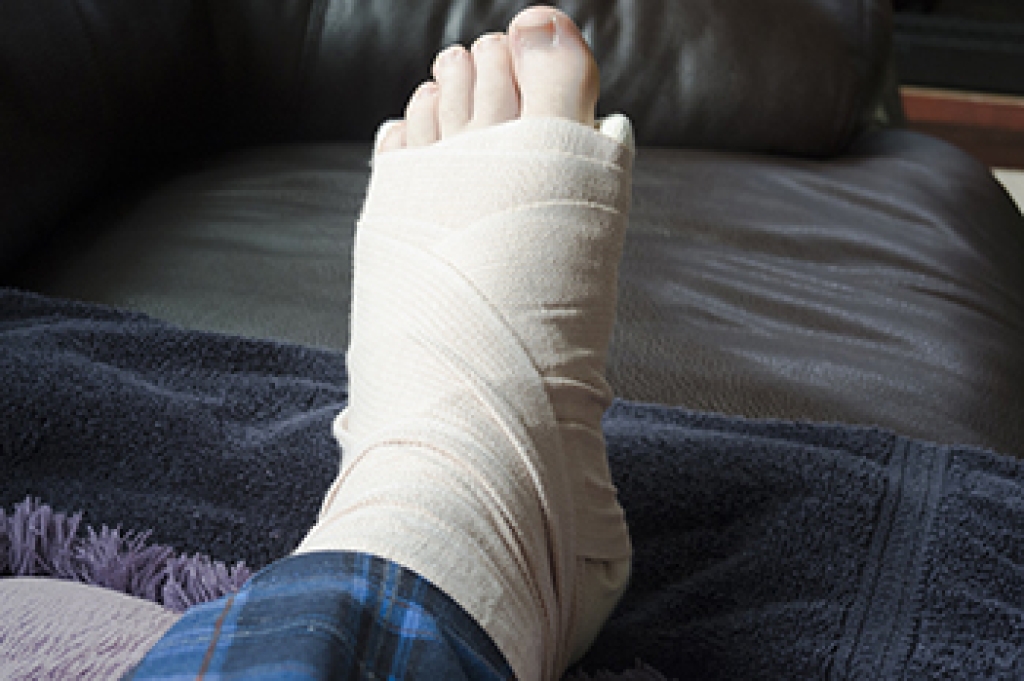
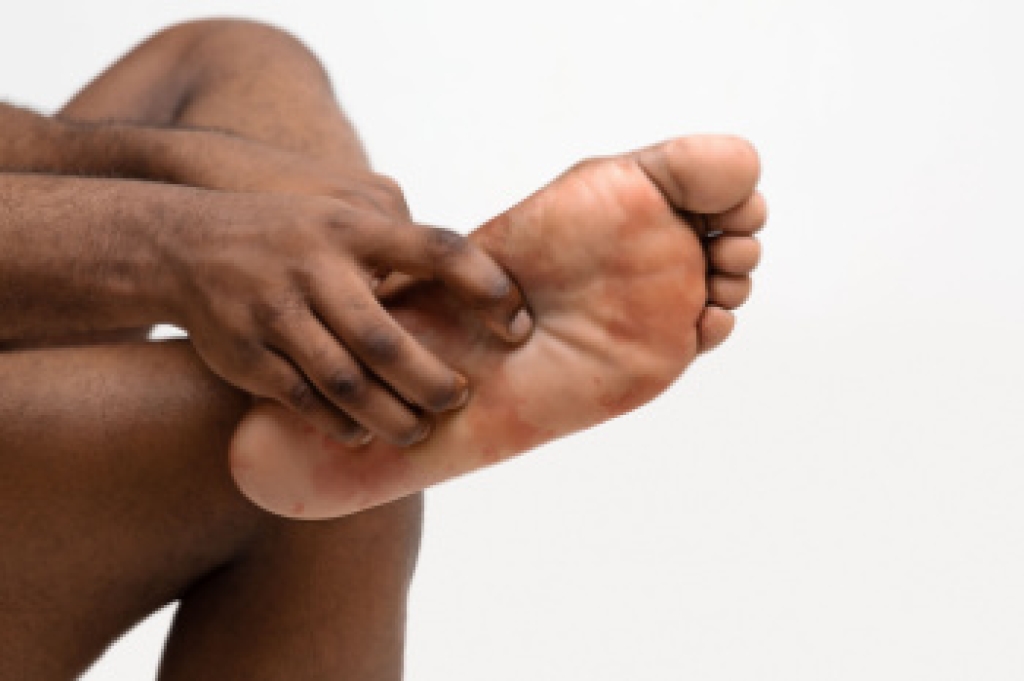
What Causes Toe Pain?

Most severe toe pain is caused due to a sports injury, trauma from dropping something heavy on the toe, or bumping into something rigid. Other problems can develop over time for various reasons.

Toe pain can be caused by one or more ailments. The most common include:

  • Trauma
  • Sports injury
  • Wearing shoes that are too tight
  • Arthritis
  • Gout
  • Corns and calluses
  • Hammertoe
  • Bunions
  • Blisters
  • Ingrown toenails
  • Sprains
  • Fractures (broken bones)
  • Dislocations

When to See a Podiatrist

  • Severe pain
  • Persistent pain that lasts more than a week
  • Signs of infection
  • Continued swelling
  • Pain that prevents walking

Diagnosis

In many cases the cause of toe pain is obvious, but in others, a podiatrist may want to use more advanced methods to determine the problem. These can range from simple visual inspections and sensation tests to X-rays and MRI scans. Prior medical history, family medical history, and any recent physical traumatic events will all be taken into consideration for a proper diagnosis.

Treatment

Treatments for toe pain and injuries vary and may include shoe inserts, padding, taping, medicines, injections, and in some cases, surgery. If you believe that you have broken a toe, please see a podiatrist as soon as possible.

If you have any questions please contact our office located in Duryea, PA . We offer the newest diagnostic and treatment technologies for all your foot and ankle needs.
Read more about Toe Pain

Dealing With Foot Drop

Foot drop is a condition that makes it difficult to lift the front part of the foot while walking. This motion allows the toes to clear the ground with each step. When the muscles that perform this movement become weak or the nerves that control them are damaged, people may develop an abnormal walking pattern known as a steppage gait. This occurs when the knee is lifted higher than normal to prevent the toes from dragging, similar to marching. Foot drop can result from nerve compression near the knee, injuries to the lower back, or certain muscle or neurological disorders. Without proper care, the risk of tripping and falling may increase. A podiatrist can evaluate walking patterns, perform physical and neurological exams, order imaging tests, and provide bracing, custom orthotics, or rehabilitation guidance. If you have difficulty lifting the tip of the foot while walking, it is suggested that you make an appointment with a podiatrist for an exam, diagnosis, and treatment.

If you have any concerns about your feet, contact one of our podiatrists from David A. Scalzo, DPM, PC and Associates. Our doctors can provide the care you need to keep you pain-free and on your feet.

Biomechanics in Podiatry

Podiatric biomechanics is a particular sector of specialty podiatry with licensed practitioners who are trained to diagnose and treat conditions affecting the foot, ankle and lower leg. Biomechanics deals with the forces that act against the body, causing an interference with the biological structures. It focuses on the movement of the ankle, the foot and the forces that interact with them.

A History of Biomechanics

  • Biomechanics dates back to the BC era in Egypt where evidence of professional foot care has been recorded.
  • In 1974, biomechanics gained a higher profile from the studies of Merton Root, who claimed that by changing or controlling the forces between the ankle and the foot, corrections or conditions could be implemented to gain strength and coordination in the area.

Modern technological improvements are based on past theories and therapeutic processes that provide a better understanding of podiatric concepts for biomechanics. Computers can provide accurate information about the forces and patterns of the feet and lower legs.

Understanding biomechanics of the feet can help improve and eliminate pain, stopping further stress to the foot.

If you have any questions please feel free to contact our office located in Duryea, PA . We offer the newest diagnostic and treatment technologies for all your foot and ankle needs.
Read more about The Importance of Biomechanics in Podiatry

Do You Suffer From Painful Feet?

Painful deformities, such as hammertoes, can be treated. Stop living with foot pain, and have beautiful feet again!

Heel Spur Exercises for Pain Relief

Heel spurs are bony growths on the heel that often cause sharp pain, tenderness, and inflammation, especially while walking or standing. Symptoms include stabbing pain in the heel, swelling, or discomfort after rest. Effective exercises can reduce pain and improve foot function. These can include the foot flex, which involves bending the foot upward and downward to stretch and strengthen the plantar fascia, the thick band of tissue on the sole of the foot. Calf stretches on a step help lengthen the calf muscles and Achilles tendon, relieving tension on the heel. Additionally, the toe towel grab strengthens foot muscles by picking up a towel with the toes. A podiatrist can evaluate heel pain, and recommend proper stretches. If you have heel pain, it is suggested that you consult a podiatrist who can accurately diagnose what may be going on, and start you on a personalized plan for relief and improved foot health.

Exercising your feet regularly with the proper foot wear is a great way to prevent injuries and build strength. If you have any concerns about your feet, contact one of our podiatrists from David A. Scalzo, DPM, PC and Associates. Our doctors can provide the care you need to keep you pain-free and on your feet.

Exercise for Your Feet

Exercise for your feet can help you gain strength, mobility and flexibility in your feet. They say that strengthening your feet can be just as rewarding as strengthening another part of the body. Your feet are very important, and we often forget about them in our daily tasks. But it is because of our feet that are we able to get going and do what we need to. For those of us fortunate enough to not have any foot problems, it is an important gesture to take care of them to ensure good health in the long run.

Some foot health exercises can include ankle pumps, tip-toeing, toe rises, lifting off the floor doing reps and sets, and flexing the toes. It is best to speak with Our doctors to determine an appropriate regimen for your needs. Everyone’s needs and bodies are different, and the activities required to maintain strength in the feet vary from individual to individual. 

Once you get into a routine of doing regular exercise, you may notice a difference in your feet and how strong they may become.

If you have any questions, please feel free to contact our office located in Duryea, PA . We offer the newest diagnostic and treatment technologies for all your foot care needs.

Read more about Exercise for Your Feet

Causes of Foot Stress Fractures

A stress fracture in the foot is a small crack in a bone caused by repeated pressure over time. These injuries often develop when the foot absorbs more force than the bones can handle. Many stress fractures occur in athletes who run, jump, or change direction frequently in sports such as basketball, tennis, and gymnastics. They can also affect runners and people who suddenly increase the intensity, duration, or frequency of exercise. The crack in the bone may be extremely small, sometimes as thin as a strand of hair, but it can still cause significant pain. Other risk factors include poor footwear, changes in training surfaces, weak bones, or abnormal foot structure that places extra pressure on certain areas. Stress fractures most often affect the metatarsals, which are the long bones that connect the toes to the midfoot. A podiatrist can evaluate symptoms, examine the foot, and use imaging tests to confirm the diagnosis and guide proper care. If you have symptoms of a stress fracture, it is suggested that you make an appointment with a podiatrist for an exam, diagnosis, and treatment.

Activities where too much pressure is put on the feet can cause stress fractures. To learn more, contact one of our podiatrists from David A. Scalzo, DPM, PC and Associates. Our doctors can provide the care you need to keep your pain free and on your feet.

Dealing with Stress Fractures of the Foot and Ankle

Stress fractures occur in the foot and ankle when muscles in these areas weaken from too much or too little use.  The feet and ankles then lose support when walking or running from the impact of the ground. Since there is no protection, the bones receive the full impact of each step. Stress on the feet can cause cracks to form in the bones, thus creating stress fractures.

What Are Stress Fractures?

Stress fractures occur frequently in individuals whose daily activities cause great impact on the feet and ankles. Stress factors are most common among:

  • Runners                                
  • People affected with Osteoporosis
  • Tennis or basketball players
  • Gymnasts
  • High impact workouts

Symptoms

Pain from the fractures occur in the area of the fractures and can be constant or intermittent. It will often cause sharp or dull pain with swelling and tenderness. Engaging in any kind of activity which involves high impact will aggravate pain.

If you have any questions please contact our office located in Duryea, PA . We offer the newest diagnostic and treatment technologies for all your foot and ankle needs.
Read more about Dealing with Stress Fractures of the Foot and Ankle

Connect With Us