
Have you noticed a bony protrusion on the side of your big toe? If so, you may have developed the foot condition known as a bunion. Don't let bunions interfere with your daily activities.
Have you noticed a bony protrusion on the side of your big toe? If so, you may have developed the foot condition known as a bunion. Don't let bunions interfere with your daily activities.
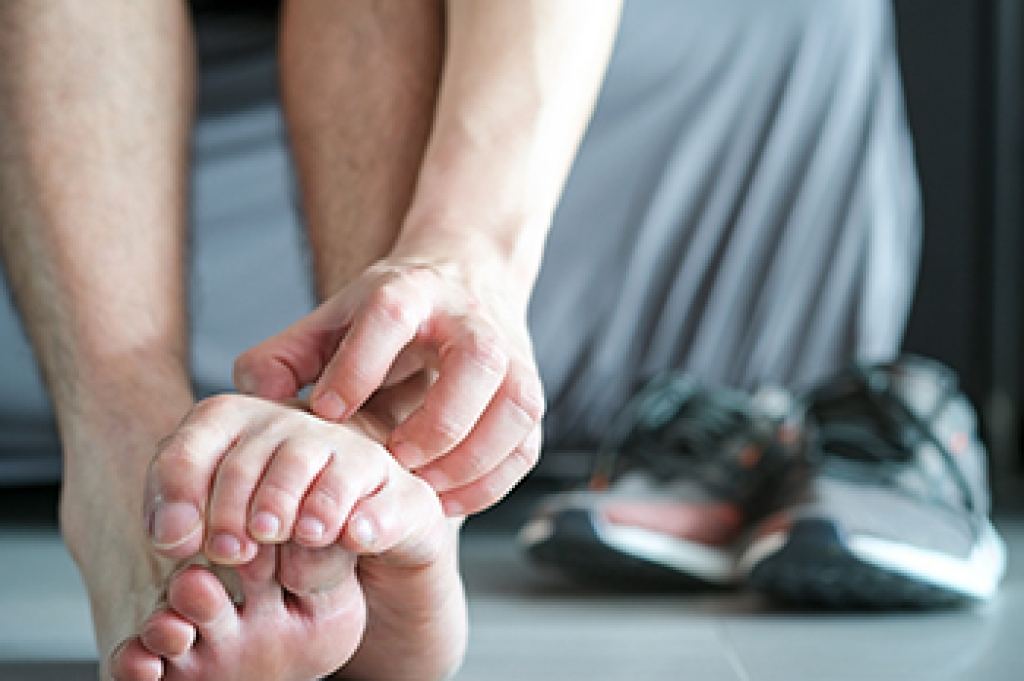
Athlete’s foot is a fungal infection that affects the skin of the feet, especially between the toes. It often causes flaking skin, itching, cracking, and redness that can become uncomfortable, if left untreated. The condition develops in warm and moist environments, making shared areas around pools and locker rooms a common source of exposure. Prevention includes keeping feet clean and dry, and wearing appropriate shoes in pool areas to reduce contact with fungi. Prescribed medication can effectively clear the infection and prevent it from spreading or returning. A podiatrist can diagnose athlete’s foot, recommend the right treatment, and provide guidance on proper foot hygiene. If you have symptoms of athlete’s foot, it is suggested that you consult a podiatrist who can effectively treat this condition, which may include prescribed medication.
Athlete’s Foot
Athlete’s foot is often an uncomfortable condition to experience. Thankfully, podiatrists specialize in treating athlete’s foot and offer the best treatment options. If you have any questions about athlete’s foot, consult with one of our podiatrists from David A. Scalzo, DPM, PC and Associates. Our doctors will assess your condition and provide you with quality treatment.
What Is Athlete’s Foot?
Tinea pedis, more commonly known as athlete’s foot, is a non-serious and common fungal infection of the foot. Athlete’s foot is contagious and can be contracted by touching someone who has it or infected surfaces. The most common places contaminated by it are public showers, locker rooms, and swimming pools. Once contracted, it grows on feet that are left inside moist, dark, and warm shoes and socks.
Prevention
The most effective ways to prevent athlete’s foot include:
Symptoms
Athlete’s foot initially occurs as a rash between the toes. However, if left undiagnosed, it can spread to the sides and bottom of the feet, toenails, and if touched by hand, the hands themselves. Symptoms include:
Diagnosis and Treatment
Diagnosis is quick and easy. Skin samples will be taken and either viewed under a microscope or sent to a lab for testing. Sometimes, a podiatrist can diagnose it based on simply looking at it. Once confirmed, treatment options include oral and topical antifungal medications.
If you have any questions, please feel free to contact our office located in Duryea, PA . We offer the newest diagnostic and treatment technologies for all your foot care needs.
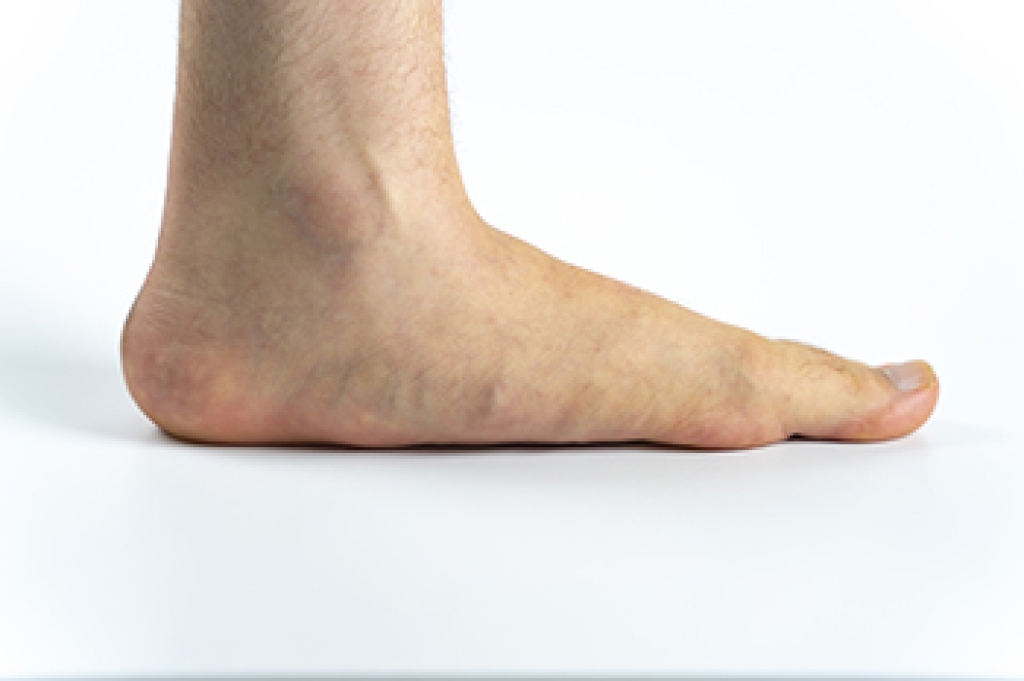
Flat feet is a condition in which the arches of the feet collapse or do not develop properly, causing the entire sole to make contact with the ground. This can result from genetics, injury, tendon dysfunction, or gradual wear over time. Symptoms may include foot pain, swelling, fatigue, and discomfort in the ankles, knees, or lower back. Risk factors include obesity, aging, prolonged standing, and wearing improper footwear that lacks support. Without proper care, flat feet can affect alignment and lead to further strain on the body. A podiatrist can help by evaluating foot structure, recommending supportive devices, and guiding treatment. If you have flat feet and are experiencing pain or discomfort, it is suggested that you consult a podiatrist who can help you to manage this condition.
Flatfoot is a condition many people suffer from. If you have flat feet, contact one of our podiatrists from David A. Scalzo, DPM, PC and Associates. Our doctors will treat your foot and ankle needs.
What Are Flat Feet?
Flatfoot is a condition in which the arch of the foot is depressed and the sole of the foot is almost completely in contact with the ground. About 20-30% of the population generally has flat feet because their arches never formed during growth.
Conditions & Problems:
Having flat feet makes it difficult to run or walk because of the stress placed on the ankles.
Alignment – The general alignment of your legs can be disrupted, because the ankles move inward which can cause major discomfort.
Knees – If you have complications with your knees, flat feet can be a contributor to arthritis in that area.
Symptoms
Treatment
If you are experiencing pain and stress on the foot you may weaken the posterior tibial tendon, which runs around the inside of the ankle.
If you have any questions, please feel free to contact our office located in Duryea, PA . We offer the newest diagnostic and treatment technologies for all your foot care needs.

Onychalgia, or pain involving the nails, can be surprisingly intense due to the structure of the fingertip or toe tip. The end of the toe contains many sensitive nerve endings, and there is little cushioning between the nail and the underlying bone. In addition, strong connective fibers tightly anchor the nail to the tissue beneath it. Because of this, even slight pressure, swelling, or changes surrounding the nail can lead to significant discomfort, as there is little room for the area to expand without causing pain. Nail pain can come from a variety of causes, including irritation, injury, infection, or changes in how the nail grows. Understanding what is driving the pain helps guide care that focuses on both relief and long-term improvement. Treatment may involve reducing pressure, addressing inflammation, or correcting nail growth patterns. If you are experiencing persistent nail pain or sensitivity, it is suggested that you see a podiatrist for a proper diagnosis and appropriate treatment.
Toe pain can disrupt your daily activities. If you have any concerns, contact one of our podiatrists of David A. Scalzo, DPM, PC and Associates. Our doctors can provide the care you need to keep you pain-free and on your feet.
What Causes Toe Pain?
Most severe toe pain is caused due to a sports injury, trauma from dropping something heavy on the toe, or bumping into something rigid. Other problems can develop over time for various reasons.
Toe pain can be caused by one or more ailments. The most common include:
When to See a Podiatrist
Diagnosis
In many cases the cause of toe pain is obvious, but in others, a podiatrist may want to use more advanced methods to determine the problem. These can range from simple visual inspections and sensation tests to X-rays and MRI scans. Prior medical history, family medical history, and any recent physical traumatic events will all be taken into consideration for a proper diagnosis.
Treatment
Treatments for toe pain and injuries vary and may include shoe inserts, padding, taping, medicines, injections, and in some cases, surgery. If you believe that you have broken a toe, please see a podiatrist as soon as possible.
If you have any questions please contact our office located in Duryea, PA . We offer the newest diagnostic and treatment technologies for all your foot and ankle needs.

Foot drop is a condition that makes it difficult to lift the front part of the foot while walking. This motion allows the toes to clear the ground with each step. When the muscles that perform this movement become weak or the nerves that control them are damaged, people may develop an abnormal walking pattern known as a steppage gait. This occurs when the knee is lifted higher than normal to prevent the toes from dragging, similar to marching. Foot drop can result from nerve compression near the knee, injuries to the lower back, or certain muscle or neurological disorders. Without proper care, the risk of tripping and falling may increase. A podiatrist can evaluate walking patterns, perform physical and neurological exams, order imaging tests, and provide bracing, custom orthotics, or rehabilitation guidance. If you have difficulty lifting the tip of the foot while walking, it is suggested that you make an appointment with a podiatrist for an exam, diagnosis, and treatment.
If you have any concerns about your feet, contact one of our podiatrists from David A. Scalzo, DPM, PC and Associates. Our doctors can provide the care you need to keep you pain-free and on your feet.
Biomechanics in Podiatry
Podiatric biomechanics is a particular sector of specialty podiatry with licensed practitioners who are trained to diagnose and treat conditions affecting the foot, ankle and lower leg. Biomechanics deals with the forces that act against the body, causing an interference with the biological structures. It focuses on the movement of the ankle, the foot and the forces that interact with them.
A History of Biomechanics
Modern technological improvements are based on past theories and therapeutic processes that provide a better understanding of podiatric concepts for biomechanics. Computers can provide accurate information about the forces and patterns of the feet and lower legs.
Understanding biomechanics of the feet can help improve and eliminate pain, stopping further stress to the foot.
If you have any questions please feel free to contact our office located in Duryea, PA . We offer the newest diagnostic and treatment technologies for all your foot and ankle needs.
Connect With Us
