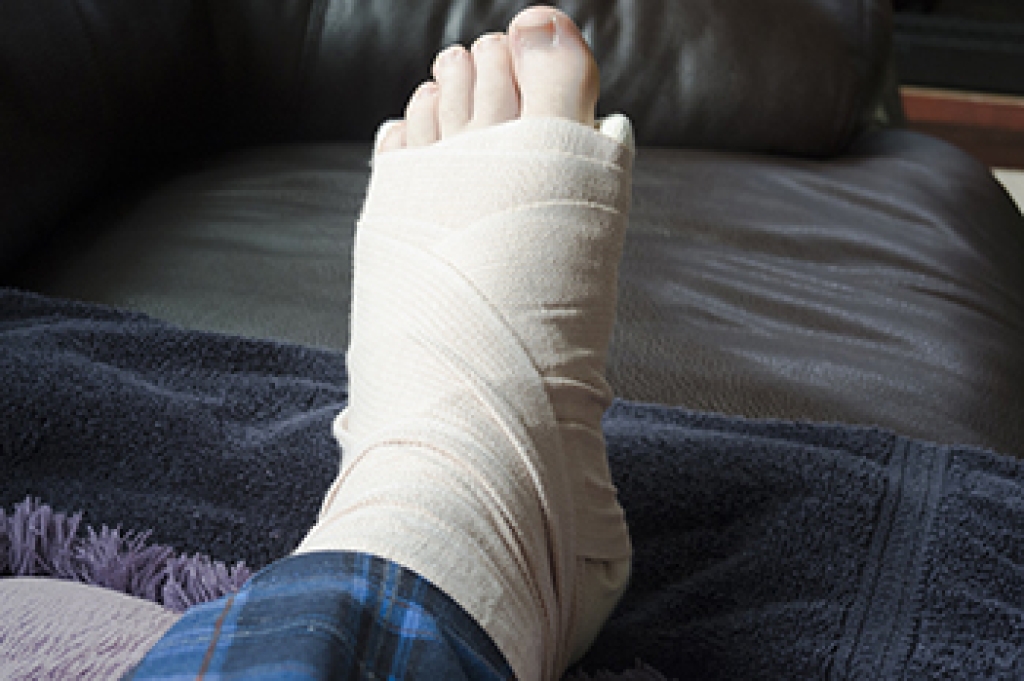
Heel Pain in Young Sports Enthusiasts

Heel pain in young athletes is often quickly labeled as Sever’s disease, but this diagnosis does not explain every case. Growing bodies experience many stresses, especially during sports that involve running and jumping. Heel pain can also come from plantar fascia irritation, Achilles tendon strain, stress reactions, wearing poor footwear, or training errors. Tight calf muscles and sudden increases in activity commonly contribute to the problem.  A proper evaluation looks at age, growth patterns, activity level, and pain location. Physical examination assesses flexibility, strength, and tenderness, and imaging may be used to rule out fractures or other conditions. Accurate diagnosis matters because treatment varies. Some issues improve with rest and stretching, while others need targeted care. When heel pain persists, limits play, or keeps returning, it is suggested you seek evaluation by a podiatrist.

Sever's disease often occurs in children and teens. If your child is experiencing foot or ankle pain, see one of our podiatrists from David A. Scalzo, DPM, PC and Associates. Our doctors can treat your child’s foot and ankle needs.

Sever’s Disease

Sever’s disease is also known as calcaneal apophysitis, which is a medical condition that causes heel pain I none or both feet. The disease is known to affect children between the ages of 8 and 14.

Sever’s disease occurs when part of the child’s heel known as the growth plate (calcaneal epiphysis) is attached to the Achilles tendon. This area can suffer injury when the muscles and tendons of the growing foot do not keep pace with bone growth. Therefore, the constant pain which one experiences at the back of the heel will make the child unable to put any weight on the heel. The child is then forced to walk on their toes.

Symptoms

Acute pain – Pain associated with Sever’s disease is usually felt in the heel when the child engages in physical activity such as walking, jumping and or running.

Highly active – Children who are very active are among the most susceptible in experiencing Sever’s disease, because of the stress and tension placed on their feet.

If you have any questions, please feel free to contact our office located in Duryea, PA . We offer the newest diagnostic and treatment technologies for all your foot care needs.
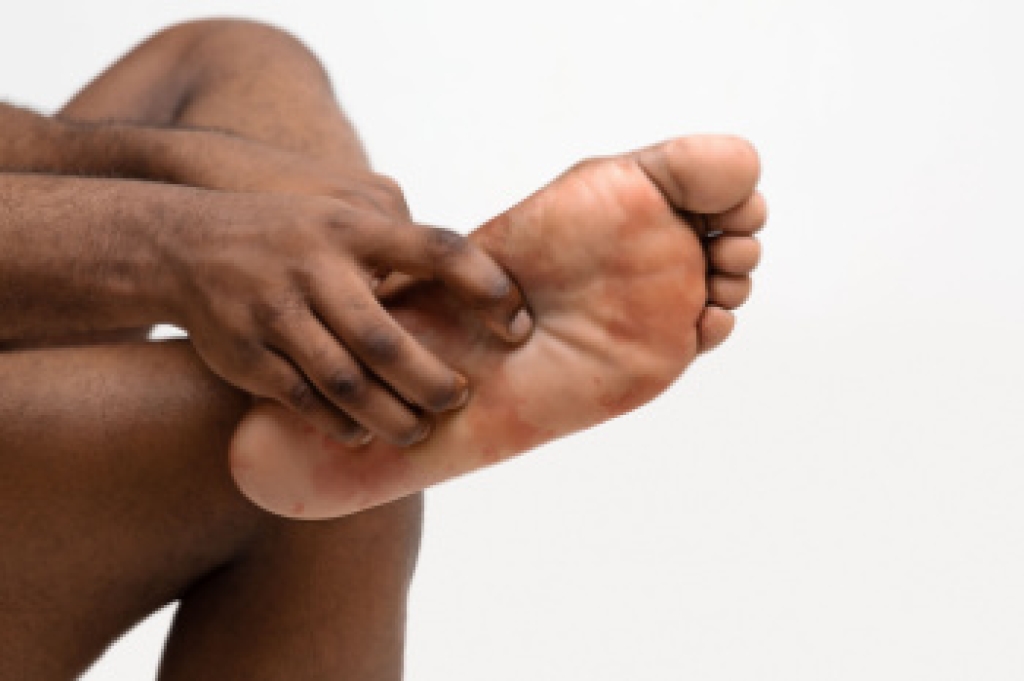
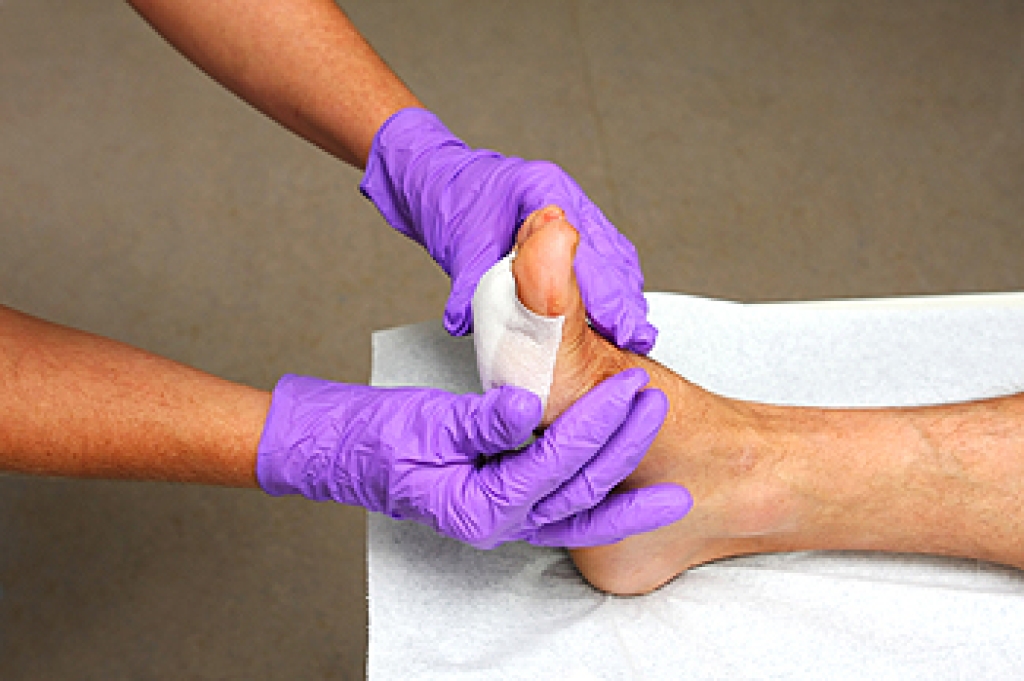
Read more about Sever's Disease

When Heel Pain Refuses to Fade

Plantar fasciitis is a common foot condition caused by irritation or inflammation of the plantar fascia, a thick band of tissue that runs along the bottom of the foot. The foot may look normal or slightly swollen near the heel, but the discomfort is often most noticeable with the first steps in the morning or after resting. It commonly feels like sharp, stabbing heel pain that may ease with movement, then return as aching or soreness after long periods of standing or walking. A podiatrist can help from the start by evaluating foot structure, reviewing activity history, and confirming the diagnosis through examination and imaging when needed. Treatment may begin with inflammation control, footwear changes, and orthotics, then move into night splints or advanced treatment options. It is suggested that if you are experiencing heel pain, you make an appointment with a podiatrist.

Plantar fasciitis is a common foot condition that is often caused by a strain injury. If you are experiencing heel pain or symptoms of plantar fasciitis, contact one of our podiatrists from David A. Scalzo, DPM, PC and Associates. Our doctors can provide the care you need to keep you pain-free and on your feet.

What Is Plantar Fasciitis?

Plantar fasciitis is one of the most common causes of heel pain. The plantar fascia is a ligament that connects your heel to the front of your foot. When this ligament becomes inflamed, plantar fasciitis is the result. If you have plantar fasciitis you will have a stabbing pain that usually occurs with your first steps in the morning. As the day progresses and you walk around more, this pain will start to disappear, but it will return after long periods of standing or sitting.

What Causes Plantar Fasciitis?

  • Excessive running
  • Having high arches in your feet
  • Other foot issues such as flat feet
  • Pregnancy (due to the sudden weight gain)
  • Being on your feet very often

There are some risk factors that may make you more likely to develop plantar fasciitis compared to others. The condition most commonly affects adults between the ages of 40 and 60. It also tends to affect people who are obese because the extra pounds result in extra stress being placed on the plantar fascia.

Prevention

  • Take good care of your feet – Wear shoes that have good arch support and heel cushioning.
  • Maintain a healthy weight
  • If you are a runner, alternate running with other sports that won’t cause heel pain

There are a variety of treatment options available for plantar fasciitis along with the pain that accompanies it. Additionally, physical therapy is a very important component in the treatment process. It is important that you meet with your podiatrist to determine which treatment option is best for you.

If you have any questions, please feel free to contact our office located in Duryea, PA . We offer the newest diagnostic and treatment technologies for all your foot care needs.
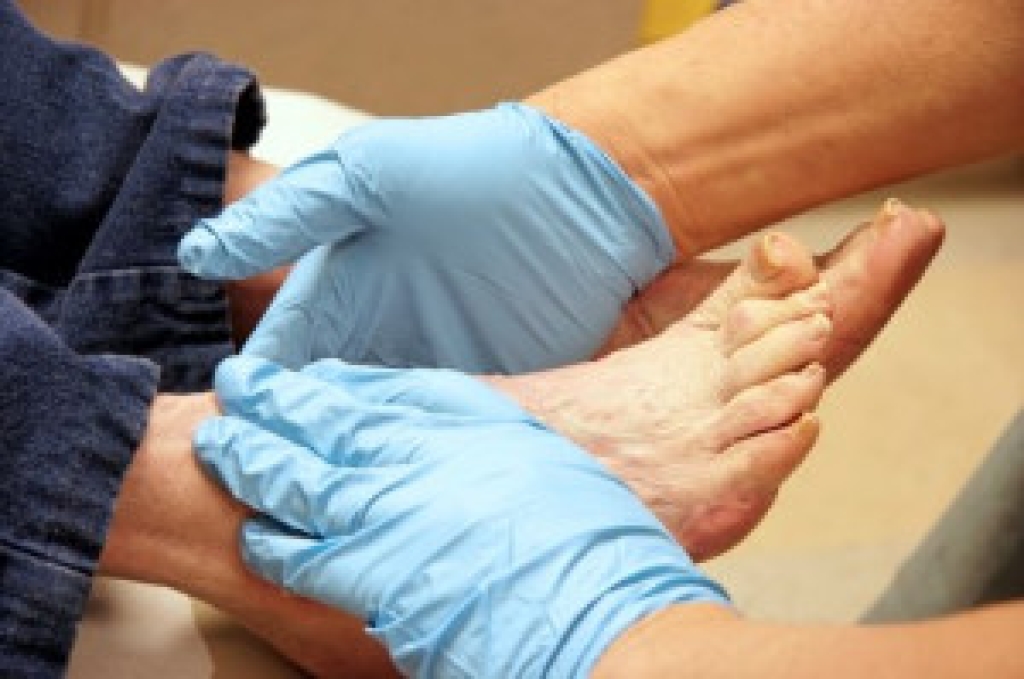
 

Read more about Plantar Fasciitis

Caring for the Feet When Dealing With Diabetes

Diabetic foot care focuses on protecting the feet from complications caused by long-term diabetes, which can damage nerves and reduce circulation. These changes are often caused by prolonged elevated blood sugar levels that affect blood vessels and sensation. Symptoms include numbness, burning pain, slow healing sores, or frequent infections. The feet may look dry, cracked, or discolored, and they may feel painful in some areas while feeling very little in others. A podiatrist plays an important role by starting with a thorough examination to evaluate skin health, circulation, nerve response, and foot structure. Diagnostic testing may be used to identify risks early. Treatment often begins with preventive care, such as regular monitoring, nail and skin care, and footwear guidance, then moves into wound care and infection management. Consistent podiatric care helps reduce the risk of ulcers and serious complications. If you have diabetic foot care needs, it is suggested that you make an appointment with a podiatrist.

Diabetic foot care is important in preventing foot ailments such as ulcers. If you are suffering from diabetes or have any other concerns about your feet, contact one of our podiatrists from David A. Scalzo, DPM, PC and Associates. Our doctors can provide the care you need to keep you pain-free and on your feet.

Diabetic Foot Care

Diabetes affects millions of people every year. The condition can damage blood vessels in many parts of the body, especially the feet. Because of this, taking care of your feet is essential if you have diabetes, and having a podiatrist help monitor your foot health is highly recommended.

The Importance of Caring for Your Feet

  • Routinely inspect your feet for bruises or sores.
  • Wear socks that fit your feet comfortably.
  • Wear comfortable shoes that provide adequate support.

Patients with diabetes should have their doctor monitor their blood levels, as blood sugar levels play such a huge role in diabetic care. Monitoring these levels on a regular basis is highly advised.

It is always best to inform your healthcare professional of any concerns you may have regarding your feet, especially for diabetic patients. Early treatment and routine foot examinations are keys to maintaining proper health, especially because severe complications can arise if proper treatment is not applied.

If you have any questions, please feel free to contact our office located in Duryea, PA . We offer the newest diagnostic and treatment technologies for all your foot care needs.

Read more about Diabetic Foot Conditions

Treatment Options for Heel Pain

Heel pain can interfere with walking, standing, and daily activities. One of the most common causes of heel pain is strain on the thick band of tissue under the heel, termed the plantar fascia. Among other causes are inflammation near the heel bone, nerve irritation, or structur

al issues that affect how the foot absorbs pressure. A podiatrist performs a detailed exam, reviews activity history, and may use imaging to identify the source of heel pain. Treatment options include custom orthotics to reduce strain, guided stretching programs, activity modification, and medical procedures for persistent symptoms. Addressing alignment or gait problems can reduce repeated stress on the heel and surrounding tissues. Surgery may be discussed when other options do not provide lasting relief. If you experience heel pain that will not go away, it is suggested that you make an appointment with a podiatrist for an exam and treatment.

Many people suffer from bouts of heel pain. For more information, contact one of our podiatrists of David A. Scalzo, DPM, PC and Associates. Our doctors can provide the care you need to keep you pain-free and on your feet.

Causes of Heel Pain

Heel pain is often associated with plantar fasciitis. The plantar fascia is a band of tissues that extends along the bottom of the foot. A rip or tear in this ligament can cause inflammation of the tissue.

Achilles tendonitis is another cause of heel pain. Inflammation of the Achilles tendon will cause pain from fractures and muscle tearing. Lack of flexibility is also another symptom.

Heel spurs are another cause of pain. When the tissues of the plantar fascia undergo a great deal of stress, it can lead to ligament separation from the heel bone, causing heel spurs.

Why Might Heel Pain Occur?

  • Wearing ill-fitting shoes                
  • Wearing non-supportive shoes
  • Weight change           
  • Excessive running

Treatments

Heel pain should be treated as soon as possible for immediate results. Keeping your feet in a stress-free environment will help. If you suffer from Achilles tendonitis or plantar fasciitis, applying ice will reduce the swelling. Stretching before an exercise like running will help the muscles. Using all these tips will help make heel pain a condition of the past.

If you have any questions, please feel free to contact our office located in Duryea, PA . We offer the newest diagnostic and treatment technologies for all your foot care needs.

Read more about Heel Pain

Connect With Us