Painful Morton’s Neuroma

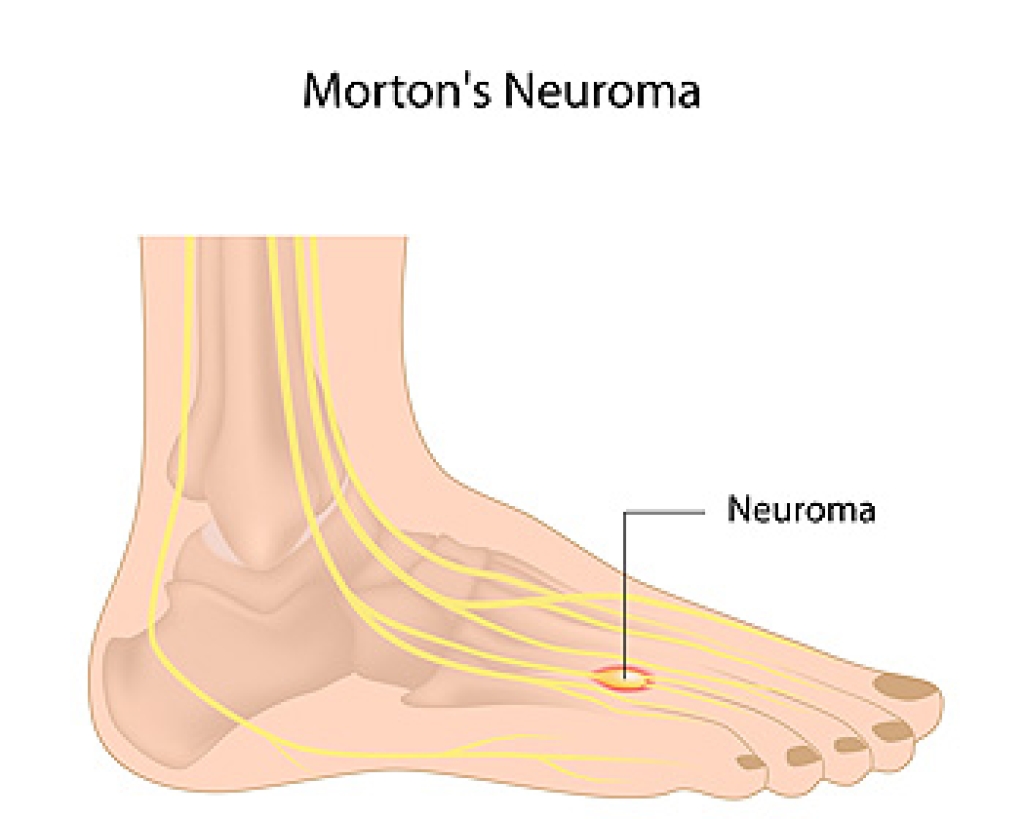
The feet are known to absorb more force than any other body part. There are many foot conditions that can cause extreme pain and discomfort, and Morton’s neuroma falls into that category. It is defined as a compressed nerve that lies between the third and fourth toes, and can happen from wearing shoes that do not have enough room for the toes to move in freely. Women who wear high heels may develop and suffer from Morton’s neuroma, and if it is not diagnosed promptly, surgery may be needed for permanent relief. Early detection of this condition may help the inflamed tissue surrounding the nerve to stabilize, and wearing shoes that fit correctly may help to accelerate this process. Morton’s neuroma can become a serious foot condition, and if you feel you have this, it is strongly advised that you are under the care of a podiatrist who can properly assess and treat this ailment.

Morton’s neuroma is a very uncomfortable condition to live with. If you think you have Morton’s neuroma, contact one of our podiatrists of David A. Scalzo, DPM, PC and Associates. Our doctors will attend to all of your foot care needs and answer any of your related questions.  

Morton’s Neuroma

Morton's neuroma is a painful foot condition that commonly affects the areas between the second and third or third and fourth toe, although other areas of the foot are also susceptible. Morton’s neuroma is caused by an inflamed nerve in the foot that is being squeezed and aggravated by surrounding bones.

What Increases the Chances of Having Morton’s Neuroma?

  • Ill-fitting high heels or shoes that add pressure to the toe or foot
  • Jogging, running or any sport that involves constant impact to the foot
  • Flat feet, bunions, and any other foot deformities

Morton’s neuroma is a very treatable condition. Orthotics and shoe inserts can often be used to alleviate the pain on the forefront of the feet. In more severe cases, corticosteroids can also be prescribed. In order to figure out the best treatment for your neuroma, it’s recommended to seek the care of a podiatrist who can diagnose your condition and provide different treatment options.

If you have any questions, please feel free to contact our offices located in Duryea and Bangor, PA . We offer the newest diagnostic and treatment technologies for all your foot care needs.

Read more about What is Morton's Neuroma?

Let the Expert Treat Your Ingrown Toenails

Ingrown toenails can be painful and can make wearing shoes or walking uncomfortable. Seek professional help if you believe you've developed an ingrown toenail and be treated safely. 

Why Are My Feet Sweating?

Hyperhidrosis is an excessive sweating that can affect the feet and other parts of the body. The medical terms are polyhidrosis and sudorrhea. This ailment is not life-threatening but can be uncomfortable and embarrassing. Many people who have this condition often notice signs in their teenage years, which can develop reasons such as obesity, diabetes, or a thyroid disorder. A common symptom that is associated with this ailment is profuse sweating on the soles of the feet that can often soak through the socks and shoes. The skin on the feet may ultimately be affected, and people who have hyperhidrosis may choose to refrain from having physical contact. If you have this condition, a podiatrist will be able to provide a proper diagnosis and guide you toward the correct treatment options. If more information is desired, it is strongly suggested that this type of doctor is contacted so relief can be found.

If you are suffering from hyperhidrosis contact one of our podiatrists of David A. Scalzo, DPM, PC and Associates. Our doctors can provide the care you need to attend to all of your foot and ankle needs.

Hyperhidrosis of the Feet

Hyperhidrosis is a rare disorder that can cause people to have excessive sweating of their feet. This can usually occur all on its own without rigorous activity involved. People who suffer from hyperhidrosis may also experience sweaty palms.

Although it is said that sweating is a healthy process meant to cool down the body temperature and to maintain a proper internal temperature, hyperhidrosis may prove to be a huge hindrance on a person’s everyday life.

Plantar hyperhidrosis is considered to be the main form of hyperhidrosis. Secondary hyperhidrosis can refer to sweating that occurs in areas other than the feet or hands and armpits. Often this may be a sign of it being related to another medical condition such as menopause, hyperthyroidism and even Parkinson’s disease.

In order to alleviate this condition, it is important to see your doctor so that they may prescribe the necessary medications so that you can begin to live a normal life again. If this is left untreated, it is said that it will persist throughout an individual’s life.

A last resort approach would be surgery, but it is best to speak with your doctor to find out what may be the best treatment for you.

If you have any questions, please feel free to contact our offices located in Duryea and Bangor, PA . We offer the newest diagnostic and treatment technologies for all your foot care needs.
Read more about Hyperhidrosis of the Feet

Common Reasons a Toe May Become Fractured

The common reasons why people incur a broken toe is from dropping a heavy object on it, or stubbing it into a piece of furniture. Additionally, some patients may endure a toe injury, and the result may be a broken toe. Common symptoms that many people experience can include a popping sound as the toe snaps, and pain that becomes worse when the toe is moved. Additionally, bruising and swelling are common symptoms of a broken toe, and in severe cases, the affected toe may look deformed if it is displaced. A simple diagnosis consists of having an X-ray taken, and this can be helpful in determining how severely the toe is fractured. An effective treatment plan is called the buddy taping method, and this is done by taping the broken toe to the toe next to it. This is often successful in providing the stability that is needed as the healing process occurs. The foot and toe will feel better when it is frequently rested and elevated, and this may help to alleviate a portion of the swelling. If you have broken your toe, please schedule an appointment with a podiatrist as quickly as possible who can offer you a treatment method that is correct for you. 

A broken toe can be very painful and lead to complications if not properly fixed. If you have any concerns about your feet, contact one of our podiatrists from David A. Scalzo, DPM, PC and Associates. Our doctors will treat your foot and ankle needs.

What to Know About a Broken Toe

Although most people try to avoid foot trauma such as banging, stubbing, or dropping heavy objects on their feet, the unfortunate fact is that it is a common occurrence. Given the fact that toes are positioned in front of the feet, they typically sustain the brunt of such trauma. When trauma occurs to a toe, the result can be a painful break (fracture).

Symptoms of a Broken Toe

  • Throbbing pain
  • Swelling
  • Bruising on the skin and toenail
  • The inability to move the toe
  • Toe appears crooked or disfigured
  • Tingling or numbness in the toe

Generally, it is best to stay off of the injured toe with the affected foot elevated.

Severe toe fractures may be treated with a splint, cast, and in some cases, minor surgery. Due to its position and the pressure it endures with daily activity, future complications can occur if the big toe is not properly treated.

If you have any questions, please feel free to contact our offices located in Duryea and Bangor, PA . We offer the newest diagnostic and treatment technologies for all your foot care needs.
Read more about What to Know About a Broken Toe

Facts About Bunions

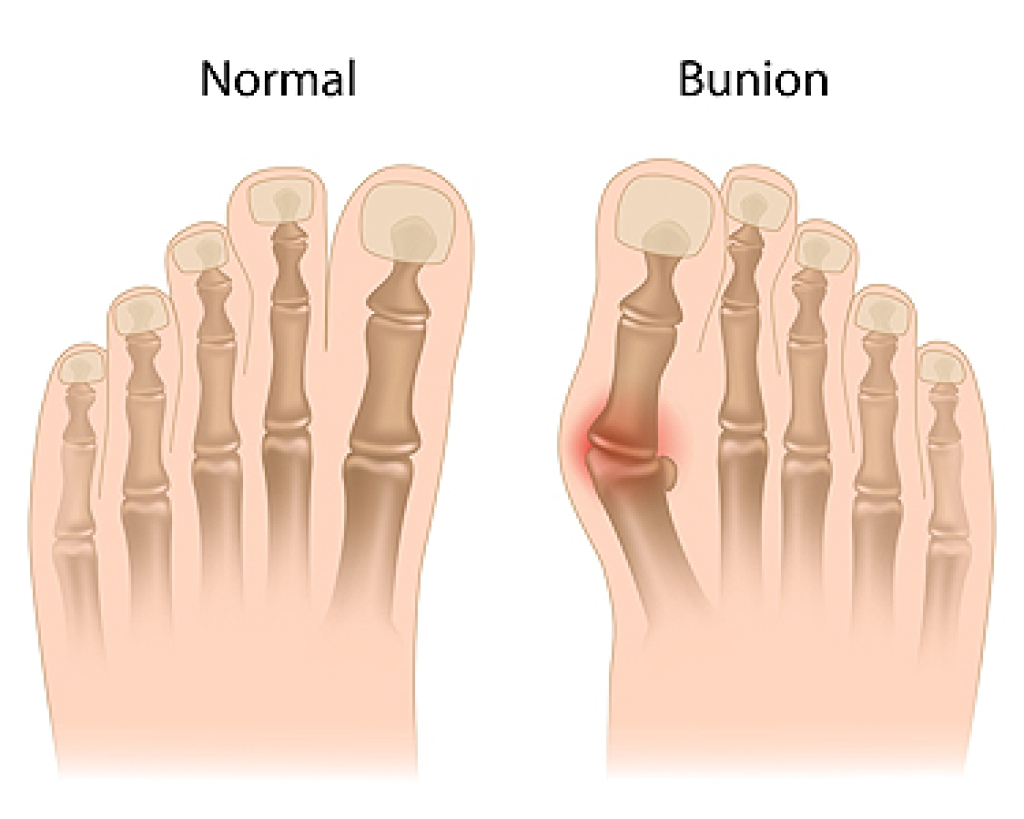
A bunion, medically known as hallux valgus, occurs when the base of the big toe bone moves outward, pushing the rest of the toe inward. A bunion can cause the foot to become wider, and make it difficult to find shoes that fit. It often rubs against the inside of the toe box and becomes red and irritated. Although wearing shoes that are too small, especially during one’s formative years, is not ideal, it is believed that genetics play a major role in the development of a bunion. Most people with bunions can find some relief through non-surgical means, including pain relief medication. In addition, finding wider shoes with a lower heel, and avoiding high heels, or shoes that are excessively pointy, can help. Losing weight may also reduce the pressure on the big toe. In severe cases, surgery is an option that can help correct the alignment of the toes. If a bunion is causing pain on a regular basis, it is a good idea to consult a podiatrist who can assess the situation and suggest a treatment plan.

If you are suffering from bunions, contact one of our podiatrists of David A. Scalzo, DPM, PC and Associates. Our doctors can provide the care you need to keep you pain-free and on your feet.

What Is a Bunion?

A bunion is formed of swollen tissue or an enlargement of boney growth, usually located at the base joint of the toe that connects to the foot. The swelling occurs due to the bones in the big toe shifting inward, which impacts the other toes of the foot. This causes the area around the base of the big toe to become inflamed and painful.

Why Do Bunions Form?

Genetics – Susceptibility to bunions are often hereditary

Stress on the feet – Poorly fitted and uncomfortable footwear that places stress on feet, such as heels, can worsen existing bunions

How Are Bunions Diagnosed?

Podiatrists often perform two tests – blood tests and x-rays – when trying to diagnose bunions, especially in the early stages of development. Blood tests help determine if the foot pain is being caused by something else, such as arthritis, while x-rays provide a clear picture of your bone structure to your provider.

How Are Bunions Treated?

  • Refrain from wearing heels or similar shoes that cause discomfort
  • Select wider shoes that can provide more comfort and reduce pain
  • Anti-inflammatory and pain management drugs
  • Orthotics or foot inserts
  • Surgery

If you have any questions, please feel free to contact our offices located in Duryea and Bangor, PA . We offer the newest diagnostic and treatment technologies for all your foot care needs.

Read more about Bunions

Connect With Us