Jumping Rope and Foot Pain

Jumping rope is an excellent cardiovascular exercise. It helps with endurance and agility, and can even strengthen the calves and supporting muscles. Despite these benefits, some people who jump rope complain of having foot pain when jumping. Reasons for this might include the arches of the feet having dropped from the feet not supporting weight properly. If shoes are worn while jumping, they might be ill-fitting, or the insoles might need to include additional arch support. If shoes are not worn, it might help to wear them, again paying attention to having supportive insoles. A condition known as plantar fasciitis, inflammation of the arch-supporting ligaments that extend from the heel to the back of the foot, might have developed and pain might be felt in the heel area. Making sure to rest and stretch between workouts is important. Paying attention to good form through weight and balance distribution will help. If you jump rope for fun or exercise and you are experiencing foot pain, see a podiatrist today.

Sports related foot and ankle injuries require proper treatment before players can go back to their regular routines. For more information, contact one of our podiatrists of David A. Scalzo, DPM, PC and Associates. Our doctors can provide the care you need to keep you pain-free and on your feet.

Sports Related Foot and Ankle Injuries

Foot and ankle injuries are a common occurrence when it comes to athletes of any sport. While many athletes dismiss the initial aches and pains, the truth is that ignoring potential foot and ankle injuries can lead to serious problems. As athletes continue to place pressure and strain the area further, a mild injury can turn into something as serious as a rupture and may lead to a permanent disability. There are many factors that contribute to sports related foot and ankle injuries, which include failure to warm up properly, not providing support or wearing bad footwear. Common injuries and conditions athletes face, including:

  • Plantar Fasciitis
  • Achilles Tendinitis
  • Achilles Tendon Rupture
  • Ankle Sprains

Sports related injuries are commonly treated using the RICE method. This includes rest, applying ice to the injured area, compression and elevating the ankle. More serious sprains and injuries may require surgery, which could include arthroscopic and reconstructive surgery. Rehabilitation and therapy may also be required in order to get any recovering athlete to become fully functional again. Any unusual aches and pains an athlete sustains must be evaluated by a licensed, reputable medical professional.

If you have any questions please contact our office located in Duryea, PA . We offer the newest diagnostic and treatment technologies for all your foot and ankle needs.

Read more about Sports Related Foot And Ankle Injuries

Best Shoes for People With Heel Spurs

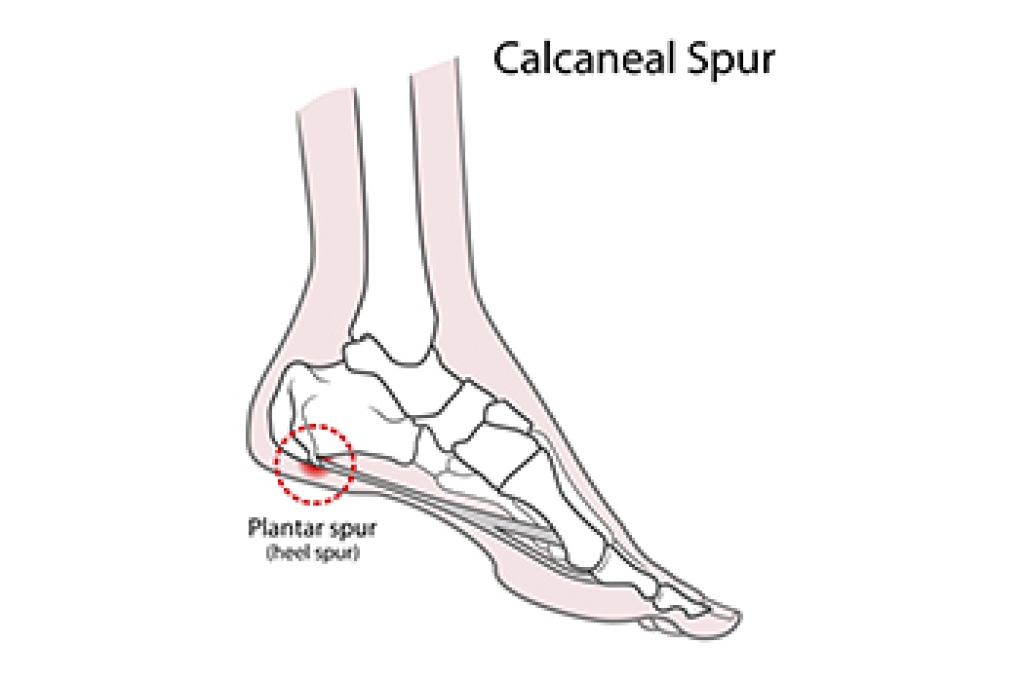
Heel spurs are small, bony growths caused by excessive calcium deposits forming on the heel of the foot. These can grow on the bottom of the heel or the heel bone where the plantar fascia ligament attaches the heel to the toes. This connective tissue keeps the foot in a comfortable arch position, but a heel spur can damage the fibrous tissue and it will not be able to perform its job. In addition to causing every step one takes to be painful, heel spurs can cause long-term foot problems. Trying to purchase shoes that accommodate heel spurs can be an overwhelming task, yet it is imperative to wear proper footwear. When choosing footwear to alleviate pain and prevent further damage from heel spurs, it is crucial to look for shoes with firm rearfoots or backs of shoes. These are less apt to bend during movement and thus provide more support to the heel. Shoes should also have additional cushioning and a flexible forefoot that bends and stretches easily with movement. If you suffer from heel spurs, consult with a podiatrist who can help you with treating this condition, as well as suggest the best footwear to help with pain and prevention.

Heel spurs can be incredibly painful and sometimes may make you unable to participate in physical activities. To get medical care for your heel spurs, contact one of our podiatrists from David A. Scalzo, DPM, PC and Associates. Our doctors will do everything possible to treat your condition.

Heels Spurs

Heel spurs are formed by calcium deposits on the back of the foot where the heel is. This can also be caused by small fragments of bone breaking off one section of the foot, attaching onto the back of the foot. Heel spurs can also be bone growth on the back of the foot and may grow in the direction of the arch of the foot.

Older individuals usually suffer from heel spurs and pain sometimes intensifies with age. One of the main condition's spurs are related to is plantar fasciitis.

Pain

The pain associated with spurs is often because of weight placed on the feet. When someone is walking, their entire weight is concentrated on the feet. Bone spurs then have the tendency to affect other bones and tissues around the foot. As the pain continues, the feet will become tender and sensitive over time.

Treatments

There are many ways to treat heel spurs. If one is suffering from heel spurs in conjunction with pain, there are several methods for healing. Medication, surgery, and herbal care are some options.

If you have any questions, please feel free to contact our office located in Duryea, PA . We offer the newest diagnostic and treatment technologies for all your foot care needs.

Read more about How to Treat Heel Spurs

Differences Between Corns and Calluses on the Feet

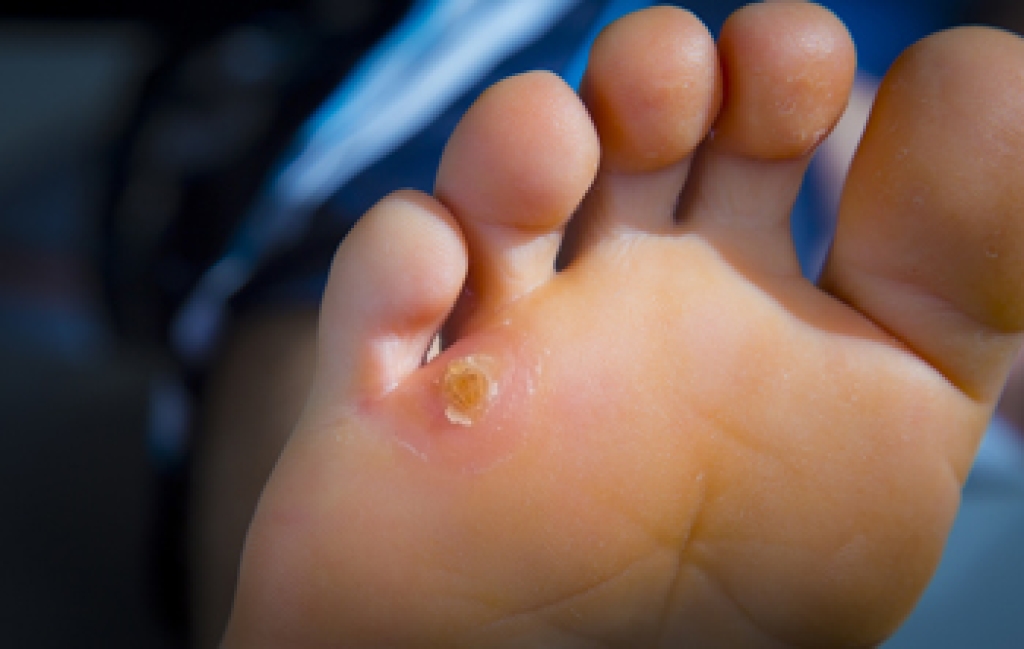
Some people use the terms corns and calluses interchangeably, but they are different. A corn is a small, well-defined area of thickened skin that has a hard center core and is surrounded by inflamed skin. It can develop on various parts of the foot, from the sole to the pinky toe, tops of the toes, and between toes. Corns typically develop to protect the skin from excess pressure or friction, often from ill-fitting shoes. Usually, a corn is painful when pressed. A callus is generally not painful when pressed and covers a wider area developing where the feet bear a lot of weight, like the soles. It consists of thick, hard skin throughout the affected area and may not have a defined shape. If you have corns or calluses, it is a good idea to consult with a podiatrist who can provide treatment options for both conditions.

If you have any concerns regarding your feet and ankles, contact one of our podiatrists of David A. Scalzo, DPM, PC and Associates. Our doctors will treat your foot and ankle needs.

Corns: What Are They? and How Do You Get Rid of Them?
Corns can be described as areas of the skin that have thickened to the point of becoming painful or irritating. They are often layers and layers of the skin that have become dry and rough, and are normally smaller than calluses.

Ways to Prevent Corns
There are many ways to get rid of painful corns such as wearing:

  • Well-fitting socks
  • Comfortable shoes that are not tight around your foot
  • Shoes that offer support

Treating Corns
Treatment of corns involves removing the dead skin that has built up in the specific area of the foot. Consult with Our doctors to determine the best treatment option for your case of corns.

If you have any questions, please feel free to contact our office located in Duryea, PA . We offer the newest diagnostic and treatment technologies for all your foot care needs.

Read more about Everything You Need to Know About Corns

Effective Foot Care Practices May Help Diabetic Feet

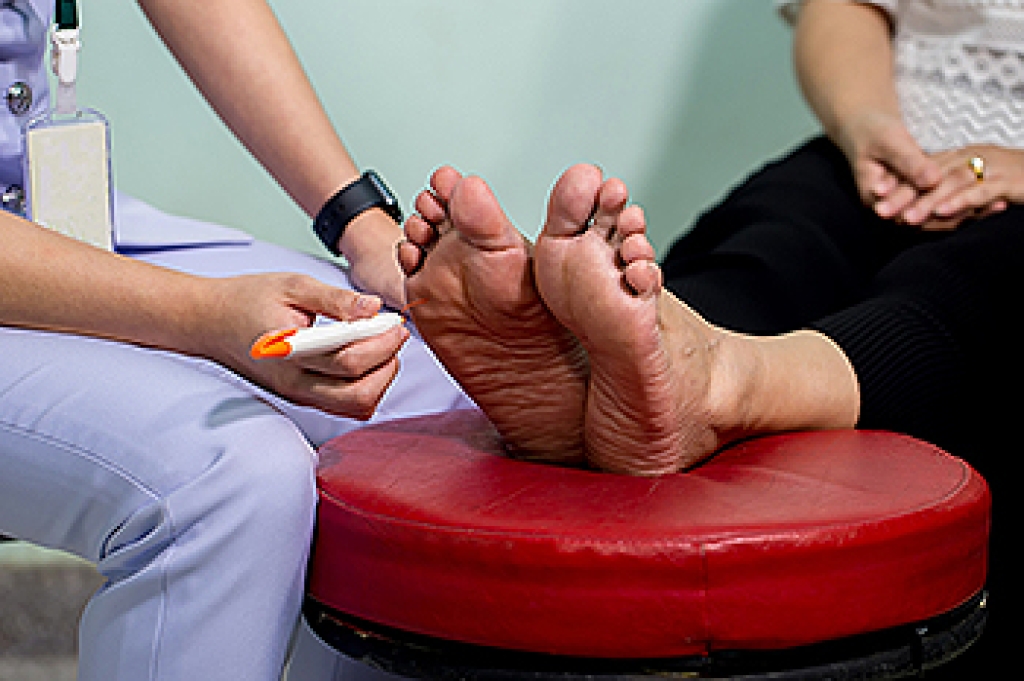
Taking a walk through a park or hiking on a trail may be a normal activity for most people, and the feet are often taken for granted. Diabetic patients may not be able to experience these types of events, and completing everyday tasks may be difficult. This is a result of elevated blood sugar levels which may cause damage to the nerves and blood vessels. People who have diabetes may lose the ability to feel wounds on their feet, and existing cuts may develop into diabetic foot ulcers. It is essential for people who are afflicted with diabetes to take proper care of their feet, and this generally begins with washing and drying the feet daily. The feet will feel more comfortable when shoes that are worn fit properly, and nails are trimmed correctly on a weekly basis. There are diabetic patients who have professions that require work boots to be worn, and it is suggested that two pairs of socks are worn. This may provide additional protection to the toes as they rub against the top of the shoe. It is strongly urged that diabetic patients are under the care of a podiatrist who can treat any existing problems, and offer effective management tips.

Diabetic foot care is important in preventing foot ailments such as ulcers. If you are suffering from diabetes or have any other concerns about your feet, contact one of our podiatrists from David A. Scalzo, DPM, PC and Associates. Our doctors can provide the care you need to keep you pain-free and on your feet.

Diabetic Foot Care

Diabetes affects millions of people every year. The condition can damage blood vessels in many parts of the body, especially the feet. Because of this, taking care of your feet is essential if you have diabetes, and having a podiatrist help monitor your foot health is highly recommended.

The Importance of Caring for Your Feet

  • Routinely inspect your feet for bruises or sores.
  • Wear socks that fit your feet comfortably.
  • Wear comfortable shoes that provide adequate support.

Patients with diabetes should have their doctor monitor their blood levels, as blood sugar levels play such a huge role in diabetic care. Monitoring these levels on a regular basis is highly advised.

It is always best to inform your healthcare professional of any concerns you may have regarding your feet, especially for diabetic patients. Early treatment and routine foot examinations are keys to maintaining proper health, especially because severe complications can arise if proper treatment is not applied.

If you have any questions, please feel free to contact our office located in Duryea, PA . We offer the newest diagnostic and treatment technologies for all your foot care needs.

Read more about Diabetic Foot Conditions

Connect With Us