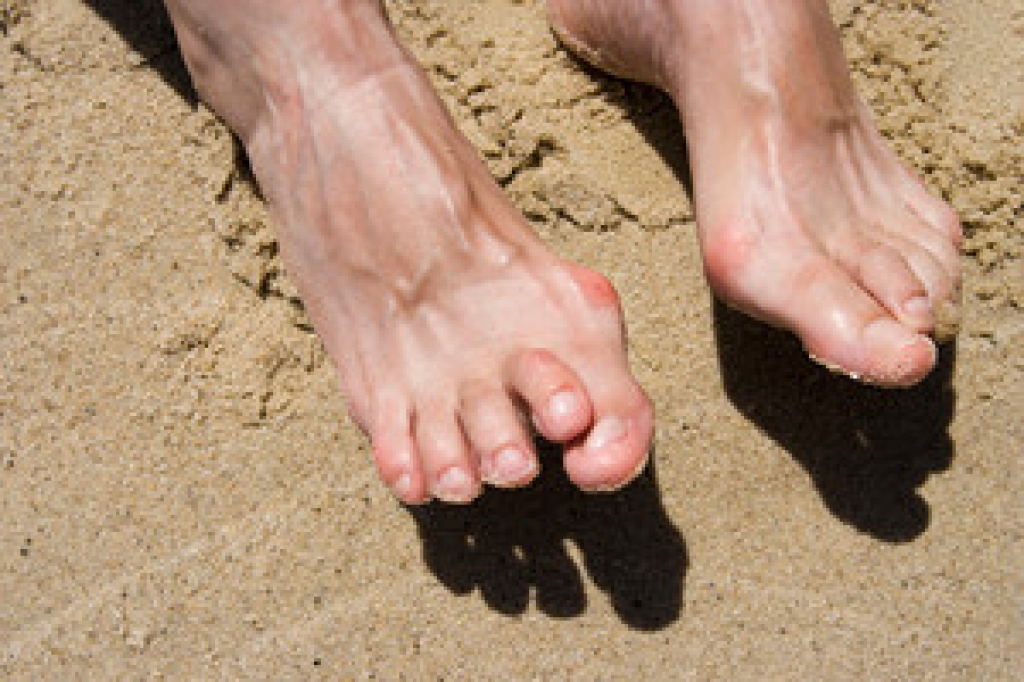
What are Signs of Hammertoe?

Hammertoe is a condition in which the joints of a toe become deformed, causing the toe to bend abnormally downward. This condition generally affects the second toe, but can occur in the third, fourth, or pinky toes. The hammertoe may be flexible or rigid. Signs that indicate you have developed a hammertoe can include pain at the top of the toe due to pressure from your shoes, pain at the base of the toe, corns on top of the toe, redness and swelling, and a decreased range of motion in the affected toe. Treatments depend on the severity of the hammertoe and can include conservative measures, such as wearing specialized foot pads or shoe inserts. In more severe cases surgery may be necessary. If you suspect that you have a hammertoe, it is recommended that you visit a podiatrist for proper care and treatment.

Hammertoes can be a painful condition to live with. For more information, contact one of our podiatrists of David A. Scalzo, DPM, PC and Associates. Our doctors will answer any of your foot- and ankle-related questions.

Hammertoe

Hammertoe is a foot deformity that occurs due to an imbalance in the muscles, tendons, or ligaments that normally hold the toe straight. It can be caused by the type of shoes you wear, your foot structure, trauma, and certain disease processes.

Symptoms

  • Painful and/or difficult toe movement
  • Swelling
  • Joint stiffness
  • Calluses/Corns
  • Physical deformity

Risk Factors

  • Age – The risk of hammertoe increases with age
  • Sex – Women are more likely to have hammertoe compared to men
  • Toe Length – You are more likely to develop hammertoe if your second toe is longer than your big toe
  • Certain Diseases – Arthritis and diabetes may make you more likely to develop hammertoe

Treatment

If you have hammertoe, you should change into a more comfortable shoe that provides enough room for your toes. Exercises such as picking up marbles may strengthen and stretch your toe muscles. Nevertheless, it is important to seek assistance from a podiatrist in order to determine the severity of your hammertoe and see which treatment option will work best for you.

If you have any questions, please feel free to contact our offices located in Duryea and Bangor, PA . We offer the newest diagnostic and treatment technologies for all your foot care needs.

Read more about Hammertoe

Treatment Options for Ingrown Toenails

Ingrown toenails can range from mildly uncomfortable to severely painful and infected. For more advanced cases, a podiatrist may lift and trim the ingrown portion of the nail or perform a partial nail removal to relieve pressure and allow proper healing. If the problem is recurrent, a procedure can be done to remove part of the nail root using a chemical or laser to prevent regrowth in that area. In cases of severe infection or persistent ingrowth, full nail removal may be recommended. These treatments aim to reduce pain, prevent infection, and correct nail growth. If left untreated, an ingrown toenail can lead to deeper infection and more serious complications. If you have a persistent ingrown toenail, it is suggested that you see a podiatrist for a diagnosis and treatment that best suits your condition.

Ingrown toenails may initially present themselves as a minor discomfort, but they may progress into an infection in the skin without proper treatment. For more information about ingrown toenails, contact one of our podiatrists of David A. Scalzo, DPM, PC and Associates. Our doctors can provide the care you need to keep you pain-free and on your feet.

Ingrown Toenails

Ingrown toenails are caused when the corner or side of a toenail grows into the soft flesh surrounding it. They often result in redness, swelling, pain, and in some cases, infection. This condition typically affects the big toe and may recur if it is not treated properly.

Causes

  • Improper toenail trimming
  • Genetics
  • Improper shoe fitting
  • Injury from pedicures or nail picking
  • Abnormal gait
  • Poor hygiene

You are more likely to develop an ingrown toenail if you are obese, have diabetes, arthritis, or have any fungal infection in your nails. Additionally, people who have foot or toe deformities are at a higher risk of developing an ingrown toenail.

Symptoms

Some symptoms of ingrown toenails are redness, swelling, and pain. In rare cases, there may be a yellowish drainage coming from the nail.

Treatment

Ignoring an ingrown toenail can have serious complications. Infections of the nail border can progress to a deeper soft-tissue infection, which can then turn into a bone infection. You should always speak with your podiatrist if you suspect you have an ingrown toenail, especially if you have diabetes or poor circulation.

If you have any questions, please feel free to contact our offices located in Duryea and Bangor, PA . We offer the newest diagnostic and treatment technologies for all your foot care needs.

Read more about Ingrown Toenail Care

Proper Care Is Essential for Puncture Wounds

Puncture wounds in the feet may appear minor at first, but they require prompt professional attention because of the risk for serious complications. Puncture wounds are commonly caused by stepping on objects like nails, glass, or thorns, while barefoot or wearing flip-flops that allow penetration. The depth and location of the wound play a major role in determining possible damage, which may include harm to tendons, ligaments, or joints. Infections such as cellulitis or abscesses can develop, and in some cases, a bone infection known as osteomyelitis may occur. Symptoms might not always be immediate, as some patients notice worsening pain, swelling, or drainage days to weeks after the initial injury. A podiatrist can assess the wound thoroughly, order imaging to check for foreign bodies, and provide treatment that may include wound care, antibiotics, or surgery to prevent further complications. If you have a puncture foot wound, it is suggested that you make an immediate appointment with a podiatrist for a diagnosis and treatment.

Wound care is an important part in dealing with diabetes. If you have diabetes and a foot wound or would like more information about wound care for diabetics, consult with one of our podiatrists from David A. Scalzo, DPM, PC and Associates. Our doctors will assess your condition and provide you with quality foot and ankle treatment.

What Is Wound Care?

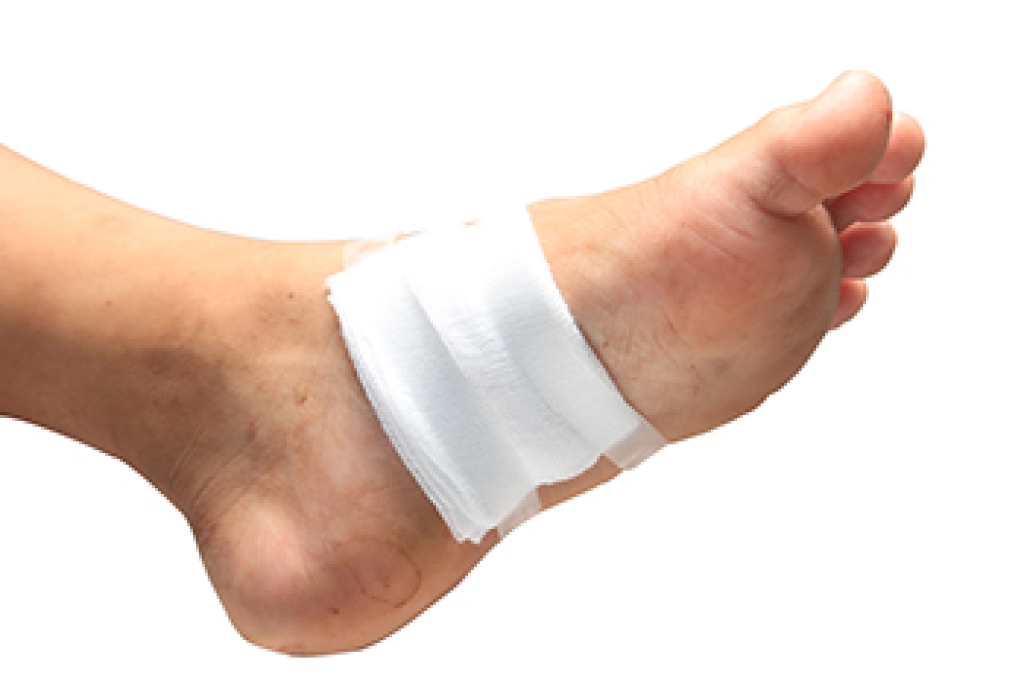
Wound care is the practice of taking proper care of a wound. This can range from the smallest to the largest of wounds. While everyone can benefit from proper wound care, it is much more important for diabetics. Diabetics often suffer from poor blood circulation which causes wounds to heal much slower than they would in a non-diabetic. 

What Is the Importance of Wound Care?

While it may not seem apparent with small ulcers on the foot, for diabetics, any size ulcer can become infected. Diabetics often also suffer from neuropathy, or nerve loss. This means they might not even feel when they have an ulcer on their foot. If the wound becomes severely infected, amputation may be necessary. Therefore, it is of the upmost importance to properly care for any and all foot wounds.

How to Care for Wounds

The best way to care for foot wounds is to prevent them. For diabetics, this means daily inspections of the feet for any signs of abnormalities or ulcers. It is also recommended to see a podiatrist several times a year for a foot inspection. If you do have an ulcer, run the wound under water to clear dirt from the wound; then apply antibiotic ointment to the wound and cover with a bandage. Bandages should be changed daily and keeping pressure off the wound is smart. It is advised to see a podiatrist, who can keep an eye on it.

If you have any questions please contact our offices located in Duryea and Bangor, PA . We offer the newest diagnostic and treatment technologies for all your foot and ankle needs.

Read more about Wound Care

Understanding Edema During Pregnancy

Edema, the medical term for swelling, is caused by excess fluid trapped in the body’s tissues, most commonly affecting the feet, ankles, and legs. During pregnancy, edema is often the result of hormonal changes, increased blood volume, and the growing uterus, which places pressure on blood vessels, slowing circulation. While mild swelling is common, significant or sudden edema can increase risks of discomfort, reduced mobility, or, in rare cases, indicate more serious conditions like preeclampsia. A podiatrist can provide supportive care by recommending proper footwear, compression options, and safe strategies to reduce swelling and maintain comfort. If you are experiencing persistent foot pain or swelling during pregnancy, it is suggested that you consult a podiatrist who can offer effective relief and management tips. 

Pregnant women with swollen feet can be treated with a variety of different methods that are readily available. For more information about other cures for swollen feet during pregnancy, consult with one of our podiatrists from David A. Scalzo, DPM, PC and Associates. Our doctors will attend to all of your foot and ankle needs.

What Foot Problems Can Arise During Pregnancy?

One problem that can occur is overpronation, which occurs when the arch of the foot flattens and tends to roll inward.  This can cause pain and discomfort in your heels while you’re walking or even just standing up, trying to support your baby.  

Another problem is edema, or swelling in the extremities. This often affects the feet during pregnancy but tends to occur in the later stages. 

How Can I Keep My Feet Healthy During Pregnancy?

  • Wearing orthotics can provide extra support for the feet and help distribute weight evenly
  • Minimize the amount of time spent walking barefoot
  • Wear shoes with good arch support
  • Wear shoes that allow for good circulation to the feet
  • Elevate feet if you experience swelling
  • Massage your feet
  • Get regular, light exercise, such as walking, to promote blood circulation to the feet

If you have any questions, please feel free to contact our offices located in Duryea and Bangor, PA . We offer the newest diagnostic and treatment technologies for all your foot care needs.

Read more about Foot Care for Pregnant Women

Running and Pain on the Outside of the Foot

Pain on the outside of the foot after running can result from several conditions. Stress fractures may develop from repetitive impact, while peroneal tendonitis occurs when the tendons along the outer ankle and foot become irritated. Cuboid syndrome involves joint misalignment in the midfoot, and arthritis can cause stiffness and inflammation. Additionally, friction blisters may also appear from wearing ill-fitting shoes or prolonged running. Each of these issues can interfere with performance and daily comfort, if left untreated. A podiatrist can identify the cause, provide targeted treatment, and recommend proper footwear or training adjustments. If running leaves you with persistent outer foot pain, it is suggested that you promptly schedule an appointment with a podiatrist today who can provide effective relief and treatment tips.

Foot Pain

Foot pain can be extremely painful and debilitating. If you have a foot pain, consult with one of our podiatrists  from David A. Scalzo, DPM, PC and Associates. Our doctors will assess your condition and provide you with quality foot and ankle treatment.

Causes

Foot pain is a very broad condition that could be caused by one or more ailments. The most common include:

  • Bunions
  • Hammertoes
  • Plantar Fasciitis
  • Bone Spurs
  • Corns
  • Tarsal Tunnel Syndrome
  • Ingrown Toenails
  • Arthritis (such as Gout, Rheumatoid, and Osteoarthritis)
  • Flat Feet
  • Injury (from stress fractures, broken toe, foot, ankle, Achilles tendon ruptures, and sprains)
  • And more

Diagnosis

To figure out the cause of foot pain, podiatrists utilize several different methods. This can range from simple visual inspections and sensation tests to X-rays and MRI scans. Prior medical history, family medical history, and any recent physical traumatic events will all be taken into consideration for a proper diagnosis.

Treatment

Treatment depends upon the cause of the foot pain. Whether it is resting, staying off the foot, or having surgery; podiatrists have a number of treatment options available for foot pain.

If you have any questions, please feel free to contact our offices located in Duryea and Bangor, PA . We offer the newest diagnostic and treatment technologies for all your foot care needs.

Read more about Foot Pain

Connect With Us