Common Foot Problems Among Seniors

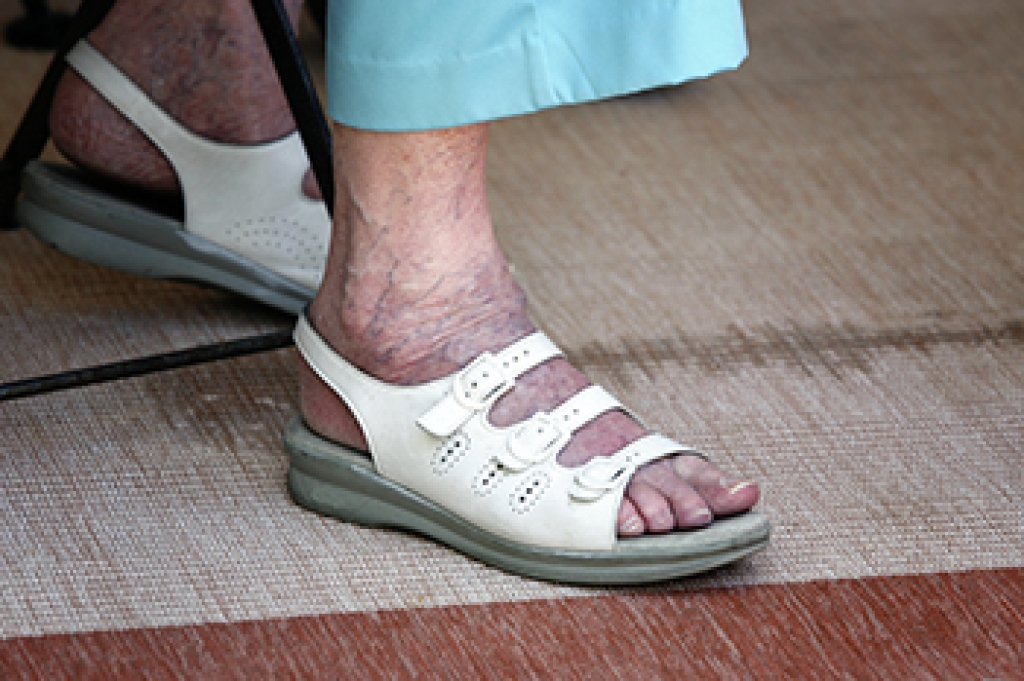
About one-third of people over the age of 65 have foot problems that affect their daily lives. Some of these are simply the result of 65 years of standing, walking, running, and jumping. Joints stiffen, muscles get tired, arches flatten, heel padding thins out, and ligaments loosen. According to the American Geriatric Society, podiatrists see more older patients than any other age group. Underlying health conditions, such as diabetes, heart disease, and arthritis, often contribute to developing foot ailments like neuropathy and peripheral artery disease. Among the most common foot problems in seniors are deformities such as bunions and hammertoes. In addition, as everyday foot care becomes either more difficult or less frequent, seniors are more likely to develop ingrown toenails, corns, and calluses. Other common foot problems include gout, cracked heels, and plantar fasciitis. It is a good idea for seniors to make regular appointments with a podiatrist, who can help to treat and monitor any foot problems.  

Proper foot care is something many older adults forget to consider. If you have any concerns about your feet and ankles, contact one of our podiatrists from David A. Scalzo, DPM, PC and Associates. Our doctors can provide the care you need to keep you pain-free and on your feet.

The Elderly and Their Feet

As we age we start to notice many changes in our body, but the elder population may not notice them right away. Medical conditions may prevent the elderly to take notice of their foot health right away. Poor vision is a lead contributor to not taking action for the elderly.

Common Conditions 

  • Neuropathy – can reduce feeling in the feet and can hide many life-threatening medical conditions.
  • Reduced flexibility – prevents the ability of proper toenail trimming, and foot cleaning. If left untreated, it may lead to further medical issues.
  • Foot sores – amongst the older population can be serious before they are discovered. Some of the problematic conditions they may face are:
  • Gouging toenails affecting nearby toe
  • Shoes that don’t fit properly
  • Pressure sores
  • Loss of circulation in legs & feet
  • Edema & swelling of feet and ankles

Susceptible Infections

Diabetes and poor circulation can cause general loss of sensitivity over the years, turning a simple cut into a serious issue.

If you have any questions, please feel free to contact our offices located in Duryea and Bangor, PA . We offer the newest diagnostic and treatment technologies for all your foot care needs.

Read more about Elderly and their Feet

Facts About Charcot-Marie-Tooth Disease

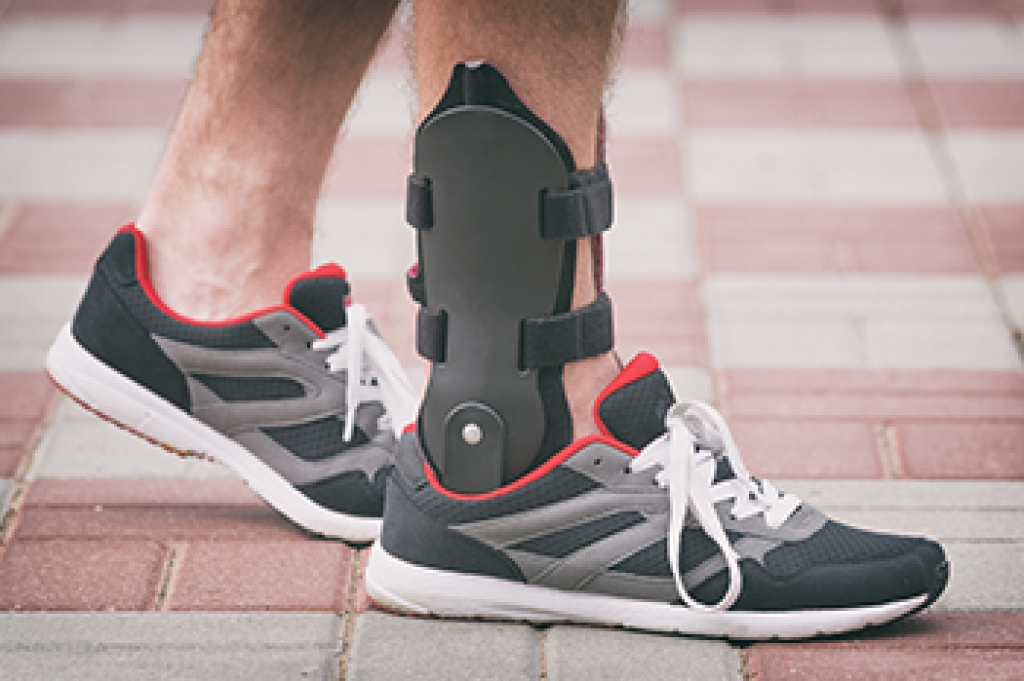
Charcot-Marie-Tooth disease, CMT,  is an inherited nerve condition that attacks muscles in the feet, legs, arms, and hands. The disease, which is named after the three doctors who first described it, is progressive and incurable. It is thought to be caused by a disorder in a particular gene that controls the peripheral nervous system. In short, the peripheral nerves have trouble sending the correct messages to the extremities. Symptoms often are noticed in the feet and legs first, causing weakness and balance problems. Often, sufferers may think they are clumsy or accident-prone. Charcot-Marie-Tooth disease also causes the ankles to become weakened. This further affects the gait, and falling is prevalent. A visit to a podiatrist for an examination and diagnosis is suggested, because there are some ways to treat the symptoms. People with CMT can benefit from custom shoes and leg braces, along with other walking aids to improve mobility and balance. In some cases, surgery can correct bone abnormalities. For more information, contact a podiatrist.  

Some foot conditions may require additional professional care. If you have any concerns, contact one of our podiatrists of David A. Scalzo, DPM, PC and Associates. Our doctors can provide the care you need to keep you pain-free and on your feet.

Rare Foot Conditions

The majority of foot conditions are common and can be treated by a podiatrist.  Standard diagnostic procedures are generally used to identify specific conditions and treatment can be rendered. A podiatrist also treats rare foot conditions which can be difficult to diagnose and may need extra attention and care. 

There are many rare foot conditions that can affect children. Some of these can include:

  • Freiberg’s disease
  • Kohler’s disease
  • Maffucci syndrome

Freiberg’s disease - This can be seen as a deterioration and flattening of a metatarsal bone that exists in the ball of the foot. It typically affects pre-teen and teenage girls, but can affect anyone at any age. Symptoms that can accompany this can be swelling, stiffness, and the patient may limp. 

Kohler’s disease - This often targets the bone in the arch of the foot and affects younger boys. It can lead to an interruption of the blood supply which ultimately can lead to bone deterioration. The patient may limp or experience tenderness, swelling, and redness.

Maffucci syndrome - This affects the long bones in a child’s foot leading to the development of abnormal bone lesions. They are benign growths and typically develop in early childhood and the bones may be susceptible to breaking. 

A podiatrist can properly diagnose and treat all types of rare foot conditions. If your child is affected by any of these symptoms or conditions, please don’t hesitate to call our office so the correct treatment method can begin.

If you have any questions, please feel free to contact our offices located in Duryea and Bangor, PA . We offer the newest diagnostic and treatment technologies for all your foot care needs.

Read more about Rare Foot Conditions

Do You Suffer From Painful Feet?

Painful deformities, such as hammertoes, can be treated. Stop living with foot pain, and have beautiful feet again!

Dealing With Plantar Fasciitis

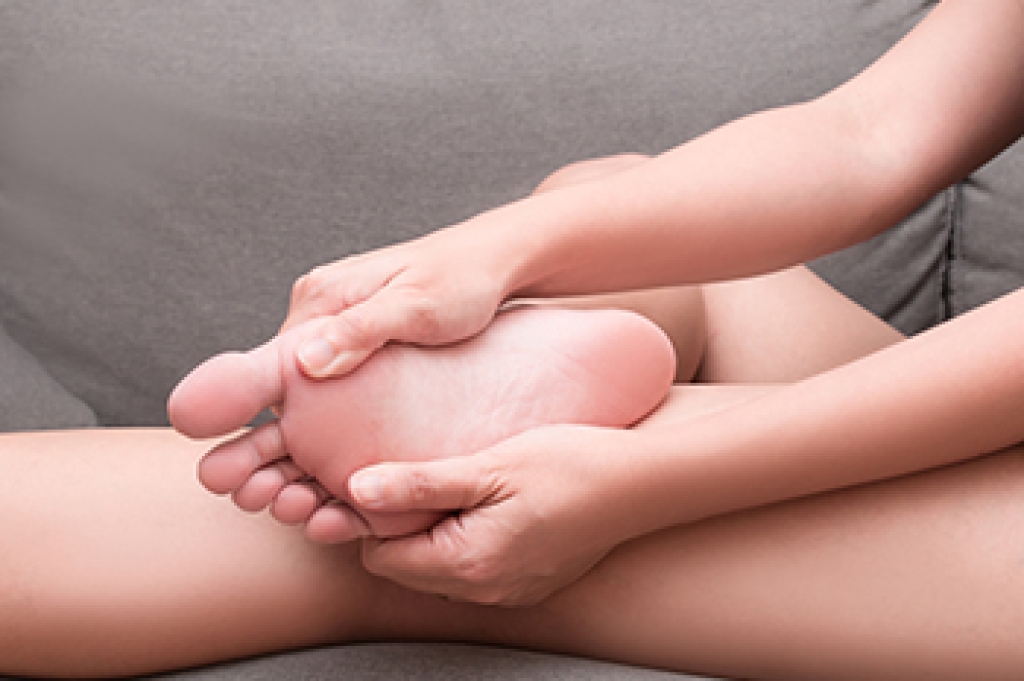
Plantar fasciitis is an inflammation of the thick band of tissue that runs from the toes to the heel under the foot. Known as the plantar fascia, this tissue is more likely to become damaged if you are middle-aged, overweight, or have a job that requires you to be on your feet for long periods. Plantar fasciitis is the most common cause of heel pain. It occurs mainly from overuse and is especially common among runners and other athletes that continually pound their feet on hard surfaces. Many people can reduce or even eliminate the effects of plantar fasciitis by resting, icing, and massaging the feet for 20 minutes a day. Other tips include wearing shoes with ample cushioning in the heel and arch support. A number of simple exercises can prove helpful in reducing the pain from plantar fasciitis. If these simple measures don’t work, please consult a podiatrist for a diagnosis and options for more advanced treatment.  

Plantar fasciitis is a common foot condition that is often caused by a strain injury. If you are experiencing heel pain or symptoms of plantar fasciitis, contact one of our podiatrists from David A. Scalzo, DPM, PC and Associates. Our doctors can provide the care you need to keep you pain-free and on your feet.

What Is Plantar Fasciitis?

Plantar fasciitis is one of the most common causes of heel pain. The plantar fascia is a ligament that connects your heel to the front of your foot. When this ligament becomes inflamed, plantar fasciitis is the result. If you have plantar fasciitis you will have a stabbing pain that usually occurs with your first steps in the morning. As the day progresses and you walk around more, this pain will start to disappear, but it will return after long periods of standing or sitting.

What Causes Plantar Fasciitis?

  • Excessive running
  • Having high arches in your feet
  • Other foot issues such as flat feet
  • Pregnancy (due to the sudden weight gain)
  • Being on your feet very often

There are some risk factors that may make you more likely to develop plantar fasciitis compared to others. The condition most commonly affects adults between the ages of 40 and 60. It also tends to affect people who are obese because the extra pounds result in extra stress being placed on the plantar fascia.

Prevention

  • Take good care of your feet – Wear shoes that have good arch support and heel cushioning.
  • Maintain a healthy weight
  • If you are a runner, alternate running with other sports that won’t cause heel pain

There are a variety of treatment options available for plantar fasciitis along with the pain that accompanies it. Additionally, physical therapy is a very important component in the treatment process. It is important that you meet with your podiatrist to determine which treatment option is best for you.

If you have any questions, please feel free to contact our offices located in Duryea and Bangor, PA . We offer the newest diagnostic and treatment technologies for all your foot care needs.
 

Read more about Plantar Fasciitis

What Does Sesamoiditis Feel Like?

Sesamoiditis is a foot condition that you might have heard of. It can occur in an individual when the two small sesamoid bones in the ball of the foot become inflamed. Interestingly, these two bones do not directly connect to any other bones. Rather, the sesamoid bones connect to tendons and muscles. When an individual has sesamoiditis, they may feel any number of symptoms. Most commonly, a patient might feel some kind of pain in the forefoot. This pain may be especially pronounced when putting weight on the feet. Additionally, a patient with sesamoiditis may unintentionally shift the weight of their body to the outside of their feet to avoid putting weight on the sesamoids when walking. These are just some of the many different symptoms that patients with sesamoiditis might demonstrate. Contact your podiatrist today for more information. 

Sesamoiditis is an unpleasant foot condition characterized by pain in the balls of the feet. If you think you’re struggling with sesamoiditis, contact one of our podiatrists of David A. Scalzo, DPM, PC and Associates. Our doctors will treat your condition thoroughly and effectively.

Sesamoiditis

Sesamoiditis is a condition of the foot that affects the ball of the foot. It is more common in younger people than it is in older people. It can also occur with people who have begun a new exercise program, since their bodies are adjusting to the new physical regimen. Pain may also be caused by the inflammation of tendons surrounding the bones. It is important to seek treatment in its early stages because if you ignore the pain, this condition can lead to more serious problems such as severe irritation and bone fractures.

Causes of Sesamoiditis

  • Sudden increase in activity
  • Increase in physically strenuous movement without a proper warm up or build up
  • Foot structure: those who have smaller, bonier feet or those with a high arch may be more susceptible

Treatment for sesamoiditis is non-invasive and simple. Doctors may recommend a strict rest period where the patient forgoes most physical activity. This will help give the patient time to heal their feet through limited activity. For serious cases, it is best to speak with your doctor to determine a treatment option that will help your specific needs.

If you have any questions, please feel free to contact our offices located in Duryea and Bangor, PA . We offer the newest diagnostic and treatment technologies for all your foot care needs.

Read more about Sesamoiditis

Connect With Us