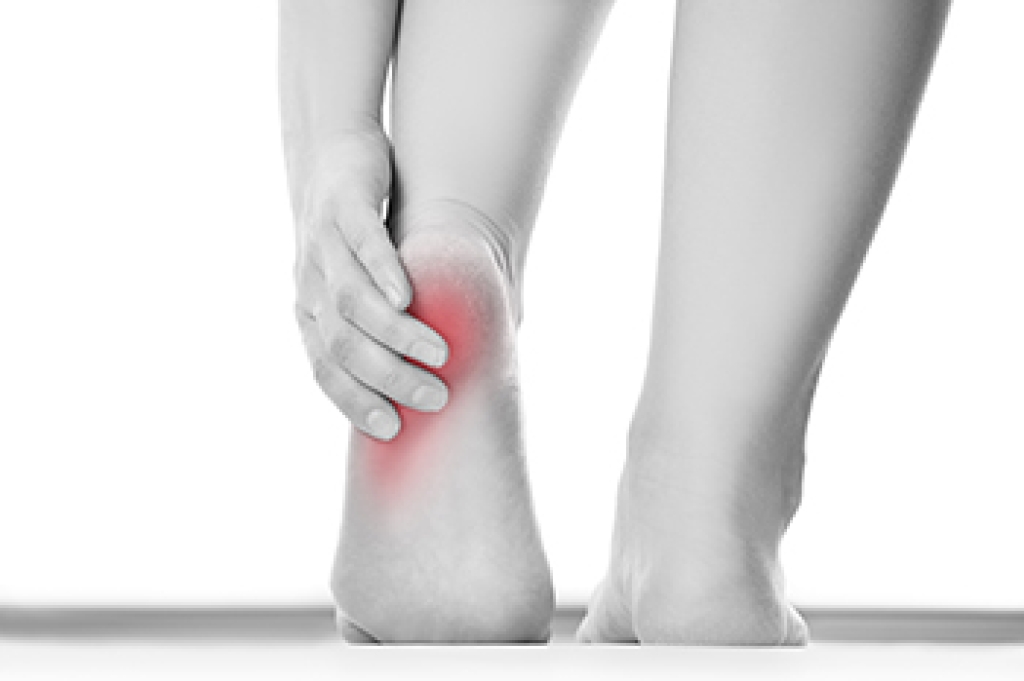
Common Sources of Heel Pain

Heel pain can be a real hindrance, affecting your daily life and mobility. Recognizing symptoms of heel pain helps you identify the cause and find relief. Plantar fasciitis is the most common complaint associated with heel pain. It often causes a sharp pain in the heel, especially in the morning. This condition occurs when the plantar fascia, the tissue connecting your heel bone to your toes, becomes inflamed. Achilles tendinitis results in pain in the back of the heel as the Achilles tendon, which connects the calf muscles to the heel bone, is torn and becomes inflamed. Heel spurs, bony growths on the underside of the heel bone, often accompany conditions like plantar fasciitis and may induce further pain. Bursitis, the inflammation of the bursa sacs around the heel, can lead to pain when walking or wearing tight-fitting shoes. Stress fractures, tiny cracks in the heel bone caused by repetitive stress, result in localized pain. If you're experiencing heel pain, it is suggested that you make an appointment with a podiatrist for an examination and a diagnosis. Then this medically trained foot doctor can formulate a  personalized treatment plan to get you back on your feet pain-free.

Many people suffer from bouts of heel pain. For more information, contact one of our podiatrists of David A. Scalzo, DPM, PC and Associates. Our doctors can provide the care you need to keep you pain-free and on your feet.

Causes of Heel Pain

Heel pain is often associated with plantar fasciitis. The plantar fascia is a band of tissues that extends along the bottom of the foot. A rip or tear in this ligament can cause inflammation of the tissue.

Achilles tendonitis is another cause of heel pain. Inflammation of the Achilles tendon will cause pain from fractures and muscle tearing. Lack of flexibility is also another symptom.

Heel spurs are another cause of pain. When the tissues of the plantar fascia undergo a great deal of stress, it can lead to ligament separation from the heel bone, causing heel spurs.

Why Might Heel Pain Occur?

  • Wearing ill-fitting shoes                
  • Wearing non-supportive shoes
  • Weight change           
  • Excessive running

Treatments

Heel pain should be treated as soon as possible for immediate results. Keeping your feet in a stress-free environment will help. If you suffer from Achilles tendonitis or plantar fasciitis, applying ice will reduce the swelling. Stretching before an exercise like running will help the muscles. Using all these tips will help make heel pain a condition of the past.

If you have any questions, please feel free to contact our office located in Duryea, PA . We offer the newest diagnostic and treatment technologies for all your foot care needs.

Read more about Heel Pain

Causes and Treatment Options for Bunions

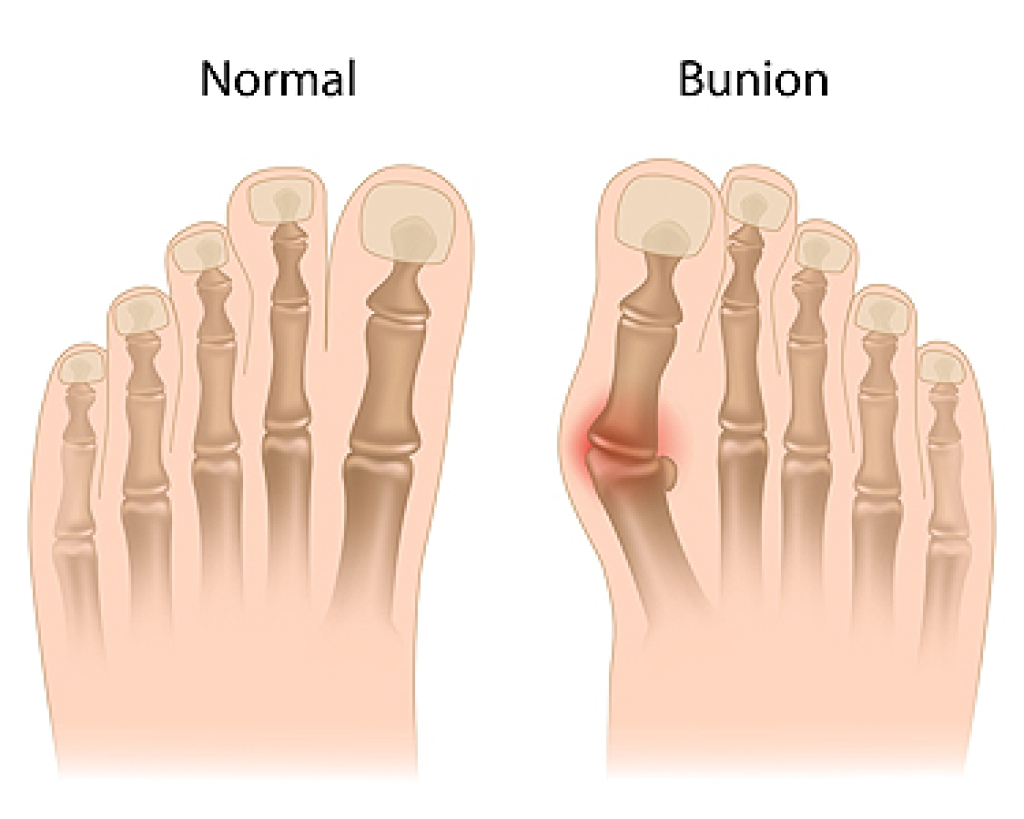
Bunions are bony bumps that form at the base of the big toe and are a common foot condition that can cause pain and discomfort. Bunions typically develop due to a combination of factors. Genetics plays a role, and if bunions run in your family, you may be more susceptible. Wearing ill-fitting shoes, especially those with narrow toe boxes or high heels, can exacerbate the condition. Overpronation, when the foot rolls inward excessively, and certain medical conditions, such as arthritis, can contribute to bunion formation. Symptoms of bunions often include pain, swelling, and redness at the base of the big toe. The big toe may also lean toward the other toes or overlap them. Corns and calluses can develop where the big toe rubs against the adjacent toes. Treatment options for bunions consist of lifestyle changes, including wearing wider and more comfortable shoes, custom orthotics or bunion pads. In more severe cases, surgical intervention may be necessary to realign the toe joint. By understanding bunions and seeking appropriate care from a podiatrist, individuals can effectively manage their symptoms and maintain foot health. If you have developed a bunion, it is strongly suggested that you consult with this type of doctor who can help you to manage this condition.

If you are suffering from bunions, contact one of our podiatrists of David A. Scalzo, DPM, PC and Associates. Our doctors can provide the care you need to keep you pain-free and on your feet.

What Is a Bunion?

A bunion is formed of swollen tissue or an enlargement of boney growth, usually located at the base joint of the toe that connects to the foot. The swelling occurs due to the bones in the big toe shifting inward, which impacts the other toes of the foot. This causes the area around the base of the big toe to become inflamed and painful.

Why Do Bunions Form?

Genetics – Susceptibility to bunions are often hereditary

Stress on the feet – Poorly fitted and uncomfortable footwear that places stress on feet, such as heels, can worsen existing bunions

How Are Bunions Diagnosed?

Podiatrists often perform two tests – blood tests and x-rays – when trying to diagnose bunions, especially in the early stages of development. Blood tests help determine if the foot pain is being caused by something else, such as arthritis, while x-rays provide a clear picture of your bone structure to your provider.

How Are Bunions Treated?

  • Refrain from wearing heels or similar shoes that cause discomfort
  • Select wider shoes that can provide more comfort and reduce pain
  • Anti-inflammatory and pain management drugs
  • Orthotics or foot inserts
  • Surgery

If you have any questions, please feel free to contact our office located in Duryea, PA . We offer the newest diagnostic and treatment technologies for all your foot care needs.
Read more about Bunions

Keep Your Feet Healthy So You Can Stay Active

Have your feet inspected by a professional before starting a new sport or physical activity. Taking charge of your foot health will keep you in good physical condition and can help you avoid a potential injury, such as a fracture or sprained ankle.

Prevent injuries and see a foot specialist.

Causes and Treatment of Gout

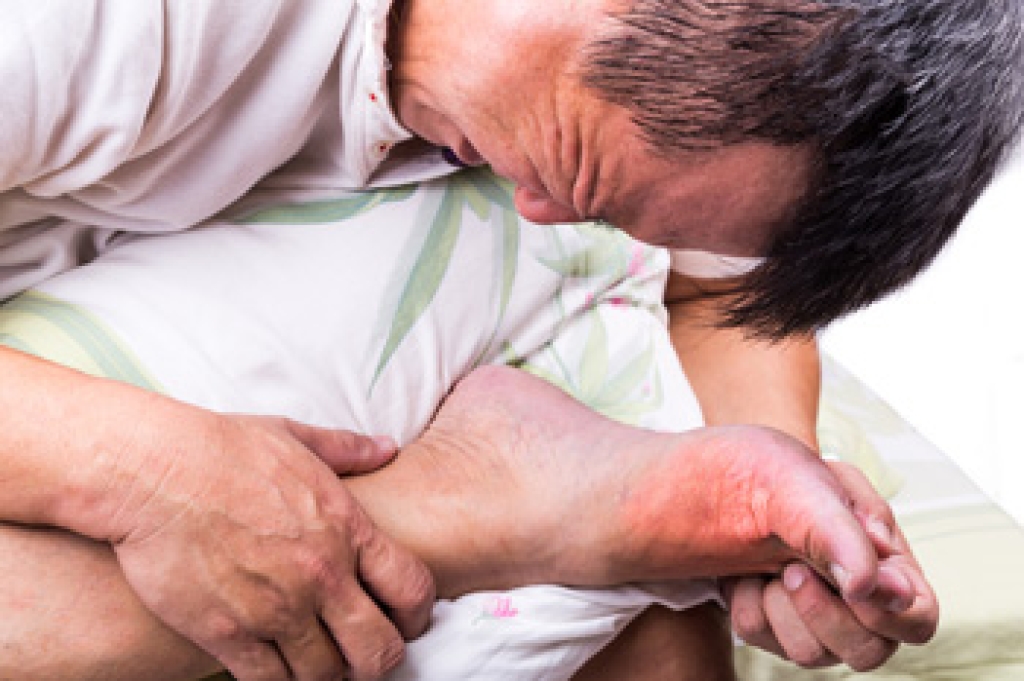
Gout is a form of arthritis caused by the accumulation of uric acid crystals in joints. These crystals, which frequently form primarily in the big toe, can lead to severe pain, inflammation, and ultimately joint damage. Causes of gout include dietary choices of high-purine foods such as red meat, seafood, and alcohol. Additionally, genetics can influence gout susceptibility, and a family history of the condition increases the risk. Medical conditions such as obesity, hypertension, and kidney disease also contribute to gout development. Several treatment options are available to manage gout. Lifestyle adjustments are key, including adopting a low-purine diet, reducing alcohol intake, and maintaining a healthy body weight. Anti-inflammatory drugs and urate-lowering medication, can effectively reduce the strength of symptoms and prevent flare-ups. Resting the affected joint and elevating it can help alleviate pain, while the application of ice during an attack and heat during recovery aids in reducing discomfort. Ignoring this condition can lead to serious joint problems. If you're experiencing gout symptoms, it is suggested that you seek prompt care from a podiatrist. 

Gout is a foot condition that requires certain treatment and care. If you are seeking treatment, contact one of our podiatrists from David A. Scalzo, DPM, PC and Associates. Our doctors will treat your foot and ankle needs.

What Is Gout?

Gout is a type of arthritis caused by a buildup of uric acid in the bloodstream. It often develops in the foot, especially the big toe area, although it can manifest in other parts of the body as well. Gout can make walking and standing very painful and is especially common in diabetics and the obese.

People typically get gout because of a poor diet. Genetic predisposition is also a factor. The children of parents who have had gout frequently have a chance of developing it themselves.

Gout can easily be identified by redness and inflammation of the big toe and the surrounding areas of the foot. Other symptoms include extreme fatigue, joint pain, and running high fevers. Sometimes corticosteroid drugs can be prescribed to treat gout, but the best way to combat this disease is to get more exercise and eat a better diet.

If you have any questions, please feel free to contact our office located in Duryea, PA . We offer the newest diagnostic and treatment technologies for all your foot care needs.
Read more about Everything You Need to Know About Gout

Common Foot Problems in Children

Children's feet are essential for their overall health and development. However, various foot problems can affect children as they grow. Flat feet, or pes planus, is a common condition where the arches on the inside of the feet do not develop fully, making the entire sole touch the ground. While this is normal in infants, it should resolve as they age. Ingrown toenails can cause pain, redness, and swelling, often the result of improper nail trimming or tight shoes. Proper nail care and footwear are key to preventing this issue. Sever's disease, medically termed calcaneal apophysitis, is common in active children between the ages of 8 and 14. It affects the growth plate in the heel and causes heel pain, especially during physical activities. Deformities, such as clubfoot, curly toes or overlapping toes, can be present from birth or develop later. Early intervention can help correct these deformities. Parents may wish to regularly inspect their children's feet and seek the help of a podiatrist for any of these common foot problems. 

The health of a child’s feet is vital to their overall well-being. If you have any questions regarding foot health, contact one of our podiatrists of David A. Scalzo, DPM, PC and Associates. Our doctors can provide the care you need to keep you pain-free and on your feet.

Tips for Keeping Children's Feet Healthy

  • Make sure their shoes fit properly
  • Look for any signs of in-toeing or out-toeing
  • Check to see if they have Clubfoot (condition that affects your child’s foot and ankle, twisting the heel and toes inward) which is one of the most common nonmajor birth defects.
  • Lightly cover your baby’s feet (Tight covers may keep your baby from moving their feet freely, and could prevent normal development)
  • Allow your toddler to go shoeless (Shoes can be restricting for a young child’s foot)
  • Cut toenails straight across to avoid ingrown toenails
  • Keep your child’s foot clean and dry
  • Cover cuts and scrapes. Wash any scratches with soap and water and cover them with a bandage until they’ve healed.

If you have any questions, please feel free to contact our office located in Duryea, PA . We offer the newest diagnostic and treatment technologies for all your foot care needs.

Read more about How to Care for Your Child's Feet

Connect With Us