Heel Pain May Indicate Plantar Fasciitis

The foot condition that is known as plantar fasciitis generally begins as occasional heel pain. Many people tend to ignore this until the pain becomes severe. It is a gradual condition that happens when the plantar fascia becomes inflamed. This is the band of tissue that connects the toes to the heels and can become irritated or torn for various reasons. These include standing on hard surfaces for a good portion of the day and wearing shoes that do not fit correctly. Additionally, it may happen from overuse during running and jumping activities or from increasing speed and mileage too quickly while running. Patients notice the heel pain may be worse after arising in the morning, but may lessen after walking a few steps. Effective prevention tactics can include properly warming up before exercising, maintaining a healthy weight, and wearing shoes that fit correctly. Please consult with a podiatrist at the first sign of heel pain from plantar fasciitis for a diagnosis and treatment plan.

Plantar fasciitis can be very painful and inconvenient. If you are experiencing heel pain or symptoms of plantar fasciitis, contact one of our podiatrists  from David A. Scalzo, DPM, PC and Associates. Our doctors can provide the care you need to keep you pain-free and on your feet.

What Is Plantar Fasciitis?

Plantar fasciitis is the inflammation of the thick band of tissue that runs along the bottom of your foot, known as the plantar fascia, and causes mild to severe heel pain.

What Causes Plantar Fasciitis?

  • Excessive running
  • Non-supportive shoes
  • Overpronation
  • Repeated stretching and tearing of the plantar fascia

How Can It Be Treated?

  • Conservative measures – anti-inflammatories, ice packs, stretching exercises, physical therapy, orthotic devices
  • Shockwave therapy – sound waves are sent to the affected area to facilitate healing and are usually used for chronic cases of plantar fasciitis
  • Surgery – usually only used as a last resort when all else fails. The plantar fascia can be surgically detached from the heel

While very treatable, plantar fasciitis is definitely not something that should be ignored. Especially in severe cases, speaking to your doctor right away is highly recommended to avoid complications and severe heel pain. Your podiatrist can work with you to provide the appropriate treatment options tailored to your condition.

If you have any questions, please feel free to contact our office located in Duryea, PA . We offer the newest diagnostic and treatment technologies for all your foot care needs.

Read more about Plantar Fasciitis

Injury From a Winter Sport? Get the Care You Need

Winter sports can be fun for many – but only with the proper protective gear. Even with the right equipment, however, injuries can happen. If you’ve sustained foot or ankle trauma or a foot or ankle injury, we’re here to help.

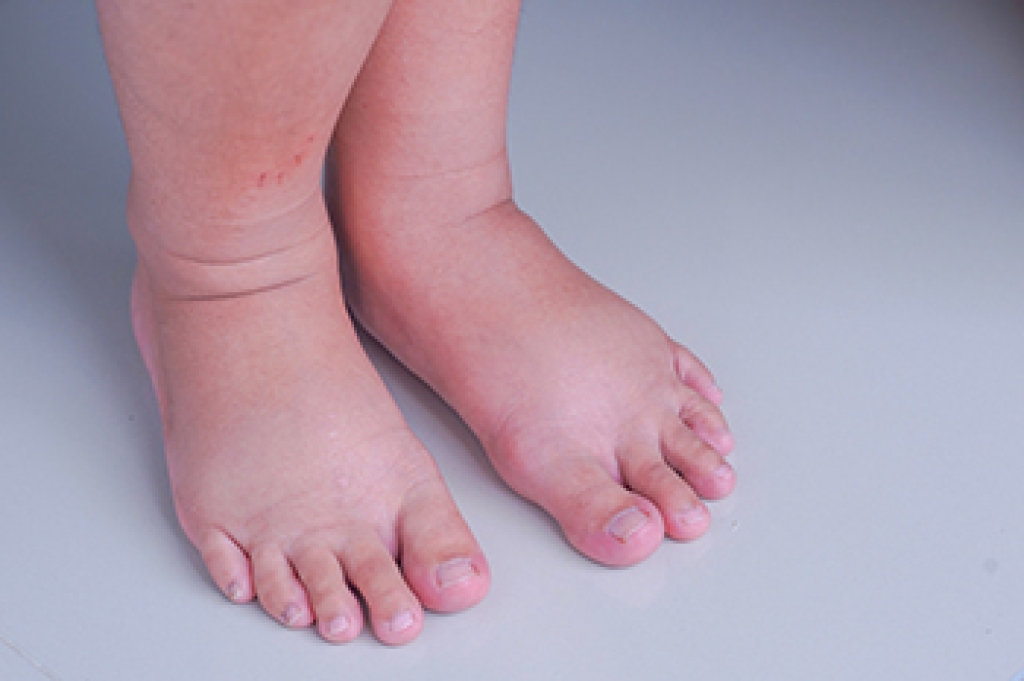
Dehydration and Swollen Feet

Dehydration can cause swollen feet. It can cause constriction of blood vessels, which forces fluid into spaces between cells leading to retention, especially in lower limbs. The kidneys begin to react by retaining sodium and water and fluid builds up in surrounding tissues, leading to swelling. When one is dehydrated, it can cause water weight by retaining fluids. All of this can lead to puffiness, bloating, and discomfort. Drinking more water can help. Experts suggest consuming eight to 10 glasses of water per day. Doing this may seem counter-intuitive but when the body is not hydrated enough, it holds onto the fluid it has. If your legs swell for no apparent reason, and you have leg pain, difficulty breathing, and other emergent symptoms, contact a medical professional immediately. However, if you are experiencing foot pain, chances are that you are not drinking enough water. If your feet are swollen and uncomfortable and you want to learn more about how to prevent this from happening, seek the counsel of a podiatrist, who can evaluate your situation and provide recommendations.

Swollen feet can be a sign of an underlying condition. If you have any concerns, contact one of our podiatrists of David A. Scalzo, DPM, PC and Associates. Our doctors can provide the care you need to keep you pain-free and on your feet.

Swollen feet are a common ailment among pregnant women and people who stand or sit for extended periods. Aging may increase the possibility of swollen feet and patients who are obese often notice when their feet are swelling too. There may be medical reasons why swollen feet occur:

  • Phlebitis - A condition that causes the veins to become inflamed and can also cause leg pain.
  • Liver disease - This may lead to low blood levels of albumin which is a protein. This can cause fluid in the blood to pass into the tissues and several areas of the body can become swollen.
  • Heart failure - When the heart doesn’t pump properly the blood that is normally pumped back to the heart can pool in the veins of the legs causing swollen feet.
  • Kidney disease - One of the main functions of the kidneys is releasing excess fluid in the body. This type of condition can make it difficult for the kidneys to function properly, and as a result the feet may become swollen.
  • Deep-vein thrombosis (DVT)- This is a serious condition where blood clots form in the veins of the legs. They can block the return of blood from the legs to the heart which may cause the feet to swell. It is important to be treated by a podiatrist if this condition is present.

Swollen feet can also be caused by bone and tendon conditions, including fractures, arthritis, and tendinitis. Additionally, there may be skin and toenail conditions and an infection may cause the feet to swell. Patients who take medicine to treat high blood pressure may be prone to getting swollen feet. 

Many patients elevate their feet to help relieve the swelling and this is generally a temporary remedy. When a podiatrist is consulted the reason behind the swelling can be uncovered and subsequently treated.

If you have any questions please contact our office located in Duryea, PA . We offer the newest diagnostic and treatment technologies for all your foot and ankle needs.

Read more about Swelling of the Feet

Types and Causes of Bunions

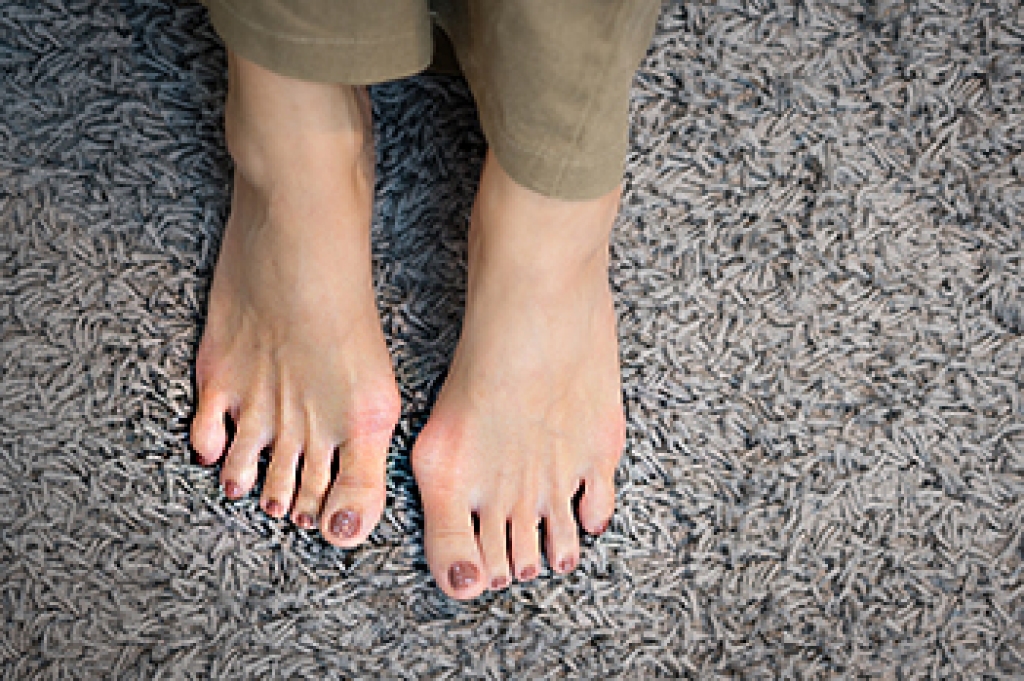
Bunions, which are deformities in the toes, can be extremely painful. Most bunions occur on the big toe, forcing the bottom of the toe out and the tip of the toe inward toward the other toes. Another type of bunion is termed a bunionette, which causes the same effect, only this time it occurs on the little toe. Most people develop bunions because of a genetic predisposition to the deformity. The development of a bunion can be made worse by external factors. Among them is wearing shoes that are too tight or too small. Any footwear that pushes the toes inward may increase pressure on an already unstable toe joint. Some people with high arches are prone to developing bunions, as are those with flat feet. In some cases, ligaments in the toe structure may be loose, which contributes to abnormal movement of the bones. If you have bunions that have become painful and inhibit your ability to carry out daily activities, it is a good idea to visit a podiatrist. A number of treatment options, ranging from non-invasive to surgical, are available that can help correct this condition.

If you are suffering from bunion pain, contact one of our podiatrists of David A. Scalzo, DPM, PC and Associates. Our doctors can provide the care you need to keep you pain-free and on your feet.

What Is a Bunion?

Bunions are painful bony bumps that usually develop on the inside of the foot at the joint of the big toe. As the deformity increases over time, it may become painful to walk and wear shoes. Women are more likely to exacerbate existing bunions since they often wear tight, narrow shoes that shift their toes together. Bunion pain can be relieved by wearing wider shoes with enough room for the toes.

Causes

  • Genetics – some people inherit feet that are more prone to bunion development
  • Inflammatory Conditions - rheumatoid arthritis and polio may cause bunion development

Symptoms

  • Redness and inflammation
  • Pain and tenderness
  • Callus or corns on the bump
  • Restricted motion in the big toe

In order to diagnose your bunion, your podiatrist may ask about your medical history, symptoms, and general health. Your doctor might also order an x-ray to take a closer look at your feet. Nonsurgical treatment options include orthotics, padding, icing, changes in footwear, and medication. If nonsurgical treatments don’t alleviate your bunion pain, surgery may be necessary.

If you have any questions, please feel free to contact our office located in Duryea, PA . We offer the newest diagnostic and treatment technologies for all your foot care needs.
Read more about Bunions

Causes of Burning Feet Syndrome

A burning sensation in the feet, especially at night, may indicate certain serious underlying conditions that should not be ignored. One of the main causes of burning feet is peripheral neuropathy, nerve damage that is common among diabetics. Neuropathy also may be the result of overconsumption of alcohol or a deficiency in B vitamins, as well as other conditions. When the nerves in the lower extremities are damaged, they send mixed signals to the feet that generate a burning sensation. Peripheral artery disease is another cause of burning feet. Poor circulation to the feet can trigger pain, tingling and burning, especially when walking. Burning generally starts in the sole of the foot and travels upward toward the ankle. Symptoms usually worsen at night. Treatment for burning feet starts with eliminating the causes, the most common of which are high blood sugar and extreme use of alcohol. Certain medications are available that can help to alleviate symptoms of burning feet. If burning feet are inhibiting your daily life, it is a good idea to consult a podiatrist for an examination, a diagnosis, and treatment options that are best for you. 

Foot Pain

Foot pain can be extremely painful and debilitating. If you have a foot pain, consult with one of our podiatrists  from David A. Scalzo, DPM, PC and Associates. Our doctors will assess your condition and provide you with quality foot and ankle treatment.

Causes

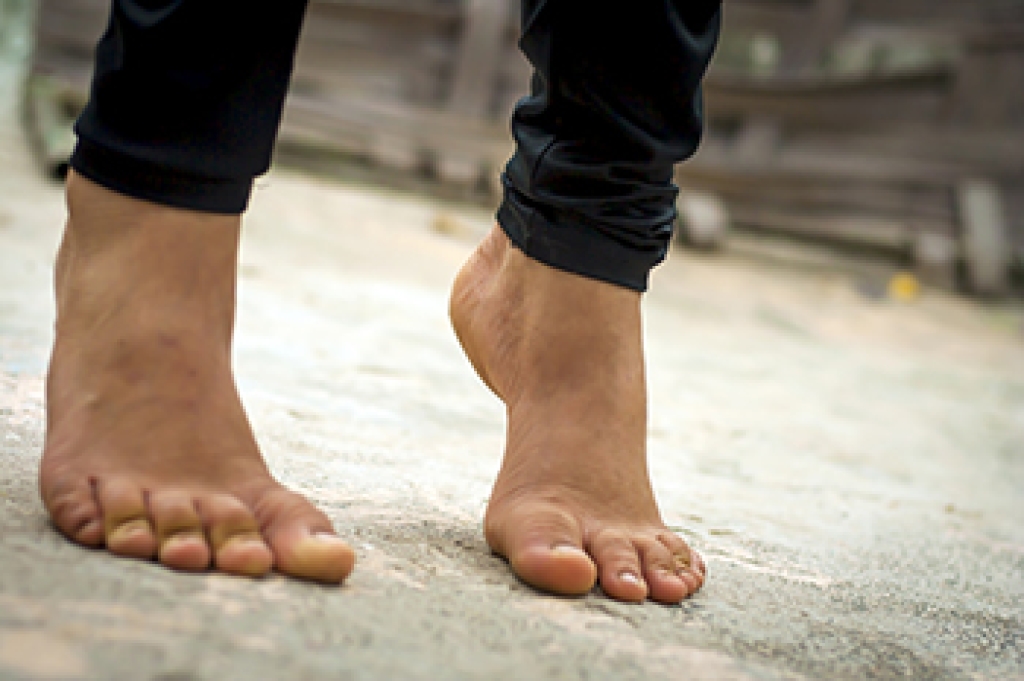
Foot pain is a very broad condition that could be caused by one or more ailments. The most common include:

  • Bunions
  • Hammertoes
  • Plantar Fasciitis
  • Bone Spurs
  • Corns
  • Tarsal Tunnel Syndrome
  • Ingrown Toenails
  • Arthritis (such as Gout, Rheumatoid, and Osteoarthritis)
  • Flat Feet
  • Injury (from stress fractures, broken toe, foot, ankle, Achilles tendon ruptures, and sprains)
  • And more

Diagnosis

To figure out the cause of foot pain, podiatrists utilize several different methods. This can range from simple visual inspections and sensation tests to X-rays and MRI scans. Prior medical history, family medical history, and any recent physical traumatic events will all be taken into consideration for a proper diagnosis.

Treatment

Treatment depends upon the cause of the foot pain. Whether it is resting, staying off the foot, or having surgery; podiatrists have a number of treatment options available for foot pain.

If you have any questions, please feel free to contact our office located in Duryea, PA . We offer the newest diagnostic and treatment technologies for all your foot care needs.
Read more about Foot Pain

Connect With Us