What You Need to Know About Plantar Warts

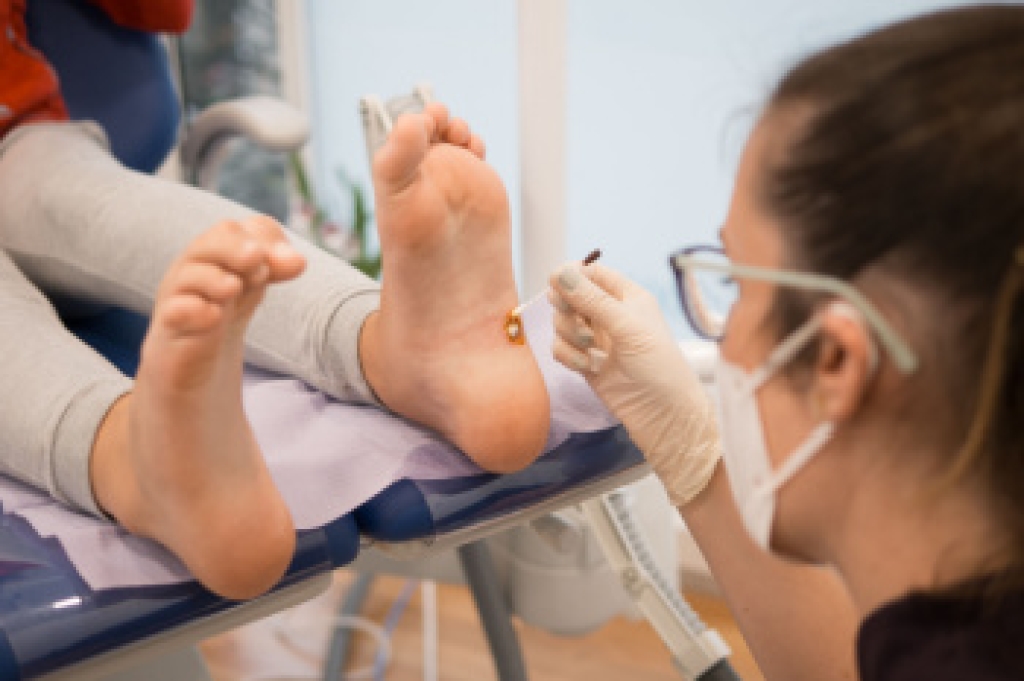
Plantar warts are small, rough growths that appear on the soles of the feet, caused by the human papillomavirus, also called HPV. This virus enters the skin through tiny cuts or abrasions, often picked up in warm, moist environments, like locker rooms or public showers. Plantar warts may appear as a single lesion or in clusters, and often have black dots, which are clotted blood vessels, in the center. These warts can be painful, especially while walking or standing, and may feel like you are stepping on a pebble. Because they grow inward due to pressure from walking, they can be hard to see and treat. A podiatrist can diagnose plantar warts and offer effective treatments, such as cryotherapy, topical medications, or minor surgical removal. They can also provide advice on prevention and proper foot care. If you have developed a plantar wart, it is suggested that you schedule an appointment with a podiatrist for appropriate treatment solutions.

Plantar warts can be very uncomfortable. If you need your feet checked, contact one of our podiatrists from David A. Scalzo, DPM, PC and Associates. Our doctors will assist you with all of your foot and ankle needs.

About Plantar Warts

Plantar warts are the result of HPV, or human papillomavirus, getting into open wounds on the feet. They are mostly found on the heels or balls of the feet.

While plantar warts are generally harmless, those experiencing excessive pain or those suffering from diabetes or a compromised immune system require immediate medical care. Plantar warts are easily diagnosed, usually through scraping off a bit of rough skin or by getting a biopsy.

Symptoms

  • Lesions on the bottom of your feet, usually rough and grainy
  • Hard or thick callused spots
  • Wart seeds, which are small clotted blood vessels that look like little black spots
  • Pain, discomfort, or tenderness of your feet when walking or standing

Treatment

  • Freezing
  • Electric tool removal
  • Laser Treatment
  • Topical Creams (prescription only)
  • Over-the-counter medications

To help prevent developing plantar warts, avoid walking barefoot over abrasive surfaces that can cause cuts or wounds for HPV to get into. Avoiding direct contact with other warts, as well as not picking or rubbing existing warts, can help prevent the further spread of plantar warts. However, if you think you have developed plantar warts, speak to your podiatrist. He or she can diagnose the warts on your feet and recommend the appropriate treatment options.

If you have any questions, please feel free to contact our office located in Duryea, PA . We offer the newest diagnostic and treatment technologies for all your foot care needs.
Read more about Plantar Warts

What to Know About Toenail Surgery

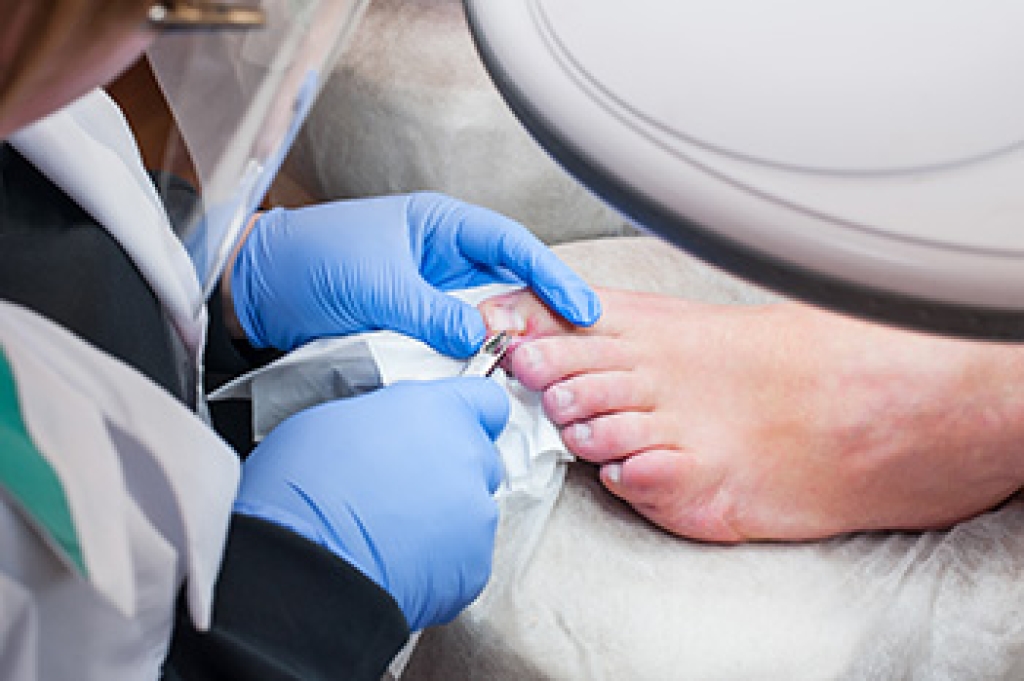
Toenail surgery is used when conditions like ingrown, thickened, or curved toenails do not improve with routine care. A podiatrist may remove part or all of the toenail to relieve pain and reduce the chance of infection. A chemical is often applied to the nail bed to prevent regrowth of the problem area. The procedure is done under local anesthetic, which numbs the toe, and typically there are no skin incisions or stitches that are involved. After the surgery, a large dressing is applied, and patients are usually able to walk in open-toed sandals or flip-flops. Healing times vary, but most people recover within three months depending on how much of the nail is removed. Risk factors include infection, delayed healing, or nail regrowth. A podiatrist will monitor your recovery and provide dressing instructions to help ensure proper healing. If you have painful or problematic toenails, it is suggested that you schedule an appointment with a podiatrist for an exam and appropriate treatment, which may include surgery.

Foot surgery is sometimes necessary to treat a foot ailment. To learn more, contact one of our podiatrists of David A. Scalzo, DPM, PC and Associates. Our doctors will assist you with all of your foot and ankle needs.

When Is Surgery Necessary?

Foot and ankle surgery is generally reserved for cases in which less invasive, conservative procedures have failed to alleviate the problem. Some of the cases in which surgery may be necessary include:

  • Removing foot deformities like bunions and bone spurs
  • Severe arthritis that has caused bone issues
  • Cosmetic reconstruction

What Types of Surgery Are There?

The type of surgery you receive will depend on the nature of the problem you have. Some of the possible surgeries include:

  • Bunionectomy for painful bunions
  • Surgical fusion for realignment of bones
  • Neuropathy decompression surgery to treat nerve damage

Benefits of Surgery

Although surgery is usually a last resort, it can provide more complete pain relief compared to non-surgical methods and may allow you to finally resume full activity.

Surgical techniques have also become increasingly sophisticated. Techniques like endoscopic surgery allow for smaller incisions and faster recovery times.

If you have any questions, please feel free to contact our office located in Duryea, PA . We offer the newest diagnostic and treatment technologies for all your foot care needs.

Read more about Foot and Ankle Surgery

Foot Care Matters More as You Age

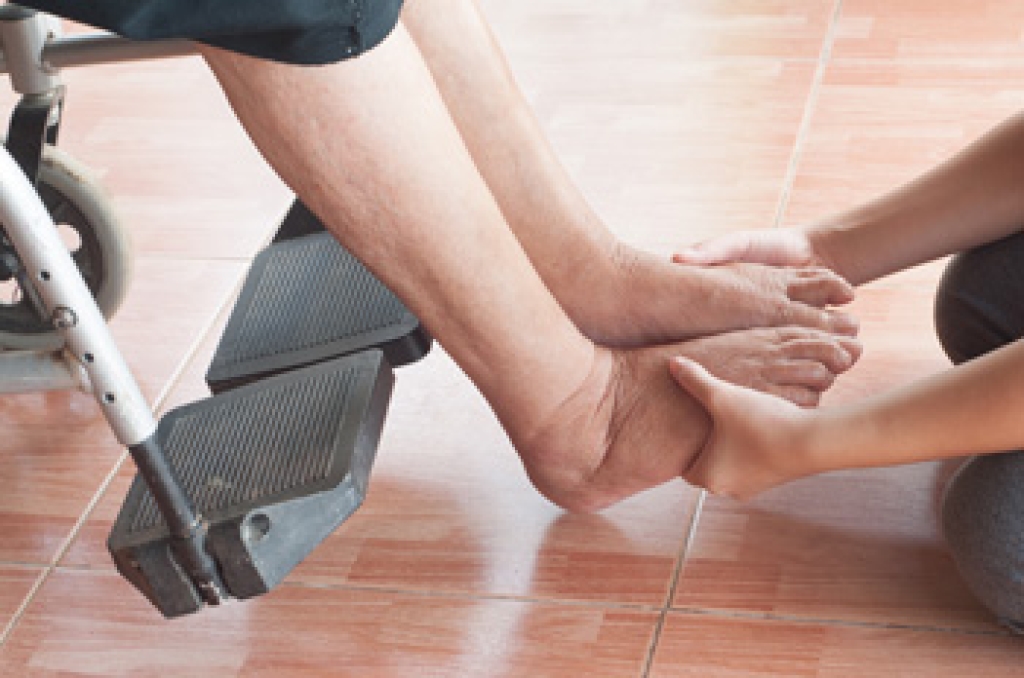
Caring for feet becomes even more important with age. Seniors often experience thinning skin, reduced circulation, and changes in foot shape that make them more vulnerable to discomfort, injury, and infection. Even simple tasks like trimming toenails or checking for calluses can become more difficult. Regular foot care helps prevent complications such as fungal infections, ulcers, and falls caused by poor balance. Wearing supportive footwear and clean, dry socks can also make a big difference in maintaining foot health. Daily checks for changes in skin color, swelling, or pain are especially important for seniors with diabetes or circulatory issues. If walking becomes uncomfortable, if nails appear thickened or discolored, or if wounds take longer to heal, it is suggested that you schedule an appointment with a podiatrist for appropriate treatment.

If you need your feet checked, contact one of our podiatrists of David A. Scalzo, DPM, PC and Associates. Our doctors will attend to all of your foot and ankle needs and provide you with quality treatment.

Geriatrics and Podiatry
When people age, some common issues that may occur are bone density loss, dry skin, poor circulation, and rough brittle nails. These issues may also affect your foot health if the necessary steps are not taken to alleviate the problems.

It is important to take care of your feet because feet that are injured or diseased can affect your overall health. Having painful feet hinders your ability to do daily activities or may decrease your willingness to do the things that you need to do.

Visiting Your Geriatrician
As we age, health problems become more likely, so it is essential to visit your doctor for check-ups to ensure that you are doing the best you can to take care of your health. It is recommended to check your feet frequently for any possible cuts, bruises, swelling, corns or any other irregularities. 

Taking Care of Elderly Feet
Cracked or dry feet can be treated by applying moisturizer often. It is also important not to wear old socks because the older the sock is, the higher the possibility there will be that there is bacteria there. Wear fresh socks and make sure they fit properly.

Proper foot health means that you can have a more active lifestyle and you will not be bogged down by pain. Foot health also leads to good circulation, which is paramount for overall health.

If you have any questions, please feel free to contact our office located in Duryea, PA . We offer the newest diagnostic and treatment technologies for all your foot care needs.
Read more about Geriatrics and Podiatry

Reminder: When Was the Last Time...?

Custom orthotics, or shoe inserts, should be periodically replaced. Orthotics must fit properly to give you the best results. Protect your feet and ankles!

Peripheral Artery Disease and the Feet

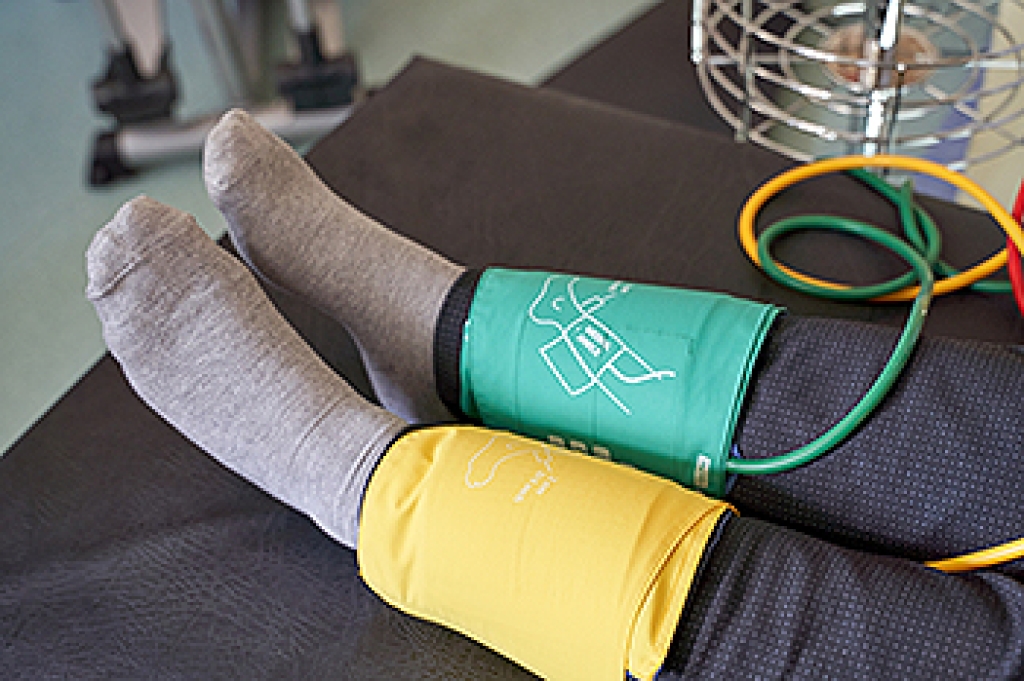
Peripheral artery disease, or PAD, is a condition where the arteries that carry blood to the legs and feet become narrowed by a buildup of fatty deposits. This limits blood flow, especially when walking. A common symptom of peripheral artery disease is cramping or aching in the calves after a short distance, which usually stops with rest. This happens because the muscles are not getting enough oxygen-rich blood. People with PAD may also notice slower toenail growth, less hair on the lower legs, or feet that feel cool to the touch. In more serious cases, pain can develop in the feet even at rest, particularly at night, and sores may appear on the toes or feet due to poor blood supply. A podiatrist can check for weak blood flow in the feet and may use a simple ankle pressure test to help diagnose the problem. If you are experiencing circulation problems affecting the feet, it is suggested that you schedule an appointment with a podiatrist for an exam and appropriate treatment options.

Peripheral artery disease can pose a serious risk to your health. It can increase the risk of stroke and heart attack. If you have symptoms of peripheral artery disease, consult with one of our podiatrists  from David A. Scalzo, DPM, PC and Associates. Our doctors will assess your condition and provide you with quality foot and ankle treatment.

Peripheral artery disease (PAD) is when arteries are constricted due to plaque (fatty deposits) build-up. This results in less blood flow to the legs and other extremities. The main cause of PAD is atherosclerosis, in which plaque builds up in the arteries.

Symptoms

Symptoms of PAD include:

  • Claudication (leg pain from walking)
  • Numbness in legs
  • Decrease in growth of leg hair and toenails
  • Paleness of the skin
  • Erectile dysfunction
  • Sores and wounds on legs and feet that won’t heal
  • Coldness in one leg

It is important to note that a majority of individuals never show any symptoms of PAD.

Diagnosis

While PAD occurs in the legs and arteries, Podiatrists can diagnose PAD. Podiatrists utilize a test called an ankle-brachial index (ABI). An ABI test compares blood pressure in your arm to you ankle to see if any abnormality occurs. Ultrasound and imaging devices may also be used.

Treatment

Fortunately, lifestyle changes such as maintaining a healthy diet, exercising, managing cholesterol and blood sugar levels, and quitting smoking, can all treat PAD. Medications that prevent clots from occurring can be prescribed. Finally, in some cases, surgery may be recommended.

If you have any questions, please feel free to contact our office located in Duryea, PA . We offer the newest diagnostic and treatment technologies for all your foot care needs.

Read more about Peripheral Artery Disease

Connect With Us