Foot Care Matters More as You Age

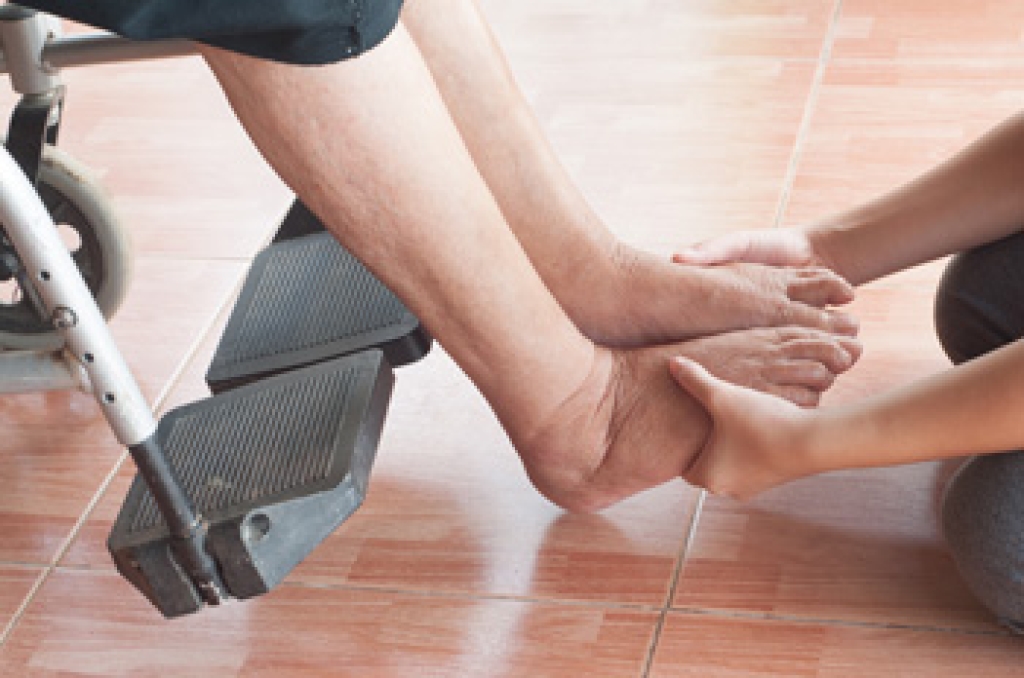
Caring for feet becomes even more important with age. Seniors often experience thinning skin, reduced circulation, and changes in foot shape that make them more vulnerable to discomfort, injury, and infection. Even simple tasks like trimming toenails or checking for calluses can become more difficult. Regular foot care helps prevent complications such as fungal infections, ulcers, and falls caused by poor balance. Wearing supportive footwear and clean, dry socks can also make a big difference in maintaining foot health. Daily checks for changes in skin color, swelling, or pain are especially important for seniors with diabetes or circulatory issues. If walking becomes uncomfortable, if nails appear thickened or discolored, or if wounds take longer to heal, it is suggested that you schedule an appointment with a podiatrist for appropriate treatment.

If you need your feet checked, contact one of our podiatrists of David A. Scalzo, DPM, PC and Associates. Our doctors will attend to all of your foot and ankle needs and provide you with quality treatment.

Geriatrics and Podiatry
When people age, some common issues that may occur are bone density loss, dry skin, poor circulation, and rough brittle nails. These issues may also affect your foot health if the necessary steps are not taken to alleviate the problems.

It is important to take care of your feet because feet that are injured or diseased can affect your overall health. Having painful feet hinders your ability to do daily activities or may decrease your willingness to do the things that you need to do.

Visiting Your Geriatrician
As we age, health problems become more likely, so it is essential to visit your doctor for check-ups to ensure that you are doing the best you can to take care of your health. It is recommended to check your feet frequently for any possible cuts, bruises, swelling, corns or any other irregularities. 

Taking Care of Elderly Feet
Cracked or dry feet can be treated by applying moisturizer often. It is also important not to wear old socks because the older the sock is, the higher the possibility there will be that there is bacteria there. Wear fresh socks and make sure they fit properly.

Proper foot health means that you can have a more active lifestyle and you will not be bogged down by pain. Foot health also leads to good circulation, which is paramount for overall health.

If you have any questions, please feel free to contact our offices located in Duryea and Bangor, PA . We offer the newest diagnostic and treatment technologies for all your foot care needs.
Read more about Geriatrics and Podiatry

Reminder: When Was the Last Time...?

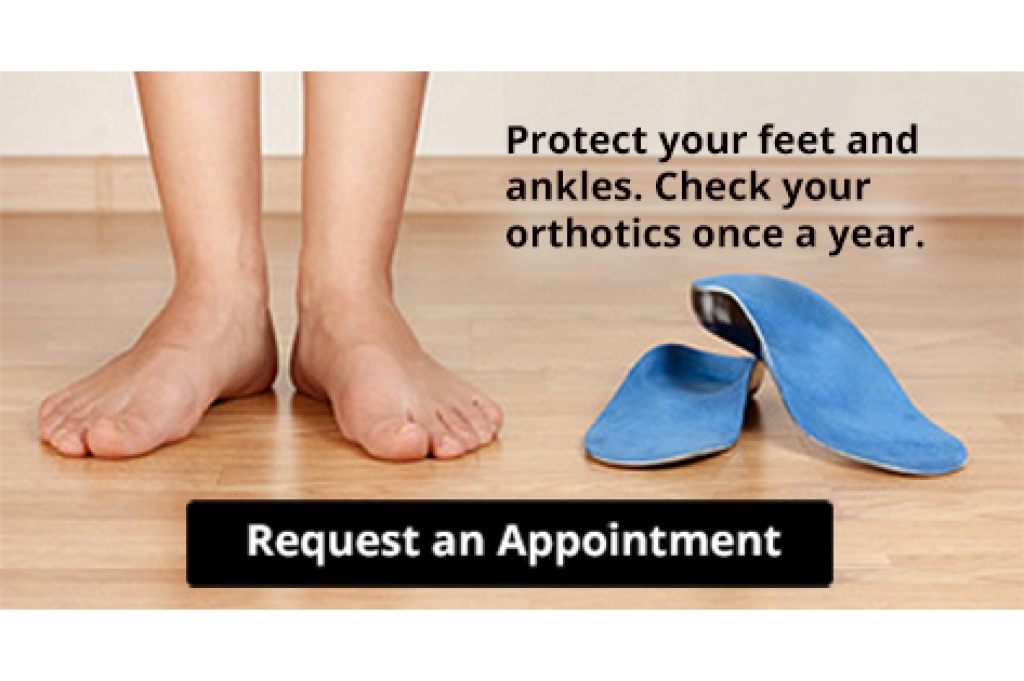
Custom orthotics, or shoe inserts, should be periodically replaced. Orthotics must fit properly to give you the best results. Protect your feet and ankles!

Peripheral Artery Disease and the Feet

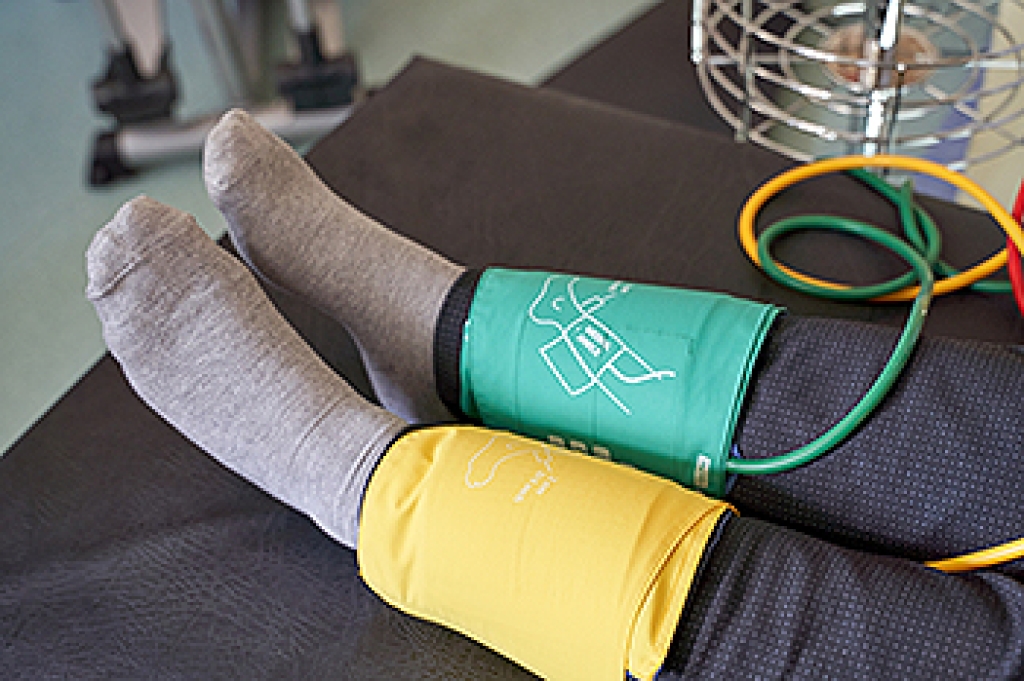
Peripheral artery disease, or PAD, is a condition where the arteries that carry blood to the legs and feet become narrowed by a buildup of fatty deposits. This limits blood flow, especially when walking. A common symptom of peripheral artery disease is cramping or aching in the calves after a short distance, which usually stops with rest. This happens because the muscles are not getting enough oxygen-rich blood. People with PAD may also notice slower toenail growth, less hair on the lower legs, or feet that feel cool to the touch. In more serious cases, pain can develop in the feet even at rest, particularly at night, and sores may appear on the toes or feet due to poor blood supply. A podiatrist can check for weak blood flow in the feet and may use a simple ankle pressure test to help diagnose the problem. If you are experiencing circulation problems affecting the feet, it is suggested that you schedule an appointment with a podiatrist for an exam and appropriate treatment options.

Peripheral artery disease can pose a serious risk to your health. It can increase the risk of stroke and heart attack. If you have symptoms of peripheral artery disease, consult with one of our podiatrists  from David A. Scalzo, DPM, PC and Associates. Our doctors will assess your condition and provide you with quality foot and ankle treatment.

Peripheral artery disease (PAD) is when arteries are constricted due to plaque (fatty deposits) build-up. This results in less blood flow to the legs and other extremities. The main cause of PAD is atherosclerosis, in which plaque builds up in the arteries.

Symptoms

Symptoms of PAD include:

  • Claudication (leg pain from walking)
  • Numbness in legs
  • Decrease in growth of leg hair and toenails
  • Paleness of the skin
  • Erectile dysfunction
  • Sores and wounds on legs and feet that won’t heal
  • Coldness in one leg

It is important to note that a majority of individuals never show any symptoms of PAD.

Diagnosis

While PAD occurs in the legs and arteries, Podiatrists can diagnose PAD. Podiatrists utilize a test called an ankle-brachial index (ABI). An ABI test compares blood pressure in your arm to you ankle to see if any abnormality occurs. Ultrasound and imaging devices may also be used.

Treatment

Fortunately, lifestyle changes such as maintaining a healthy diet, exercising, managing cholesterol and blood sugar levels, and quitting smoking, can all treat PAD. Medications that prevent clots from occurring can be prescribed. Finally, in some cases, surgery may be recommended.

If you have any questions, please feel free to contact our offices located in Duryea and Bangor, PA . We offer the newest diagnostic and treatment technologies for all your foot care needs.
Read more about Peripheral Artery Disease

What Is Cuboid Syndrome?

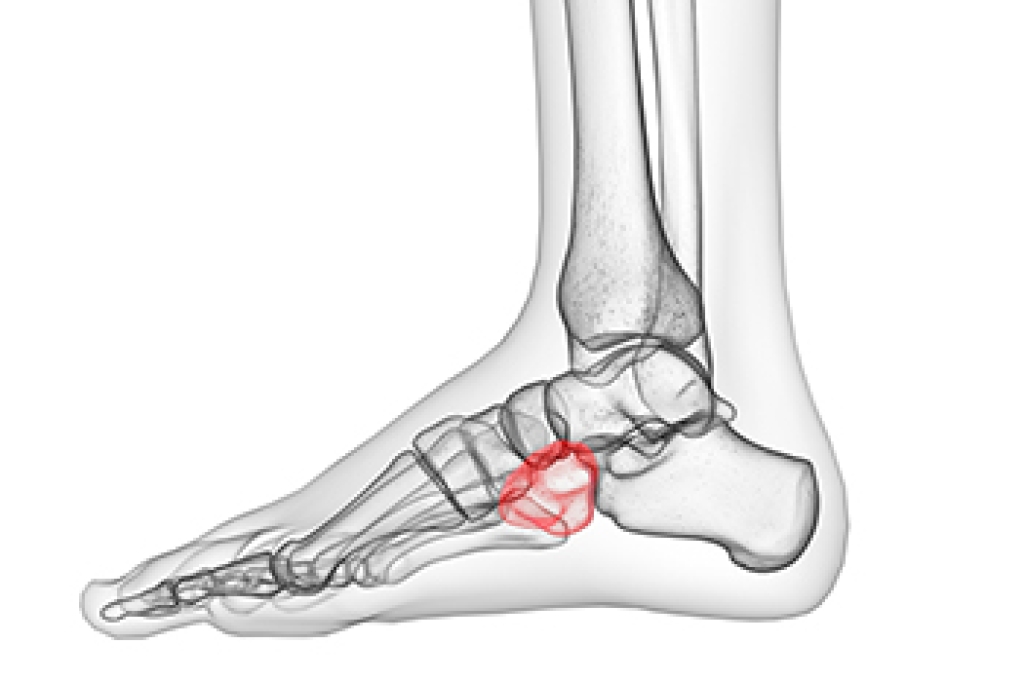
Cuboid syndrome is a condition where the cuboid bone in the foot becomes partially dislocated or misaligned, often due to injury or overuse. This small bone is located on the outer side of the foot and plays a key role in stability and movement. Causes include ankle sprains, repetitive strain, or poor biomechanics. Symptoms include sharp pain on the outside of the foot, swelling, weakness, and difficulty walking. The pain is typically felt on the outside or near the middle of the foot, extending toward the base of the toes. A podiatrist can diagnose cuboid syndrome through a physical examination and restore alignment through manual manipulation or supportive care. If you experience ongoing foot pain, it is suggested that you seek care from a podiatrist for an evaluation and relief.

Cuboid syndrome, also known as cuboid subluxation, occurs when the joints and ligaments near the cuboid bone in the foot become torn. If you have cuboid syndrome, consult with one of our podiatrists  from David A. Scalzo, DPM, PC and Associates. Our doctors will assess your condition and provide you with quality foot and ankle treatment.

Cuboid syndrome is a common cause of lateral foot pain, which is pain on the outside of the foot. The condition may happen suddenly due to an ankle sprain, or it may develop slowly overtime from repetitive tension through the bone and surrounding structures.

Causes

The most common causes of cuboid syndrome include:

  • Injury – The most common cause of this ailment is an ankle sprain.
  • Repetitive Strain – Tension placed through the peroneus longus muscle from repetitive activities such as jumping and running may cause excessive traction on the bone causing it to sublux.
  • Altered Foot Biomechanics – Most people suffering from cuboid subluxation have flat feet.

Symptoms

A common symptom of cuboid syndrome is pain along the outside of the foot which can be felt in the ankle and toes. This pain may create walking difficulties and may cause those with the condition to walk with a limp.

Diagnosis

Diagnosis of cuboid syndrome is often difficult, and it is often misdiagnosed. X-rays, MRIs and CT scans often fail to properly show the cuboid subluxation. Although there isn’t a specific test used to diagnose cuboid syndrome, your podiatrist will usually check if pain is felt while pressing firmly on the cuboid bone of your foot.

Treatment

Just as the range of causes varies widely, so do treatments. Some more common treatments are ice therapy, rest, exercise, taping, and orthotics.

If you have any questions, please feel free to contact our offices located in Duryea and Bangor, PA . We offer the newest diagnostic and treatment technologies for all your foot care needs.
Read more about Cuboid Syndrome

What Swollen Feet in Late Pregnancy Can Mean

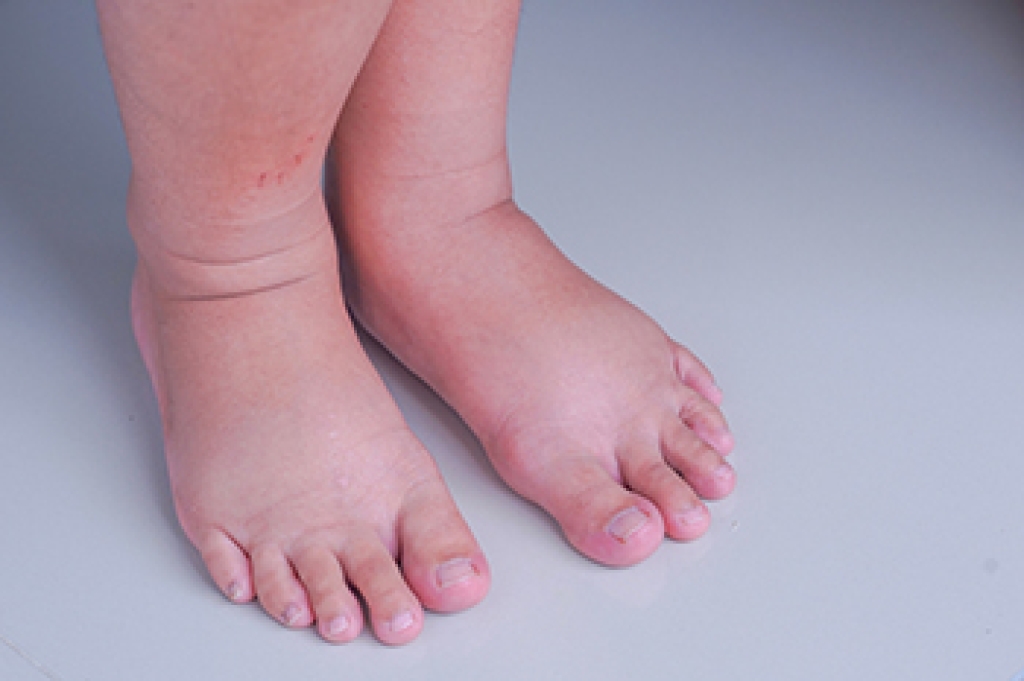
Swollen feet are common during late pregnancy and are often caused by edema, which is the buildup of fluid in the lower limbs due to increased pressure from the growing uterus. However, swelling can also signal more serious conditions. Preeclampsia may cause sudden or severe swelling along with high blood pressure. Peripartum cardiomyopathy, a rare form of heart failure, and deep vein thrombosis, a blood clot in the leg, are medical emergencies. A podiatrist can help monitor swelling, recommend supportive footwear, suggest exercises, and identify signs that need urgent care. If you notice unusual or painful foot swelling during your pregnancy, it is strongly suggested that you promptly visit a podiatrist for expert guidance and relief options.

Pregnant women with swollen feet can be treated with a variety of different methods that are readily available. For more information about other cures for swollen feet during pregnancy, consult with one of our podiatrists from David A. Scalzo, DPM, PC and Associates. Our doctors will attend to all of your foot and ankle needs.

What Foot Problems Can Arise During Pregnancy?

One problem that can occur is overpronation, which occurs when the arch of the foot flattens and tends to roll inward.  This can cause pain and discomfort in your heels while you’re walking or even just standing up, trying to support your baby.  

Another problem is edema, or swelling in the extremities. This often affects the feet during pregnancy but tends to occur in the later stages. 

How Can I Keep My Feet Healthy During Pregnancy?

  • Wearing orthotics can provide extra support for the feet and help distribute weight evenly
  • Minimize the amount of time spent walking barefoot
  • Wear shoes with good arch support
  • Wear shoes that allow for good circulation to the feet
  • Elevate feet if you experience swelling
  • Massage your feet
  • Get regular, light exercise, such as walking, to promote blood circulation to the feet

If you have any questions, please feel free to contact our offices located in Duryea and Bangor, PA . We offer the newest diagnostic and treatment technologies for all your foot care needs.

Read more about Pregnancy and Foot Health

Connect With Us