Understanding Polydactyly

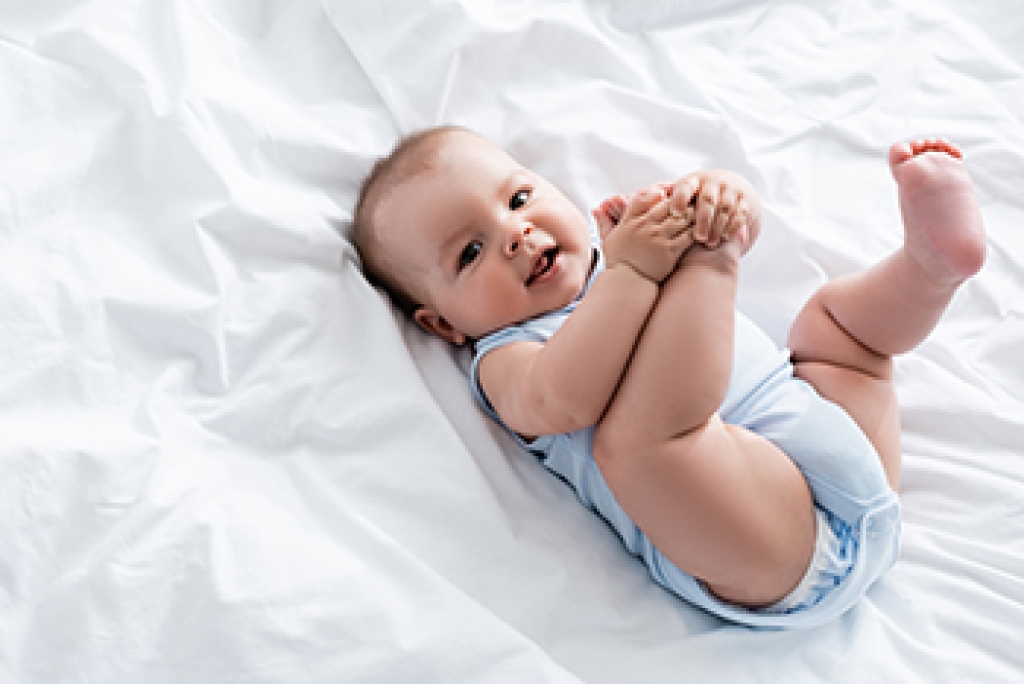
Polydactyly is a congenital foot defect where a child is born with extra fingers or toes. The name comes from a combination of Greek words, “poly” for many and “dactylos” for digits. There are different types of polydactyly of the feet. The most frequent form is an extra toe next to the fifth toe. The extra digit can be complete and fully functional or partially formed with some bone. It can also present as a small mass of soft tissue. When polydactyly occurs without other abnormalities, it is referred to as isolated or non-syndromic polydactyly. When there is another genetic condition present, such as a cognitive and developmental abnormality, it is called syndromic polydactyly. This condition tends to be hereditary and can occur from genetic mutations and environmental reasons. The left foot is most often affected and is twice as common among males. Treatment for polydactyly is dependent on where the extra toe is. Surgery to remove the extra toe is frequently done in the first two years of a child’s life to allow typical use of the foot and a better ability to fit into shoes. If you have a baby born with polydactyly, it is strongly suggested that you take them to a podiatrist as soon as possible who can consult with you on the best way to treat this condition.

Congenital foot problems require immediate attention to avoid future complications. If you have any concerns, contact one of our podiatrists of David A. Scalzo, DPM, PC and Associates. Our doctors can provide the care you need to keep you pain-free and on your feet.

Congenital foot problems are deformities affecting the feet, toes, and/or ankles that children are born with. Some of these conditions have a genetic cause while others just happen. Some specific foot ailments that children may be born with include clubfeet, polydactyly/macrodactyly, and cleft foot. There are several other foot anomalies that can occur congenitally. What all of these conditions have in common is that a child may experience difficulty walking or performing everyday activities, as well as trouble finding footwear that fits their foot deformity. Some of these conditions are more serious than others. Consulting with a podiatrist as early as possible will help in properly diagnosing a child’s foot condition while getting the necessary treatment underway.

What are Causes of Congenital Foot Problem?

A congenital foot problem is one that happens to a child at birth. These conditions can be caused by a genetic predisposition, developmental or positional abnormalities during gestation, or with no known cause.

What are Symptoms of Congenital Foot Problems?

Symptoms vary by the congenital condition. Symptoms may consist of the following:

  • Clubfoot, where tendons are shortened, bones are shaped differently, and the Achilles tendon is tight, causing the foot to point in and down. It is also possible for the soles of the feet to face each other.
  • Polydactyly, which usually consists of a nubbin or small lump of tissue without a bone, a toe that is partially formed but has no joints, or an extra toe.
  • Vertical talus, where the talus bone forms in the wrong position causing other bones in the foot to line up improperly, the front of the foot to point up, and the bottom of the foot to stiffen, with no arch, and to curve out.
  • Tarsal coalition, when there is an abnormal connection of two or more bones in the foot leading to severe, rigid flatfoot.
  • Cleft foot, where there are missing toes, a V-shaped cleft, and other anatomical differences.
  • Macrodactyly, when the toes are abnormally large due to overgrowth of the underlying bone or soft tissue.

Treatment and Prevention

While there is nothing one can do to prevent congenital foot problems, raising awareness and receiving neonatal screenings are important. Early detection by taking your child to a podiatrist leads to the best outcome possible.

If you have any questions, please feel free to contact our offices located in Duryea and Bangor, PA . We offer the newest diagnostic and treatment technologies for all your foot care needs.
Read more about Congenital Foot Problems

Wearing High Heels Can Cause Foot Problems

High-heeled shoes are the cause of many foot problems, and experts agree the higher the heel, the worse they are for your feet. When high heeled shoes also have a narrow and pointy toe box, they may become even more destructive. Add to that strappy sandals with minimal support and thin soles, and the situation worsens. Specifically, high heels force the weight of the body onto the metatarsals and sesamoid bones of the feet. This excess pressure in turn causes inflammation of the surrounding nerves. In some cases, hairline breaks in the bones, called stress fractures, can develop. In addition, the likelihood of tripping and spraining an ankle increases while wearing high heels. The answer may be simply changing your footwear or limiting the amount of time spent wearing high heels. Shoes with heels no higher than two inches are thought to be less harmful. Look for shoes with a wider toe box that allows freedom of movement for the toes and thicker heels for increased stability. For help with foot problems stemming from wearing high heels long term, it is suggested that you make an appointment with a podiatrist.

High heels have a history of causing foot and ankle problems. If you have any concerns about your feet or ankles, contact one of our podiatrists from David A. Scalzo, DPM, PC and Associates. Our doctors can provide the care you need to keep you pain-free and on your feet.

Effects of High Heels on the Feet

High heels are popular shoes among women because of their many styles and societal appeal.  Despite this, high heels can still cause many health problems if worn too frequently.

Which Parts of My Body Will Be Affected by High Heels?

  • Ankle Joints
  • Achilles Tendon – May shorten and stiffen with prolonged wear
  • Balls of the Feet
  • Knees – Heels cause the knees to bend constantly, creating stress on them
  • Back – They decrease the spine’s ability to absorb shock, which may lead to back pain.  The vertebrae of the lower back may compress.

What Kinds of Foot Problems Can Develop from Wearing High Heels?

  • Corns
  • Calluses
  • Hammertoe
  • Bunions
  • Morton’s Neuroma
  • Plantar Fasciitis

How Can I Still Wear High Heels and Maintain Foot Health?

If you want to wear high heeled shoes, make sure that you are not wearing them every day, as this will help prevent long term physical problems.  Try wearing thicker heels as opposed to stilettos to distribute weight more evenly across the feet.  Always make sure you are wearing the proper shoes for the right occasion, such as sneakers for exercising.  If you walk to work, try carrying your heels with you and changing into them once you arrive at work.  Adding inserts to your heels can help cushion your feet and absorb shock. Full foot inserts or metatarsal pads are available. 

If you have any questions, please feel free to contact our offices located in Duryea and Bangor, PA . We offer the newest diagnostic and treatment technologies for all your foot care needs.
Read more about Why High Heels Are Not Ideal for Healthy Feet

Facts About Intoeing in Children

When most children begin to walk, their toes point straight ahead. In some cases, as a child begins to walk, their toes point inward. This is termed intoeing, or pigeon-toed, and in most cases goes away on its own. The causes of intoeing are a bit murky, but family history may be involved. Another cause is a twisting of the tibia bone while in the womb, but this often straightens itself out within the first year. A twisting of the femur bone in the thigh is another possible cause of intoeing in children between the ages of 2 and 4 years. This also corrects itself in time, but in severe cases may require surgery. A third cause of intoeing is a curving inward of the foot, which often takes place before birth. This too usually straightens out as the child grows older, but a brace or cast may be used to help straighten out the foot. If your child demonstrates intoeing, it is suggested that you make an appointment with a podiatrist who can take X-rays and examine the child’s feet to determine the best course of action.

Making sure that your children maintain good foot health is very important as they grow. If you have any questions, contact one of our podiatrists of David A. Scalzo, DPM, PC and Associates. Our doctors can provide the care you need to keep you pain-free and on your feet.

Keeping Children's Feet Healthy

Having healthy feet during childhood can help prevent medical problems later in life, namely in the back and legs. As children grow, their feet require different types of care. Here are some things to consider...

Although babies do not walk yet, it is still very important to take care of their feet.

Avoid putting tight shoes or socks on his or her feet.

Allow the baby to stretch and kick his or her feet to feel comfortable.

As a toddler, kids are now on the move and begin to develop differently. At this age, toddlers are getting a feel for walking, so don’t be alarmed if your toddler is unsteady or ‘walks funny’. 

As your child gets older, it is important to teach them how to take care of their feet.

Show them proper hygiene to prevent infections such as fungus.

Be watchful for any pain or injury.

Have all injuries checked by a doctor as soon as possible.

Comfortable, protective shoes should always be worn, especially at play.

If you have any questions, please feel free to contact our offices located in Duryea and Bangor, PA . We offer the newest diagnostic and treatment technologies for all your foot care needs.
Read more about What to Do to Keep Your Child’s Feet Healthy

Are You Suffering From Nerve Damage?

Neuropathy is a condition that can lead to numbness or loss of sensation in the feet, but it can also cause pain. This condition is more likely to develop for those who are diabetic, obese, or with high blood pressure.

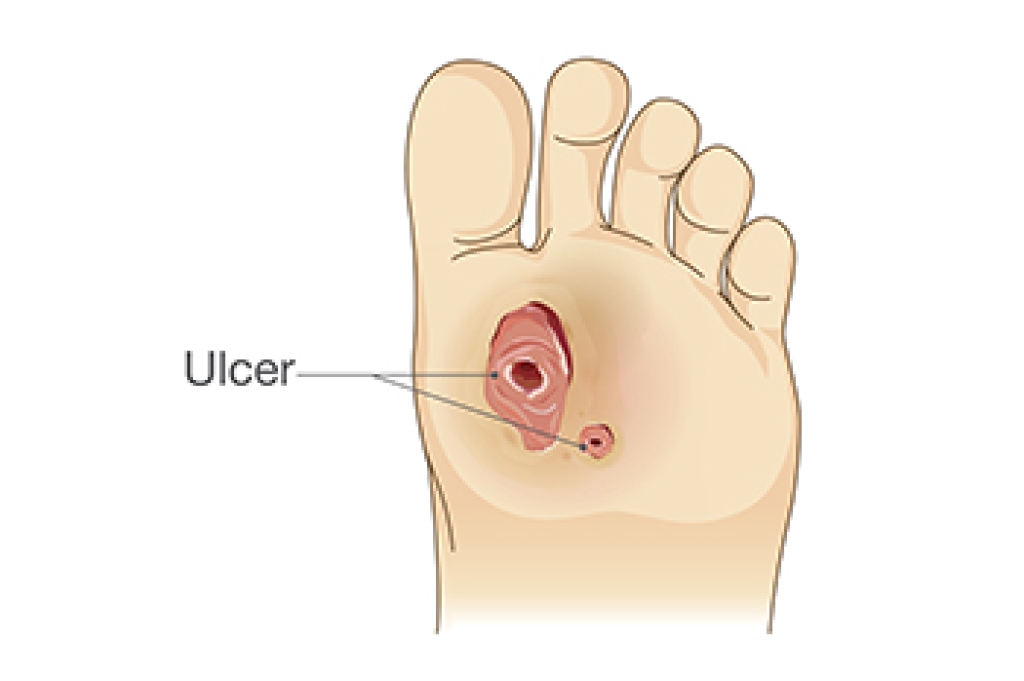
Foot Ulcers Can Be a Serious Condition

A foot ulcer is a serious wound. It is said to look like a crater in the skin and is generally found on the bottom of the foot or tip of a toe. Thick skin can gradually surround it and may act like a border. A foot ulcer can be common among diabetic patients, and immediate wound care is often sought for treatment and relief. A foot ulcer can range between being a surface wound to a deep wound, and both types can become infected if not treated. Diabetic patients can suffer from neuropathy, which is the inability to feel sensations on the feet. This may also be coupled with poor circulation, which may slow down the healing process. A foot ulcer that develops in people who have good circulation may heal in approximately six weeks, but it may take considerably longer in patients who have poor circulation. Treatment can begin with a podiatrist performing a debridement, which is trimming away diseased tissue. This can be followed by applying an appropriate dressing and recommending specialized footwear. If you have a foot ulcer, it is strongly suggested that you are under the care of a podiatrist who can successfully treat this foot condition.

Wound care is an important part in dealing with diabetes. If you have diabetes and a foot wound or would like more information about wound care for diabetics, consult with one of our podiatrists from David A. Scalzo, DPM, PC and Associates. Our doctors will assess your condition and provide you with quality foot and ankle treatment.

What Is Wound Care?

Wound care is the practice of taking proper care of a wound. This can range from the smallest to the largest of wounds. While everyone can benefit from proper wound care, it is much more important for diabetics. Diabetics often suffer from poor blood circulation which causes wounds to heal much slower than they would in a non-diabetic. 

What Is the Importance of Wound Care?

While it may not seem apparent with small ulcers on the foot, for diabetics, any size ulcer can become infected. Diabetics often also suffer from neuropathy, or nerve loss. This means they might not even feel when they have an ulcer on their foot. If the wound becomes severely infected, amputation may be necessary. Therefore, it is of the upmost importance to properly care for any and all foot wounds.

How to Care for Wounds

The best way to care for foot wounds is to prevent them. For diabetics, this means daily inspections of the feet for any signs of abnormalities or ulcers. It is also recommended to see a podiatrist several times a year for a foot inspection. If you do have an ulcer, run the wound under water to clear dirt from the wound; then apply antibiotic ointment to the wound and cover with a bandage. Bandages should be changed daily and keeping pressure off the wound is smart. It is advised to see a podiatrist, who can keep an eye on it.

If you have any questions please contact our offices located in Duryea and Bangor, PA . We offer the newest diagnostic and treatment technologies for all your foot and ankle needs.

Read more about Wound Care

Connect With Us