Impact of Weight Loss on Feet

Shedding excess weight is a profound journey, not only for overall health but also for the well-being of your feet. The feet, bearing the brunt of your body weight, may experience significant relief as the pounds diminish. Weight loss can alleviate common foot conditions such as plantar fasciitis, where excess weight increases strain on the ligament supporting the foot arch. Reduced weight contributes to enhanced circulation, diminishing the risk of conditions like peripheral arterial disease and promoting better wound healing. Feet that were once burdened by excess pounds find newfound flexibility and agility, with reduced stress on joints and improved gait. As weight decreases, individuals often observe a reduction in swelling and discomfort. This fosters a positive cycle where healthier feet encourage increased physical activity, further facilitating sustained weight loss. Embracing a healthy approach to weight management not only transforms overall health but also paves the way for happier, healthier, and more comfortable feet. If you would like more information about how the feet can benefit from losing weight, it is suggested that you confer with a podiatrist.

The more you weigh, the harder your feet must work to support your body. If you’re an obese individual and are concerned about your feet, contact one of our podiatrists from David A. Scalzo, DPM, PC and Associates. Our doctors can provide the care you need to keep you pain-free and on your feet.

Obesity and Your Feet

People who are overweight are putting more pressure on their ankles, knees, and hips as well as their feet. This unfortunately can lead to variety of different issues.

Problems & Complications Stemming from Obesity

  • When the body is overweight, it tries to compensate by changing the way that it moves. An obese person may lean forward and put extra weight on the wrong part of the foot. This puts unnecessary stress on the feet.
  • Obese people are also more likely to develop type II diabetes which is a condition that causes a lot of foot problems. People with diabetes often don’t feel the cuts and sores that they may have on their feet, which can lead to more complicated and severe issues.
  • Plantar fasciitis is another foot condition that can be caused by obesity. Plantar fasciitis is an inflammation of the tissue along the bottom of the foot, which causes pain and stiffness while walking and climbing stairs.

If you have any questions please contact our offices located in Duryea and Bangor, PA . We offer the newest diagnostic and treatment technologies for all your foot and ankle needs.


Read more about Obesity and the Feet

Understanding a Diabetic Foot Blister

A diabetic foot blister, a manifestation of the complexities associated with diabetes, emerges as a consequence of heightened vulnerability to skin injuries. Diabetes, a metabolic condition affecting blood sugar regulation, often leads to impaired circulation and compromised nerve function in the extremities. This diminished sensation, known as diabetic neuropathy, means that individuals with diabetes may not readily detect friction or pressure that can result in blisters. When blisters form, the impaired circulation slows the healing process, making these normally benign lesions potential precursors to more severe complications. The risk of infection in a diabetic foot blister is elevated, posing a serious threat to foot health. Regular foot inspections, meticulous hygiene practices, and appropriate footwear choices become paramount for individuals navigating the delicate balance of diabetes. If you have developed this type of blister, it is strongly suggested that you are under the care of a podiatrist who can guide you toward correct treatment methods.

Blisters are prone to making everyday activities extremely uncomfortable. If your feet are hurting, contact one of our podiatrists of David A. Scalzo, DPM, PC and Associates. Our doctors can provide the care you need to keep you pain-free and on your feet.

Foot Blisters

Foot blisters develop as a result of constantly wearing tight or ill-fitting footwear. This happens due to the constant rubbing from the shoe, which can often lead to pain.

What Are Foot Blisters?

A foot blister is a small fluid-filled pocket that forms on the upper-most layer of the skin. Blisters are filled with clear fluid and can lead to blood drainage or pus if the area becomes infected.

How Do Blisters Form?

Blisters on the feet are often the result of constant friction of skin and material, usually by shoe rubbing. Walking in sandals, boots, or shoes that don’t fit properly for long periods of time can result in a blister. Having consistent foot moisture and humidity can easily lead to blister formation.

Prevention & Treatment

It is important to properly care for the affected area in order to prevent infection and ease the pain. Do not lance the blister and use a Band-Aid to provide pain relief. Also, be sure to keep your feet dry and wear proper fitting shoes. If you see blood or pus in a blister, seek assistance from a podiatrist.

If you have any questions, please feel free to contact our offices located in Duryea and Bangor, PA . We offer the newest diagnostic and treatment technologies for all your foot care needs.

Read more about Blisters on the Feet

Reminder: When Was the Last Time...?

Custom orthotics, or shoe inserts, should be periodically replaced. Orthotics must fit properly to give you the best results. Protect your feet and ankles!

Symptoms and Treatment of Heel Bone Fractures

One of the most common indicators of a fractured heel bone is tenderness in the area that causes pain, even with slight pressure. Swelling in the foot and ankle area is another prevalent symptom, often accompanied by visible bruising. Individuals with heel fractures usually find it impossible to bear weight on the affected foot, leading to significant mobility limitations. The diagnosis of heel bone fractures typically involves X-rays and computed tomography, or CT, scans. X-rays can provide a clear image of the injury, but in more complex cases, CT scans may be used to obtain a detailed, three dimensional view of the affected area. Non surgical treatment involves protecting the fractured area with a splint, resting the foot by avoiding weight-bearing, and using crutches. Once swelling subsides, a podiatrist may apply a cast to stabilize the fracture. Surgical intervention may be necessary when the fracture affects the joint. It is important to avoid putting any weight on the injured heel until the fracture has fully healed, which may take several months. If you believe you have fractured your heel bone, it is suggested that you make an appointment with a podiatrist.

Many people suffer from bouts of heel pain. For more information, contact one of our podiatrists of David A. Scalzo, DPM, PC and Associates. Our doctors can provide the care you need to keep you pain-free and on your feet.

Causes of Heel Pain

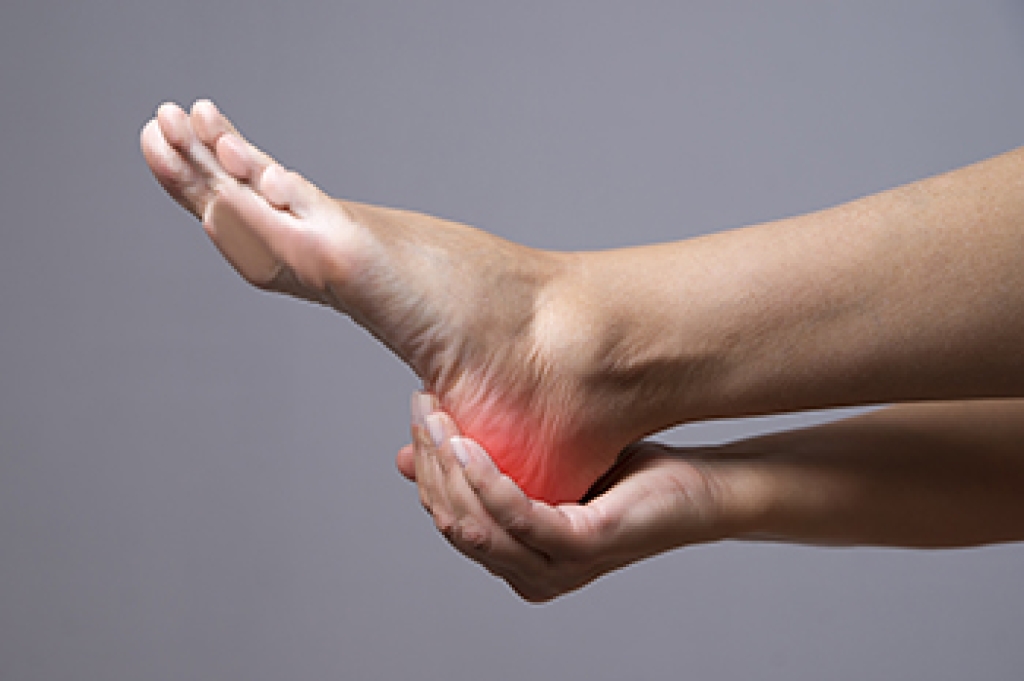
Heel pain is often associated with plantar fasciitis. The plantar fascia is a band of tissues that extends along the bottom of the foot. A rip or tear in this ligament can cause inflammation of the tissue.

Achilles tendonitis is another cause of heel pain. Inflammation of the Achilles tendon will cause pain from fractures and muscle tearing. Lack of flexibility is also another symptom.

Heel spurs are another cause of pain. When the tissues of the plantar fascia undergo a great deal of stress, it can lead to ligament separation from the heel bone, causing heel spurs.

Why Might Heel Pain Occur?

  • Wearing ill-fitting shoes                
  • Wearing non-supportive shoes
  • Weight change           
  • Excessive running

Treatments

Heel pain should be treated as soon as possible for immediate results. Keeping your feet in a stress-free environment will help. If you suffer from Achilles tendonitis or plantar fasciitis, applying ice will reduce the swelling. Stretching before an exercise like running will help the muscles. Using all these tips will help make heel pain a condition of the past.

If you have any questions, please feel free to contact our offices located in Duryea and Bangor, PA . We offer the newest diagnostic and treatment technologies for all your foot care needs.

Read more about Heel Pain

Peripheral Artery Disease and Foot Care

Peripheral artery disease, or PAD, is a vascular condition characterized by the narrowing or blockage of arteries, predominantly in the legs, resulting in reduced blood flow to the feet. This condition, often associated with hardening of the arteries, can significantly impact foot health and lead to various symptoms. Symptoms of peripheral artery disease may include leg pain, cramping, numbness, and skin discoloration. Generally, these symptoms develop when approximately 70 percent of the artery is blocked. Aging, smoking, diabetes, high blood pressure, abnormal cholesterol levels, obesity, physical inactivity, and family history are contributing factors. Men are generally more susceptible to PAD than women. Peripheral artery disease also can result from fibromuscular dysplasia, inflammation, or external pressure from nearby masses. The severity and nature of symptoms depend on the affected artery, degree of blockage, and whether it is a gradual narrowing or sudden blockage. Someone with peripheral artery disease may experience coldness in the lower leg or foot, numbness or weakness, absent or a weak pulse in the legs or feet, and shiny skin on the legs. One of the main dangers is in the formation of sores on the toes, feet, or legs that will not heal. These may develop into ulcers, which can engender severe foot or toe problems. If you have peripheral artery disease symptoms that are affecting your lower limbs and feet, it is suggested that you include a podiatrist as a member of your medical team. 

Peripheral artery disease can pose a serious risk to your health. It can increase the risk of stroke and heart attack. If you have symptoms of peripheral artery disease, consult with one of our podiatrists  from David A. Scalzo, DPM, PC and Associates. Our doctors will assess your condition and provide you with quality foot and ankle treatment.

Peripheral artery disease (PAD) is when arteries are constricted due to plaque (fatty deposits) build-up. This results in less blood flow to the legs and other extremities. The main cause of PAD is atherosclerosis, in which plaque builds up in the arteries.

Symptoms

Symptoms of PAD include:

  • Claudication (leg pain from walking)
  • Numbness in legs
  • Decrease in growth of leg hair and toenails
  • Paleness of the skin
  • Erectile dysfunction
  • Sores and wounds on legs and feet that won’t heal
  • Coldness in one leg

It is important to note that a majority of individuals never show any symptoms of PAD.

Diagnosis

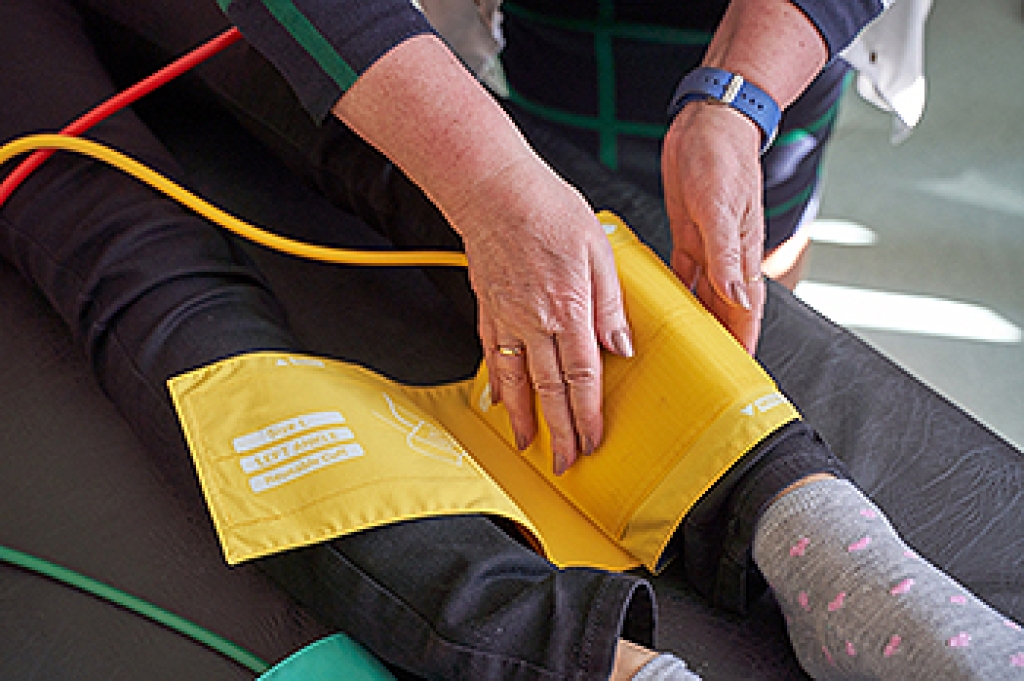
While PAD occurs in the legs and arteries, Podiatrists can diagnose PAD. Podiatrists utilize a test called an ankle-brachial index (ABI). An ABI test compares blood pressure in your arm to you ankle to see if any abnormality occurs. Ultrasound and imaging devices may also be used.

Treatment

Fortunately, lifestyle changes such as maintaining a healthy diet, exercising, managing cholesterol and blood sugar levels, and quitting smoking, can all treat PAD. Medications that prevent clots from occurring can be prescribed. Finally, in some cases, surgery may be recommended.

If you have any questions, please feel free to contact our offices located in Duryea and Bangor, PA . We offer the newest diagnostic and treatment technologies for all your foot care needs.

Read more about Peripheral Artery Disease

Connect With Us