
Common Foot Problems

Foot pain is a widespread issue affecting millions of Americans daily. It can hinder your ability to work, socialize, and function effectively. The most commonly reported complaints of foot pain are bunions, flat feet, hammertoes, ingrown toenails, and plantar fasciitis. Bunions are characterized by a painful bump at the base of the big toe. Conservative approaches include wearing roomy shoes, using toe sleeves, and employing toe spacers. In severe cases, minimally invasive surgical options are available. Fallen arches, commonly known as flat feet, can cause chronic pain in the arch, ankle, and leg due to the loss of tendon elasticity. Hammertoes present as claw-like deformities in the toe joint, leading to discomfort, especially when the toe rubs against the shoe. Ingrown toenails occur when a toenail grows into the flesh surrounding it. This can cause extreme pain and can easily become infected, which requires prescribed antibiotic cream or possible nail removal. Plantar fasciitis is known for causing excessive heel pain from tears in the plantar fascia tissue that runs beneath the foot. Addressing foot pain is important for maintaining a high quality of life. Whether opting for conservative or surgical interventions, it is suggested that you make an appointment with a podiatrist to determine the most appropriate treatment plan for your specific foot condition. 

Foot Pain

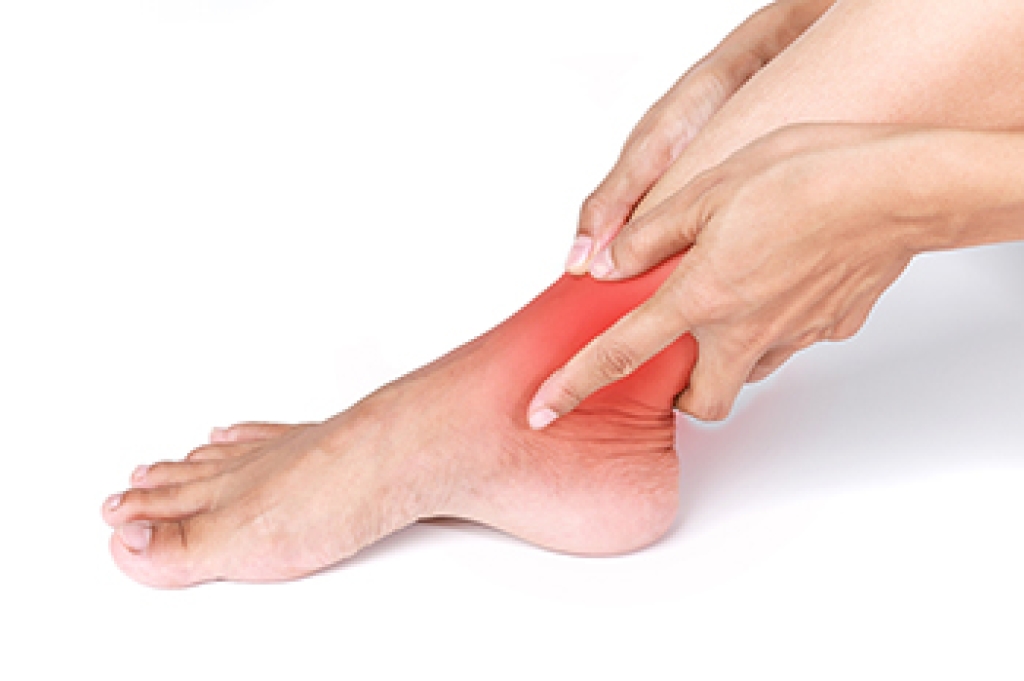
Foot pain can be extremely painful and debilitating. If you have a foot pain, consult with one of our podiatrists  from David A. Scalzo, DPM, PC and Associates. Our doctors will assess your condition and provide you with quality foot and ankle treatment.

Causes

Foot pain is a very broad condition that could be caused by one or more ailments. The most common include:

  • Bunions
  • Hammertoes
  • Plantar Fasciitis
  • Bone Spurs
  • Corns
  • Tarsal Tunnel Syndrome
  • Ingrown Toenails
  • Arthritis (such as Gout, Rheumatoid, and Osteoarthritis)
  • Flat Feet
  • Injury (from stress fractures, broken toe, foot, ankle, Achilles tendon ruptures, and sprains)
  • And more

Diagnosis

To figure out the cause of foot pain, podiatrists utilize several different methods. This can range from simple visual inspections and sensation tests to X-rays and MRI scans. Prior medical history, family medical history, and any recent physical traumatic events will all be taken into consideration for a proper diagnosis.

Treatment

Treatment depends upon the cause of the foot pain. Whether it is resting, staying off the foot, or having surgery; podiatrists have a number of treatment options available for foot pain.

If you have any questions, please feel free to contact our offices located in Duryea and Bangor, PA . We offer the newest diagnostic and treatment technologies for all your foot care needs.

Read more about Foot Pain

Diagnosing Tarsal Tunnel Syndrome

Tarsal tunnel syndrome is a rare condition that affects the nerves in the foot and ankle. It can cause foot pain or tingly sensations and may weaken some foot muscles. This syndrome is usually caused by things like wearing shoes that do not fit well, or by a tight cast. Sometimes, injuries like sprains or fractures can also lead to this condition. Rarely, it could be caused by lumps, cysts, or infections. It can be hard to diagnose, but podiatrists rely on a clinical assessment and can use special tests like electromyography, EMG, or electroneurography, ENG. These diagnostic tools show which muscles are having problems because of nerve damage. If it is found that the issue is in the tarsal tunnel area of your foot, the next step is to find out what is causing the nerve to be pinched or squeezed. If you have foot or ankle pain, it is suggested that you make an appointment with a podiatrist for an evaluation, precise treatment, and management strategies for symptom relief.

Tarsal tunnel syndrome can be very uncomfortable to live with. If you are experiencing tarsal tunnel syndrome, contact one of our podiatrists of David A. Scalzo, DPM, PC and Associates. Our doctors can provide the care you need to keep you pain-free and on your feet.

Tarsal Tunnel Syndrome

Tarsal tunnel syndrome, which can also be called tibial nerve dysfunction, is an uncommon condition of misfiring peripheral nerves in the foot. The tibial nerve is the peripheral nerve in the leg responsible for sensation and movement of the foot and calf muscles. In tarsal tunnel syndrome, the tibial nerve is damaged, causing problems with movement and feeling in the foot of the affected leg.

Common Cause of Tarsal Tunnel Syndrome

  • Involves pressure or an injury, direct pressure on the tibial nerve for an extended period of time, sometimes caused by other body structures close by or near the knee.
  • Diseases that damage nerves, including diabetes, may cause tarsal tunnel syndrome.
  • At times, tarsal tunnel syndrome can appear without an obvious cause in some cases.

The Effects of Tarsal Tunnel Syndrome

  • Different sensations, an afflicted person may experience pain, tingling, burning or other unusual sensations in the foot of the affected leg.
  • The foot muscles, toes and ankle become weaker, and curling your toes or flexing your foot can become difficult.
  • If condition worsens, infections and ulcers may develop on the foot that is experiencing the syndrome.

A physical exam of the leg can help identify the presence of tarsal tunnel syndrome. Medical tests, such as a nerve biopsy, are also used to diagnose the condition. Patients may receive physical therapy and prescriptive medication. In extreme cases, some may require surgery.

If you have any questions please contact our offices located in Duryea and Bangor, PA . We offer the newest diagnostic and treatment technologies for all your foot and ankle needs.

Read more about Treating Tarsal Tunnel Syndrome

Heel Pain in the Morning?

Heel pain can negatively affect your day-to-day life. Simple activities like walking can become incredibly uncomfortable or painful due to heel pain.

Don’t live with heel pain and get treated.

Common Reasons Behind Foot Swelling

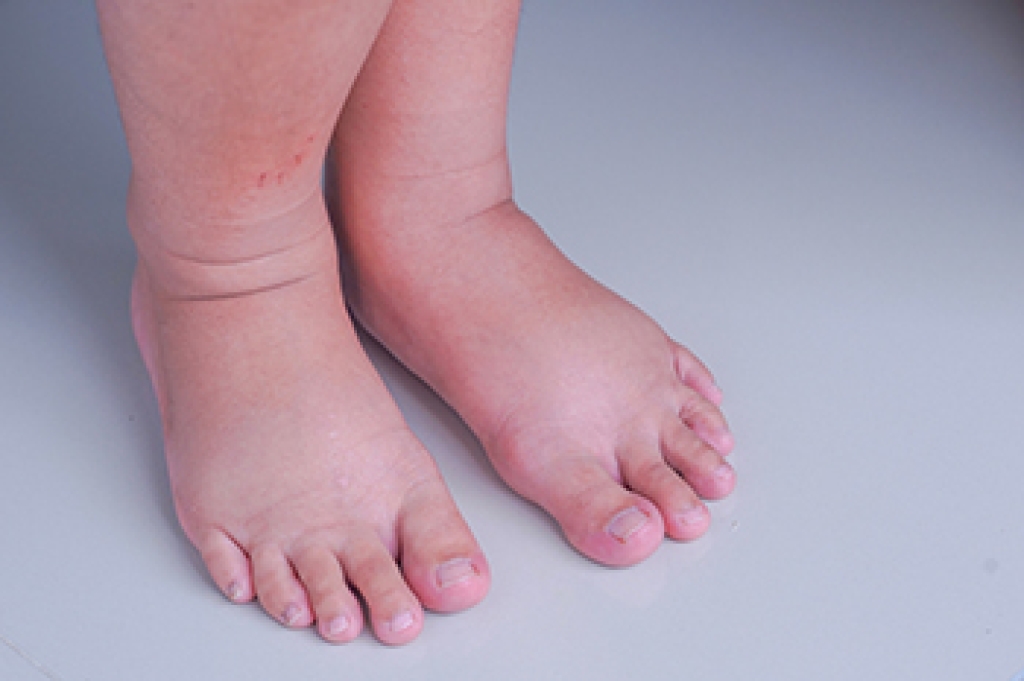
Foot swelling, also known as edema, can be uncomfortable and concerning. Knowing what caused your feet to swell can help to address it effectively. One prevalent cause is standing or sitting for extended periods, which can impede blood circulation and lead to fluid accumulation in the feet and ankles. Additionally, injuries or strains can cause localized swelling, while sprains and fractures may result in more severe swelling. Certain medical conditions like deep vein thrombosis, hypertension, and heart disease can contribute to foot edema due to their impact on circulation. Hormonal changes during pregnancy can lead to fluid retention and swollen feet. In some cases, medications may have this side effect. Obesity is another significant factor, as excess weight can add pressure on the veins and lead to swelling. If you have swollen feet, it is strongly suggested that you visit a podiatrist who can determine the cause and provide treatment.

Swollen feet can be a sign of an underlying condition. If you have any concerns, contact one of our podiatrists of David A. Scalzo, DPM, PC and Associates. Our doctors can provide the care you need to keep you pain-free and on your feet.

Swollen feet are a common ailment among pregnant women and people who stand or sit for extended periods. Aging may increase the possibility of swollen feet and patients who are obese often notice when their feet are swelling too. There may be medical reasons why swollen feet occur:

  • Phlebitis - A condition that causes the veins to become inflamed and can also cause leg pain.
  • Liver disease - This may lead to low blood levels of albumin which is a protein. This can cause fluid in the blood to pass into the tissues and several areas of the body can become swollen.
  • Heart failure - When the heart doesn’t pump properly the blood that is normally pumped back to the heart can pool in the veins of the legs causing swollen feet.
  • Kidney disease - One of the main functions of the kidneys is releasing excess fluid in the body. This type of condition can make it difficult for the kidneys to function properly, and as a result the feet may become swollen.
  • Deep-vein thrombosis (DVT)- This is a serious condition where blood clots form in the veins of the legs. They can block the return of blood from the legs to the heart which may cause the feet to swell. It is important to be treated by a podiatrist if this condition is present.

Swollen feet can also be caused by bone and tendon conditions, including fractures, arthritis, and tendinitis. Additionally, there may be skin and toenail conditions and an infection may cause the feet to swell. Patients who take medicine to treat high blood pressure may be prone to getting swollen feet. 

Many patients elevate their feet to help relieve the swelling and this is generally a temporary remedy. When a podiatrist is consulted the reason behind the swelling can be uncovered and subsequently treated.

If you have any questions please contact our offices located in Duryea and Bangor, PA . We offer the newest diagnostic and treatment technologies for all your foot and ankle needs.

Read more about Swelling of the Feet

Detrimental Effects of Wearing High Heels

High heels are a popular fashion choice, often adding a stylish touch to special occasions. However, one should be aware of the potential negative effects on foot health when worn regularly. High heels can lead to various foot problems, including bunions, blisters, corns, and calluses. One common side effect is lower back pain, as these shoes lack adequate foot support, causing an uneven weight distribution. Foot pain is prevalent due to circulation problems and metatarsalgia. Ankle sprains, broken ankles, and awkward spinal curvature may result from wearing high heels, especially on uneven surfaces. Furthermore, high heels can constrict blood vessels and hinder natural blood flow, potentially leading to varicose veins and deformities such as hammertoe. They can also weaken ligaments and increase pressure on the knee joint, possibly causing osteoarthritis. If you enjoy wearing high heels, it is suggested that you make an appointment with a podiatrist to discuss the frequency of wear and consider alternative footwear choices that may help prevent potential health issues.

High heels have a history of causing foot and ankle problems. If you have any concerns about your feet or ankles, contact one of our podiatrists from David A. Scalzo, DPM, PC and Associates. Our doctors can provide the care you need to keep you pain-free and on your feet.

Effects of High Heels on the Feet

High heels are popular shoes among women because of their many styles and societal appeal.  Despite this, high heels can still cause many health problems if worn too frequently.

Which Parts of My Body Will Be Affected by High Heels?

  • Ankle Joints
  • Achilles Tendon – May shorten and stiffen with prolonged wear
  • Balls of the Feet
  • Knees – Heels cause the knees to bend constantly, creating stress on them
  • Back – They decrease the spine’s ability to absorb shock, which may lead to back pain.  The vertebrae of the lower back may compress.

What Kinds of Foot Problems Can Develop from Wearing High Heels?

  • Corns
  • Calluses
  • Hammertoe
  • Bunions
  • Morton’s Neuroma
  • Plantar Fasciitis

How Can I Still Wear High Heels and Maintain Foot Health?

If you want to wear high heeled shoes, make sure that you are not wearing them every day, as this will help prevent long term physical problems.  Try wearing thicker heels as opposed to stilettos to distribute weight more evenly across the feet.  Always make sure you are wearing the proper shoes for the right occasion, such as sneakers for exercising.  If you walk to work, try carrying your heels with you and changing into them once you arrive at work.  Adding inserts to your heels can help cushion your feet and absorb shock. Full foot inserts or metatarsal pads are available. 

If you have any questions, please feel free to contact our offices located in Duryea and Bangor, PA . We offer the newest diagnostic and treatment technologies for all your foot care needs.
Read more about Effect of High Heels on the Feet

Connect With Us