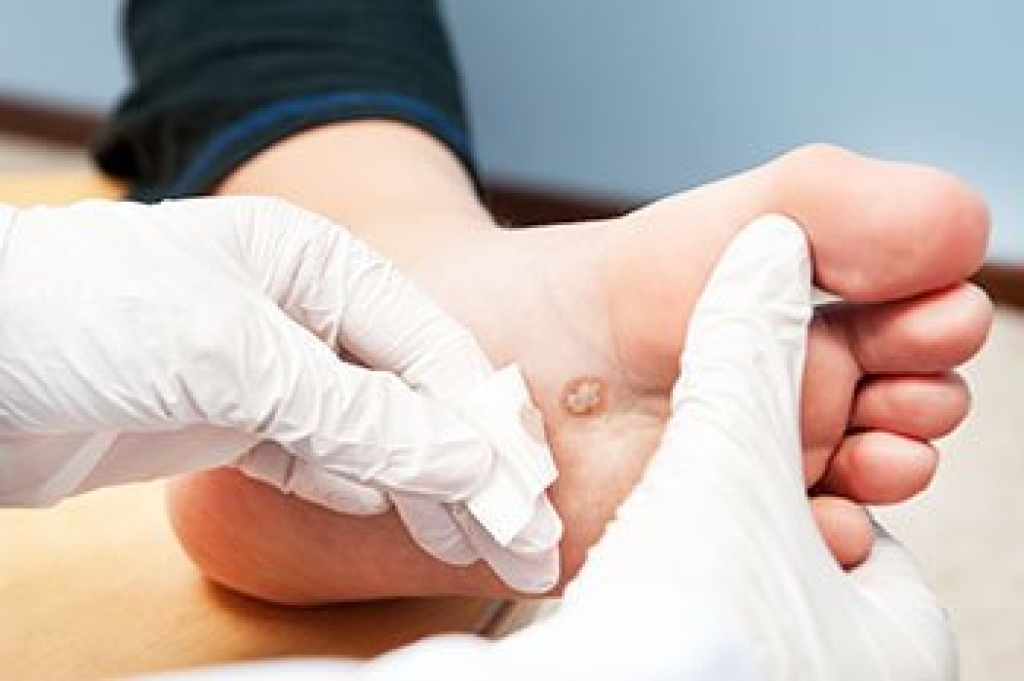
How Did I Get This Plantar Wart?

Plantar warts are small growths that appear on the soles of the feet, often caused by the human papillomavirus, or HPV. They typically develop in areas of pressure, such as the heels or balls of the feet, where the virus enters through small cuts or cracks in the skin. Symptoms include a rough, grainy texture on the bottom of the foot, pain or tenderness when walking, and tiny black dots in the wart, which are blood vessels. The wart may grow larger or multiply over time, if left untreated. A podiatrist can diagnose plantar warts through a physical exam and may remove a small sample for testing, if needed. Treatment options include topical medication, cryotherapy, or minor surgical removal. In some cases, mild treatments may also help, but professional care ensures the most effective and thorough removal. If you have a painful plantar wart, it is suggested that you schedule an appointment with a podiatrist for a proper diagnosis and appropriate treatment plan.

Plantar warts can be very uncomfortable. If you need your feet checked, contact one of our podiatrists from David A. Scalzo, DPM, PC and Associates. Our doctors will assist you with all of your foot and ankle needs.

About Plantar Warts

Plantar warts are the result of HPV, or human papillomavirus, getting into open wounds on the feet. They are mostly found on the heels or balls of the feet.

While plantar warts are generally harmless, those experiencing excessive pain or those suffering from diabetes or a compromised immune system require immediate medical care. Plantar warts are easily diagnosed, usually through scraping off a bit of rough skin or by getting a biopsy.

Symptoms

  • Lesions on the bottom of your feet, usually rough and grainy
  • Hard or thick callused spots
  • Wart seeds, which are small clotted blood vessels that look like little black spots
  • Pain, discomfort, or tenderness of your feet when walking or standing

Treatment

  • Freezing
  • Electric tool removal
  • Laser Treatment
  • Topical Creams (prescription only)
  • Over-the-counter medications

To help prevent developing plantar warts, avoid walking barefoot over abrasive surfaces that can cause cuts or wounds for HPV to get into. Avoiding direct contact with other warts, as well as not picking or rubbing existing warts, can help prevent the further spread of plantar warts. However, if you think you have developed plantar warts, speak to your podiatrist. He or she can diagnose the warts on your feet and recommend the appropriate treatment options.

If you have any questions, please feel free to contact our offices located in Duryea and Bangor, PA . We offer the newest diagnostic and treatment technologies for all your foot care needs.


Read more about What Are Plantar Warts?

Risk Factors of Ankle Sprains in Athletes

An acute ankle sprain occurs when the foot twists or rolls in an unnatural way. The term acute means that the injury happened recently and suddenly, rather than over time. Athletes involved in sports that involve jumping, quick direction changes, or uneven surfaces are more at risk. An acute ankle sprain causes immediate pain, swelling, and difficulty walking. Most acute sprains affect the ligaments on the outside of the ankle, particularly the one that connects the outer ankle bone to the foot. Ligaments help keep the ankle stable, and when they are stretched or torn, the ankle can become weak or unstable. Without proper care, athletes risk repeated sprains and long-term problems like chronic pain or joint stiffness. A podiatrist can determine the severity of the ankle injury, recommend bracing or walking support, and discuss surgery, if needed. If you have sprained an ankle, it is suggested that you make an immediate appointment with a podiatrist.

Ankle sprains are common but need immediate attention. If you need your feet checked, contact one of our podiatrists from David A. Scalzo, DPM, PC and Associates. Our doctors can provide the care you need to keep you pain-free and on your feet.

How Does an Ankle Sprain Occur?

Ankle sprains take place when the ligaments in your ankle are torn or stretched beyond their limits. There are multiple ways that the ankle can become injured, including twisting or rolling over onto your ankle, putting undue stress on it, or causing trauma to the ankle itself.

What Are the Symptoms?

  • Mild to moderate bruising
  • Limited mobility
  • Swelling
  • Discoloration of the skin (depending on severity)

Preventing a Sprain

  • Wearing appropriate shoes for the occasion
  • Stretching before exercises and sports
  • Knowing your limits

Treatment of a Sprain

Treatment of a sprain depends on the severity.  Many times, people are told to rest and remain off their feet completely, while others are given an air cast. If the sprain is very severe, surgery may be required.

If you have suffered an ankle sprain previously, you may want to consider additional support such as a brace and regular exercises to strengthen the ankle.

If you have any questions please feel free to contact our offices located in Duryea and Bangor, PA . We offer the newest diagnostic tools and technology to treat your foot and ankle needs.

Read more about Three Grades of Ankle Sprains

Most Hammertoes Start With Muscle Imbalance

Hammertoes often begin when there is an imbalance between the muscles and tendons that control toe movement. Over time, this imbalance causes the toe to bend downward at the middle joint, creating a fixed or flexible deformity. Wearing poorly fitting shoes can make the problem worse, especially styles that squeeze the toes or force them into an unnatural position. High arches, flat feet, and certain nerve or joint conditions can also contribute by changing the way pressure is distributed across the foot. As the toe becomes more rigid, it may rub against shoes, leading to corns, calluses, and pain. Early treatment can help prevent progression and may reduce the need for surgery. If you have a toe that is beginning to curl or cause discomfort, it is suggested that you see a podiatrist for a proper diagnosis and appropriate treatment.

Hammertoes can be a painful condition to live with. For more information, contact one of our podiatrists of David A. Scalzo, DPM, PC and Associates. Our doctors will answer any of your foot- and ankle-related questions.

Hammertoe

Hammertoe is a foot deformity that occurs due to an imbalance in the muscles, tendons, or ligaments that normally hold the toe straight. It can be caused by the type of shoes you wear, your foot structure, trauma, and certain disease processes.

Symptoms

  • Painful and/or difficult toe movement
  • Swelling
  • Joint stiffness
  • Calluses/Corns
  • Physical deformity

Risk Factors

  • Age – The risk of hammertoe increases with age
  • Sex – Women are more likely to have hammertoe compared to men
  • Toe Length – You are more likely to develop hammertoe if your second toe is longer than your big toe
  • Certain Diseases – Arthritis and diabetes may make you more likely to develop hammertoe

Treatment

If you have hammertoe, you should change into a more comfortable shoe that provides enough room for your toes. Exercises such as picking up marbles may strengthen and stretch your toe muscles. Nevertheless, it is important to seek assistance from a podiatrist in order to determine the severity of your hammertoe and see which treatment option will work best for you.

If you have any questions, please feel free to contact our offices located in Duryea and Bangor, PA . We offer the newest diagnostic and treatment technologies for all your foot care needs.

Read more about What Are Hammertoes?

Heel Pain in the Morning?

Heel pain can negatively affect your day-to-day life. Simple activities like walking can become incredibly uncomfortable or painful due to heel pain.

Don’t live with heel pain and get treated.

Diabetic Foot Infections

Diabetic foot infections are a serious complication of diabetes that can last weeks or even months, if not treated properly. High blood sugar levels can damage nerves and reduce blood flow, making it harder for wounds to heal and increasing the risk of infection. Symptoms may include redness, swelling, warmth, foul odor, drainage, or even blackened skin in severe cases. You may not always feel pain due to nerve damage, so regular foot checks are essential. Infections often start from small cuts, blisters, or ulcers that go unnoticed and worsen over time. A podiatrist plays a vital role in managing diabetic foot infections. They can perform wound care, remove infected tissue, prescribe antibiotics, recommend diabetic-friendly footwear, and monitor healing. In advanced cases, hospitalization or surgery may be necessary to prevent the spread of infection. If you have diabetes and are dealing with foot infections, it is suggested that you are under the care of a podiatrist.

Diabetic foot care is important in preventing foot ailments such as ulcers. If you are suffering from diabetes or have any other concerns about your feet, contact one of our podiatrists from David A. Scalzo, DPM, PC and Associates. Our doctors can provide the care you need to keep you pain-free and on your feet.

Diabetic Foot Care

Diabetes affects millions of people every year. The condition can damage blood vessels in many parts of the body, especially the feet. Because of this, taking care of your feet is essential if you have diabetes, and having a podiatrist help monitor your foot health is highly recommended.

The Importance of Caring for Your Feet

  • Routinely inspect your feet for bruises or sores.
  • Wear socks that fit your feet comfortably.
  • Wear comfortable shoes that provide adequate support.

Patients with diabetes should have their doctor monitor their blood levels, as blood sugar levels play such a huge role in diabetic care. Monitoring these levels on a regular basis is highly advised.

It is always best to inform your healthcare professional of any concerns you may have regarding your feet, especially for diabetic patients. Early treatment and routine foot examinations are keys to maintaining proper health, especially because severe complications can arise if proper treatment is not applied.

If you have any questions, please feel free to contact our offices located in Duryea and Bangor, PA . We offer the newest diagnostic and treatment technologies for all your foot care needs.

Read more about Diabetic Foot Care

Connect With Us