The Important Role of Daily Foot Care

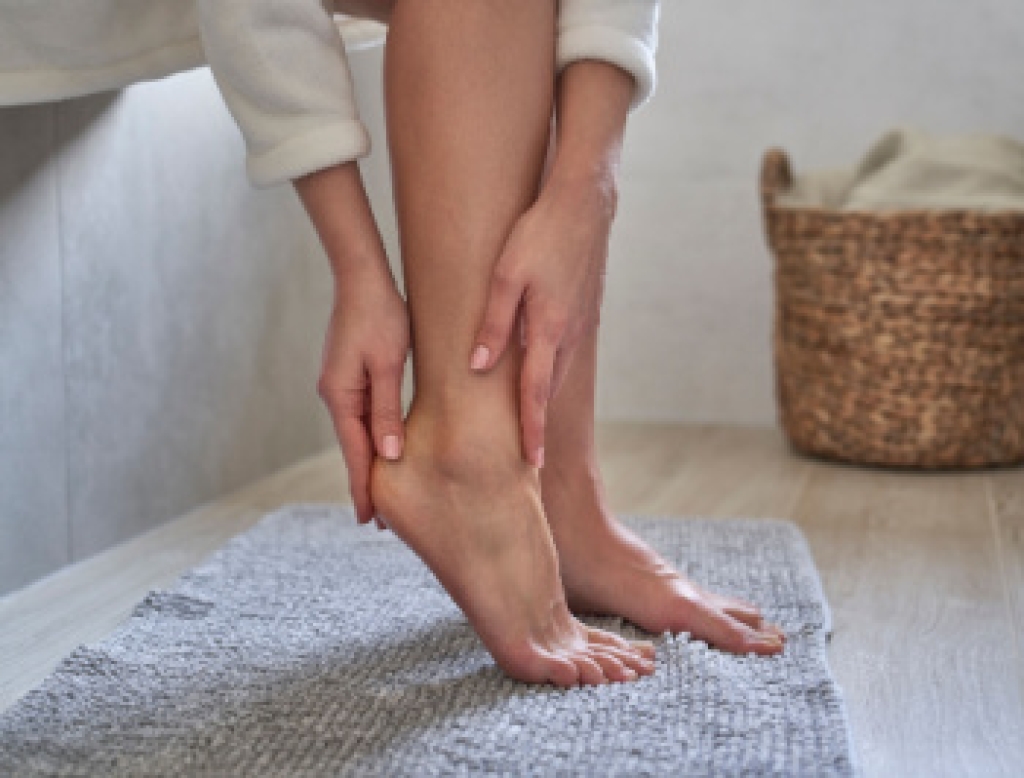
In the bustle of daily life, the significance of consistent foot care often escapes notice. The feet carry you through each day and deserve thoughtful care to maintain overall well-being. Practicing everyday foot care is not just a luxury, but a necessity. Regular inspection and cleansing can help to prevent issues such as fungal infections and calluses from escalating. Moisturizing keeps the skin supple and prevents painful cracks. Trimming nails properly helps evade ingrown toenails, a common source of discomfort. Choosing comfortable, supportive footwear is paramount in preventing long-term structural problems and pain. Additionally, incorporating simple exercises and stretches into daily routines enhances foot strength and flexibility. By prioritizing daily foot care, individuals invest in their mobility, comfort, and overall health. If you experience any type of foot pain, it is suggested that you consult a podiatrist who can conduct an exam and offer both a diagnosis and treatment.

Everyday foot care is very important to prevent infection and other foot ailments. If you need your feet checked, contact one of our podiatrists from David A. Scalzo, DPM, PC and Associates. Our doctors can provide the care you need to keep you pain-free and on your feet.

Everyday Foot Care

Often, people take care of their bodies, face and hair more so than they do for their feet. But the feet are a very important aspect of our bodies, and one that we should pay more attention to. Without our feet, we would not be able to perform most daily tasks.

It is best to check your feet regularly to make sure there are no new bruises or cuts that you may not have noticed before. For dry feet, moisturizer can easily be a remedy and can be applied as often as necessary to the affected areas. Wearing shoes that fit well can also help you maintain good foot health, as well as making it easier to walk and do daily activities without the stress or pain of ill-fitting shoes, high heels, or even flip flops. Wearing clean socks with closed shoes is important to ensure that sweat and bacteria do not accumulate within the shoe. Clean socks help to prevent Athlete’s foot, fungi problems, bad odors, and can absorb sweat.

If you have any questions, please feel free to contact our office located in Duryea, PA . We offer the newest diagnostic and treatment technologies for all your foot care needs.
Read more about Every Day Foot Care

Preventing Common Workplace Foot Injuries

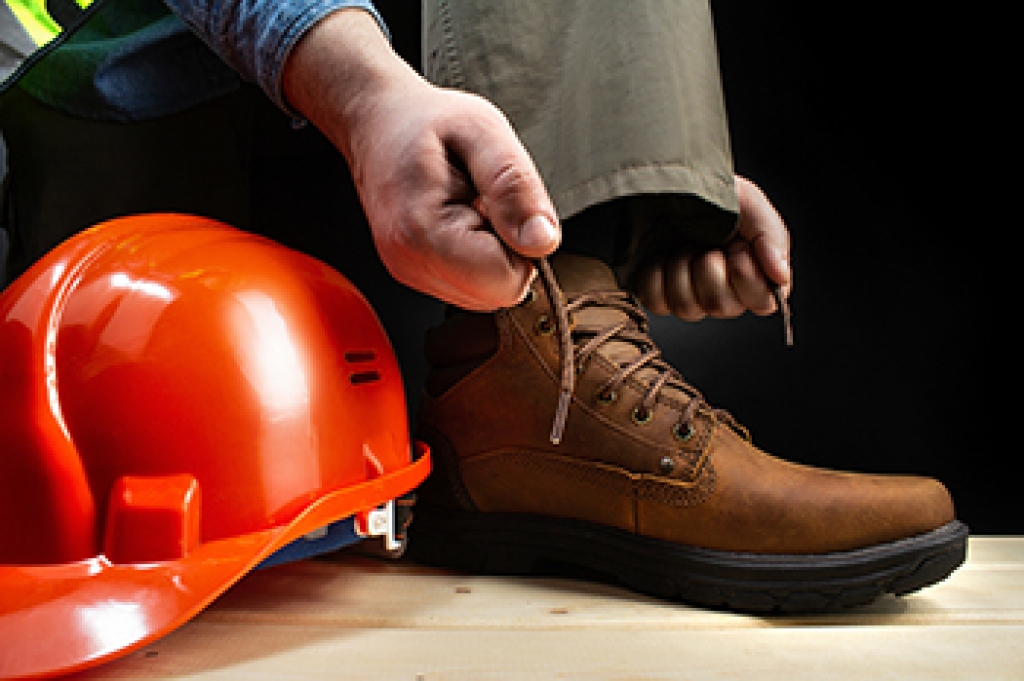
Workplace foot injuries are not only painful but can also lead to lost productivity and reduced quality of life. To avoid such mishaps, consider these essential strategies. First and foremost, wearing proper footwear is key. Invest in sturdy, comfortable shoes or boots designed for your specific work environment. Ensure they fit well and provide ample support. Second, keep your workspace clutter-free. Remove any obstacles or tripping hazards that could lead to slips and falls. Next, practice good housekeeping, ensuring spilled liquids are cleaned promptly. Additionally, stay mindful of the ergonomic design of your workspace, which can reduce the strain on your feet. Last but not least, if your job involves heavy lifting or dangerous machinery, always use the provided safety gear. This can include wearing steel-toed boots and foot guards to protect against falling objects or potential crushing accidents. By staying vigilant and following these guidelines, you can significantly reduce the risk of common foot injuries in the workplace and keep your feet in top condition. If you would like information about appropriate shoes to wear for work, it is suggested that you visit a podiatrist. 

While working on the feet, it is important to take the proper care of them. For more information about working on your feet, contact one of our podiatrists from David A. Scalzo, DPM, PC and Associates. Our doctors will treat your foot and ankle needs.

Working on Your Feet

Standing on your feet for long periods of time can cause stress and pain in your feet. Your whole body may experience change in terms of posture, back pain, bunions, callouses and or plantar warts. There are ways to avoid these conditions with proper foot care, smart choices and correct posture.

Positive Changes

Negative heeled shoe – Choosing this shoe type places the heel slightly lower than the ball of the foot. These are great for overall foot health. Find shoes that fit you correctly.

Go barefoot – Our feet were not designed to be enclosed for all hours of the day. Try to periodically expose your feet to air.

Eliminate Pain

Foot Exercises – Performing simple exercises, incorporating yoga and doing stretches are beneficial. This will allow increased blood flow to the area and muscles of the foot.

Achilles tendon – Stretching the foot out flat on the floor will relax the calf muscles and tendon. These exercises can be performed almost anywhere. Make sure you add these exercises to your daily regimen. 

With a little bit of this information and knowing more about foot health, you will notice changes. Foot stretches and proper footwear will help with pain and prevent further issues.

If you have any questions please contact our office located in Duryea, PA . We offer the newest diagnostic and treatment technologies for all your foot and ankle needs.

Read more about Working on Your Feet

Why Live with Pain and Numbness in Your Feet?

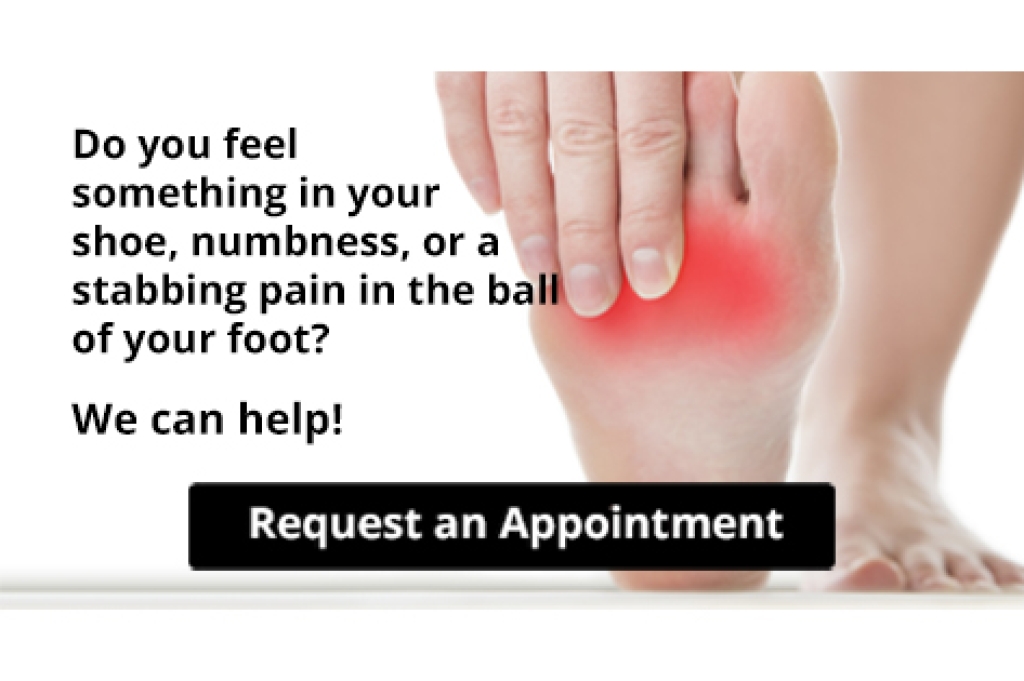
Suffering from this type of pain? You may have the foot condition known as Morton's neuroma. Morton's neuroma may develop as a result of ill-fitting footwear and existing foot deformities. We can help.

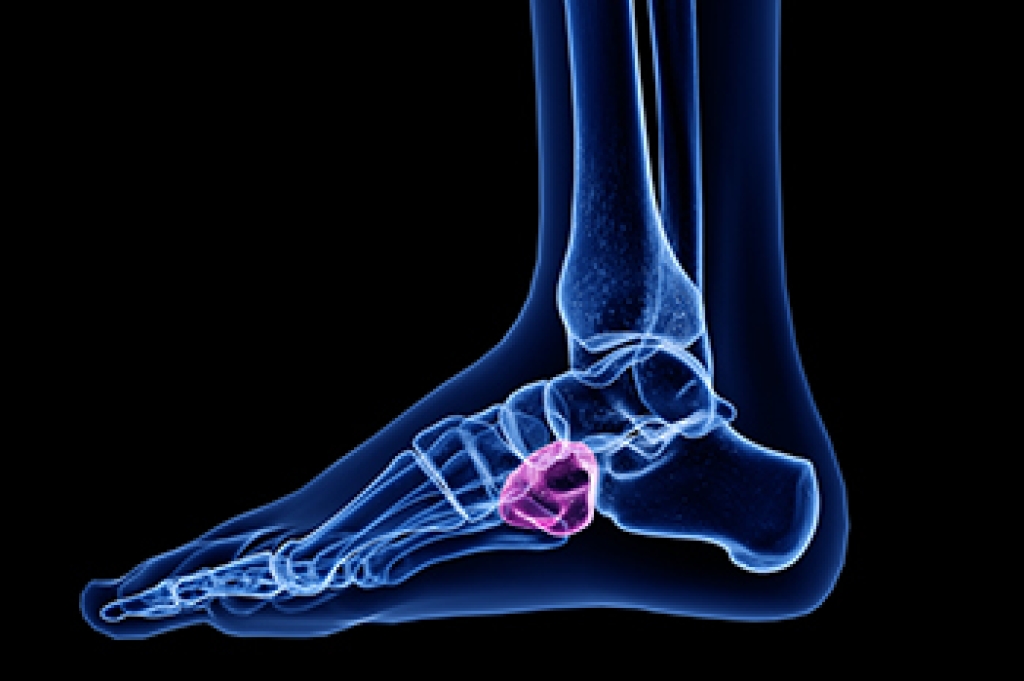
What Area of the Foot Is Affected by Cuboid Syndrome?

Cuboid syndrome, a lesser-known but impactful foot ailment, develops in the lateral midfoot region. Situated on the outer side of the foot, the cuboid bone plays a pivotal role in maintaining the stability and functionality of the foot's arch. When this small, cube-shaped bone becomes dislocated or irritated, it gives rise to cuboid syndrome. The affected area often encompasses the lateral aspect of the foot, extending from the midfoot toward the outer edge. Symptoms can include pain, swelling, and a decreased range of motion, affecting the smooth coordination of the foot during movement. Precise anatomical alignment is vital for the cuboid and its neighboring bones, and any disruption can lead to discomfort. If you have endured an injury and there is existing pain in the outer area of your foot, it is suggested that you visit a podiatrist who can accurately diagnose and treat cuboid syndrome.

Cuboid syndrome, also known as cuboid subluxation, occurs when the joints and ligaments near the cuboid bone in the foot become torn. If you have cuboid syndrome, consult with one of our podiatrists  from David A. Scalzo, DPM, PC and Associates. Our doctors will assess your condition and provide you with quality foot and ankle treatment.

Cuboid syndrome is a common cause of lateral foot pain, which is pain on the outside of the foot. The condition may happen suddenly due to an ankle sprain, or it may develop slowly overtime from repetitive tension through the bone and surrounding structures.

Causes

The most common causes of cuboid syndrome include:

  • Injury – The most common cause of this ailment is an ankle sprain.
  • Repetitive Strain – Tension placed through the peroneus longus muscle from repetitive activities such as jumping and running may cause excessive traction on the bone causing it to sublux.
  • Altered Foot Biomechanics – Most people suffering from cuboid subluxation have flat feet.

Symptoms

A common symptom of cuboid syndrome is pain along the outside of the foot which can be felt in the ankle and toes. This pain may create walking difficulties and may cause those with the condition to walk with a limp.

Diagnosis

Diagnosis of cuboid syndrome is often difficult, and it is often misdiagnosed. X-rays, MRIs and CT scans often fail to properly show the cuboid subluxation. Although there isn’t a specific test used to diagnose cuboid syndrome, your podiatrist will usually check if pain is felt while pressing firmly on the cuboid bone of your foot.

Treatment

Just as the range of causes varies widely, so do treatments. Some more common treatments are ice therapy, rest, exercise, taping, and orthotics.

If you have any questions, please feel free to contact our office located in Duryea, PA . We offer the newest diagnostic and treatment technologies for all your foot care needs.
Read more about All About Cuboid Syndrome

Causes and Symptoms of Toenail Fungus

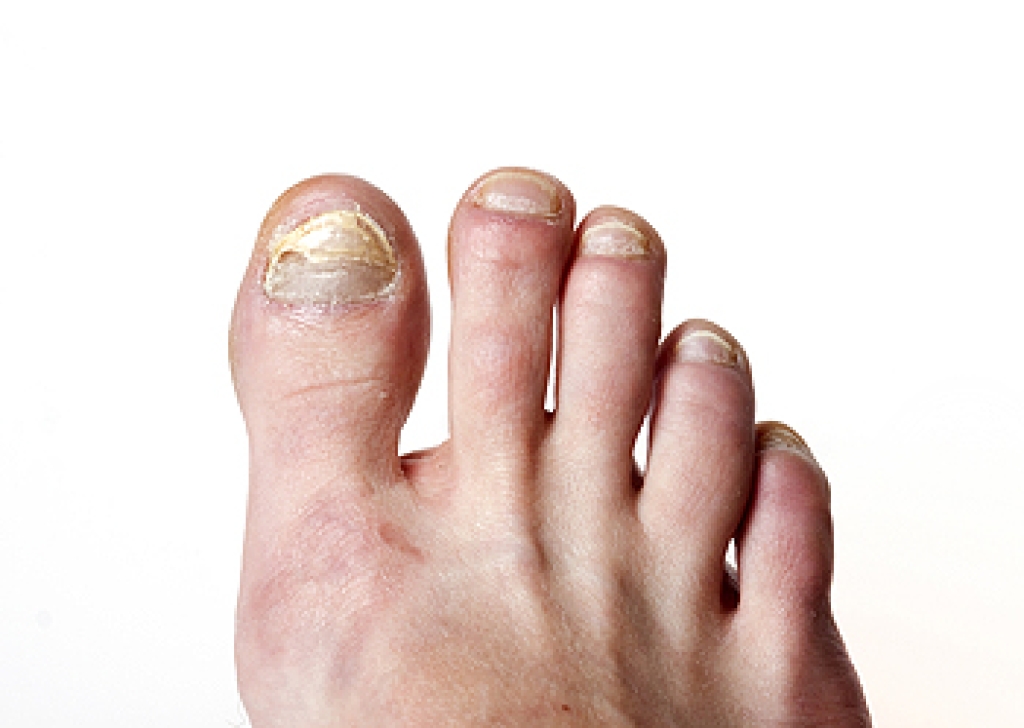
Toenail fungus, medically known as onychomycosis, is a common nail infection that can be both unsightly and uncomfortable. It typically occurs when fungal organisms, like dermatophytes, infiltrate the nail bed through small cuts or separations in the nail or surrounding skin. The symptoms of toenail fungus are recognizable. Infected nails often become discolored, appearing yellow, brown, or white, and they may thicken and become brittle. As the fungus progresses, the nails can become crumbly and ragged. In some cases, they may emit a foul odor. Other potential signs of toenail fungus include pain or discomfort, especially while wearing shoes. The infection can also spread to other nails or the surrounding skin, leading to additional fungal growth and irritation. If you have noticed the beginning signs of toenail fungus, it is strongly suggested that you schedule an appointment with a podiatrist who can promptly begin the appropriate treatment.

For more information about treatment, contact one of our podiatrists of David A. Scalzo, DPM, PC and Associates. Our doctors can provide the care you need to keep you pain-free and on your feet.

Toenail Fungus Treatment

Toenail fungus is a condition that affects many people and can be especially hard to get rid of. Fortunately, there are several methods to go about treating and avoiding it.

Antifungals & Deterrence

Oral antifungal medicine has been shown to be effective in many cases. It is important to consult with a podiatrist to determine the proper regiment for you, or potentially explore other options.

Applying foot powder on the feet and shoes helps keep the feet free of moisture and sweat.

Sandals or open toed shoes – Wearing these will allow air movement and help keep feet dry. They also expose your feet to light, which fungus cannot tolerate. Socks with moisture wicking material also help as well.

If you have any questions please contact our office located in Duryea, PA . We offer the newest diagnostic and treatment technologies for all your foot and ankle needs.

Read more about How to Treat Your Toenail Fungus

Connect With Us