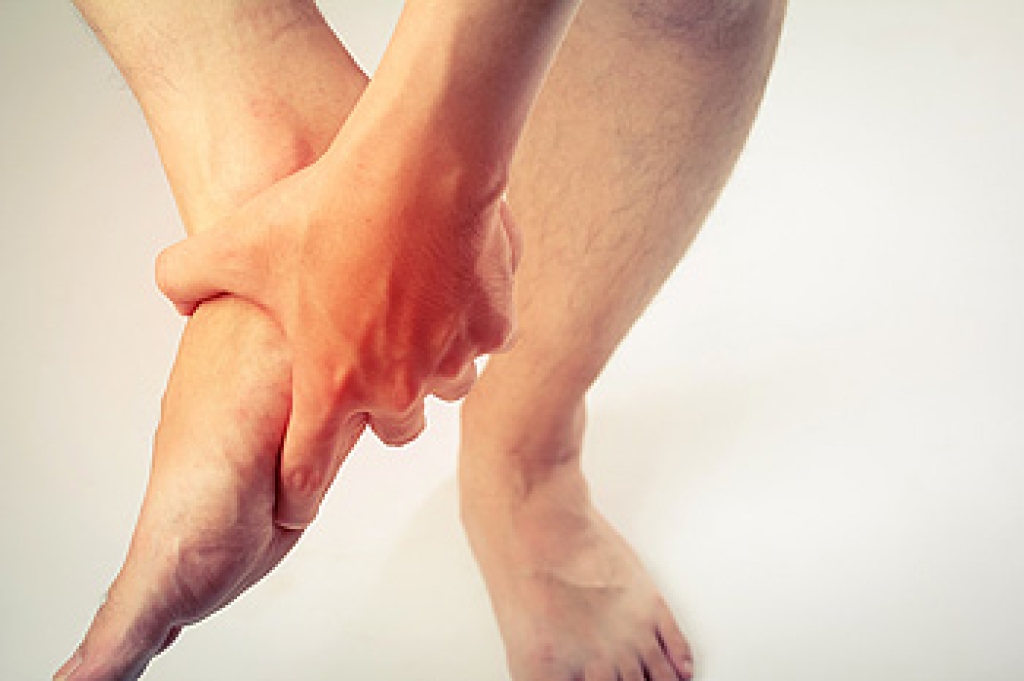
Chronic Plantar Fasciitis

Plantar fasciitis is a common condition caused by inflammation of the plantar fascia, a thick band of tissue connecting the heel to the toes. It typically results in sharp heel pain, especially during the first steps in the morning or after prolonged periods of rest. This condition is often linked to overuse, improper footwear, obesity, or high-impact activities like running. While many cases improve with conservative treatments, plantar fasciitis can become chronic if untreated or mismanaged. Chronic plantar fasciitis occurs when the inflammation persists for several months, leading to degenerative changes in the fascia, ongoing pain, and limited mobility. Treatment for chronic cases may include custom orthotics, targeted exercises, or advanced options like shockwave therapy, injections, or even surgery. If you have ongoing pain from plantar fasciitis, it is suggested that you see a podiatrist who can provide expert care.

Plantar fasciitis is a common foot condition that is often caused by a strain injury. If you are experiencing heel pain or symptoms of plantar fasciitis, contact one of our podiatrists from David A. Scalzo, DPM, PC and Associates. Our doctors can provide the care you need to keep you pain-free and on your feet.

What Is Plantar Fasciitis?

Plantar fasciitis is one of the most common causes of heel pain. The plantar fascia is a ligament that connects your heel to the front of your foot. When this ligament becomes inflamed, plantar fasciitis is the result. If you have plantar fasciitis you will have a stabbing pain that usually occurs with your first steps in the morning. As the day progresses and you walk around more, this pain will start to disappear, but it will return after long periods of standing or sitting.

What Causes Plantar Fasciitis?

  • Excessive running
  • Having high arches in your feet
  • Other foot issues such as flat feet
  • Pregnancy (due to the sudden weight gain)
  • Being on your feet very often

There are some risk factors that may make you more likely to develop plantar fasciitis compared to others. The condition most commonly affects adults between the ages of 40 and 60. It also tends to affect people who are obese because the extra pounds result in extra stress being placed on the plantar fascia.

Prevention

  • Take good care of your feet – Wear shoes that have good arch support and heel cushioning.
  • Maintain a healthy weight
  • If you are a runner, alternate running with other sports that won’t cause heel pain

There are a variety of treatment options available for plantar fasciitis along with the pain that accompanies it. Additionally, physical therapy is a very important component in the treatment process. It is important that you meet with your podiatrist to determine which treatment option is best for you.

If you have any questions, please feel free to contact our office located in Duryea, PA . We offer the newest diagnostic and treatment technologies for all your foot care needs.
 

Read more about Plantar Fasciitis

How Psoriatic Arthritis Affects the Feet

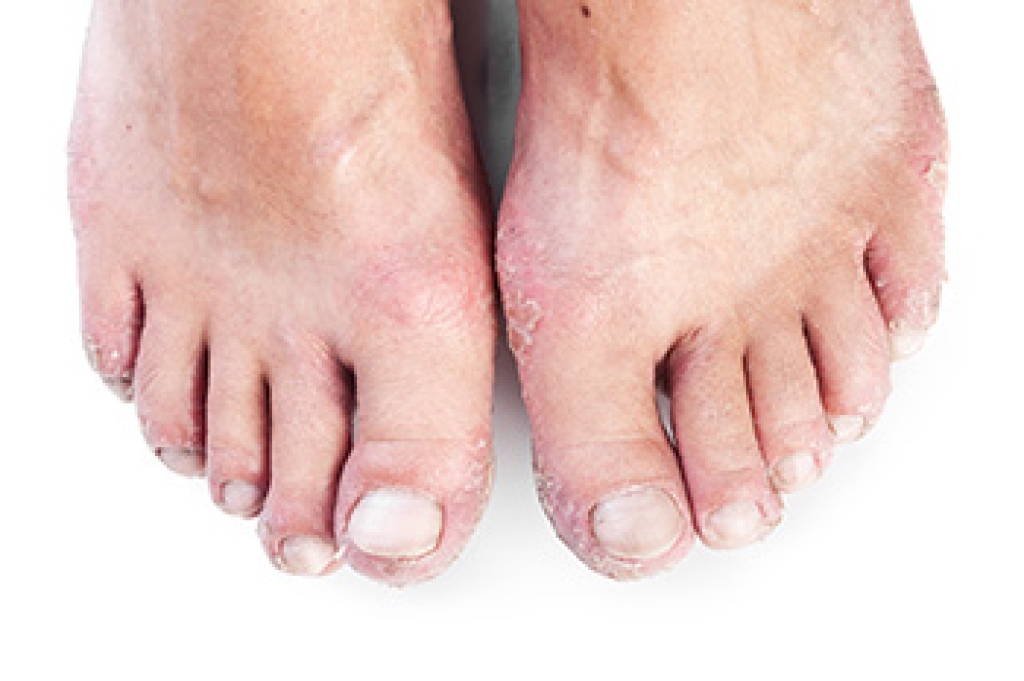
Psoriatic arthritis, or PsA, is a type of arthritis that can cause pain, swelling, and stiffness in the feet, toes, and ankles. People with psoriatic arthritis often experience pain in areas where the foot's tendons or ligaments attach to the bones, particularly in the heel or the bottom of the foot. This can make walking or standing for long periods difficult. Swelling can also affect the toes, making them look sausage-like, which can make daily movements uncomfortable. In addition, changes to the toenails, such as small dents, discoloration, or nails lifting away from the skin, are common. Stiffness in the ankle or foot joints is often worse in the morning or after sitting for a while, which can impede daily activities. Over time, if PsA is not managed properly, it can cause long-term joint damage and limit mobility. A podiatrist can provide treatments to reduce pain, improve foot function, and help you to stay active. If you have foot pain caused by psoriatic arthritis, it is suggested that you schedule an appointment with a podiatrist for an exam and treatment options.

Arthritis can be a difficult condition to live with. If you are seeking treatment, contact one of our podiatrists from David A. Scalzo, DPM, PC and Associates. Our doctors can provide the care you need to keep you pain-free and on your feet.

Arthritic Foot Care  

Arthritis is a term that is commonly used to describe joint pain.  The condition itself can occur to anyone of any age, race, or gender, and there are over 100 types of it.  Nevertheless, arthritis is more commonly found in women compared to men, and it is also more prevalent in those who are overweight. The causes of arthritis vary depending on which type of arthritis you have. Osteoarthritis for example, is often caused by injury, while rheumatoid arthritis is caused by a misdirected immune system.

Symptoms

  • Swelling
  • Pain
  • Stiffness
  • Decreased Range of Motion

Arthritic symptoms range in severity, and they may come and go. Some symptoms stay the same for several years but could potentially get worse with time. Severe cases of arthritis can prevent its sufferers from performing daily activities and make walking difficult.

Risk Factors

  • Occupation – Occupations requiring repetitive knee movements have been linked to osteoarthritis
  • Obesity – Excess weight can contribute to osteoarthritis development
  • Infection – Microbial agents can infect the joints and trigger arthritis
  • Joint Injuries – Damage to joints may lead to osteoarthritis
  • Age – Risk increases with age
  • Gender –Most types are more common in women
  • Genetics – Arthritis can be hereditary

If you suspect your arthritis is affecting your feet, it is crucial that you see a podiatrist immediately. Your doctor will be able to address your specific case and help you decide which treatment method is best for you.

If you have any questions please feel free to contact our office located in Duryea, PA . We offer the newest diagnostic tools and technology to treat your foot and ankle needs.

Read more about How to Care for Your Arthritic Foot

Understanding Diabetic Heel Fissures

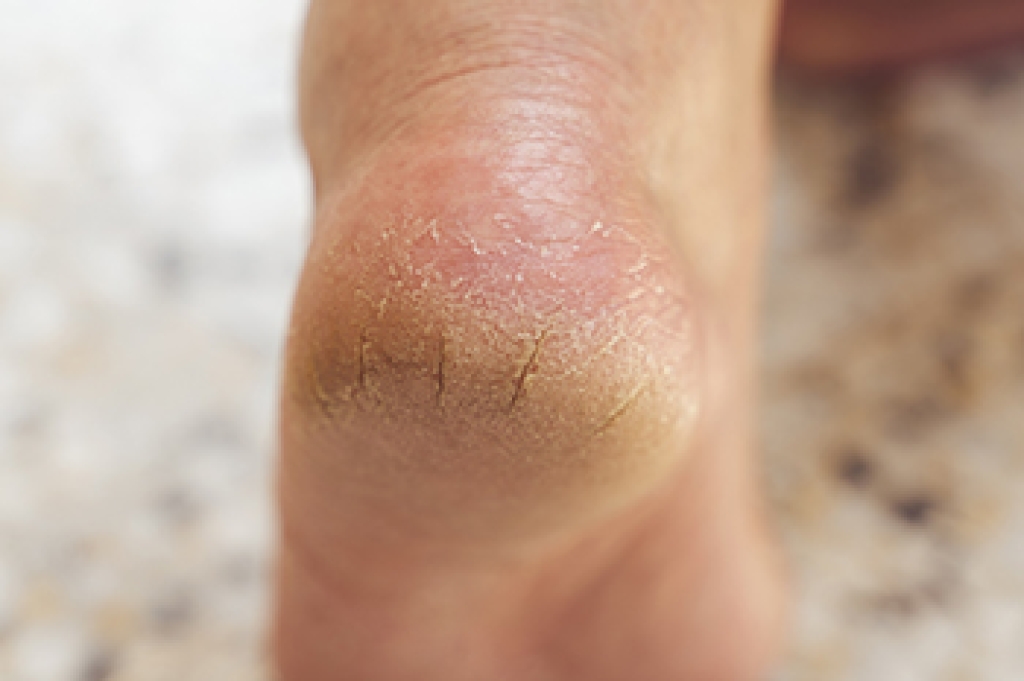
Cracked heels, or heel fissures, occur when the skin surrounding the heels becomes dry, thickened, and inflamed. One common cause of cracked heels is diabetes, where poor circulation and nerve damage lead to dry skin and a higher risk of infections. Diabetic heel fissures are often more severe due to decreased sensitivity in the feet, which can prevent individuals from noticing wounds early. Other causes include prolonged standing, wearing ill-fitting shoes, or having flat feet, which increase pressure on the heels. Symptoms of cracked heels include pain, redness, swelling, and visible cracks or splits in the skin, sometimes accompanied by bleeding or infection. If you have diabetes and have developed cracked heels, it is suggested that you are under the care of a podiatrist who can offer effective relief and treatment therapies.

If the skin on your feet starts to crack, you may want to see a podiatrist to find treatment. If you have any concerns, contact one of our podiatrists from David A. Scalzo, DPM, PC and Associates. Our doctors can provide the care you need to keep you pain-free and on your feet.

Cracked Heels

It is important to moisturize your cracked heels in order to prevent pain, bleeding, and infection. The reason cracked heels form is because the skin on the foot is too dry to support the immense pressure placed on them. When the foot expands, the dry skin on the foot begins to split.

Ways to Help Heal Them

  • Invest in a good foot cream
  • Try Using Petroleum Jelly
  • Ease up on Soaps
  • Drink Plenty of Water

Ways to Prevent Cracked Heels

  • Moisturize After Showering
  • Skip a Shower
  • Keep Shower Water Lukewarm
  • Don’t Scrub Your Feet

If you are unsure how to proceed in treating cracked heels, seek guidance from a podiatrist. Your doctor will help you with any questions or information you may need. 

If you have any questions, please feel free to contact our office located in Duryea, PA . We offer the newest diagnostic and treatment technologies for all your foot care needs.

Read more about Solutions for Cracked Heels

Plantar Warts Can Be Treated!

Plantar warts are small growths that develop on parts of the feet that bear weight. They're typically found on the bottom of the foot. Don't live with plantar warts, and call us today!

Proper Use of a Cane Can Prevent Falling

Conditions such as balance issues, ankle instability, or pain from injuries can make walking challenging, increasing the risk of falls. Using a cane can help provide stability and reduce pressure on the affected area. When using a cane, the most effective approach is to hold it in the hand opposite the injured foot, allowing the cane and the affected leg to work together for better support. For example, if the right ankle is in pain, holding the cane in the left hand and stepping forward with both the left hand and the right foot simultaneously creates a more balanced and natural gait. This method minimizes strain on the affected foot and helps prevent altered walking mechanics that could lead to back or hip discomfort. A podiatrist can provide guidance on proper cane usage and evaluate underlying foot or ankle conditions to address pain and improve mobility. If you have fallen and have injured your feet, it is suggested that you schedule an appointment with a podiatrist.

Preventing falls among the elderly is very important. If you are older and have fallen or fear that you are prone to falling, consult with one of our podiatrists from David A. Scalzo, DPM, PC and Associates. Our doctors will assess your condition and provide you with quality advice and care.

Every 11 seconds, an elderly American is being treated in an emergency room for a fall related injury. Falls are the leading cause of head and hip injuries for those 65 and older. Due to decreases in strength, balance, senses, and lack of awareness, elderly persons are very susceptible to falling. Thankfully, there are a number of things older persons can do to prevent falls.

How to Prevent Falls

Some effective methods that older persons can do to prevent falls include:

  • Enrolling in strength and balance exercise program to increase balance and strength
  • Periodically having your sight and hearing checked
  • Discuss any medications you have with a doctor to see if it increases the risk of falling
  • Clearing the house of falling hazards and installing devices like grab bars and railings
  • Utilizing a walker or cane
  • Wearing shoes that provide good support and cushioning
  • Talking to family members about falling and increasing awareness

Falling can be a traumatic and embarrassing experience for elderly persons; this can make them less willing to leave the house, and less willing to talk to someone about their fears of falling. Doing such things, however, will increase the likelihood of tripping or losing one’s balance. Knowing the causes of falling and how to prevent them is the best way to mitigate the risk of serious injury.  

If you have any questions, please feel free to contact our office located in Duryea, PA . We offer the newest diagnostic and treatment technologies for all your foot care needs.

Read more about Falls Prevention

Connect With Us