Foot Pain as an Early Sign of Rheumatoid Arthritis

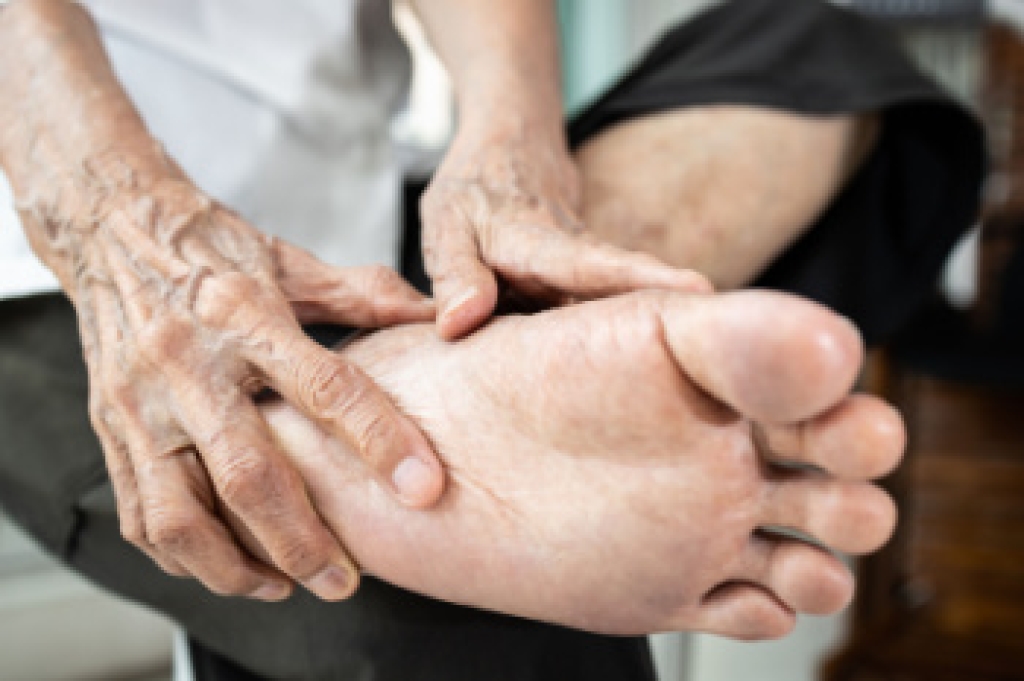
Foot pain can serve as an early warning sign of rheumatoid arthritis, or RA, a chronic autoimmune condition that affects joints. RA can affect the small joints in the feet, leading to swelling, tenderness, and stiffness. For many patients, the feet are the first site of RA-associated joint pain. People may experience pain in the joints of the toes or the middle of the foot, which is often worse in the morning. Typically, both feet are affected. Early intervention is important, as RA can progress to affect multiple joints, which leads to deformities and functional limitations. If you have foot pain or diagnosed rheumatoid arthritis, it is suggested you are under the care of a podiatrist who can offer tailored treatment for the feet. 

Because RA affects more than just your joints, including the joints in your feet and ankles, it is important to seek early diagnosis from your podiatrist if you feel like the pain in your feet might be caused by RA. For more information, contact one of our podiatrists of David A. Scalzo, DPM, PC and Associates. Our doctors will assist you with all of your podiatric concerns.

What Is Rheumatoid Arthritis?

Rheumatoid Arthritis (RA) is an autoimmune disorder in which the body’s own immune system attacks the membranes surrounding the joints. Inflammation of the lining and eventually the destruction of the joint’s cartilage and bone occur, causing severe pain and immobility.

Rheumatoid Arthritis of the Feet

Although RA usually attacks multiple bones and joints throughout the entire body, almost 90 percent of cases result in pain in the foot or ankle area.

Symptoms

  • Swelling and pain in the feet
  • Stiffness in the feet
  • Pain on the ball or sole of feet
  • Joint shift and deformation

Diagnosis

Quick diagnosis of RA in the feet is important so that the podiatrist can treat the area effectively. Your doctor will ask you about your medical history, occupation, and lifestyle to determine the origin of the condition. Rheumatoid Factor tests help to determine if someone is affected by the disease.

If you have any questions, please feel free to contact our offices located in Duryea and Bangor, PA . We offer the newest diagnostic and treatment technologies for all your foot care needs.

Read more about Rheumatoid Arthritis in the Feet

Causes and Symptoms of Overpronation

Foot pronation is the natural inward and outward movement of the foot while walking or running. In some cases, it can lead to over-pronation, where the foot excessively rolls inward, which affects gait and weight distribution. Overpronation may begin in childhood as a result of underdeveloped arches, or develop in adulthood due to arch collapse. Causes include genetics, foot deformities, and injuries. Obesity, and conditions like diabetes or arthritis, are other factors in developing pronation problems. Symptoms include pain, swelling, and related foot disorders such as plantar fasciitis or shin splints. Diagnosis involves examination, gait analysis, and imaging tests conducted by a podiatrist. If you have developed signs of overpronation, it is suggested that you make an appointment with a podiatrist for an exam and treatment options that are best for you.  

If you have any concerns about your feet, contact one of our podiatrists from David A. Scalzo, DPM, PC and Associates. Our doctors can provide the care you need to keep you pain-free and on your feet.

Biomechanics in Podiatry

Podiatric biomechanics is a particular sector of specialty podiatry with licensed practitioners who are trained to diagnose and treat conditions affecting the foot, ankle and lower leg. Biomechanics deals with the forces that act against the body, causing an interference with the biological structures. It focuses on the movement of the ankle, the foot and the forces that interact with them.

A History of Biomechanics

  • Biomechanics dates back to the BC era in Egypt where evidence of professional foot care has been recorded.
  • In 1974, biomechanics gained a higher profile from the studies of Merton Root, who claimed that by changing or controlling the forces between the ankle and the foot, corrections or conditions could be implemented to gain strength and coordination in the area.

Modern technological improvements are based on past theories and therapeutic processes that provide a better understanding of podiatric concepts for biomechanics. Computers can provide accurate information about the forces and patterns of the feet and lower legs.

Understanding biomechanics of the feet can help improve and eliminate pain, stopping further stress to the foot.

If you have any questions please feel free to contact our offices located in Duryea and Bangor, PA . We offer the newest diagnostic and treatment technologies for all your foot and ankle needs.

Read more about Biomechanics in Podiatry

Wounds That Don't Heal Need to Be Checked

Your feet are covered most of the day. If you're diabetic, periodic screening is important for good health. Numbness is often a sign of diabetic foot and can mask a sore or wound.

Understanding the Sensation of Gout Pain

Gout pain, a form of inflammatory arthritis, manifests as intense discomfort characterized by sudden, severe joint pain, typically affecting the big toe. Described as excruciating, stabbing, or throbbing, gout pain often strikes unexpectedly and can be debilitating, making even the slightest movement agonizing. The affected joint becomes swollen, tender, and warm to the touch, with the pain reaching its peak within a few hours. Gout attacks frequently occur at night, disrupting sleep and causing considerable distress. Beyond the big toe, gout can also affect joints such as the ankles, knees, wrists, and fingers, causing similar symptoms. The pain associated with gout can persist for days or weeks, gradually subsiding with proper treatment and management. Factors like diet, lifestyle choices, genetics, and underlying health conditions can influence the frequency and severity of gout attacks. Recognizing the distinct sensation of gout pain is essential for timely diagnosis and effective management. If you have had one or more gout attacks, it is suggested that you are under the care of a podiatrist who can help you manage this condition.

Gout is a foot condition that requires certain treatment and care. If you are seeking treatment, contact one of our podiatrists from David A. Scalzo, DPM, PC and Associates. Our doctors will treat your foot and ankle needs.

What Is Gout?

Gout is a type of arthritis caused by a buildup of uric acid in the bloodstream. It often develops in the foot, especially the big toe area, although it can manifest in other parts of the body as well. Gout can make walking and standing very painful and is especially common in diabetics and the obese.

People typically get gout because of a poor diet. Genetic predisposition is also a factor. The children of parents who have had gout frequently have a chance of developing it themselves.

Gout can easily be identified by redness and inflammation of the big toe and the surrounding areas of the foot. Other symptoms include extreme fatigue, joint pain, and running high fevers. Sometimes corticosteroid drugs can be prescribed to treat gout, but the best way to combat this disease is to get more exercise and eat a better diet.

If you have any questions, please feel free to contact our offices located in Duryea and Bangor, PA . We offer the newest diagnostic and treatment technologies for all your foot care needs.
Read more about Everything You Need to Know About Gout

A Brief Foot Stretching Guide for Ballet Dancers

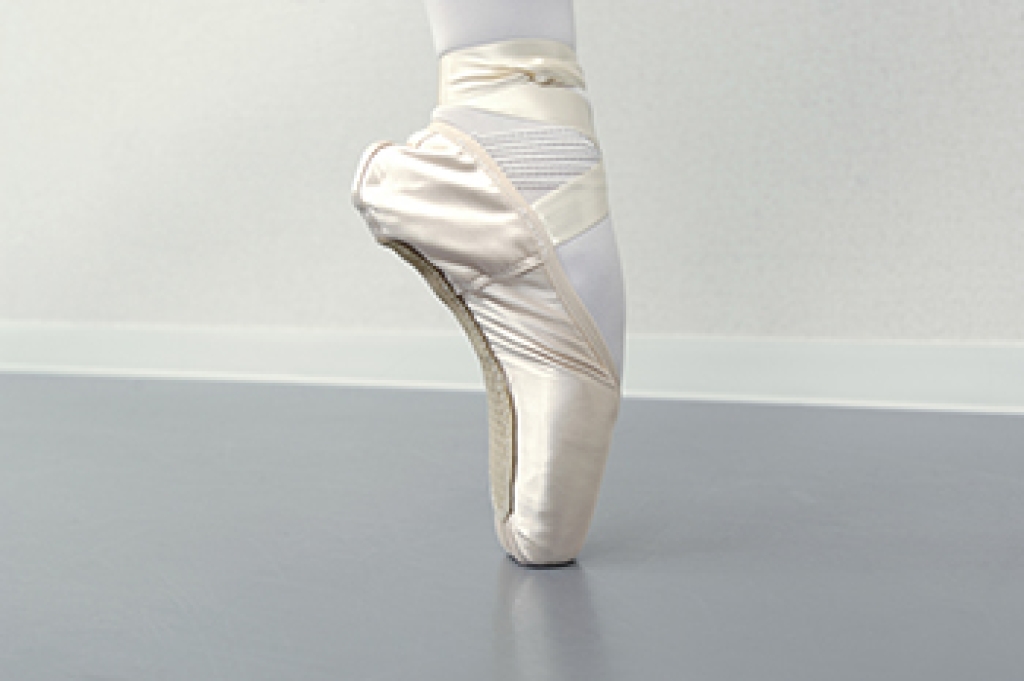
Proper foot stretching is essential for ballet dancers, who often subject their feet to intense physical demands and experience foot pain. Ballet dancers can prevent injuries and reduce any existing foot pain with regular stretching routines. One good foot stretch for ballet dancers is the Achilles tendon stretch, where the dancer gently leans forward against a wall, keeping one foot back with the heel on the ground. This stretch keeps the Achilles tendon flexible, and helps dancers achieve pointed foot positions required in ballet. Another helpful stretch is a toe stretch, where the dancer sits back on their heels with their toes rounded underneath. This encourages flexibility in the toes and the plantar fascia. Additionally, calf stretches against a wall helps prevent tightness and promotes fuller range of motion during ballet movements. Incorporating these stretches into a regular routine can help ballet dancers improve their foot flexibility, prevent injuries, and maintain agility. If you’re a ballet dancer with concerns about foot pain, or you want guidance about proper foot stretching, it is suggested that you consult with a podiatrist who can ensure you’re performing stretches correctly. 

Stretching the feet is a great way to prevent injuries. If you have any concerns with your feet consult with one of our podiatrists from David A. Scalzo, DPM, PC and Associates. Our doctors will assess your condition and provide you with quality foot and ankle treatment.

Stretching the Feet

Being the backbone of the body, the feet carry your entire weight and can easily become overexerted, causing cramps and pain. As with any body part, stretching your feet can serve many benefits. From increasing flexibility to even providing some pain relief, be sure to give your feet a stretch from time to time. This is especially important for athletes or anyone performing aerobic exercises, but anyone experiencing foot pain or is on their feet constantly should also engage in this practice.

Great ways to stretch your feet:

  • Crossing one leg over the others and carefully pull your toes back. Do 10-20 repetitions and repeat the process for each foot
  • Face a wall with your arms out and hands flat against the wall. Step back with one foot and keep it flat on the floor while moving the other leg forward. Lean towards the wall until you feel a stretch. Hold for 30 seconds and perform 10 repetitions for each foot
  • Be sure not to overextend or push your limbs too hard or you could risk pulling or straining your muscle

Individuals who tend to their feet by regular stretching every day should be able to minimize foot pain and prevent new problems from arising.

If you have any questions please contact our offices located in Duryea and Bangor, PA . We offer the newest diagnostic and treatment technologies for all your foot and ankle needs.

Read more about Stretching Your Feet

Connect With Us