
Joint Involvement in Ankle Fractures

Ankle fractures refer to breaks in any bones that make up the ankle joint, typically involving the tibia, fibula, or talus. These fractures can be caused by trauma from falls, sports injuries, or vehicular accidents, as well as overuse injuries or underlying conditions like osteoporosis. The ankle joint is composed of three main bones which are the tibia, fibula, and talus, along with the surrounding ligaments and tendons that provide stability and support. Injury may involve any of these structures, ranging from minor hairline fractures to severe breaks that displace the bones. Depending on the severity and location of the fracture, treatment may involve immobilization with a cast or brace, realignment of displaced bones through manipulation or surgery, and rehabilitation to restore strength and function. Prompt medical attention is vital to prevent complications and ensure proper long-term healing. If you have broken your ankle, it is suggested that you make an emergency appointment with a podiatrist who can accurately diagnose the injury and offer treatment options.

Broken ankles need immediate treatment. If you are seeking treatment, contact one of our podiatrists from David A. Scalzo, DPM, PC and Associates. Our doctors can provide the care you need to keep you pain-free and on your feet. 

Broken Ankles
A broken ankle is experienced when a person fractures their tibia or fibula in the lower leg and ankle area. Both of these bones are attached at the bottom of the leg and combine to form what we know to be our ankle.

When a physician is referring to a break of the ankle, he or she is usually referring to a break in the area where the tibia and fibula are joined to create our ankle joint. Ankles are more prone to fractures because the ankle is an area that suffers a lot of pressure and stress. There are some obvious signs when a person experiences a fractured ankle, and the following symptoms may be present.

Symptoms of a Fractured Ankle

  • Excessive pain when the area is touched or when any pressure is placed on the ankle
  • Swelling around the area
  • Bruising of the area
  • Area appears to be deformed

If you suspect an ankle fracture, it is recommended to seek treatment as soon as possible. The sooner you have your podiatrist diagnose the fracture, the quicker you’ll be on the way towards recovery.

If you have any questions, please feel free to contact our offices located in Duryea and Bangor, PA . We offer the newest diagnostic and treatment technologies for all your foot care needs.

Read more about All About Broken Ankles

Foot Care Guidelines for Work

Maintaining foot health at work is essential for overall well-being and safety. Whether enduring long hours on your feet or navigating potential hazards, prioritizing proper foot care can prevent injuries and discomfort. Work-related foot injuries primarily stem from punctures, crushing, sprains, and falls, underscoring the importance of foot safety measures. Neglecting foot care not only heightens injury risks but also contributes to common issues like calluses, ingrown toenails, and fatigue, all of which impairs work performance. Identifying workplace hazards such as prolonged standing, unsuitable flooring and wearing ill-fitted footwear is important for injury prevention. Addressing these concerns through job and workplace design adjustments, including rotation, ergonomic flooring, and protective footwear is essential. Additionally, cultivating good foot care habits like daily washing, toenail trimming, and wearing appropriate socks and footwear is key. Incorporating exercises to alleviate strain during prolonged standing can help. Investing in foot care not only safeguards against injuries but also enhances productivity. If you spend long hours of your work day on your feet, it is suggested that you visit a podiatrist for related foot pain, injuries, or conditions. 

While working on the feet, it is important to take the proper care of them. For more information about working on your feet, contact one of our podiatrists from David A. Scalzo, DPM, PC and Associates. Our doctors will treat your foot and ankle needs.

Working on Your Feet

Standing on your feet for long periods of time can cause stress and pain in your feet. Your whole body may experience change in terms of posture, back pain, bunions, callouses and or plantar warts. There are ways to avoid these conditions with proper foot care, smart choices and correct posture.

Positive Changes

Negative heeled shoe – Choosing this shoe type places the heel slightly lower than the ball of the foot. These are great for overall foot health. Find shoes that fit you correctly.

Go barefoot – Our feet were not designed to be enclosed for all hours of the day. Try to periodically expose your feet to air.

Eliminate Pain

Foot Exercises – Performing simple exercises, incorporating yoga and doing stretches are beneficial. This will allow increased blood flow to the area and muscles of the foot.

Achilles tendon – Stretching the foot out flat on the floor will relax the calf muscles and tendon. These exercises can be performed almost anywhere. Make sure you add these exercises to your daily regimen. 

With a little bit of this information and knowing more about foot health, you will notice changes. Foot stretches and proper footwear will help with pain and prevent further issues.

If you have any questions please contact our offices located in Duryea and Bangor, PA . We offer the newest diagnostic and treatment technologies for all your foot and ankle needs.

Read more about How to Handle a Long Work Day on Your Feet

Suggested Foot Care For Diabetic Patients

Diabetes can pose significant risks to foot health due to potential nerve and blood vessel damage. Reduced sensation in the feet increases the likelihood of injuries, which may lead to serious complications like foot ulcers, often requiring hospitalization. It is important  for anyone with diabetes to prioritize foot care to prevent such issues. Daily foot inspections are vital, checking for dry skin, blisters, sores, bruises, and any abnormalities. Regular washing with mild soap, careful drying, and moisturizing are also essential steps. Proper toenail trimming techniques help to prevent ingrown nails and other complications, with assistance from a podiatrist recommended for thick or discolored nails that may be infected. Corns and calluses should also be managed by a podiatrist, ensuring safe removal. Wearing well-fitting shoes and clean, dry socks are recommended at all times to prevent injuries. Any foot issues should be promptly reported to a podiatrist, rather than attempting self-treatment. It is suggested that diabetic patients seek assistance from a podiatrist for regular evaluations and necessary foot care.

Diabetic foot care is important in preventing foot ailments such as ulcers. If you are suffering from diabetes or have any other concerns about your feet, contact one of our podiatrists from David A. Scalzo, DPM, PC and Associates. Our doctors can provide the care you need to keep you pain-free and on your feet.

Diabetic Foot Care

Diabetes affects millions of people every year. The condition can damage blood vessels in many parts of the body, especially the feet. Because of this, taking care of your feet is essential if you have diabetes, and having a podiatrist help monitor your foot health is highly recommended.

The Importance of Caring for Your Feet

  • Routinely inspect your feet for bruises or sores.
  • Wear socks that fit your feet comfortably.
  • Wear comfortable shoes that provide adequate support.

Patients with diabetes should have their doctor monitor their blood levels, as blood sugar levels play such a huge role in diabetic care. Monitoring these levels on a regular basis is highly advised.

It is always best to inform your healthcare professional of any concerns you may have regarding your feet, especially for diabetic patients. Early treatment and routine foot examinations are keys to maintaining proper health, especially because severe complications can arise if proper treatment is not applied.

If you have any questions, please feel free to contact our offices located in Duryea and Bangor, PA . We offer the newest diagnostic and treatment technologies for all your foot care needs.

Read more about Diabetic Foot Care

Are You Suffering From Ingrown Toenails?

If left untreated, an ingrown toenail can lead to more serious concerns, such as an infection. Knowing proper nail care can help in the prevention of an ingrown toenail. Give us a call, and get treated!

How Ankle Sprains May Affect Foot Stability and Strength

An ankle sprain, a common injury, occurs when the ligaments surrounding the ankle stretch or tear due to sudden twisting or rolling movements. While seemingly minor, neglecting proper treatment can lead to complications, notably ankle instability and diminished strength. An unstable ankle, characterized by a recurring feeling of giving way, poses risks of further injury and compromises mobility. This instability arises from weakened ligaments, which struggle to effectively support the ankle's weight-bearing function. Additionally, reduced ankle strength follows, as the muscles surrounding the ankle weaken from disuse during the recovery phase. Over time, this weakness can affect balance and movement, increasing the likelihood of future injuries. Consequently, comprehensive treatment that addresses both ligament healing and muscle strengthening is vital to restore stability and strength, ensuring optimal ankle function and minimizing the risk of recurrent sprains. If you have sprained your ankle, it is strongly suggested that you seek prompt attention from a podiatrist who can help you begin the healing process.

Ankle sprains are common but need immediate attention. If you need your feet checked, contact one of our podiatrists from David A. Scalzo, DPM, PC and Associates. Our doctors can provide the care you need to keep you pain-free and on your feet.

How Does an Ankle Sprain Occur?

Ankle sprains take place when the ligaments in your ankle are torn or stretched beyond their limits. There are multiple ways that the ankle can become injured, including twisting or rolling over onto your ankle, putting undue stress on it, or causing trauma to the ankle itself.

What Are the Symptoms?

  • Mild to moderate bruising
  • Limited mobility
  • Swelling
  • Discoloration of the skin (depending on severity)

Preventing a Sprain

  • Wearing appropriate shoes for the occasion
  • Stretching before exercises and sports
  • Knowing your limits

Treatment of a Sprain

Treatment of a sprain depends on the severity.  Many times, people are told to rest and remain off their feet completely, while others are given an air cast. If the sprain is very severe, surgery may be required.

If you have suffered an ankle sprain previously, you may want to consider additional support such as a brace and regular exercises to strengthen the ankle.

If you have any questions please feel free to contact our offices located in Duryea and Bangor, PA . We offer the newest diagnostic tools and technology to treat your foot and ankle needs.

Read more about Ankle Sprains

Managing Heel Pain

Heel pain, a common foot ailment, can significantly impact mobility and daily activities. Typically located on the underside or back of the heel, it can stem from various causes, including plantar fasciitis, Achilles tendinitis, heel spurs, or stress fractures. One prevalent reason for morning discomfort is the tightening of the plantar fascia ligament during sleep, leading to a sharp pain upon first steps. However, not all heel pains are alike. Pain can manifest in different areas such as the bottom, sides, or back of the heel, each indicating distinct issues. Ignoring persistent discomfort may exacerbate the condition and hinder natural healing processes. Fortunately, several remedies exist, including rest, stretching exercises, proper footwear, and custom orthotics. If you have persistent heel pain, it is suggested that you make an appointment with a podiatrist for an accurate diagnosis and tailored treatment plan.

Many people suffer from bouts of heel pain. For more information, contact one of our podiatrists of David A. Scalzo, DPM, PC and Associates. Our doctors can provide the care you need to keep you pain-free and on your feet.

Causes of Heel Pain

Heel pain is often associated with plantar fasciitis. The plantar fascia is a band of tissues that extends along the bottom of the foot. A rip or tear in this ligament can cause inflammation of the tissue.

Achilles tendonitis is another cause of heel pain. Inflammation of the Achilles tendon will cause pain from fractures and muscle tearing. Lack of flexibility is also another symptom.

Heel spurs are another cause of pain. When the tissues of the plantar fascia undergo a great deal of stress, it can lead to ligament separation from the heel bone, causing heel spurs.

Why Might Heel Pain Occur?

  • Wearing ill-fitting shoes                
  • Wearing non-supportive shoes
  • Weight change           
  • Excessive running

Treatments

Heel pain should be treated as soon as possible for immediate results. Keeping your feet in a stress-free environment will help. If you suffer from Achilles tendonitis or plantar fasciitis, applying ice will reduce the swelling. Stretching before an exercise like running will help the muscles. Using all these tips will help make heel pain a condition of the past.

If you have any questions, please feel free to contact our offices located in Duryea and Bangor, PA . We offer the newest diagnostic and treatment technologies for all your foot care needs.

Read more about Heel Pain

Blistery Foot Woes

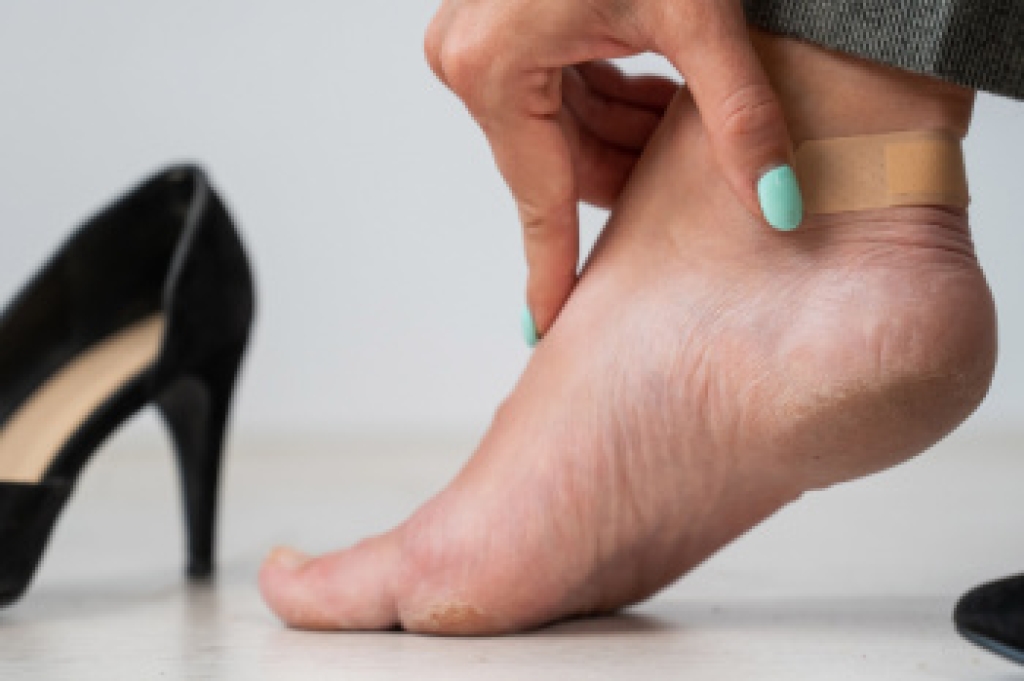
Blisters on the feet are often caused by friction from wearing ill-fitting shoes or engaging in prolonged physical activity. Corns can also result from burns, allergic reactions, or fungal infections. These fluid-filled pockets form as a protective response to pressure or irritation on the skin. While blisters are usually harmless, they can become painful if they rupture or get infected. Preventing blisters involves wearing properly fitting shoes, using moisture-wicking socks, and avoiding repetitive friction on the skin. Applying cushioning pads or bandages to high-friction areas can also help reduce the risk of blister formation. Podiatrists can provide treatment to relieve pain, prevent infection, and address underlying factors that contribute to blister formation, ensuring optimal foot health and comfort. If you have a foot blister that persists or has become painful or infected, it is suggested that you seek professional care from a podiatrist.

Blisters may appear as a single bubble or in a cluster. They can cause a lot of pain and may be filled with pus, blood, or watery serum. If your feet are hurting, contact one of our podiatrists of David A. Scalzo, DPM, PC and Associates. Our doctors can provide the care you need to keep you pain-free and on your feet.

Foot Blisters

Foot blisters are often the result of friction. This happens due to the constant rubbing from shoes, which can lead to pain.

What Are Foot Blisters?

A foot blister is a small fluid-filled pocket that forms on the upper-most layer of the skin. Blisters are filled with clear fluid and can lead to blood drainage or pus if the area becomes infected.

Symptoms

(Blister symptoms may vary depending on what is causing them)

  • Bubble of skin filled with fluid
  • Redness
  • Moderate to severe pain
  • Itching

Prevention & Treatment

In order to prevent blisters, you should be sure to wear comfortable shoes with socks that cushion your feet and absorb sweat. Breaking a blister open may increase your chances of developing an infection. However, if your blister breaks, you should wash the area with soap and water immediately and then apply a bandage to the affected area. If your blisters cause severe pain it is important that you call your podiatrist right away.

If you have any questions, please feel free to contact our offices located in Duryea and Bangor, PA . We offer the newest diagnostic and treatment technologies for all your foot care needs.

Read more about Blisters

Understanding Peripheral Neuropathy and How to Manage It

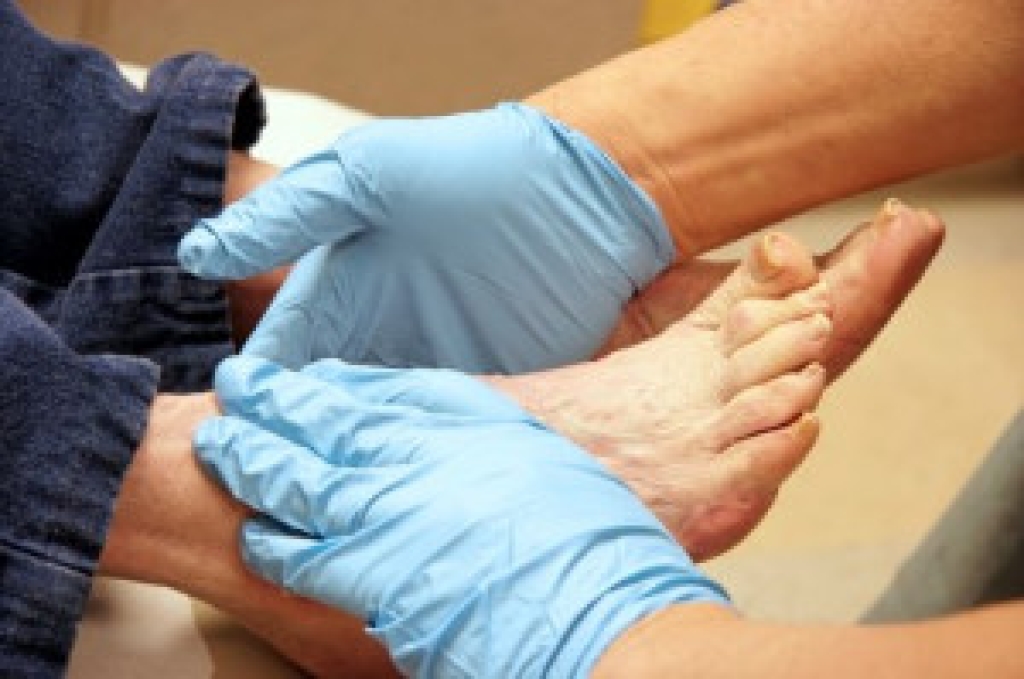
Peripheral neuropathy presents a diverse range of conditions that affect peripheral nerves in the lower extremities, resulting in symptoms like numbness and weakness. Causes can include diabetes, infections, injuries, or toxin exposure, with certain individuals at a higher risk due to genetics or lifestyle factors. Diagnosis involves a thorough assessment of symptoms and medical history, often supplemented by nerve conduction studies or imaging tests. Treatment focuses on symptom management and addressing underlying causes, taking certain medications, and making lifestyle adjustments, However, outcomes vary depending on the specific condition and its severity. If you suffer from peripheral neuropathy, it is suggested that you consult a podiatrist for an accurate diagnosis and personalized treatment plan.

Neuropathy

Neuropathy can be a potentially serious condition, especially if it is left undiagnosed. If you have any concerns that you may be experiencing nerve loss in your feet, consult with one of our podiatrists  from David A. Scalzo, DPM, PC and Associates. Our doctors will assess your condition and provide you with quality foot and ankle treatment for neuropathy.

What Is Neuropathy?

Neuropathy is a condition that leads to damage to the nerves in the body. Peripheral neuropathy, or neuropathy that affects your peripheral nervous system, usually occurs in the feet. Neuropathy can be triggered by a number of different causes. Such causes include diabetes, infections, cancers, disorders, and toxic substances.

Symptoms of Neuropathy Include:

  • Numbness
  • Sensation loss
  • Prickling and tingling sensations
  • Throbbing, freezing, burning pains
  • Muscle weakness

Those with diabetes are at serious risk due to being unable to feel an ulcer on their feet. Diabetics usually also suffer from poor blood circulation. This can lead to the wound not healing, infections occurring, and the limb may have to be amputated.

Treatment

To treat neuropathy in the foot, podiatrists will first diagnose the cause of the neuropathy. Figuring out the underlying cause of the neuropathy will allow the podiatrist to prescribe the best treatment, whether it be caused by diabetes, toxic substance exposure, infection, etc. If the nerve has not died, then it’s possible that sensation may be able to return to the foot.

Pain medication may be issued for pain. Electrical nerve stimulation can be used to stimulate nerves. If the neuropathy is caused from pressure on the nerves, then surgery may be necessary.

If you have any questions, please feel free to contact our offices located in Duryea and Bangor, PA . We offer the newest diagnostic and treatment technologies for all your foot care needs.
Read more about Neuropathy

Do Your Child's Feet Hurt?

Have your child's feet been examined lately? Healthy feet are happy feet. If your child is complaining of foot pain, it may be a sign of underlying problems.

Heel Pain in Athletes

Plantar fasciitis presents a significant challenge for athletes, stemming from causes like trauma, excessive pronation, muscle strength imbalances, or tightness. It often occurs due to overuse, repetitive strain, or biomechanical imbalances during activities such as running, jumping, or sudden changes in direction. It can mimic other conditions including tarsal tunnel syndrome, stress fractures, and Achilles tendinitis, making an accurate diagnosis imperative. Podiatrists play a pivotal role in providing tailored treatment strategies. However, the healing process can be lengthy, posing a significant hurdle for athletes accustomed to intense training regimes. Recovery timelines vary, with some cases resolving in a few weeks, while others may take several months. This extended healing duration can be frustrating for athletes eager to return to their sport. Treatment options encompass rest, stretching, custom-made orthotic devices, and sometimes surgery as a last resort. Alternative training methods and cross-training are often recommended to maintain fitness levels during recovery, emphasizing the importance of patience and perseverance in managing plantar fasciitis for athletes. If you are an athlete and suffering from persistent heel pain, it is suggested that you schedule an appointment with a podiatrist for a proper diagnosis and treatment deemed most appropriate for your situation.

Ankle and foot injuries are common among athletes and in many sports. They can be caused by several problems and may be potentially serious. If you are feeling pain or think you were injured in a sporting event or when exercising, consult with one of our podiatrists from David A. Scalzo, DPM, PC and Associates. Our doctors will assess your condition and provide you with quality foot and ankle treatment.

Common Injuries

The most common injuries that occur in sporting activities include:

  • Achilles Tendonitis
  • Achilles Tendon Rupture
  • Ankle Sprains
  • Broken Foot
  • Plantar Fasciitis
  • Stress Fractures
  • Turf Toe

Symptoms

Symptoms vary depending upon the injury and in some cases, there may be no symptoms at all. However, in most cases, some form of symptom is experienced. Pain, aching, burning, bruising, tenderness, tightness or stiffness, sensation loss, difficulty moving, and swelling are the most common symptoms.

Treatment

Just as symptoms vary depending upon the injury, so do treatment options. A common treatment method is known as the RICE method. This method involves rest, applying ice, compression and elevating the afflicted foot or ankle. If the injury appears to be more serious, surgery might be required, such as arthroscopic or reconstructive surgery. Lastly, rehabilitation or therapy might be needed to gain full functionality in the afflicted area. Any discomfort experienced by an athlete must be evaluated by a licensed, reputable medical professional.  

If you have any questions please contact our offices located in Duryea and Bangor, PA . We offer the newest diagnostic and treatment technologies for all your foot and ankle needs.

Read more about Sports Related Foot and Ankle Injuries

Connect With Us