
You don't need an excuse to have beautiful nails. Step outside without worrying about the appearance of your feet.
You don't need an excuse to have beautiful nails. Step outside without worrying about the appearance of your feet.
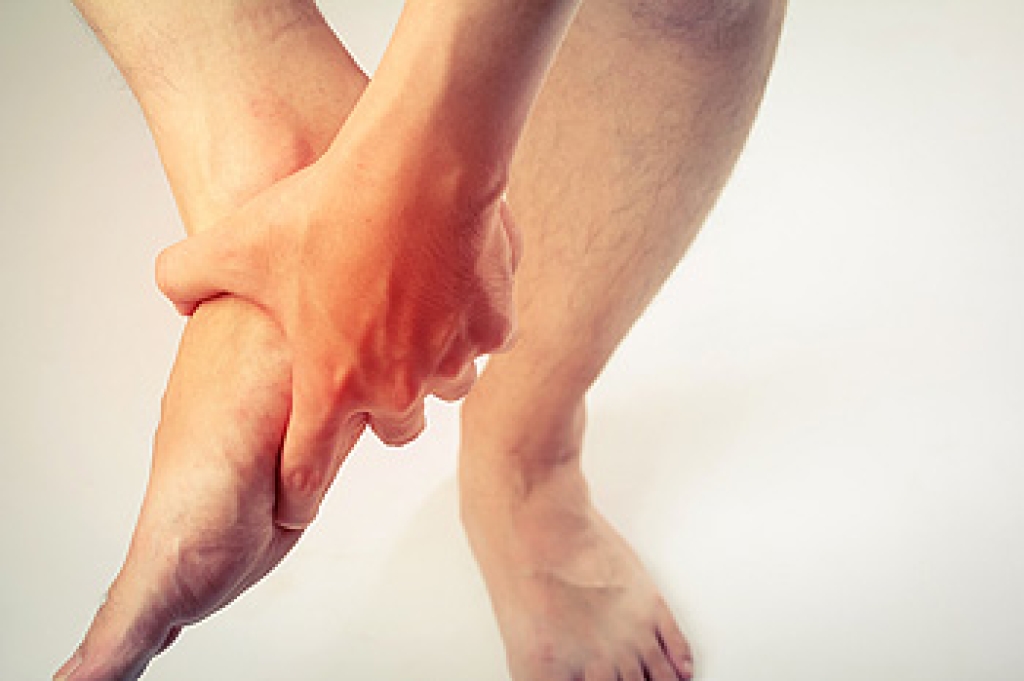
The cuboid bone is located on the outer edge of the foot, and is responsible for maintaining movement while walking. A sudden injury or gradual decline can cause the cuboid bone to shift, and this can make completing daily activities difficult. Cuboid syndrome occurs when this bone shifts and the surrounding tendons and ligaments become inflamed. Patients who frequently wear high heels can endure a cuboid bone injury, and ballet dancers often notice this is as a common ailment. The pain that is generally felt with this condition is on the outside and sole of the foot, which can cause severe pain and discomfort. If you are afflicted with cuboid syndrome, it is strongly suggested that you speak with a podiatrist who can guide you toward proper treatment options.
Cuboid syndrome, also known as cuboid subluxation, occurs when the joints and ligaments near the cuboid bone in the foot become torn. If you have cuboid syndrome, consult with one of our podiatrists from David A. Scalzo, DPM, PC and Associates. Our doctors will assess your condition and provide you with quality foot and ankle treatment.
Cuboid syndrome is a common cause of lateral foot pain, which is pain on the outside of the foot. The condition may happen suddenly due to an ankle sprain, or it may develop slowly overtime from repetitive tension through the bone and surrounding structures.
Causes
The most common causes of cuboid syndrome include:
Symptoms
A common symptom of cuboid syndrome is pain along the outside of the foot which can be felt in the ankle and toes. This pain may create walking difficulties and may cause those with the condition to walk with a limp.
Diagnosis
Diagnosis of cuboid syndrome is often difficult, and it is often misdiagnosed. X-rays, MRIs and CT scans often fail to properly show the cuboid subluxation. Although there isn’t a specific test used to diagnose cuboid syndrome, your podiatrist will usually check if pain is felt while pressing firmly on the cuboid bone of your foot.
Treatment
Just as the range of causes varies widely, so do treatments. Some more common treatments are ice therapy, rest, exercise, taping, and orthotics.
If you have any questions, please feel free to contact our offices located in Duryea and Bangor, PA . We offer the newest diagnostic and treatment technologies for all your foot care needs.
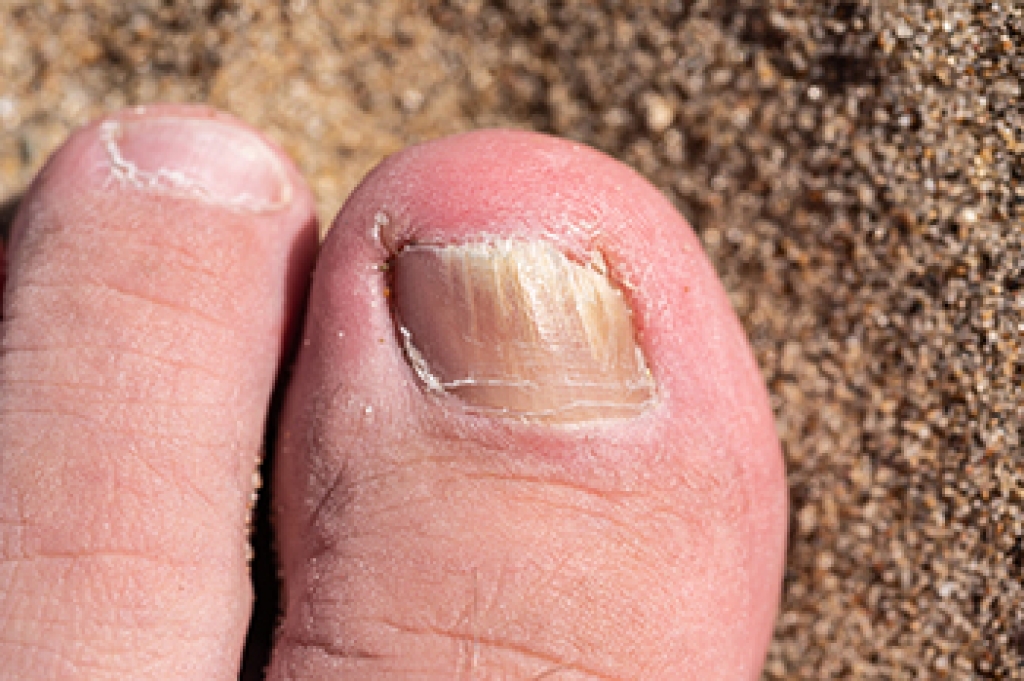
Toenail fungus, also known as onychomycosis, is a common condition that causes thickened, discolored, and brittle nails. It often begins as a white or yellow spot under the tip of the toenail and gradually spreads deeper, leading to nail distortion, crumbling edges, and possible separation from the nail bed. The infected nail may feel rough, emit a foul odor, and cause discomfort or pain when wearing shoes. Causes include exposure to warm, moist environments such as public showers, locker rooms, and around swimming pools, as well as wearing tight shoes or having a history of athlete's foot. A podiatrist can diagnose toenail fungus through a physical exam and by analyzing nail clippings. Treatment options include topical or oral antifungal medications, or in severe cases, removal of the affected nail. Early treatment increases success rates and prevents further spread. It is suggested that you make an appointment with a podiatrist to properly identify and treat toenail fungus.
For more information about treatment, contact one of our podiatrists of David A. Scalzo, DPM, PC and Associates. Our doctors can provide the care you need to keep you pain-free and on your feet.
Toenail Fungus Treatment
Toenail fungus is a condition that affects many people and can be especially hard to get rid of. Fortunately, there are several methods to go about treating and avoiding it.
Antifungals & Deterrence
Oral antifungal medicine has been shown to be effective in many cases. It is important to consult with a podiatrist to determine the proper regiment for you, or potentially explore other options.
Applying foot powder on the feet and shoes helps keep the feet free of moisture and sweat.
Sandals or open toed shoes – Wearing these will allow air movement and help keep feet dry. They also expose your feet to light, which fungus cannot tolerate. Socks with moisture wicking material also help as well.
If you have any questions please contact our offices located in Duryea and Bangor, PA . We offer the newest diagnostic and treatment technologies for all your foot and ankle needs.
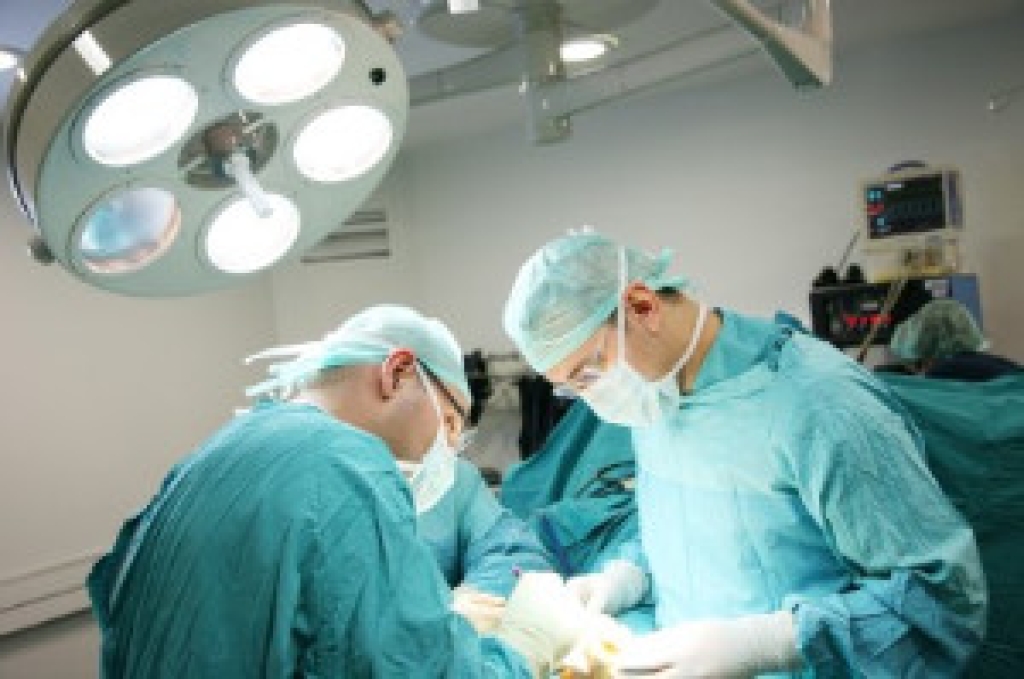
Ingrown toenail surgery is a procedure performed to correct a toenail that grows into the surrounding skin, causing pain, swelling, and sometimes infection. Common causes include improper nail trimming, wearing tight footwear, trauma, or naturally curved nails. The procedure typically involves removing part or all of the affected nail and, in some cases, treating the nail matrix to prevent recurrence. Risk factors include diabetes, poor circulation, or previous ingrown toenails. Surgery is recommended when conservative care, such as soaking, antibiotics, or protective measures, fails to relieve discomfort. If you have an ingrown toenail, it is suggested that you consult a podiatrist who can effectively treat this condition, which may include minor surgery for removal.
Foot surgery is sometimes necessary to treat a foot ailment. To learn more, contact one of our podiatrists of David A. Scalzo, DPM, PC and Associates. Our doctors will assist you with all of your foot and ankle needs.
When Is Surgery Necessary?
Foot and ankle surgery is generally reserved for cases in which less invasive, conservative procedures have failed to alleviate the problem. Some of the cases in which surgery may be necessary include:
What Types of Surgery Are There?
The type of surgery you receive will depend on the nature of the problem you have. Some of the possible surgeries include:
Benefits of Surgery
Although surgery is usually a last resort, it can provide more complete pain relief compared to non-surgical methods and may allow you to finally resume full activity.
Surgical techniques have also become increasingly sophisticated. Techniques like endoscopic surgery allow for smaller incisions and faster recovery times.
If you have any questions, please feel free to contact our offices located in Duryea and Bangor, PA . We offer the newest diagnostic and treatment technologies for all your foot care needs.
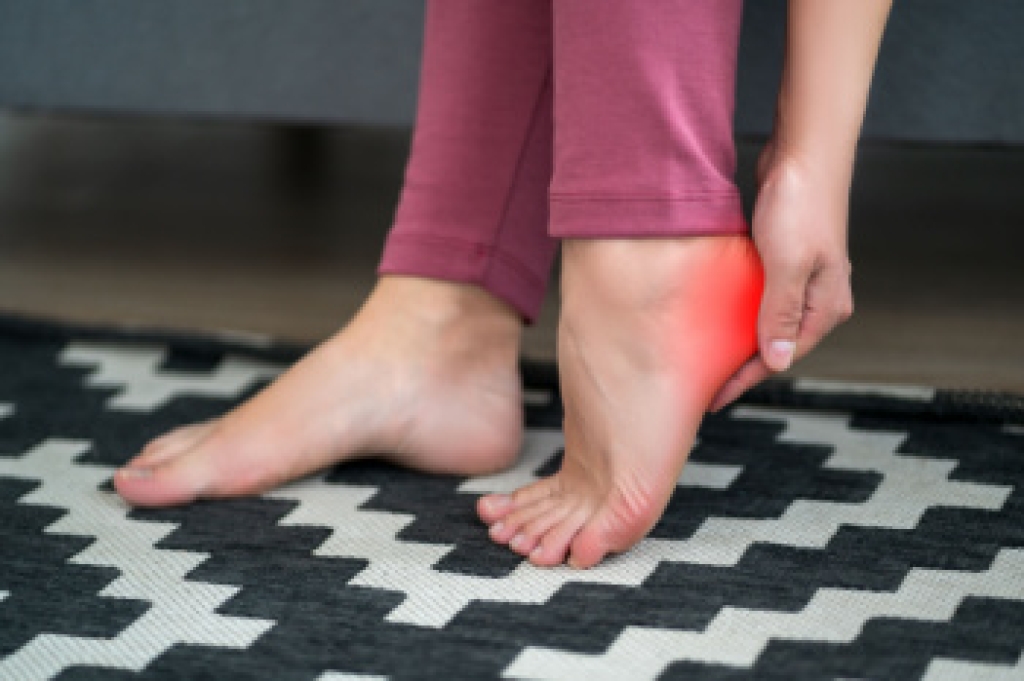
Haglund’s deformity is a bony enlargement that forms at the back of the heel where the Achilles tendon attaches. This bump often rubs against shoes, especially stiff-backed ones, causing irritation, swelling, and pain. Many people notice redness and even blistering in the area before realizing a bone growth is the real source of the problem. Because of this, the condition is sometimes nicknamed the pump bump, as it is common in people who wear rigid dress shoes or high heels. The discomfort may worsen with activity or pressure from footwear, making daily walking difficult. Treatment often begins with avoiding tight shoes and using heel pads. Targeted exercise and orthotics can help ease strain on the tendon. In persistent cases, surgery may be needed to remove the bony prominence. If you have pain from such a bump on your heel, it is suggested that you see a podiatrist who can recommend the best plan to relieve symptoms and restore comfort.
Heel spurs can be incredibly painful and sometimes may make you unable to participate in physical activities. To get medical care for your heel spurs, contact one of our podiatrists from David A. Scalzo, DPM, PC and Associates. Our doctors will do everything possible to treat your condition.
Heels Spurs
Heel spurs are formed by calcium deposits on the back of the foot where the heel is. This can also be caused by small fragments of bone breaking off one section of the foot, attaching onto the back of the foot. Heel spurs can also be bone growth on the back of the foot and may grow in the direction of the arch of the foot.
Older individuals usually suffer from heel spurs and pain sometimes intensifies with age. One of the main condition's spurs are related to is plantar fasciitis.
Pain
The pain associated with spurs is often because of weight placed on the feet. When someone is walking, their entire weight is concentrated on the feet. Bone spurs then have the tendency to affect other bones and tissues around the foot. As the pain continues, the feet will become tender and sensitive over time.
Treatments
There are many ways to treat heel spurs. If one is suffering from heel spurs in conjunction with pain, there are several methods for healing. Medication, surgery, and herbal care are some options.
If you have any questions, please feel free to contact our offices located in Duryea and Bangor, PA . We offer the newest diagnostic and treatment technologies for all your foot care needs.
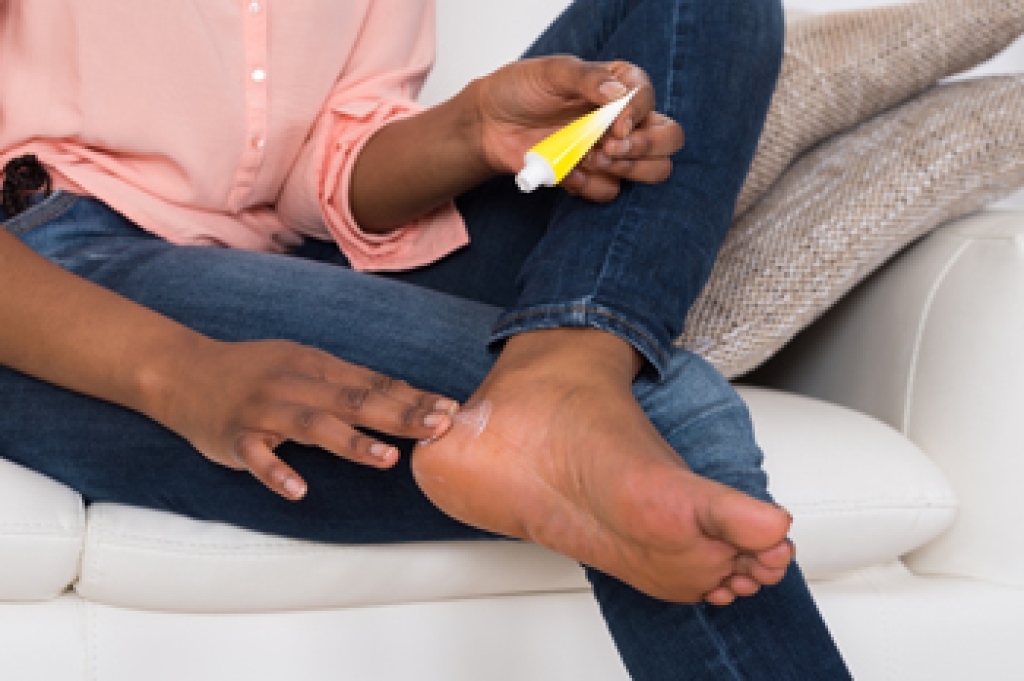
Cracked heels can be especially concerning for people with diabetes, because reduced blood flow and nerve damage often affect their feet. When circulation is impaired, the skin on the heels may become dry and fragile, increasing the chance of splits that can deepen into painful fissures. Nerve damage may also cause numbness, so when cracks become infected or begin to ulcerate, they may go unnoticed. This delay in detection of cracked heels increases the risk of serious complications, including slow healing wounds that can threaten overall foot health. Factors like being overweight, prolonged standing, and wearing open-back shoes or flip-flops can place added pressure on the heels, making existing cracks worse. A podiatrist can identify early warning signs, assess the extent of nerve and vascular involvement, and provide treatment to help protect the feet from further damage. If you have diabetic foot problems, including cracked heels, it is suggested that you are under the care of a podiatrist for help in managing complications of this serious condition.
Cracked heels are unsightly and can cause further damage to your shoes and feet. If you have any concerns, contact one of our podiatrists from David A. Scalzo, DPM, PC and Associates. Our doctors can provide the care you need to keep you pain-free and on your feet.
Cracked Heels
Cracked heels appear unappealing and can make it harder for you walk around in sandals. Aside from looking unpleasant, cracked heels can also tear stockings, socks, and wear out your shoes. There are several methods to help restore a cracked heel and prevent further damage.
How Do You Get Them?
Dry skin is the number one culprit in creating cracked heels. Many athletes, walkers, joggers, and even swimmers suffer from cracked heels. Age and skin oil production play a role to getting cracked heels as well.
Promote Healing
Over the counter medicines can help, especially for those that need instant relief or who suffer from chronic dry feet.
Wear Socks – Wearing socks with medicated creams helps lock in moisture.
Moisturizers – Applying both day and night will help alleviate dryness which causes cracking.
Pumice Stones – These exfoliate and remove dead skin, which allows for smoother moisturizer application and better absorption into the skin.
Change in Diet
Eating healthy with a well-balanced diet will give the skin a fresh and radiant look. Your body responds to the kinds of food you ingest. Omega-3 fatty acids and zinc supplements can also revitalize skin tissue.
Most importantly, seek professional help if unsure how to proceed in treating cracked heels. A podiatrist will help you with any questions or information needed.
If you have any questions, please feel free to contact our offices located in Duryea and Bangor, PA . We offer the newest diagnostic and treatment technologies for all your foot care needs.
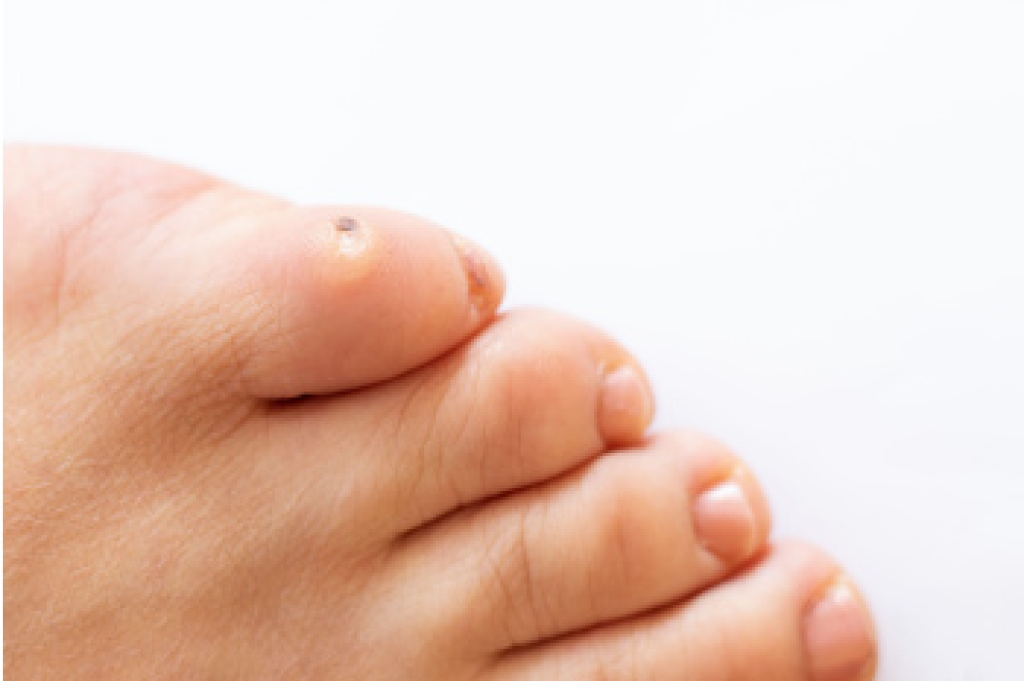
Corns develop on the feet when constant friction or pressure causes layers of skin to thicken on the tops of toes, between toes, or on bony areas. Corns can become painful, making it difficult to walk or wear shoes comfortably. In some cases a corn may become infected if not properly managed. A podiatrist can determine whether the corn is hard or soft in order to provide the best path to relieve discomfort. Treatment may include trimming away hardened skin in a sterile setting to reduce pressure, recommending shoe modifications to decrease rubbing, or prescribing custom orthotics to improve foot alignment and lower stress on affected areas. If a bone deformity, such as a hammertoe, continues to create pressure, surgery may be considered to correct the underlying problem and prevent recurrence. Professional care is important, as attempting to trim corns at home can lead to further injury. If you have a painful corn on your foot, it is suggested that you make an appointment with a podiatrist for an exam, diagnosis, and safe treatment.
Corns can make walking very painful and should be treated immediately. If you have questions regarding your feet and ankles, contact one of our podiatrists of David A. Scalzo, DPM, PC and Associates. Our doctors will treat your foot and ankle needs.
Corns: What Are They? And How Do You Get Rid of Them?
Corns are thickened areas on the skin that can become painful. They are caused by excessive pressure and friction on the skin. Corns press into the deeper layers of the skin and are usually round in shape.
Ways to Prevent Corns
There are many ways to get rid of painful corns such as:
Treating Corns
Although most corns slowly disappear when the friction or pressure stops, this isn’t always the case. Consult with your podiatrist to determine the best treatment option for your case of corns.
If you have any questions, please feel free to contact our offices located in Duryea and Bangor, PA . We offer the newest diagnostic and treatment technologies for all your foot care needs.

Your feet are covered most of the day. If you're diabetic, periodic screening is important for good health. Numbness is often a sign of diabetic foot and can mask a sore or wound.
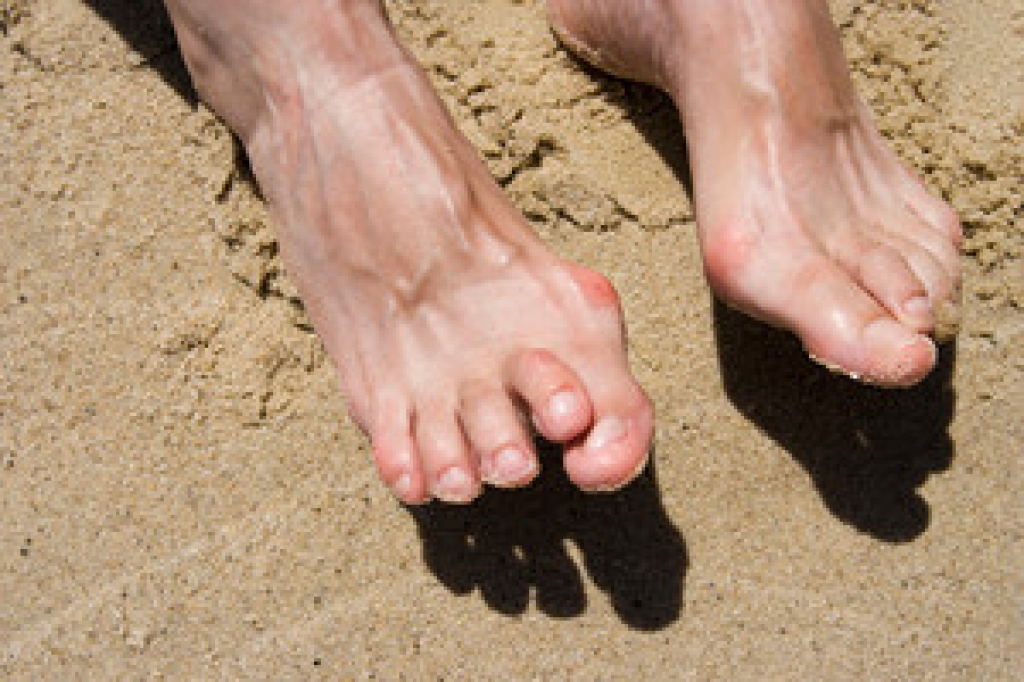 Hammertoe is a condition in which the joints of a toe become deformed, causing the toe to bend abnormally downward. This condition generally affects the second toe, but can occur in the third, fourth, or pinky toes. The hammertoe may be flexible or rigid. Signs that indicate you have developed a hammertoe can include pain at the top of the toe due to pressure from your shoes, pain at the base of the toe, corns on top of the toe, redness and swelling, and a decreased range of motion in the affected toe. Treatments depend on the severity of the hammertoe and can include conservative measures, such as wearing specialized foot pads or shoe inserts. In more severe cases surgery may be necessary. If you suspect that you have a hammertoe, it is recommended that you visit a podiatrist for proper care and treatment.
Hammertoes can be a painful condition to live with. For more information, contact one of our podiatrists of David A. Scalzo, DPM, PC and Associates. Our doctors will answer any of your foot- and ankle-related questions.
Hammertoe
Hammertoe is a foot deformity that occurs due to an imbalance in the muscles, tendons, or ligaments that normally hold the toe straight. It can be caused by the type of shoes you wear, your foot structure, trauma, and certain disease processes.
Symptoms
Risk Factors
Treatment
If you have hammertoe, you should change into a more comfortable shoe that provides enough room for your toes. Exercises such as picking up marbles may strengthen and stretch your toe muscles. Nevertheless, it is important to seek assistance from a podiatrist in order to determine the severity of your hammertoe and see which treatment option will work best for you.
If you have any questions, please feel free to contact our offices located in Duryea and Bangor, PA . We offer the newest diagnostic and treatment technologies for all your foot care needs.
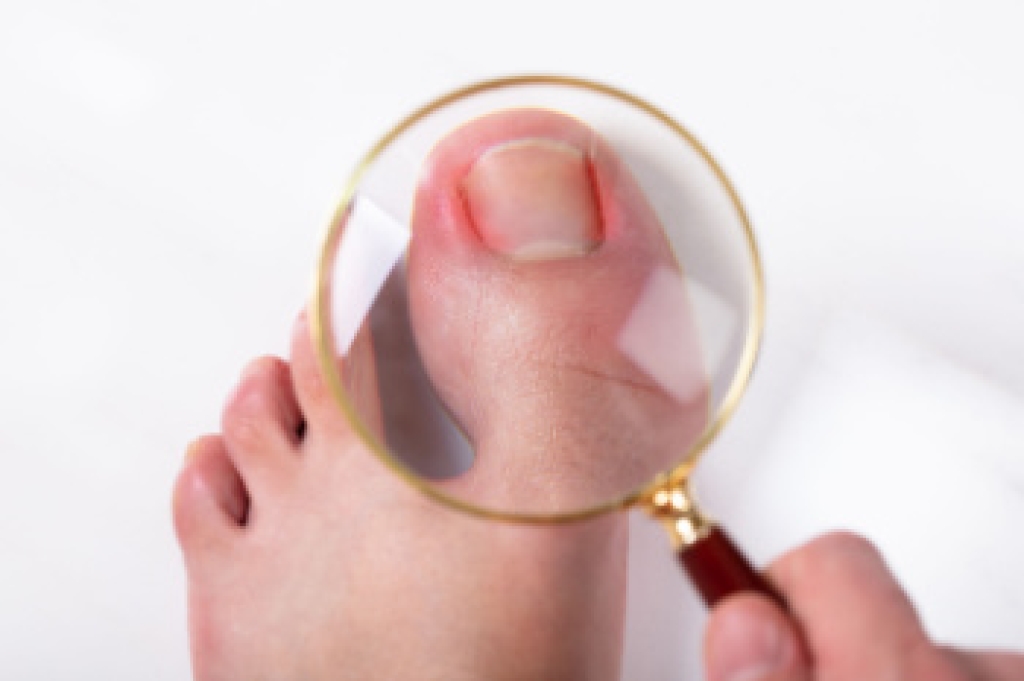
Ingrown toenails can range from mildly uncomfortable to severely painful and infected. For more advanced cases, a podiatrist may lift and trim the ingrown portion of the nail or perform a partial nail removal to relieve pressure and allow proper healing. If the problem is recurrent, a procedure can be done to remove part of the nail root using a chemical or laser to prevent regrowth in that area. In cases of severe infection or persistent ingrowth, full nail removal may be recommended. These treatments aim to reduce pain, prevent infection, and correct nail growth. If left untreated, an ingrown toenail can lead to deeper infection and more serious complications. If you have a persistent ingrown toenail, it is suggested that you see a podiatrist for a diagnosis and treatment that best suits your condition.
Ingrown toenails may initially present themselves as a minor discomfort, but they may progress into an infection in the skin without proper treatment. For more information about ingrown toenails, contact one of our podiatrists of David A. Scalzo, DPM, PC and Associates. Our doctors can provide the care you need to keep you pain-free and on your feet.
Ingrown Toenails
Ingrown toenails are caused when the corner or side of a toenail grows into the soft flesh surrounding it. They often result in redness, swelling, pain, and in some cases, infection. This condition typically affects the big toe and may recur if it is not treated properly.
Causes
You are more likely to develop an ingrown toenail if you are obese, have diabetes, arthritis, or have any fungal infection in your nails. Additionally, people who have foot or toe deformities are at a higher risk of developing an ingrown toenail.
Symptoms
Some symptoms of ingrown toenails are redness, swelling, and pain. In rare cases, there may be a yellowish drainage coming from the nail.
Treatment
Ignoring an ingrown toenail can have serious complications. Infections of the nail border can progress to a deeper soft-tissue infection, which can then turn into a bone infection. You should always speak with your podiatrist if you suspect you have an ingrown toenail, especially if you have diabetes or poor circulation.
If you have any questions, please feel free to contact our offices located in Duryea and Bangor, PA . We offer the newest diagnostic and treatment technologies for all your foot care needs.
Connect With Us
