
Injury Prevention for Runners

All runners are susceptible to a range of foot injuries stemming from the repetitive nature of running and other factors. Neglecting flexibility training can lead to decreased range of motion and increased risk of injuries such as strains and tears. Cross-training, incorporating activities like swimming or cycling, can mitigate these risks by engaging different muscle groups and reducing overuse injuries. Additionally, a balanced approach to fitness will help prevent foot injuries. Podiatrists play a significant role in this respect, offering expertise in foot and lower limb biomechanics, gait analysis, and injury prevention. They can guide proper footwear selection, orthotic devices, and personalized exercise regimens to address individual needs and reduce injury risk. If you are a runner, it is suggested that you make an appointment with a podiatrist to learn more about injury prevention in running so you can enjoy this port for the long term.

Exercising your feet regularly with the proper foot wear is a great way to prevent injuries. If you have any concerns about your feet, contact one of our podiatrists of David A. Scalzo, DPM, PC and Associates. Our doctors will treat your foot and ankle needs.

How to Prevent Running Injuries

Many common running injuries are caused by overuse and overtraining. When the back of the kneecap starts wearing out and starts causing pain in your knee, this is commonly referred to as runner’s knee. Runner’s knee is a decrease in strength in your quadriceps and can occur if you’re not wearing properly fitted or supporting shoes. To prevent runner’s knee, focusing on hip strengthening is a good idea, as well as strengthening your quads to keep the kneecaps aligned.

What Are Some Causes of Running Injuries? 
- One cause of a common running injury is called iliotibial band syndrome.
- Plantar fasciitis is also another common injury.
- Stress fractures can occur from overtraining, lack of calcium, or even your running style.

Best Ways to Prevent Running Injuries
- Wear footwear that fits properly and suits your running needs.
- Running shoes are the only protective gear that runners have to safeguard them from injury.
- Make a training schedule. Adding strengthening exercises as well as regular stretching can help keep you strong and limber and can lessen the possibility of injuries.
- Stretching keeps muscles limber; this will help you gain better flexibility.

If you have any questions, please feel free to contact our offices located in Duryea and Bangor, PA . We offer the newest diagnostic and treatment technologies for all your foot care needs.
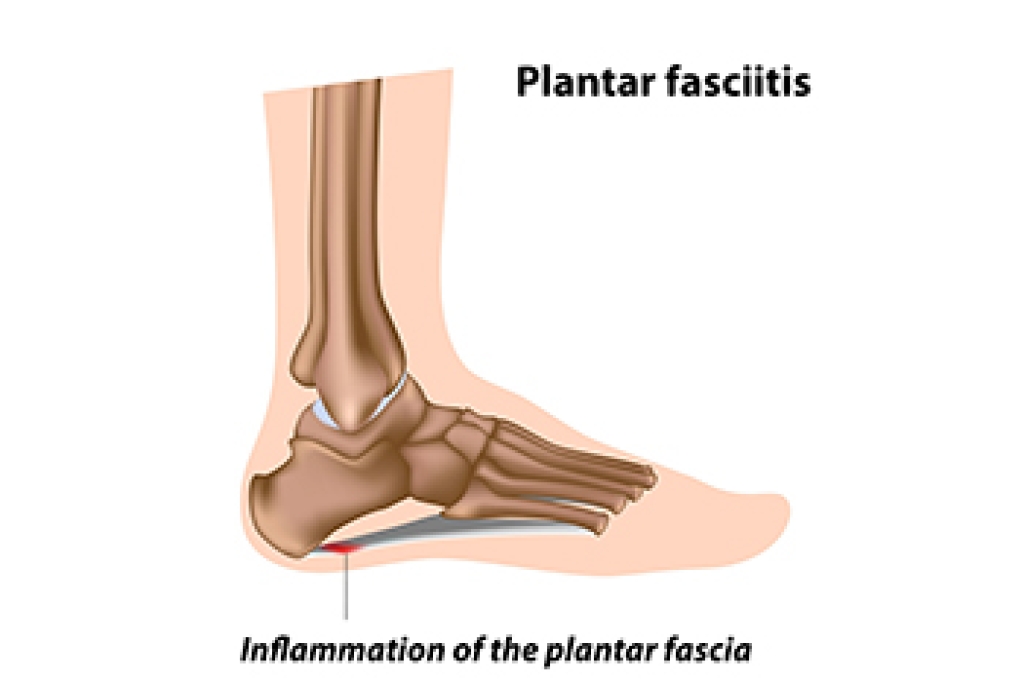
Read more about How to Prevent Running Injuries

Common Causes of Plantar Fasciitis

Plantar fasciitis, a common cause of heel pain, can arise from various factors related to foot mechanics, lifestyle, and health conditions. One primary cause is repetitive strain on the plantar fascia, the thick band of tissue that supports the arch of the foot. Activities such as running, walking, or standing for prolonged periods can put stress on the plantar fascia, leading to microtears and inflammation. Poor foot mechanics, including high arches, flat feet, or abnormal walking patterns, can also contribute to the development of plantar fasciitis by placing excess strain on the plantar fascia. Additionally, wearing unsupportive footwear or suddenly increasing activity levels can exacerbate the condition. Certain risk factors such as obesity, age, and occupations that require standing or walking for extended periods of time can increase susceptibility to plantar fasciitis. If you have heel pain, it is strongly suggested that you are under the care of a podiatrist who can effectively treat plantar fasciitis.

Plantar fasciitis is a common foot condition that is often caused by a strain injury. If you are experiencing heel pain or symptoms of plantar fasciitis, contact one of our podiatrists from David A. Scalzo, DPM, PC and Associates. Our doctors can provide the care you need to keep you pain-free and on your feet.

What Is Plantar Fasciitis?

Plantar fasciitis is one of the most common causes of heel pain. The plantar fascia is a ligament that connects your heel to the front of your foot. When this ligament becomes inflamed, plantar fasciitis is the result. If you have plantar fasciitis you will have a stabbing pain that usually occurs with your first steps in the morning. As the day progresses and you walk around more, this pain will start to disappear, but it will return after long periods of standing or sitting.

What Causes Plantar Fasciitis?

  • Excessive running
  • Having high arches in your feet
  • Other foot issues such as flat feet
  • Pregnancy (due to the sudden weight gain)
  • Being on your feet very often

There are some risk factors that may make you more likely to develop plantar fasciitis compared to others. The condition most commonly affects adults between the ages of 40 and 60. It also tends to affect people who are obese because the extra pounds result in extra stress being placed on the plantar fascia.

Prevention

  • Take good care of your feet – Wear shoes that have good arch support and heel cushioning.
  • Maintain a healthy weight
  • If you are a runner, alternate running with other sports that won’t cause heel pain

There are a variety of treatment options available for plantar fasciitis along with the pain that accompanies it. Additionally, physical therapy is a very important component in the treatment process. It is important that you meet with your podiatrist to determine which treatment option is best for you.

If you have any questions, please feel free to contact our offices located in Duryea and Bangor, PA . We offer the newest diagnostic and treatment technologies for all your foot care needs.
 

Read more about Plantar Fasciitis

Foot Pain as an Early Sign of Rheumatoid Arthritis

Foot pain can serve as an early warning sign of rheumatoid arthritis, or RA, a chronic autoimmune condition that affects joints. RA can affect the small joints in the feet, leading to swelling, tenderness, and stiffness. For many patients, the feet are the first site of RA-associated joint pain. People may experience pain in the joints of the toes or the middle of the foot, which is often worse in the morning. Typically, both feet are affected. Early intervention is important, as RA can progress to affect multiple joints, which leads to deformities and functional limitations. If you have foot pain or diagnosed rheumatoid arthritis, it is suggested you are under the care of a podiatrist who can offer tailored treatment for the feet. 

Because RA affects more than just your joints, including the joints in your feet and ankles, it is important to seek early diagnosis from your podiatrist if you feel like the pain in your feet might be caused by RA. For more information, contact one of our podiatrists of David A. Scalzo, DPM, PC and Associates. Our doctors will assist you with all of your podiatric concerns.

What Is Rheumatoid Arthritis?

Rheumatoid Arthritis (RA) is an autoimmune disorder in which the body’s own immune system attacks the membranes surrounding the joints. Inflammation of the lining and eventually the destruction of the joint’s cartilage and bone occur, causing severe pain and immobility.

Rheumatoid Arthritis of the Feet

Although RA usually attacks multiple bones and joints throughout the entire body, almost 90 percent of cases result in pain in the foot or ankle area.

Symptoms

  • Swelling and pain in the feet
  • Stiffness in the feet
  • Pain on the ball or sole of feet
  • Joint shift and deformation

Diagnosis

Quick diagnosis of RA in the feet is important so that the podiatrist can treat the area effectively. Your doctor will ask you about your medical history, occupation, and lifestyle to determine the origin of the condition. Rheumatoid Factor tests help to determine if someone is affected by the disease.

If you have any questions, please feel free to contact our offices located in Duryea and Bangor, PA . We offer the newest diagnostic and treatment technologies for all your foot care needs.

Read more about Rheumatoid Arthritis in the Feet

Causes and Symptoms of Overpronation

Foot pronation is the natural inward and outward movement of the foot while walking or running. In some cases, it can lead to over-pronation, where the foot excessively rolls inward, which affects gait and weight distribution. Overpronation may begin in childhood as a result of underdeveloped arches, or develop in adulthood due to arch collapse. Causes include genetics, foot deformities, and injuries. Obesity, and conditions like diabetes or arthritis, are other factors in developing pronation problems. Symptoms include pain, swelling, and related foot disorders such as plantar fasciitis or shin splints. Diagnosis involves examination, gait analysis, and imaging tests conducted by a podiatrist. If you have developed signs of overpronation, it is suggested that you make an appointment with a podiatrist for an exam and treatment options that are best for you.  

If you have any concerns about your feet, contact one of our podiatrists from David A. Scalzo, DPM, PC and Associates. Our doctors can provide the care you need to keep you pain-free and on your feet.

Biomechanics in Podiatry

Podiatric biomechanics is a particular sector of specialty podiatry with licensed practitioners who are trained to diagnose and treat conditions affecting the foot, ankle and lower leg. Biomechanics deals with the forces that act against the body, causing an interference with the biological structures. It focuses on the movement of the ankle, the foot and the forces that interact with them.

A History of Biomechanics

  • Biomechanics dates back to the BC era in Egypt where evidence of professional foot care has been recorded.
  • In 1974, biomechanics gained a higher profile from the studies of Merton Root, who claimed that by changing or controlling the forces between the ankle and the foot, corrections or conditions could be implemented to gain strength and coordination in the area.

Modern technological improvements are based on past theories and therapeutic processes that provide a better understanding of podiatric concepts for biomechanics. Computers can provide accurate information about the forces and patterns of the feet and lower legs.

Understanding biomechanics of the feet can help improve and eliminate pain, stopping further stress to the foot.

If you have any questions please feel free to contact our offices located in Duryea and Bangor, PA . We offer the newest diagnostic and treatment technologies for all your foot and ankle needs.

Read more about Biomechanics in Podiatry

Wounds That Don't Heal Need to Be Checked

Your feet are covered most of the day. If you're diabetic, periodic screening is important for good health. Numbness is often a sign of diabetic foot and can mask a sore or wound.

Connect With Us