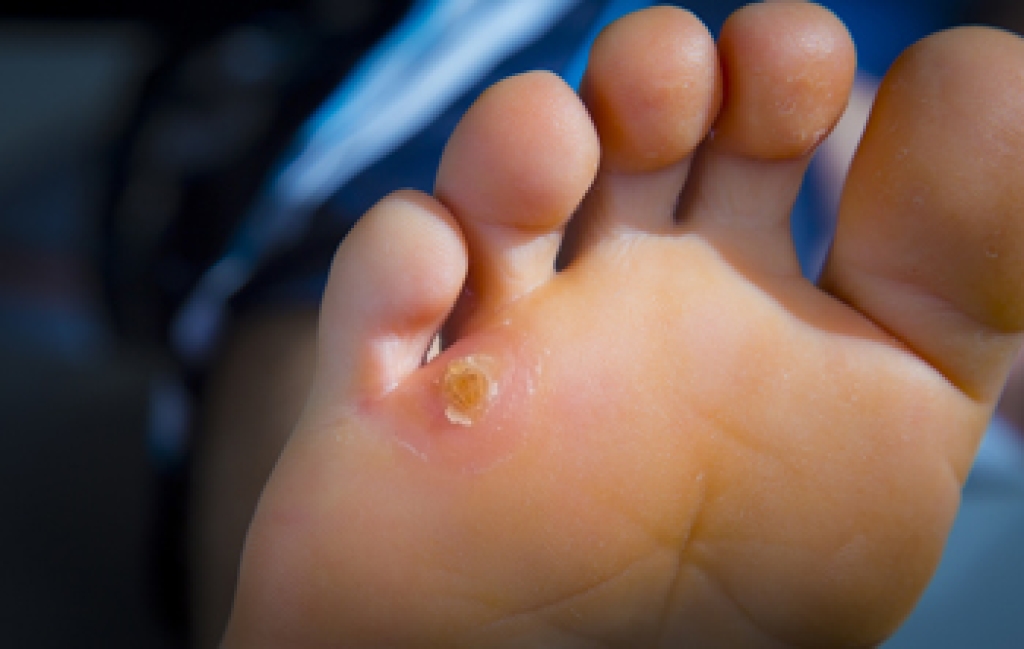
Differences Between Corns and Calluses on the Feet

Some people use the terms corns and calluses interchangeably, but they are different. A corn is a small, well-defined area of thickened skin that has a hard center core and is surrounded by inflamed skin. It can develop on various parts of the foot, from the sole to the pinky toe, tops of the toes, and between toes. Corns typically develop to protect the skin from excess pressure or friction, often from ill-fitting shoes. Usually, a corn is painful when pressed. A callus is generally not painful when pressed and covers a wider area developing where the feet bear a lot of weight, like the soles. It consists of thick, hard skin throughout the affected area and may not have a defined shape. If you have corns or calluses, it is a good idea to consult with a podiatrist who can provide treatment options for both conditions.

If you have any concerns regarding your feet and ankles, contact one of our podiatrists of David A. Scalzo, DPM, PC and Associates. Our doctors will treat your foot and ankle needs.

Corns: What Are They? and How Do You Get Rid of Them?
Corns can be described as areas of the skin that have thickened to the point of becoming painful or irritating. They are often layers and layers of the skin that have become dry and rough, and are normally smaller than calluses.

Ways to Prevent Corns
There are many ways to get rid of painful corns such as wearing:

  • Well-fitting socks
  • Comfortable shoes that are not tight around your foot
  • Shoes that offer support

Treating Corns
Treatment of corns involves removing the dead skin that has built up in the specific area of the foot. Consult with Our doctors to determine the best treatment option for your case of corns.

If you have any questions, please feel free to contact our offices located in Duryea and Bangor, PA . We offer the newest diagnostic and treatment technologies for all your foot care needs.
Read more about Everything You Need to Know About Corns

Effective Foot Care Practices May Help Diabetic Feet

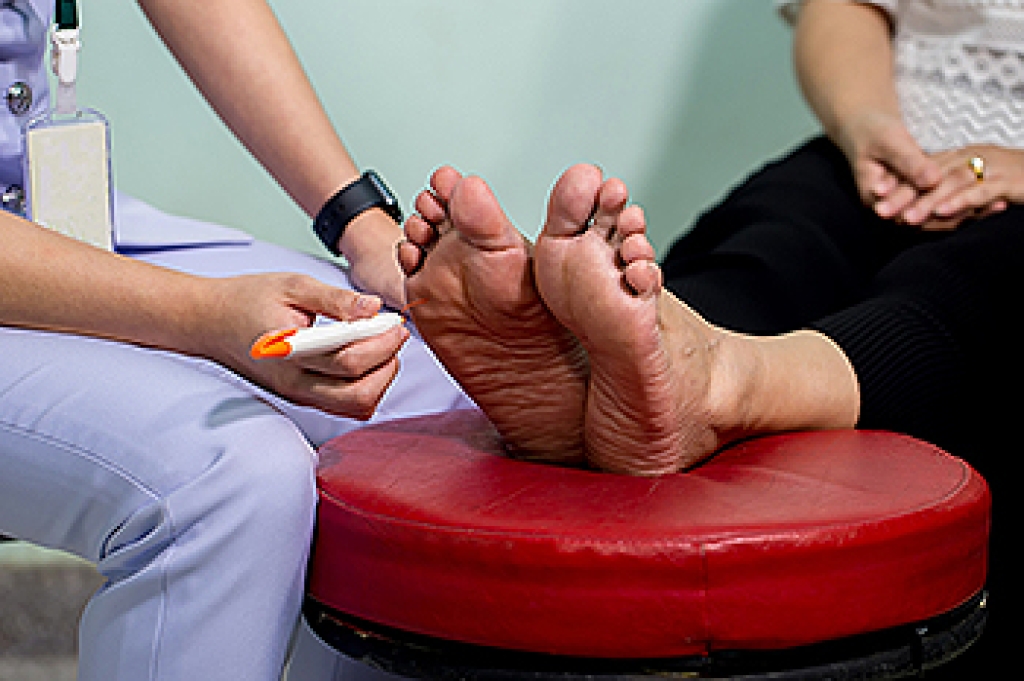
Taking a walk through a park or hiking on a trail may be a normal activity for most people, and the feet are often taken for granted. Diabetic patients may not be able to experience these types of events, and completing everyday tasks may be difficult. This is a result of elevated blood sugar levels which may cause damage to the nerves and blood vessels. People who have diabetes may lose the ability to feel wounds on their feet, and existing cuts may develop into diabetic foot ulcers. It is essential for people who are afflicted with diabetes to take proper care of their feet, and this generally begins with washing and drying the feet daily. The feet will feel more comfortable when shoes that are worn fit properly, and nails are trimmed correctly on a weekly basis. There are diabetic patients who have professions that require work boots to be worn, and it is suggested that two pairs of socks are worn. This may provide additional protection to the toes as they rub against the top of the shoe. It is strongly urged that diabetic patients are under the care of a podiatrist who can treat any existing problems, and offer effective management tips.

Diabetic foot care is important in preventing foot ailments such as ulcers. If you are suffering from diabetes or have any other concerns about your feet, contact one of our podiatrists from David A. Scalzo, DPM, PC and Associates. Our doctors can provide the care you need to keep you pain-free and on your feet.

Diabetic Foot Care

Diabetes affects millions of people every year. The condition can damage blood vessels in many parts of the body, especially the feet. Because of this, taking care of your feet is essential if you have diabetes, and having a podiatrist help monitor your foot health is highly recommended.

The Importance of Caring for Your Feet

  • Routinely inspect your feet for bruises or sores.
  • Wear socks that fit your feet comfortably.
  • Wear comfortable shoes that provide adequate support.

Patients with diabetes should have their doctor monitor their blood levels, as blood sugar levels play such a huge role in diabetic care. Monitoring these levels on a regular basis is highly advised.

It is always best to inform your healthcare professional of any concerns you may have regarding your feet, especially for diabetic patients. Early treatment and routine foot examinations are keys to maintaining proper health, especially because severe complications can arise if proper treatment is not applied.

If you have any questions, please feel free to contact our offices located in Duryea and Bangor, PA . We offer the newest diagnostic and treatment technologies for all your foot care needs.

Read more about Diabetic Foot Conditions

Painful Morton’s Neuroma

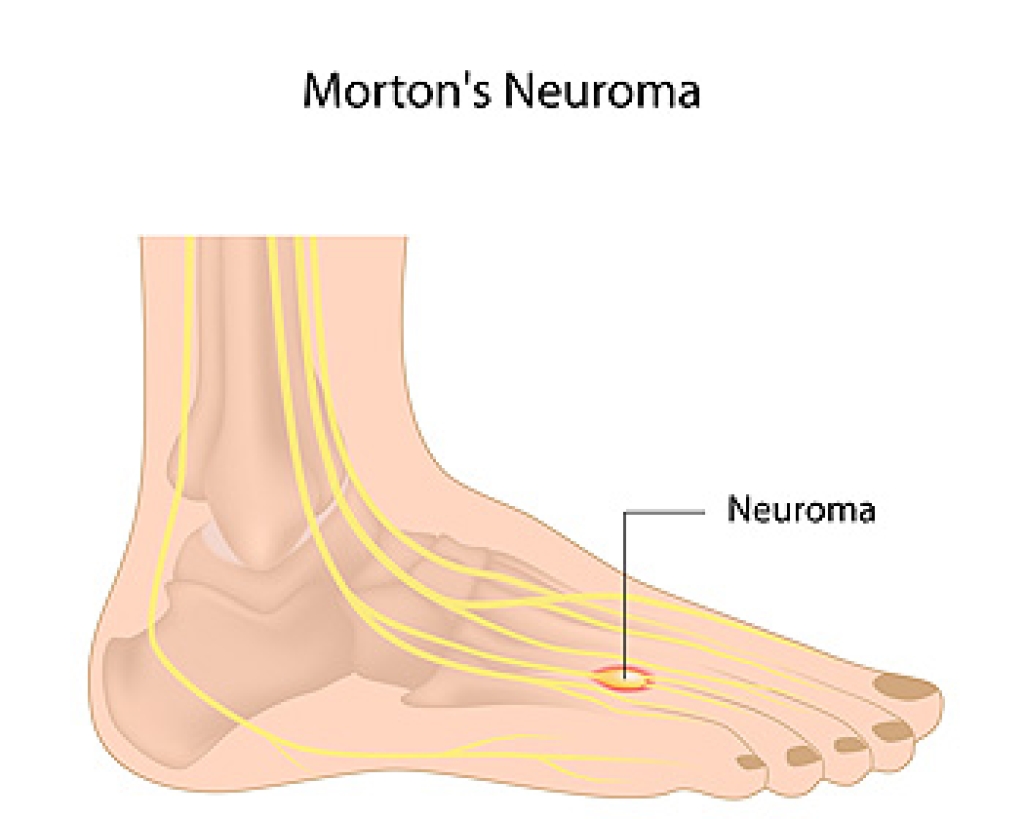
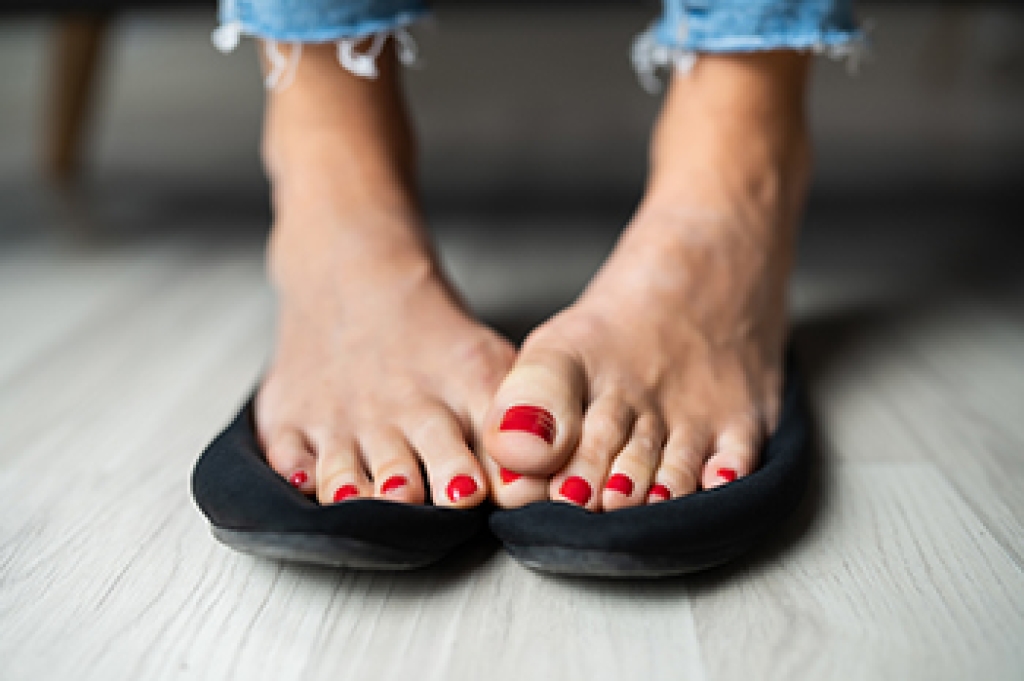
The feet are known to absorb more force than any other body part. There are many foot conditions that can cause extreme pain and discomfort, and Morton’s neuroma falls into that category. It is defined as a compressed nerve that lies between the third and fourth toes, and can happen from wearing shoes that do not have enough room for the toes to move in freely. Women who wear high heels may develop and suffer from Morton’s neuroma, and if it is not diagnosed promptly, surgery may be needed for permanent relief. Early detection of this condition may help the inflamed tissue surrounding the nerve to stabilize, and wearing shoes that fit correctly may help to accelerate this process. Morton’s neuroma can become a serious foot condition, and if you feel you have this, it is strongly advised that you are under the care of a podiatrist who can properly assess and treat this ailment.

Morton’s neuroma is a very uncomfortable condition to live with. If you think you have Morton’s neuroma, contact one of our podiatrists of David A. Scalzo, DPM, PC and Associates. Our doctors will attend to all of your foot care needs and answer any of your related questions.  

Morton’s Neuroma

Morton's neuroma is a painful foot condition that commonly affects the areas between the second and third or third and fourth toe, although other areas of the foot are also susceptible. Morton’s neuroma is caused by an inflamed nerve in the foot that is being squeezed and aggravated by surrounding bones.

What Increases the Chances of Having Morton’s Neuroma?

  • Ill-fitting high heels or shoes that add pressure to the toe or foot
  • Jogging, running or any sport that involves constant impact to the foot
  • Flat feet, bunions, and any other foot deformities

Morton’s neuroma is a very treatable condition. Orthotics and shoe inserts can often be used to alleviate the pain on the forefront of the feet. In more severe cases, corticosteroids can also be prescribed. In order to figure out the best treatment for your neuroma, it’s recommended to seek the care of a podiatrist who can diagnose your condition and provide different treatment options.

If you have any questions, please feel free to contact our offices located in Duryea and Bangor, PA . We offer the newest diagnostic and treatment technologies for all your foot care needs.
Read more about What is Morton's Neuroma?

Let the Expert Treat Your Ingrown Toenails

Ingrown toenails can be painful and can make wearing shoes or walking uncomfortable. Seek professional help if you believe you've developed an ingrown toenail and be treated safely. 

Why Are My Feet Sweating?

Hyperhidrosis is an excessive sweating that can affect the feet and other parts of the body. The medical terms are polyhidrosis and sudorrhea. This ailment is not life-threatening but can be uncomfortable and embarrassing. Many people who have this condition often notice signs in their teenage years, which can develop reasons such as obesity, diabetes, or a thyroid disorder. A common symptom that is associated with this ailment is profuse sweating on the soles of the feet that can often soak through the socks and shoes. The skin on the feet may ultimately be affected, and people who have hyperhidrosis may choose to refrain from having physical contact. If you have this condition, a podiatrist will be able to provide a proper diagnosis and guide you toward the correct treatment options. If more information is desired, it is strongly suggested that this type of doctor is contacted so relief can be found.

If you are suffering from hyperhidrosis contact one of our podiatrists of David A. Scalzo, DPM, PC and Associates. Our doctors can provide the care you need to attend to all of your foot and ankle needs.

Hyperhidrosis of the Feet

Hyperhidrosis is a rare disorder that can cause people to have excessive sweating of their feet. This can usually occur all on its own without rigorous activity involved. People who suffer from hyperhidrosis may also experience sweaty palms.

Although it is said that sweating is a healthy process meant to cool down the body temperature and to maintain a proper internal temperature, hyperhidrosis may prove to be a huge hindrance on a person’s everyday life.

Plantar hyperhidrosis is considered to be the main form of hyperhidrosis. Secondary hyperhidrosis can refer to sweating that occurs in areas other than the feet or hands and armpits. Often this may be a sign of it being related to another medical condition such as menopause, hyperthyroidism and even Parkinson’s disease.

In order to alleviate this condition, it is important to see your doctor so that they may prescribe the necessary medications so that you can begin to live a normal life again. If this is left untreated, it is said that it will persist throughout an individual’s life.

A last resort approach would be surgery, but it is best to speak with your doctor to find out what may be the best treatment for you.

If you have any questions, please feel free to contact our offices located in Duryea and Bangor, PA . We offer the newest diagnostic and treatment technologies for all your foot care needs.

Read more about Hyperhidrosis of the Feet

Connect With Us