Foot Pain and Hip Pain

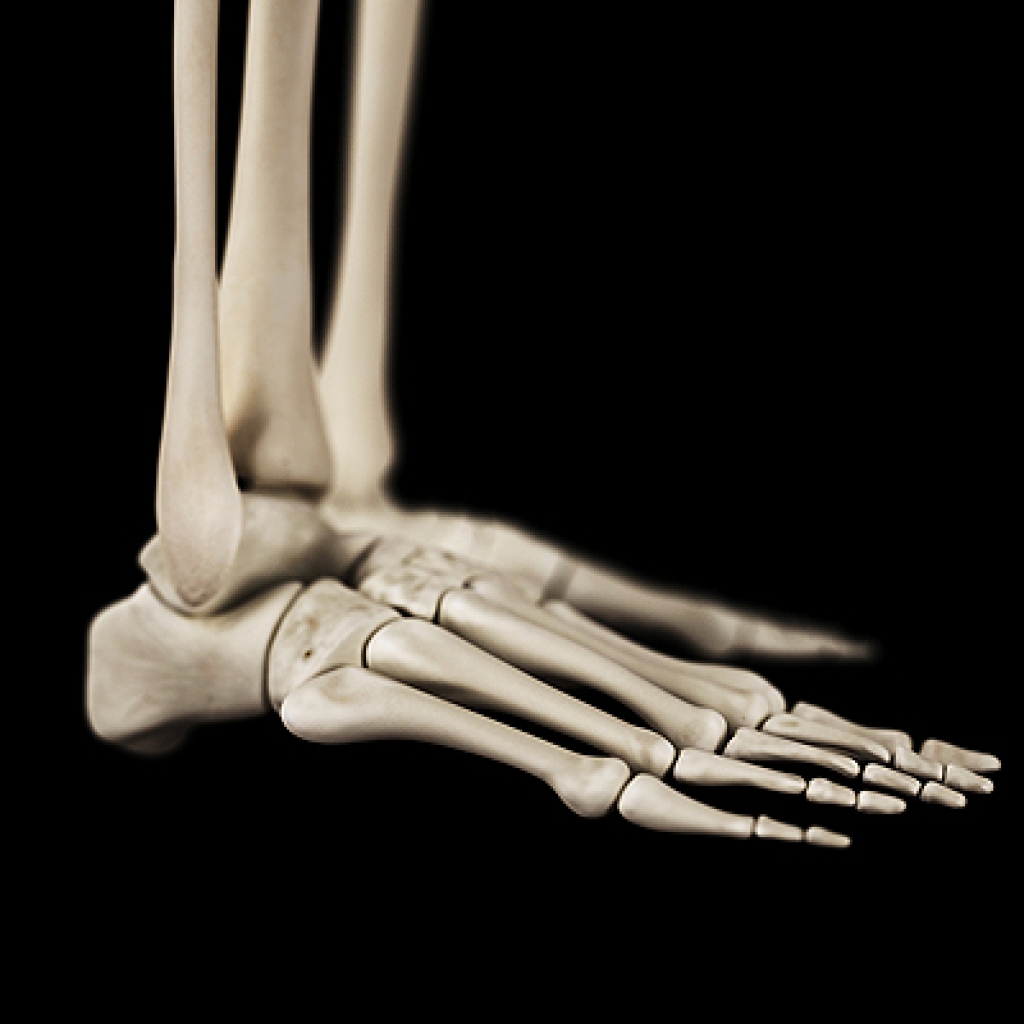
If a person is living with foot pain, there may be any number of potential causes. For example, a person might have a condition such as plantar fasciitis or heel spurs that is causing the pain. Additionally, foot pain has interesting connections and relationships to other parts of the body that may be affected. Specifically, foot pain can sometimes be linked with hip pain. The reason for this is that the interaction between the foot and the hip, as well as the knee, form a kinetic chain, responsible for facilitating motion. Also, since the feet are the very foundation of the body, a problem with the feet could also lead to a problem with hip pain. Importantly, the hips and the feet are interconnected and one ought to care for both of these important body parts. If you are someone currently living with hip or foot pain, it is suggested that you contact a podiatrist today.

Foot Pain

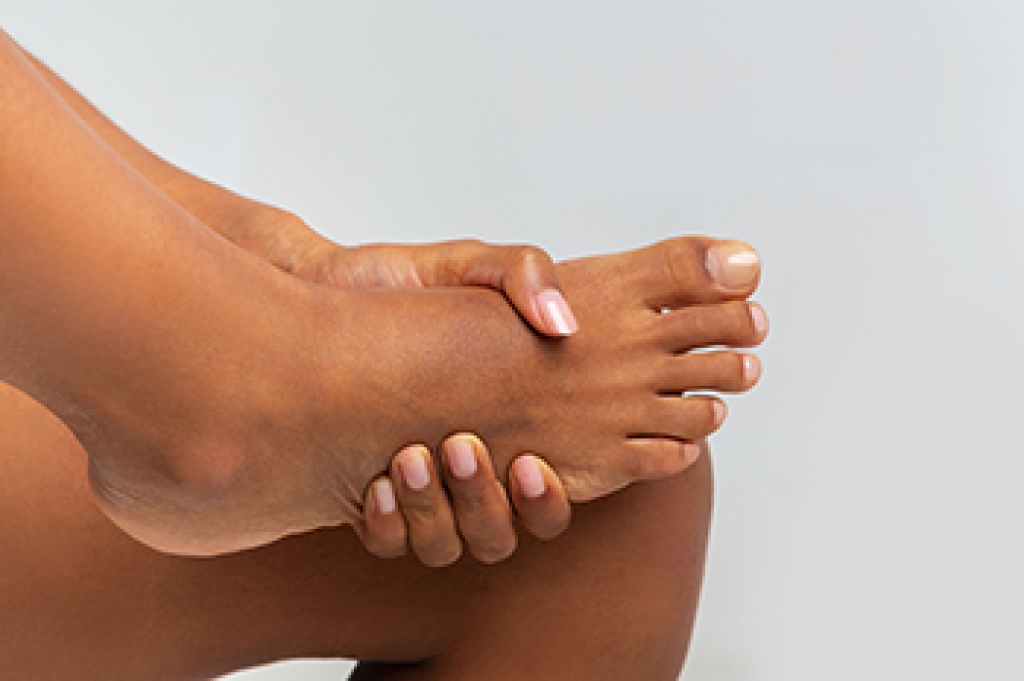
Foot pain can be extremely painful and debilitating. If you have a foot pain, consult with one of our podiatrists  from David A. Scalzo, DPM, PC and Associates. Our doctors will assess your condition and provide you with quality foot and ankle treatment.

Causes

Foot pain is a very broad condition that could be caused by one or more ailments. The most common include:

  • Bunions
  • Hammertoes
  • Plantar Fasciitis
  • Bone Spurs
  • Corns
  • Tarsal Tunnel Syndrome
  • Ingrown Toenails
  • Arthritis (such as Gout, Rheumatoid, and Osteoarthritis)
  • Flat Feet
  • Injury (from stress fractures, broken toe, foot, ankle, Achilles tendon ruptures, and sprains)
  • And more

Diagnosis

To figure out the cause of foot pain, podiatrists utilize several different methods. This can range from simple visual inspections and sensation tests to X-rays and MRI scans. Prior medical history, family medical history, and any recent physical traumatic events will all be taken into consideration for a proper diagnosis.

Treatment

Treatment depends upon the cause of the foot pain. Whether it is resting, staying off the foot, or having surgery; podiatrists have a number of treatment options available for foot pain.

If you have any questions, please feel free to contact our offices located in Duryea and Bangor, PA . We offer the newest diagnostic and treatment technologies for all your foot care needs.

Read more about Foot Pain

Foot Wound Care

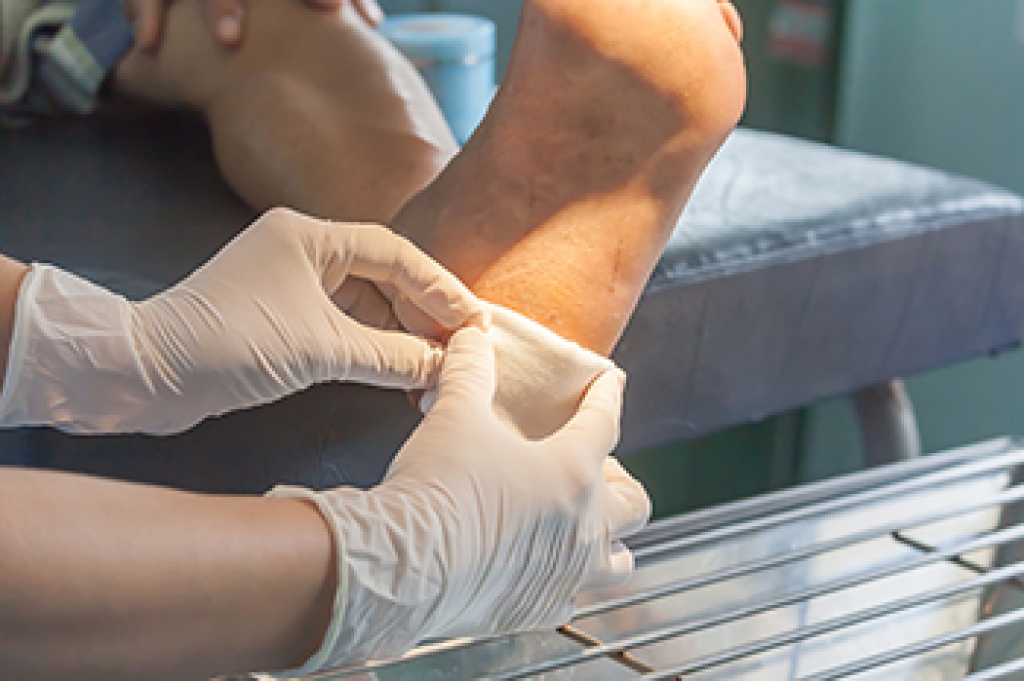
One of the most serious types of wounds on the feet is a foot ulcer. Ulcers can be common among diabetic patients and prompt medical attention is often sought to help prevent an infection. Treatment can begin with removing dead tissue, which is referred to as debridement. This is followed by dressing the wound using sterile gauze pads and antibiotic cream if the wound is infected. Many people who are diabetic can develop neuropathy, the inability to feel existing cuts on the feet. If left unnoticed, a foot ulcer can easily develop and may require more extensive forms of treatment. These types of wounds often take several weeks or months to heal and the dressing may need to be changed daily. If you have diabetes, it is strongly suggested that you speak with a podiatrist who can treat existing wounds and help you manage this condition. 

Wound care is an important part in dealing with diabetes. If you have diabetes and a foot wound or would like more information about wound care for diabetics, consult with one of our podiatrists from David A. Scalzo, DPM, PC and Associates. Our doctors will assess your condition and provide you with quality foot and ankle treatment.

What Is Wound Care?

Wound care is the practice of taking proper care of a wound. This can range from the smallest to the largest of wounds. While everyone can benefit from proper wound care, it is much more important for diabetics. Diabetics often suffer from poor blood circulation which causes wounds to heal much slower than they would in a non-diabetic. 

What Is the Importance of Wound Care?

While it may not seem apparent with small ulcers on the foot, for diabetics, any size ulcer can become infected. Diabetics often also suffer from neuropathy, or nerve loss. This means they might not even feel when they have an ulcer on their foot. If the wound becomes severely infected, amputation may be necessary. Therefore, it is of the upmost importance to properly care for any and all foot wounds.

How to Care for Wounds

The best way to care for foot wounds is to prevent them. For diabetics, this means daily inspections of the feet for any signs of abnormalities or ulcers. It is also recommended to see a podiatrist several times a year for a foot inspection. If you do have an ulcer, run the wound under water to clear dirt from the wound; then apply antibiotic ointment to the wound and cover with a bandage. Bandages should be changed daily and keeping pressure off the wound is smart. It is advised to see a podiatrist, who can keep an eye on it.

If you have any questions please contact our offices located in Duryea and Bangor, PA . We offer the newest diagnostic and treatment technologies for all your foot and ankle needs.

Read more about Wound Care

Development of Children's Feet

Babies’ feet look like smaller versions of adult feet, however, that is where the similarities end. When babies are born, bones will gradually replace the cartilage as they begin to use their feet while crawling and walking. The foot shape and structure will start to form during the first six months and the foot size will increase by three times before their first birthday. Several joints and 26 bones will form to comprise the adult foot and this process is generally completed by the age of 18. It is beneficial for the child to walk barefoot while indoors as this can help to strengthen the entire foot. When it is time for the first pair of shoes to be purchased, a good choice is shoes that are flexible and supportive. Many parents notice their children are bow-legged or lean toward walking on their tip toes. This is normal and walking will gradually strengthen the feet to be able to stand normally. If you would like additional information about how your child’s feet develop, it is suggested that you consult with a podiatrist.

The health of a child’s feet is vital to their overall well-being. If you have any questions regarding foot health, contact one of our podiatrists of David A. Scalzo, DPM, PC and Associates. Our doctors can provide the care you need to keep you pain-free and on your feet.

Tips for Keeping Children's Feet Healthy

  • Make sure their shoes fit properly
  • Look for any signs of in-toeing or out-toeing
  • Check to see if they have Clubfoot (condition that affects your child’s foot and ankle, twisting the heel and toes inward) which is one of the most common nonmajor birth defects.
  • Lightly cover your baby’s feet (Tight covers may keep your baby from moving their feet freely, and could prevent normal development)
  • Allow your toddler to go shoeless (Shoes can be restricting for a young child’s foot)
  • Cut toenails straight across to avoid ingrown toenails
  • Keep your child’s foot clean and dry
  • Cover cuts and scrapes. Wash any scratches with soap and water and cover them with a bandage until they’ve healed.

If you have any questions, please feel free to contact our offices located in Duryea and Bangor, PA . We offer the newest diagnostic and treatment technologies for all your foot care needs.

Read more about How to Care for Your Child's Feet

Reasons That Stress Fractures Can Develop

Many people who are athletic suffer from stress fractures. The foot is a common place for this type of injury to occur, and it happens from gradually increasing speed and distance too quickly while running. Additionally, it can happen to people who frequently run on uneven surfaces, and this can wreak havoc on the foot bones. The metatarsal bones can be affected. These are the long bones at the top of the foot, connecting the heel to the toes. The feet absorb the impact of running, and it is beneficial to wear shoes that have adequate cushioning. Existing medical conditions may lead to developing a stress fracture, consisting of diabetes, arthritis, or osteoporosis. People who are vitamin deficient in D or calcium may start to experience symptoms of a stress fracture. These can include having dull pain in a specific area of the foot, and it may radiate to the entire foot if treatment is not promptly received. If you think you may have a stress fracture, it is suggested that you consult with a podiatrist who can determine what the best course of treatment is for you.

Activities where too much pressure is put on the feet can cause stress fractures. To learn more, contact one of our podiatrists from David A. Scalzo, DPM, PC and Associates. Our doctors can provide the care you need to keep your pain free and on your feet.

Dealing with Stress Fractures of the Foot and Ankle

Stress fractures occur in the foot and ankle when muscles in these areas weaken from too much or too little use.  The feet and ankles then lose support when walking or running from the impact of the ground. Since there is no protection, the bones receive the full impact of each step. Stress on the feet can cause cracks to form in the bones, thus creating stress fractures.

What Are Stress Fractures?

Stress fractures occur frequently in individuals whose daily activities cause great impact on the feet and ankles. Stress factors are most common among:

  • Runners                                
  • People affected with Osteoporosis
  • Tennis or basketball players
  • Gymnasts
  • High impact workouts

Symptoms

Pain from the fractures occur in the area of the fractures and can be constant or intermittent. It will often cause sharp or dull pain with swelling and tenderness. Engaging in any kind of activity which involves high impact will aggravate pain.

If you have any questions please contact our offices located in Duryea and Bangor, PA . We offer the newest diagnostic and treatment technologies for all your foot and ankle needs.

Read more about Dealing with Stress Fractures of the Foot and Ankle

Connect With Us