
Causes and Symptoms of Ingrown Toenails

Ingrown toenails can be more than just a nuisance. They can cause considerable discomfort and pain. This common condition occurs when the edge of a toenail grows into the surrounding skin, leading to inflammation. The causes of ingrown toenails can vary, ranging from improper trimming techniques to wearing ill-fitting shoes. Symptoms often include pain, redness, and swelling at the affected site. Additionally, pus or clear fluid may develop if an infection sets in. Certain risk factors heighten the likelihood of developing ingrown toenails, such as genetics, having curved nails, poor foot hygiene, and engaging in activities that put pressure on the toes. Understanding the causes, recognizing the symptoms, and being aware of risk factors can empower individuals to take preventive measures and seek timely treatment for this uncomfortable condition. If you have an ingrown toenail, it is suggested that you consult with a podiatrist who can offer you treatment options that are correct for you.

Ingrown toenails can become painful if they are not treated properly. For more information about ingrown toenails, contact one of our podiatrists of David A. Scalzo, DPM, PC and Associates. Our doctors can provide the care you need to keep you pain-free and on your feet.

Ingrown Toenails

Ingrown toenails occur when a toenail grows sideways into the bed of the nail, causing pain, swelling, and possibly infection.

Causes

  • Bacterial infections
  • Improper nail cutting such as cutting it too short or not straight across
  • Trauma to the toe, such as stubbing, which causes the nail to grow back irregularly
  • Ill-fitting shoes that bunch the toes too close together
  • Genetic predisposition

Prevention

Because ingrown toenails are not something found outside of shoe-wearing cultures, going barefoot as often as possible will decrease the likeliness of developing ingrown toenails. Wearing proper fitting shoes and using proper cutting techniques will also help decrease your risk of developing ingrown toenails.

Treatment

Ingrown toenails are a very treatable foot condition. In minor cases, soaking the affected area in salt or antibacterial soaps will not only help with the ingrown nail itself, but also help prevent any infections from occurring. In more severe cases, surgery is an option. In either case, speaking to your podiatrist about this condition will help you get a better understanding of specific treatment options that are right for you.

If you have any questions, please feel free to contact our offices located in Duryea and Bangor, PA . We offer the newest diagnostic and treatment technologies for all your foot care needs.

Read more about Ingrown Toenail Care

Causes of Discomfort on the Bottom of the Foot

Foot pain can send ripples of discomfort through our daily activities, especially when it emanates from the bottom of the foot. This region, comprising muscles, tendons, and ligaments, is susceptible to various triggers. Plantar fasciitis, a common culprit, results from inflammation of the tissue connecting the heel to the toes. Strained arches or flat feet can lead to overuse injuries, causing discomfort along the sole of the foot.  Morton's neuroma, a thickening of nerve tissue, can cause sharp pain between the toes. Excessive pressure, wearing ill-fitting footwear, or repetitive motions can contribute to this condition. Proper diagnosis by a podiatrist is essential in accurately pinpointing the cause. With tailored care and lifestyle adjustments, individuals can address the root of their discomfort. If you have pain on the bottom of your foot, it is strongly suggested that you are under the care of a podiatrist who can determine the cause and treat it accordingly. 

Foot Pain

Foot pain can be extremely painful and debilitating. If you have a foot pain, consult with one of our podiatrists  from David A. Scalzo, DPM, PC and Associates. Our doctors will assess your condition and provide you with quality foot and ankle treatment.

Causes

Foot pain is a very broad condition that could be caused by one or more ailments. The most common include:

  • Bunions
  • Hammertoes
  • Plantar Fasciitis
  • Bone Spurs
  • Corns
  • Tarsal Tunnel Syndrome
  • Ingrown Toenails
  • Arthritis (such as Gout, Rheumatoid, and Osteoarthritis)
  • Flat Feet
  • Injury (from stress fractures, broken toe, foot, ankle, Achilles tendon ruptures, and sprains)
  • And more

Diagnosis

To figure out the cause of foot pain, podiatrists utilize several different methods. This can range from simple visual inspections and sensation tests to X-rays and MRI scans. Prior medical history, family medical history, and any recent physical traumatic events will all be taken into consideration for a proper diagnosis.

Treatment

Treatment depends upon the cause of the foot pain. Whether it is resting, staying off the foot, or having surgery; podiatrists have a number of treatment options available for foot pain.

If you have any questions, please feel free to contact our offices located in Duryea and Bangor, PA . We offer the newest diagnostic and treatment technologies for all your foot care needs.

Read more about Foot Pain

We Can Treat Your Foot or Ankle Pain

Foot or ankle pain can negatively affect your day-to-day life and can occur due to several different conditions. Pain can also be an indicator of a more serious underlying condition, which is why you should seek professional help as soon as you notice any abnormalities in your feet.

Unveiling the Role and Path to Becoming a Podiatrist

Podiatry is a specialized branch of medical care that focuses on diagnosing and treating foot, ankle, and lower limb conditions. Podiatrists, often referred to as foot doctors, play a vital role in maintaining overall mobility and well-being. These healthcare professionals are trained to address a wide range of foot-related issues, ranging from minor ailments to complex conditions. To become a podiatrist, one typically needs to complete a Doctor of Podiatric Medicine (DPM) degree, which involves rigorous education and clinical training. This encompasses a comprehensive study of anatomy, physiology, biomechanics, and surgical techniques specific to the lower extremities. Through their extensive training, podiatrists become skilled experts dedicated to preserving and improving the function and health of their patient's feet and ankles. If you are interested in pursuing podiatry as a career choice, it is suggested that you visit this type of doctor who can answer any questions you may have.

If you are experiencing pain in the feet or ankles, don’t join the stubborn majority refusing treatment. Feel free to contact one of our podiatrists from David A. Scalzo, DPM, PC and Associates. Our doctors can provide the care you need to keep you pain-free and on your feet.

What Is a Podiatrist?

Someone would seek the care of a podiatrist if they have suffered a foot injury or have common foot ailments such as heal spurs, bunions, arch problems, deformities, ingrown toenails, corns, foot and ankle problems, etc.

Podiatric Treatment

A podiatrist will treat the problematic areas of the feet, ankle or lower leg by prescribing the following:

  • Physical therapy
  • Drugs
  • Orthotic inserts or soles
  • Surgery on lower extremity fractures

A common podiatric procedure a podiatrist will use is a scanner or force plate which will allow the podiatrist to know the designs of orthotics. Patients are then told to follow a series of tasks to complete the treatment. The computer will scan the foot a see which areas show weight distribution and pressure points. The podiatrist will read the analysis and then determine which treatment plans are available.

If you have any questions, please feel free to contact our offices located in Duryea and Bangor, PA . We offer the newest diagnostic and treatment technologies for all your foot care needs.
Read more about What is a Podiatrist?

Unraveling the Causes of Bunions

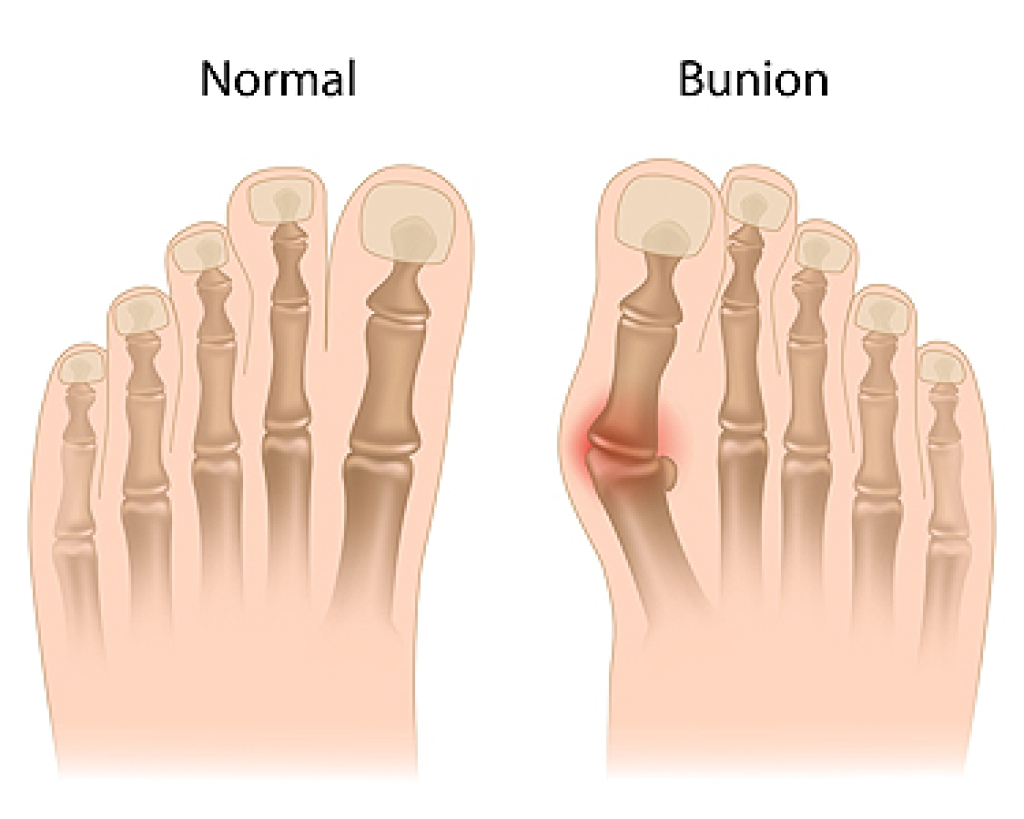
Bunions, also known as hallux valgus, are bony bumps that form at the base of the big toe. This condition occurs when the big toe pushes against the adjacent toe, causing the joint to move out of alignment. There are various reasons why bunions can develop. Genetics play a significant role, as individuals with a family history of bunions are more likely to develop them. Wearing ill-fitting shoes, especially those with narrow toe boxes, can exacerbate the condition. As bunions progress, symptoms become more pronounced. Common signs include pain, swelling, redness, and stiffness around the affected joint. Corns and calluses may develop due to friction from overlapping toes. As a bunion worsens, the shape of the foot may change, possibly affecting balance and walking patterns. Early detection and appropriate measures, such as wearing supportive footwear and using padding or orthotic inserts, can help manage symptoms and prevent further deformity. If you have a bunion, it is strongly suggested that you visit a podiatrist who can provide you with relief and treatment options that are right for you.

If you are suffering from bunion pain, contact one of our podiatrists of David A. Scalzo, DPM, PC and Associates. Our doctors can provide the care you need to keep you pain-free and on your feet.

What Is a Bunion?

Bunions are painful bony bumps that usually develop on the inside of the foot at the joint of the big toe. As the deformity increases over time, it may become painful to walk and wear shoes. Women are more likely to exacerbate existing bunions since they often wear tight, narrow shoes that shift their toes together. Bunion pain can be relieved by wearing wider shoes with enough room for the toes.

Causes

  • Genetics – some people inherit feet that are more prone to bunion development
  • Inflammatory Conditions - rheumatoid arthritis and polio may cause bunion development

Symptoms

  • Redness and inflammation
  • Pain and tenderness
  • Callus or corns on the bump
  • Restricted motion in the big toe

In order to diagnose your bunion, your podiatrist may ask about your medical history, symptoms, and general health. Your doctor might also order an x-ray to take a closer look at your feet. Nonsurgical treatment options include orthotics, padding, icing, changes in footwear, and medication. If nonsurgical treatments don’t alleviate your bunion pain, surgery may be necessary.

If you have any questions, please feel free to contact our offices located in Duryea and Bangor, PA . We offer the newest diagnostic and treatment technologies for all your foot care needs.

Read more about Bunions

Connect With Us