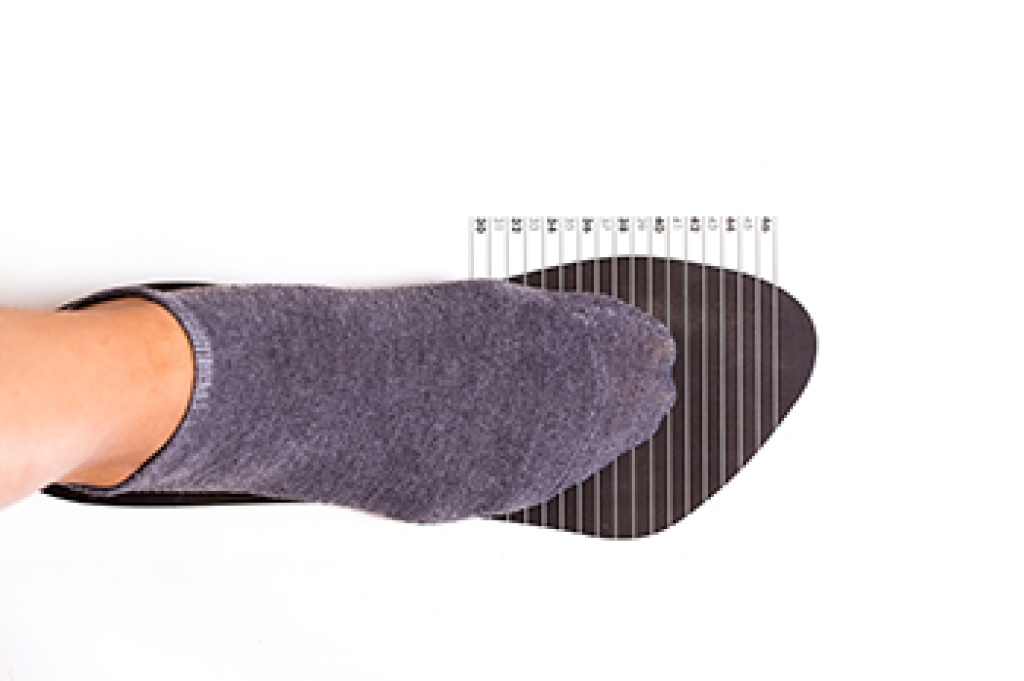
Well-Fitting Shoes

Finding the right shoe size is important for maintaining foot health and overall comfort. Wearing shoes that are too tight or loose can lead to a variety of foot problems, including blisters, calluses, bunions, and even long-term issues like hammertoes and plantar fasciitis. Properly fitting shoes provide the necessary support and cushioning to prevent these conditions and promote healthy foot mechanics. To find the right shoe size, measure your feet at the end of the day when they are at their largest. Ensure there is about a half-inch space between your longest toe and the end of the shoe. Consider the shoe's width, as shoes that are too narrow or wide can cause discomfort and foot deformities. It is also important to try on both shoes, as feet are rarely identical in size. A podiatrist can provide expert advice on the best shoe type for your foot shape and specific needs, helping you avoid common pitfalls, in addition to finding shoes that offer both comfort and support. It is suggested that you schedule an appointment with this type of medical professional for personalized advice and to address any existing foot issues.

Finding a properly-fitting shoe is important in reducing injuries and preventing foot problems. For more information about treatment, contact one of our podiatrists from David A. Scalzo, DPM, PC and Associates. Our doctors will treat your foot and ankle needs.

Proper Shoe Fitting

A common concern when it comes to foot health, having properly fitted shoes can help prevent injuries to the foot. Out feet affect our posture and gait, which in turn affects the biomechanics and overall bodily structure. With 33 joints, 26 bones, and over 100 ligaments, the potential for serious injury is much greater than one realizes. Although the feet cease growth in adulthood, they still change shape as they mature. Here are some factors to consider when it comes to investing in proper fitting shoes:

  • Be sure the shoes fit correctly right away
  • Ensure the ball of your foot fits comfortably in the widest portion of the shoes
  • Even though they may look fashionable, improper fitting shoes can either create adverse conditions or exacerbate existing ones you may already have
  • Walk along a carpeted surface to ensure the shoes comfortably fit during normal activity

Keeping in mind how shoes fit the biomechanics of your body, properly-fitting shoes are vitally important. Fortunately, it is not difficult to acquire footwear that fits correctly. Be sure to wear shoes that support the overall structure of your body. Do your feet a favor and invest in several pairs of well-fitted shoes today.

If you have any questions, please feel free to contact our offices located in Duryea and Bangor, PA . We offer the newest diagnostic and treatment technologies for all your foot care needs.

Read more about Proper Shoe Fitting

Best Exercises for Flat Feet

Flat feet can cause discomfort and impact overall mobility, and specific exercises can help strengthen the arches and alleviate symptoms. Towel scrunches are effective, and can be done by simply placing a towel on the floor, using your toes to scrunch it toward you, then release. Toe extensions involve sitting with your feet flat and lifting only your toes while keeping the rest of your foot on the ground. The stork stretch, where you balance on one foot while pulling the other foot towards your buttocks, helps improve balance and strengthen the foot muscles. Using a foot roller, back and forth under your arch, massages and stretch the muscles. These exercises, when practiced regularly, can enhance arch strength, reduce pain, and improve the overall function of flat feet. Flat feet can cause discomfort while standing or walking. If you have flat feet, it is suggested that you confer with a podiatrist who can perform a comprehensive foot exam and offer relief solutions, if needed.

Flatfoot is a condition many people suffer from. If you have flat feet, contact one of our podiatrists from David A. Scalzo, DPM, PC and Associates. Our doctors will treat your foot and ankle needs.

What Are Flat Feet?

Flatfoot is a condition in which the arch of the foot is depressed and the sole of the foot is almost completely in contact with the ground. About 20-30% of the population generally has flat feet because their arches never formed during growth.

Conditions & Problems:

Having flat feet makes it difficult to run or walk because of the stress placed on the ankles.

Alignment – The general alignment of your legs can be disrupted, because the ankles move inward which can cause major discomfort.

Knees – If you have complications with your knees, flat feet can be a contributor to arthritis in that area.  

Symptoms

  • Pain around the heel or arch area
  • Trouble standing on the tip toe
  • Swelling around the inside of the ankle
  • Flat look to one or both feet
  • Having your shoes feel uneven when worn

Treatment

If you are experiencing pain and stress on the foot you may weaken the posterior tibial tendon, which runs around the inside of the ankle. 

If you have any questions, please feel free to contact our offices located in Duryea and Bangor, PA . We offer the newest diagnostic and treatment technologies for all your foot care needs.
Read more about Flatfoot

Let the Expert Treat Your Ingrown Toenails

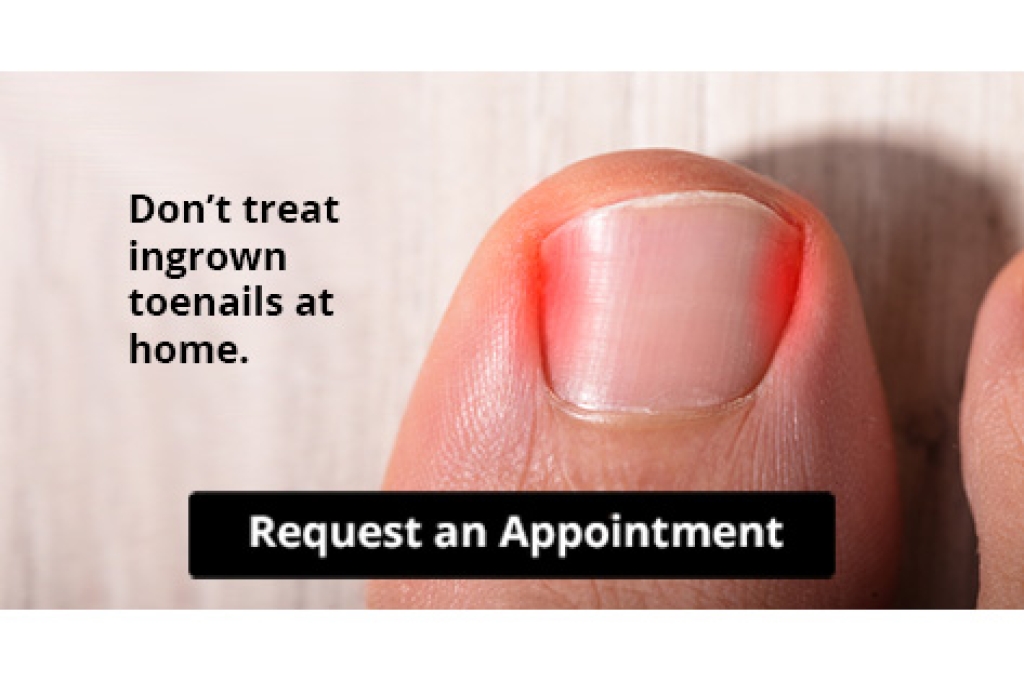
Ingrown toenails can be painful and can make wearing shoes or walking uncomfortable. Seek professional help if you believe you've developed an ingrown toenail and be treated safely. 

Identifying Hammertoe and Its Causes

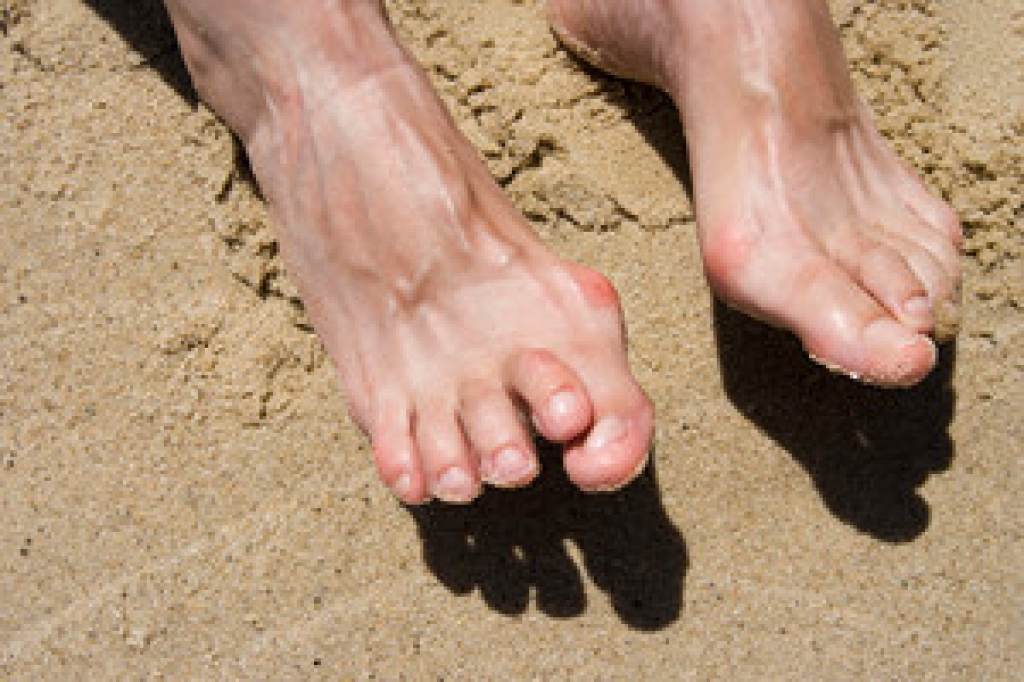
Hammertoe is a foot deformity where one or more of the smaller toes bend abnormally at the middle joint, resembling a hammer. This condition often results from an imbalance in the muscles, tendons, or ligaments that normally keep the toe straight. Common causes can include wearing ill-fitting shoes, especially those that are too tight or have high heels, which force the toe into a bent position. Other contributing factors include genetic predisposition, arthritis, and trauma to the toe. Symptoms of hammertoe include pain or irritation on the affected toe, especially when wearing shoes, as well as corns or calluses forming on the top of the joint due to friction. The affected toe may also become red, swollen, or stiff. Early detection is essential for effective treatment, which may involve changing footwear, using orthotic devices, and performing toe exercises. If you have developed a hammertoe, it is suggested that you consult a podiatrist who can offer you effective treatment options, which may include surgery for severe cases that can relieve pain and correct the deformity.

Hammertoes can be a painful condition to live with. For more information, contact one of our podiatrists of David A. Scalzo, DPM, PC and Associates. Our doctors will answer any of your foot- and ankle-related questions.

Hammertoe

Hammertoe is a foot deformity that occurs due to an imbalance in the muscles, tendons, or ligaments that normally hold the toe straight. It can be caused by the type of shoes you wear, your foot structure, trauma, and certain disease processes.

Symptoms

  • Painful and/or difficult toe movement
  • Swelling
  • Joint stiffness
  • Calluses/Corns
  • Physical deformity

Risk Factors

  • Age – The risk of hammertoe increases with age
  • Sex – Women are more likely to have hammertoe compared to men
  • Toe Length – You are more likely to develop hammertoe if your second toe is longer than your big toe
  • Certain Diseases – Arthritis and diabetes may make you more likely to develop hammertoe

Treatment

If you have hammertoe, you should change into a more comfortable shoe that provides enough room for your toes. Exercises such as picking up marbles may strengthen and stretch your toe muscles. Nevertheless, it is important to seek assistance from a podiatrist in order to determine the severity of your hammertoe and see which treatment option will work best for you.

If you have any questions, please feel free to contact our offices located in Duryea and Bangor, PA . We offer the newest diagnostic and treatment technologies for all your foot care needs.
Read more about What Are Hammertoes?

Understanding Different Types of Gout

Gout, a form of arthritis, arises from a buildup of uric acid in the bloodstream, causing sharp crystals to form in the joints. It primarily affects the big toe but can also occur in other joints, like the ankle or knee. The uric acid buildup may happen due to certain dietary factors, such as consuming foods like red meat, seafood, and alcohol. Genetics and underlying health conditions such as obesity, high blood pressure, and kidney problems can also increase the risk of developing gout. Gout can present in various forms, including acute attacks, causing sudden and intense pain in the joints. Chronic gout involves recurrent episodes of pain and swelling, which may lead to joint damage over time if not treated properly. Another form, called tophaceous gout, occurs when urate crystals accumulate under the skin, forming lumps or nodules known as tophi. Symptoms of gout typically include severe joint pain, swelling, redness, and warmth in the affected area. If you struggle with gout or any symptoms that may result in gout, it is strongly suggested that you visit a podiatrist to receive proper care and treatment.

Gout is a painful condition that can be treated. If you are seeking treatment, contact one of our podiatrists from David A. Scalzo, DPM, PC and Associates. Our doctors will treat your foot and ankle needs.

What Is Gout?

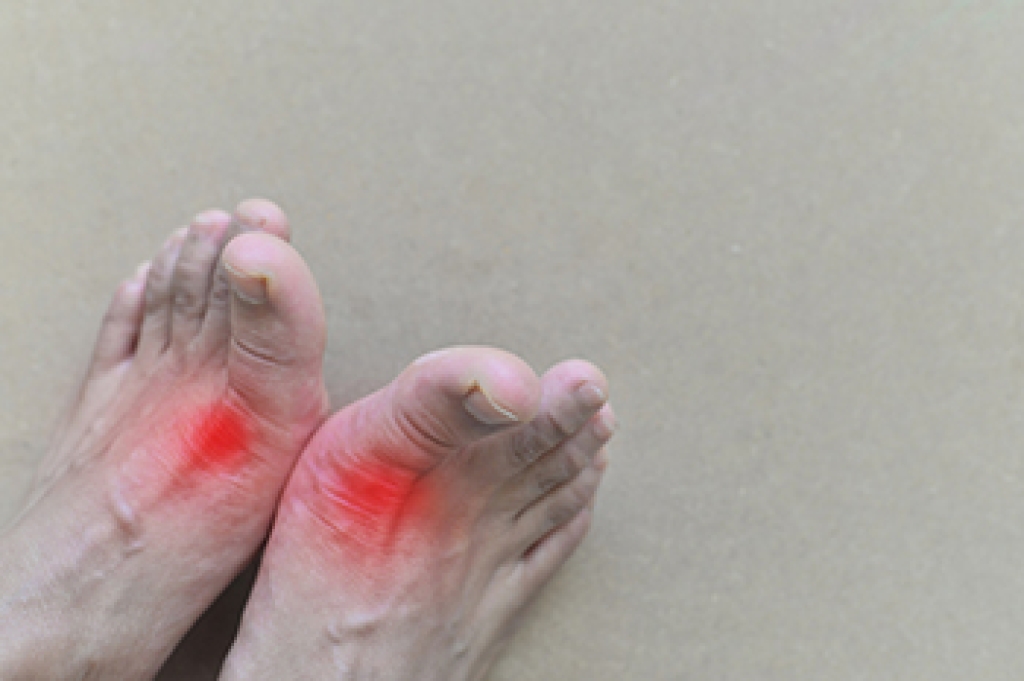
Gout is a form of arthritis that is characterized by sudden, severe attacks of pain, redness, and tenderness in the joints. The condition usually affects the joint at the base of the big toe. A gout attack can occur at any random time, such as the middle of the night while you are asleep.

Symptoms

  • Intense Joint Pain - Usually around the large joint of your big toe, and it most severe within the first four to twelve hours
  • Lingering Discomfort - Joint discomfort may last from a few days to a few weeks
  • Inflammation and Redness -Affected joints may become swollen, tender, warm and red
  • Limited Range of Motion - May experience a decrease in joint mobility

Risk Factors

  • Genetics - If family members have gout, you’re more likely to have it
  • Medications - Diuretic medications can raise uric acid levels
  • Gender/Age - Gout is more common in men until the age of 60. It is believed that estrogen protects women until that point
  • Diet - Eating red meat and shellfish increases your risk
  • Alcohol - Having more than two alcoholic drinks per day increases your risk
  • Obesity - Obese people are at a higher risk for gout

Prior to visiting your podiatrist to receive treatment for gout, there are a few things you should do beforehand. If you have gout you should write down your symptoms--including when they started and how often you experience them, important medical information you may have, and any questions you may have. Writing down these three things will help your podiatrist in assessing your specific situation so that he or she may provide the best route of treatment for you.

If you have any questions, please feel free to contact our offices located in Duryea and Bangor, PA . We offer the newest diagnostic and treatment technologies for all your foot care needs.

Read more about Gout

Connect With Us