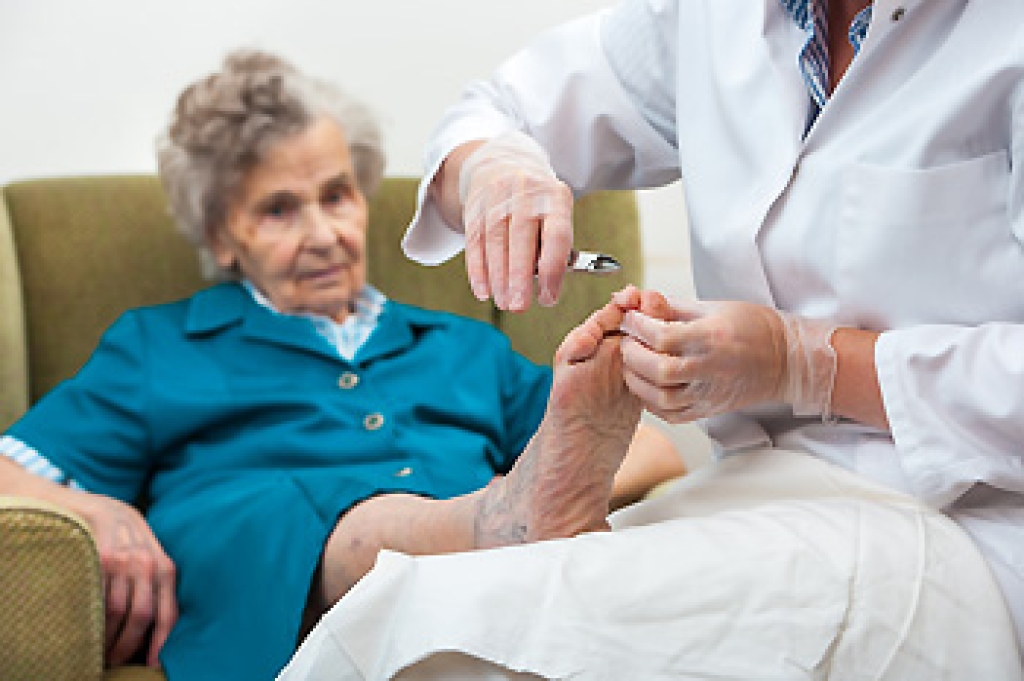
Foot Care Tips for Seniors

Healthy feet allow seniors to stay independent longer. Foot care is essential to reaching this goal and keeping senior feet comfortable and healthy. Since the feet take one through a lifetime of mobility, it stands to reason that aging feet need extra attention. Over time, feet become flatter and wider. The fatty padding on the foot naturally wears down, and the bones and joints are exposed to more wear and tear. Simple foot problems, like blisters, can interfere with mobility and balance in older adults. More serious foot conditions, like ingrown toenails, sprains, or fractures, can increase the risk of falling and result in various health conditions. Simple foot care tips to help keep feet as healthy as possible include washing, drying, and moisturizing the feet daily, trimming nails straight across, and examining the feet for abnormalities, such as sores. Wearing properly fitted shoes that are sturdy and low-heeled is recommended. If you are an older person or taking care of one, it is suggested that you include a podiatrist among the doctors you visit to monitor any problems brewing and continue caring for the feet.

Proper foot care is something many older adults forget to consider. If you have any concerns about your feet and ankles, contact one of our podiatrists from David A. Scalzo, DPM, PC and Associates. Our doctors can provide the care you need to keep you pain-free and on your feet.

The Elderly and Their Feet

As we age we start to notice many changes in our body, but the elder population may not notice them right away. Medical conditions may prevent the elderly to take notice of their foot health right away. Poor vision is a lead contributor to not taking action for the elderly.

Common Conditions 

  • Neuropathy – can reduce feeling in the feet and can hide many life-threatening medical conditions.
  • Reduced flexibility – prevents the ability of proper toenail trimming, and foot cleaning. If left untreated, it may lead to further medical issues.
  • Foot sores – amongst the older population can be serious before they are discovered. Some of the problematic conditions they may face are:
  • Gouging toenails affecting nearby toe
  • Shoes that don’t fit properly
  • Pressure sores
  • Loss of circulation in legs & feet
  • Edema & swelling of feet and ankles

Susceptible Infections

Diabetes and poor circulation can cause general loss of sensitivity over the years, turning a simple cut into a serious issue.

If you have any questions, please feel free to contact our offices located in Duryea and Bangor, PA . We offer the newest diagnostic and treatment technologies for all your foot care needs.
Read more about Elderly Foot Care

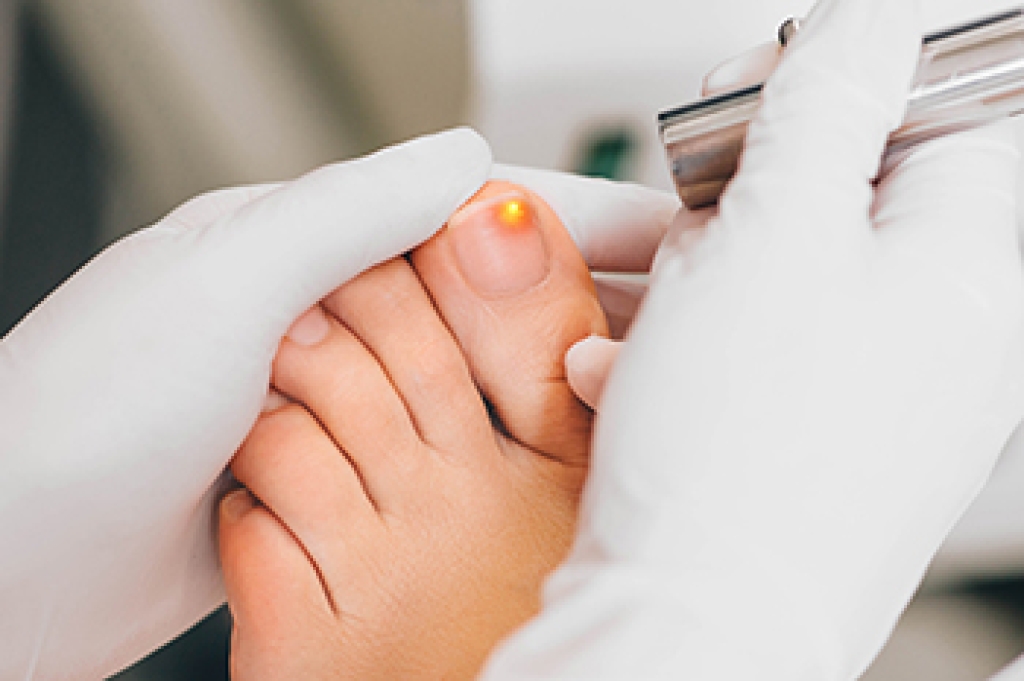
Laser Treatment for Nail Fungus

Toenail fungus, or onychomycosis, causes the nails to thicken, separate, and discolor. It is an affliction that is difficult to remove and stop from recurring. It is also contagious and can spread to other body parts and people directly exposed to it. Laser treatment uses concentrated light to help kill fungus and prevent its growth. This treatment started in the 1980s, and newer types of laser treatment have been introduced since then. Those who may benefit most from laser treatment for nail fungus include children, pregnant women, and those with underlying health conditions or problems with medication intolerances. The cost and number of sessions vary, as does insurance coverage. If you have a stubborn case of toenail fungus, it is suggested that you contact a podiatrist to discuss laser treatment as an option.

Laser treatment can be an effective way to get rid of toenail fungus. If you have any questions about laser treatment, consult with one of our podiatrists from David A. Scalzo, DPM, PC and Associates. Our doctors will assess your condition and provide you with quality treatment for fungal nails.

What Are Toenail Fungal Infections?

Onychomycosis, or fungal infection of the nail, is a relatively common and non-serious condition. Around 10 percent of U.S. citizens are afflicted with fungal nails. Common forms of fungus that infect the nail include dermatophytes, yeasts, and molds.

Symptoms of Toenail Fungal Infections Include:

  • Nail thickening
  • Brittleness of the nail
  • Discoloration of the nail

Diagnosis for Fungal Nails

Fungal infections are diagnosed by fungal culture and microscopy. This will rule out any other conditions such as nail trauma, psoriasis, lichen planus, and onychogryphosis.

What Is Laser Treatment?

Laser treatment is a non-invasive, safe, quick, and painless procedure that uses the heat from a laser to kill fungus in the nail. Each infected nail is targeted with a laser for several minutes. The treatment is usually utilized several different times over a select period. During this time, a podiatrist will keep an eye on the infection.

If you have any questions, please feel free to contact our offices located in Duryea and Bangor, PA . We offer the newest diagnostic and treatment technologies for all your foot care needs.
Read more about Laser Treatment for Fungal Nails

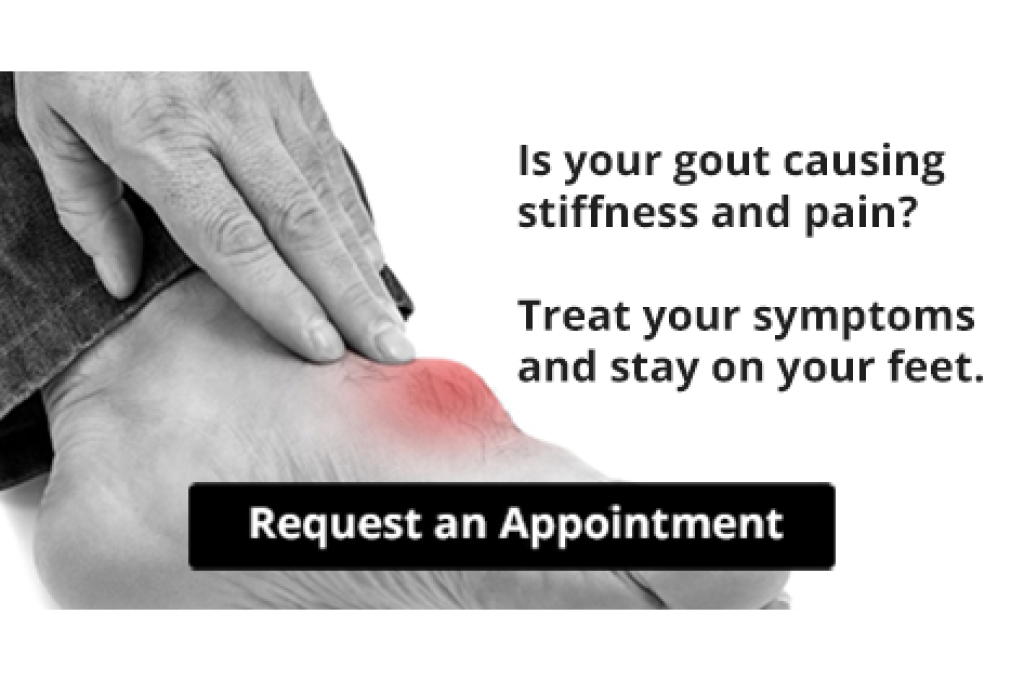
Gout Pain Can Be Managed

Gout is a painful, inflammatory form of arthritis. Those affected will typically feel an intense stiffness in the joints of their feet, particularly in the big toe. Schedule a visit to learn about how gout can be managed and treated.

What Can Trigger Erythromelalgia?

A rare condition that is known as erythromelalgia can cause a consistent, intense burning sensation in the feet. It can alter the quality of life, despite the fact it is not a fatal condition. Additional symptoms that are associated with this condition can include swelling, tenderness, and a burning feeling that can radiate to the entire foot. The symptoms often affect both feet and can be severe. This condition may develop from genetic reasons, and can happen as attacks. They can begin with itching, and may progress to severe pain. These attacks can be triggered by warm weather, sweating, exercise, or being immobile for long periods of time. If you are experiencing any of these symptoms, it is strongly suggested that you are under the care of a podiatrist who  can properly diagnose and prescribe medication that may help the symptoms of erythromelalgia. 

Some foot conditions may require additional professional care. If you have any concerns, contact one of our podiatrists of David A. Scalzo, DPM, PC and Associates. Our doctors can provide the care you need to keep you pain-free and on your feet.

Rare Foot Conditions

The majority of foot conditions are common and can be treated by a podiatrist.  Standard diagnostic procedures are generally used to identify specific conditions and treatment can be rendered. A podiatrist also treats rare foot conditions which can be difficult to diagnose and may need extra attention and care. 

There are many rare foot conditions that can affect children. Some of these can include:

  • Freiberg’s disease
  • Kohler’s disease
  • Maffucci syndrome

Freiberg’s disease - This can be seen as a deterioration and flattening of a metatarsal bone that exists in the ball of the foot. It typically affects pre-teen and teenage girls, but can affect anyone at any age. Symptoms that can accompany this can be swelling, stiffness, and the patient may limp. 

Kohler’s disease - This often targets the bone in the arch of the foot and affects younger boys. It can lead to an interruption of the blood supply which ultimately can lead to bone deterioration. The patient may limp or experience tenderness, swelling, and redness.

Maffucci syndrome - This affects the long bones in a child’s foot leading to the development of abnormal bone lesions. They are benign growths and typically develop in early childhood and the bones may be susceptible to breaking. 

A podiatrist can properly diagnose and treat all types of rare foot conditions. If your child is affected by any of these symptoms or conditions, please don’t hesitate to call our office so the correct treatment method can begin.

If you have any questions, please feel free to contact our offices located in Duryea and Bangor, PA . We offer the newest diagnostic and treatment technologies for all your foot care needs.
Read more about Rare Foot Conditions

How Falling May Affect the Feet

Falling is unnatural. The feet can hurt from falling, and lifestyle habits may temporarily or permanently be altered. Possible foot injuries can include a sprained ankle, broken foot, or a bruised or broken toe. Any of these injuries may impact the ability to walk, and patients may have to use crutches for mobility. The risk of falling can be lowered by implementing successful fall prevention strategies. These can include improving lighting in the household, removing worn rugs from the living area, and starting a gentle exercise routine. This is beneficial in keeping the body strong, which may help to prevent falling. Additionally, it is wise to have regular physical and eye examinations which can help to update existing medications and eyeglasses. People have found falling episodes may be reduced by installing grab bars in the toilet and shower area, in addition to using a non-slip bath mat. If you would like more information about fall prevention techniques, it is suggested that you confer with a podiatrist who can provide you with helpful information.

Preventing falls among the elderly is very important. If you are older and have fallen or fear that you are prone to falling, consult with one of our podiatrists from David A. Scalzo, DPM, PC and Associates. Our doctors will assess your condition and provide you with quality advice and care.

Every 11 seconds, an elderly American is being treated in an emergency room for a fall related injury. Falls are the leading cause of head and hip injuries for those 65 and older. Due to decreases in strength, balance, senses, and lack of awareness, elderly persons are very susceptible to falling. Thankfully, there are a number of things older persons can do to prevent falls.

How to Prevent Falls

Some effective methods that older persons can do to prevent falls include:

  • Enrolling in strength and balance exercise program to increase balance and strength
  • Periodically having your sight and hearing checked
  • Discuss any medications you have with a doctor to see if it increases the risk of falling
  • Clearing the house of falling hazards and installing devices like grab bars and railings
  • Utilizing a walker or cane
  • Wearing shoes that provide good support and cushioning
  • Talking to family members about falling and increasing awareness

Falling can be a traumatic and embarrassing experience for elderly persons; this can make them less willing to leave the house, and less willing to talk to someone about their fears of falling. Doing such things, however, will increase the likelihood of tripping or losing one’s balance. Knowing the causes of falling and how to prevent them is the best way to mitigate the risk of serious injury.  

If you have any questions, please feel free to contact our offices located in Duryea and Bangor, PA . We offer the newest diagnostic and treatment technologies for all your foot care needs.

Read more about Falls Prevention

Connect With Us