Who Is Prone to Developing Cuboid Syndrome?

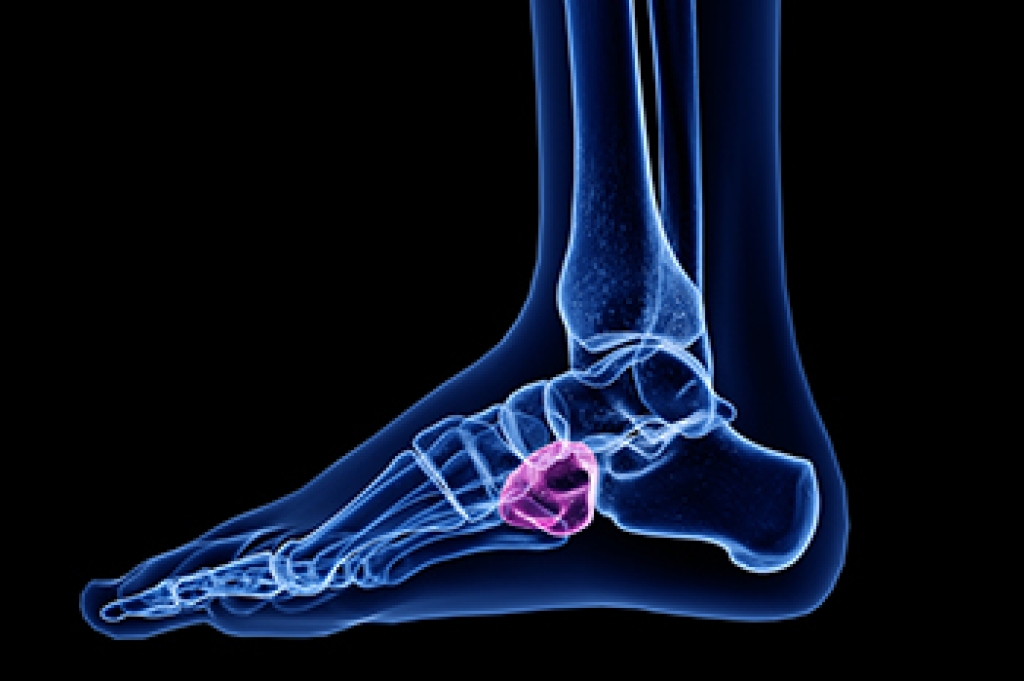
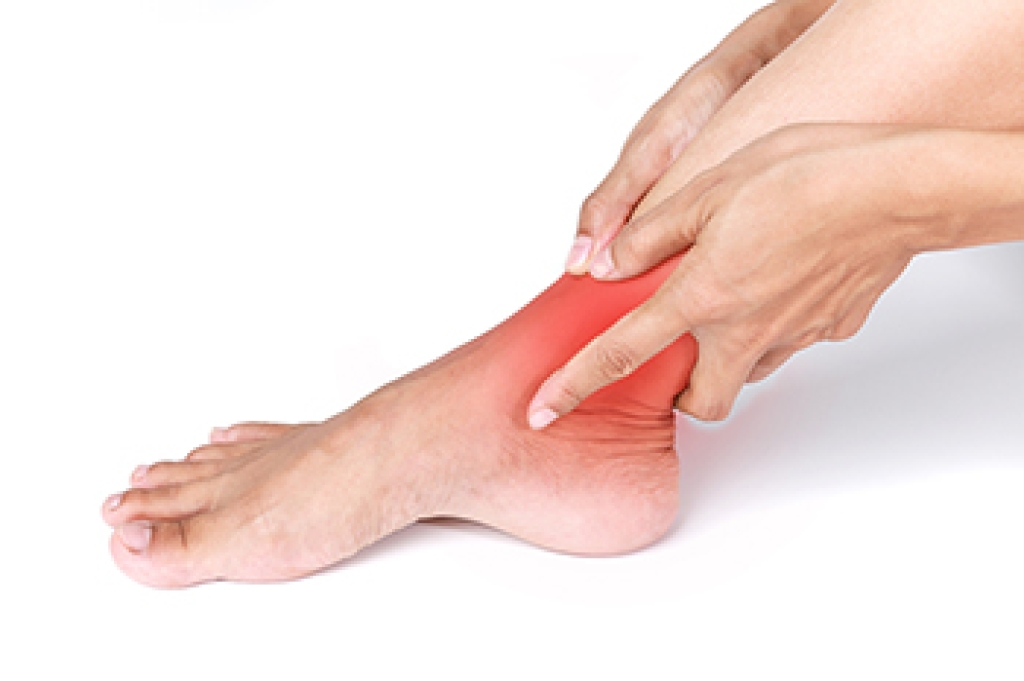
The cuboid bone is located on the outside of the foot, and cuboid syndrome may happen if it becomes inflamed. An injury can cause this bone to move out of alignment, and it is often accompanied by pain and swelling on this part of the foot. Additionally, the affected foot may have a limited range of motion, and the toes may feel weak. In severe cases, the gait, or walking style, may be altered to compensate for the injured foot. Some of the injuries that can cause this condition may happen from unexpectedly stepping off of a step, or suddenly twisting the ankle. An activity that puts intense strain on the ankle bones and ligaments may also lead to the development of cuboid syndrome, which may be common among people who enjoy running and jumping activities. Some patients may be prone to getting this ailment, including people who wear shoes that do not have adequate support or run on uneven surfaces. Effective treatment begins with stopping the activity that caused the condition, if applicable, followed by frequently resting and elevating the foot as often as possible. If you have pain in this part of your foot, please consult a podiatrist who can determine what the best course of treatment is for you.

Cuboid syndrome, also known as cuboid subluxation, occurs when the joints and ligaments near the cuboid bone in the foot become torn. If you have cuboid syndrome, consult with one of our podiatrists  from David A. Scalzo, DPM, PC and Associates. Our doctors will assess your condition and provide you with quality foot and ankle treatment.

Cuboid syndrome is a common cause of lateral foot pain, which is pain on the outside of the foot. The condition may happen suddenly due to an ankle sprain, or it may develop slowly overtime from repetitive tension through the bone and surrounding structures.

Causes

The most common causes of cuboid syndrome include:

  • Injury – The most common cause of this ailment is an ankle sprain.
  • Repetitive Strain – Tension placed through the peroneus longus muscle from repetitive activities such as jumping and running may cause excessive traction on the bone causing it to sublux.
  • Altered Foot Biomechanics – Most people suffering from cuboid subluxation have flat feet.

Symptoms

A common symptom of cuboid syndrome is pain along the outside of the foot which can be felt in the ankle and toes. This pain may create walking difficulties and may cause those with the condition to walk with a limp.

Diagnosis

Diagnosis of cuboid syndrome is often difficult, and it is often misdiagnosed. X-rays, MRIs and CT scans often fail to properly show the cuboid subluxation. Although there isn’t a specific test used to diagnose cuboid syndrome, your podiatrist will usually check if pain is felt while pressing firmly on the cuboid bone of your foot.

Treatment

Just as the range of causes varies widely, so do treatments. Some more common treatments are ice therapy, rest, exercise, taping, and orthotics.

If you have any questions, please feel free to contact our office located in Duryea, PA . We offer the newest diagnostic and treatment technologies for all your foot care needs.
Read more about Cuboid Syndrome

Preventing Falls Around Your Pets

Having a dog can provide emotional support and a reason to exercise. However, dogs sometimes contribute to injuries at home or while walking them. Falling is a major type of dog-related injury. Tripping over the dog itself or pet-related items, such as a toy or dog bowl, can lead to serious injuries. Putting toys away and placing dog bowls in less trafficked areas can help prevent such falls. Leash pulling can also cause falls. Holding the leash in one’s hand versus wrapping it around the wrist or hand can help reduce the risk of falling due to pulling. Training the dog not to pull is better but takes more patience and in the face of a loud noise or something enticing, like a squirrel, may not work. Being aware of surroundings and doing strengthening and balance exercises can help reduce the risk of dog-related falling or injuries sustained from them. If you own a dog and are interested in preventing such falls, consult with a podiatrist who can provide additional information.

Preventing falls among the elderly is very important. If you are older and have fallen or fear that you are prone to falling, consult with one of our podiatrists from David A. Scalzo, DPM, PC and Associates. Our doctors will assess your condition and provide you with quality advice and care.

Every 11 seconds, an elderly American is being treated in an emergency room for a fall related injury. Falls are the leading cause of head and hip injuries for those 65 and older. Due to decreases in strength, balance, senses, and lack of awareness, elderly persons are very susceptible to falling. Thankfully, there are a number of things older persons can do to prevent falls.

How to Prevent Falls

Some effective methods that older persons can do to prevent falls include:

  • Enrolling in strength and balance exercise program to increase balance and strength
  • Periodically having your sight and hearing checked
  • Discuss any medications you have with a doctor to see if it increases the risk of falling
  • Clearing the house of falling hazards and installing devices like grab bars and railings
  • Utilizing a walker or cane
  • Wearing shoes that provide good support and cushioning
  • Talking to family members about falling and increasing awareness

Falling can be a traumatic and embarrassing experience for elderly persons; this can make them less willing to leave the house, and less willing to talk to someone about their fears of falling. Doing such things, however, will increase the likelihood of tripping or losing one’s balance. Knowing the causes of falling and how to prevent them is the best way to mitigate the risk of serious injury.  

If you have any questions, please feel free to contact our office located in Duryea, PA . We offer the newest diagnostic and treatment technologies for all your foot care needs.

Read more about Falls Prevention

Medical Conditions Can Cause Tarsal Tunnel Syndrome

The tibial nerve is located in the tarsal tunnel in back of the ankle. This is a narrow tunnel, and this nerve can become compressed from a sprained ankle or a bone spur. Additionally, other conditions may lead to developing tarsal tunnel syndrome, including diabetes, flat feet, or a thyroid disorder. Some of the symptoms that are associated with this ailment can include toe pain and foot muscles that have become weakened. There may also be a burning sensation or tingling feeling in the feet, and can radiate to the toes. There may be an inability to curl the toes or twist the ankle, and this may be indicative of tarsal tunnel syndrome. Orthotics may be prescribed if flat feet are a reason for this condition to develop, and it may be beneficial to perform specific stretches to strengthen the ankle. If you have pain in your ankle, please confer with a podiatrist who can accurately diagnose tarsal tunnel syndrome, and guide you toward the correct treatment.

Tarsal tunnel syndrome can be very uncomfortable to live with. If you are experiencing tarsal tunnel syndrome, contact one of our podiatrists of David A. Scalzo, DPM, PC and Associates. Our doctors can provide the care you need to keep you pain-free and on your feet.

Tarsal Tunnel Syndrome

Tarsal tunnel syndrome, which can also be called tibial nerve dysfunction, is an uncommon condition of misfiring peripheral nerves in the foot. The tibial nerve is the peripheral nerve in the leg responsible for sensation and movement of the foot and calf muscles. In tarsal tunnel syndrome, the tibial nerve is damaged, causing problems with movement and feeling in the foot of the affected leg.

Common Cause of Tarsal Tunnel Syndrome

  • Involves pressure or an injury, direct pressure on the tibial nerve for an extended period of time, sometimes caused by other body structures close by or near the knee.
  • Diseases that damage nerves, including diabetes, may cause tarsal tunnel syndrome.
  • At times, tarsal tunnel syndrome can appear without an obvious cause in some cases.

The Effects of Tarsal Tunnel Syndrome

  • Different sensations, an afflicted person may experience pain, tingling, burning or other unusual sensations in the foot of the affected leg.
  • The foot muscles, toes and ankle become weaker, and curling your toes or flexing your foot can become difficult.
  • If condition worsens, infections and ulcers may develop on the foot that is experiencing the syndrome.

A physical exam of the leg can help identify the presence of tarsal tunnel syndrome. Medical tests, such as a nerve biopsy, are also used to diagnose the condition. Patients may receive physical therapy and prescriptive medication. In extreme cases, some may require surgery.

If you have any questions please contact our office located in Duryea, PA . We offer the newest diagnostic and treatment technologies for all your foot and ankle needs.

Read more about Tarsal Tunnel Syndrome

Let Us Treat Your Feet This Winter

Take extra care when walking on snow and ice. If you experience a fall and sustain an injury, we're here to help. We treat trauma, soft tissue injuries, and fractures.

Moisturizing Your Feet

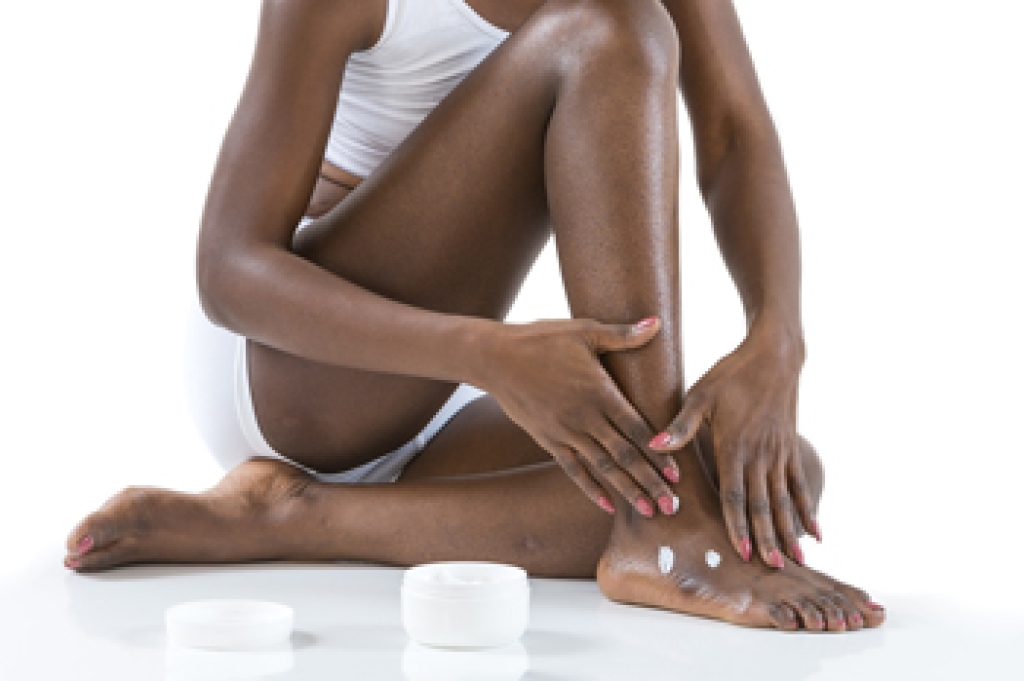
As part of everyday foot care, moisturizing the feet is important. Start with washing and drying your feet well each day. To prevent dryness, itching, and cracking, incorporate a foot moisturizer into your routine. Wear and tear and the weather can take a toll on the feet and dryness and cracking on the heels can be unsightly. Since cells reproduce more slowly as one ages, the problem is worse in the elderly. Moisturizing the feet can be soothing and also good for the feet. You can buff away dry, dead skin with a pumice stone a few times a week and use moisturizing foot creams daily to keep the feet healthy. If you would like more information on taking good care of your feet, contact a podiatrist who can answer any questions you might have.

Everyday foot care is very important to prevent infection and other foot ailments. If you need your feet checked, contact one of our podiatrists from David A. Scalzo, DPM, PC and Associates. Our doctors can provide the care you need to keep you pain-free and on your feet.

Everyday Foot Care

Often, people take care of their bodies, face and hair more so than they do for their feet. But the feet are a very important aspect of our bodies, and one that we should pay more attention to. Without our feet, we would not be able to perform most daily tasks.

It is best to check your feet regularly to make sure there are no new bruises or cuts that you may not have noticed before. For dry feet, moisturizer can easily be a remedy and can be applied as often as necessary to the affected areas. Wearing shoes that fit well can also help you maintain good foot health, as well as making it easier to walk and do daily activities without the stress or pain of ill-fitting shoes, high heels, or even flip flops. Wearing clean socks with closed shoes is important to ensure that sweat and bacteria do not accumulate within the shoe. Clean socks help to prevent Athlete’s foot, fungi problems, bad odors, and can absorb sweat.

If you have any questions, please feel free to contact our office located in Duryea, PA . We offer the newest diagnostic and treatment technologies for all your foot care needs.
Read more about Everyday Foot Care

Arch Development in the Foot

Most people are born with flat feet, and the arch generally starts to form by the age of six. The late teenage years is typically when the arch is completely developed, but may not happen in many adults. This may come from  having a genetic disposition, or from an abnormal foot structure. Obesity may contribute to adults having flat feet, and it may be prevalent among pregnant women. Additionally, enduring a sports injury may lead to flat feet, and it can be natural among the elderly population. It is easy to notice flat feet, and is obvious while standing on the floor as the foot lies completely flat. The area where the arch would normally be can be strengthened by performing specific stretches and exercises. It may also be beneficial to wear shoes that have extra cushioning and support, and losing weight may help, if applicable. If you have flat feet, it is strongly urged that you are under the care of a podiatrist who can help you to manage this condition.

Flatfoot is a condition many people suffer from. If you have flat feet, contact one of our podiatrists from David A. Scalzo, DPM, PC and Associates. Our doctors will treat your foot and ankle needs.

What Are Flat Feet?

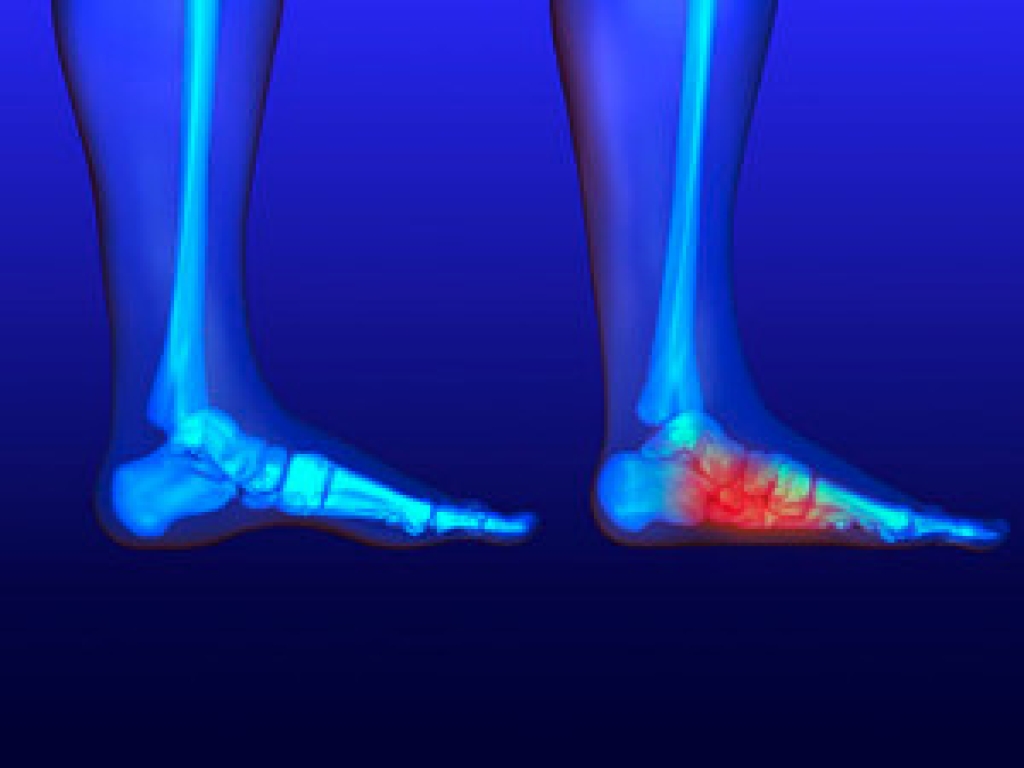
Flatfoot is a condition in which the arch of the foot is depressed and the sole of the foot is almost completely in contact with the ground. About 20-30% of the population generally has flat feet because their arches never formed during growth.

Conditions & Problems:

Having flat feet makes it difficult to run or walk because of the stress placed on the ankles.

Alignment – The general alignment of your legs can be disrupted, because the ankles move inward which can cause major discomfort.

Knees – If you have complications with your knees, flat feet can be a contributor to arthritis in that area.  

Symptoms

  • Pain around the heel or arch area
  • Trouble standing on the tip toe
  • Swelling around the inside of the ankle
  • Flat look to one or both feet
  • Having your shoes feel uneven when worn

Treatment

If you are experiencing pain and stress on the foot you may weaken the posterior tibial tendon, which runs around the inside of the ankle. 

If you have any questions, please feel free to contact our office located in Duryea, PA . We offer the newest diagnostic and treatment technologies for all your foot care needs.
Read more about Flat Feet

The Risks of Falling

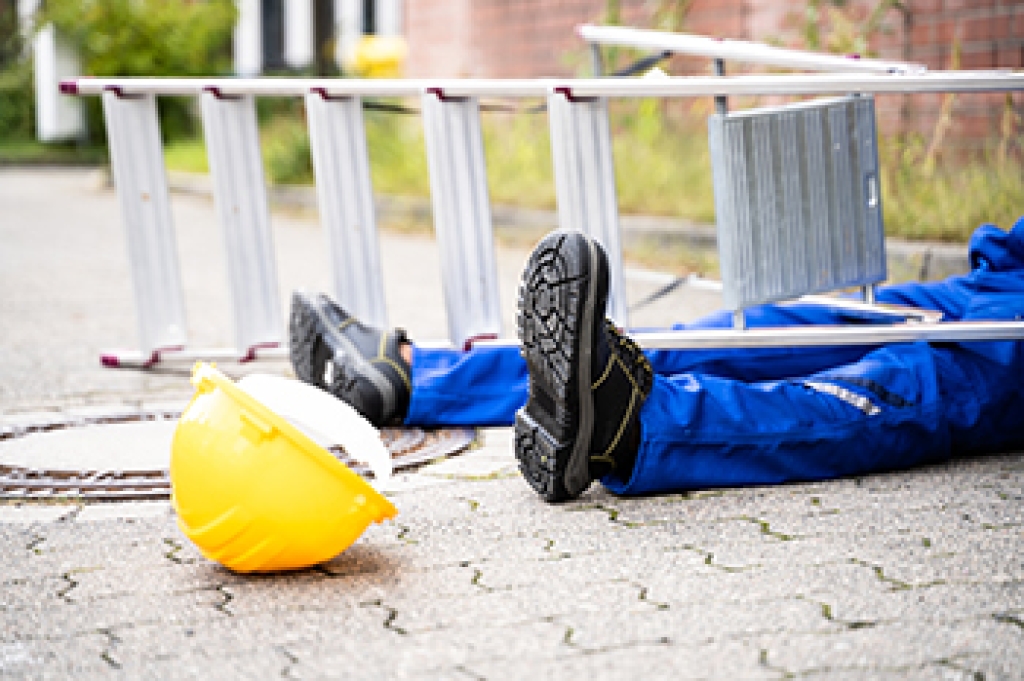
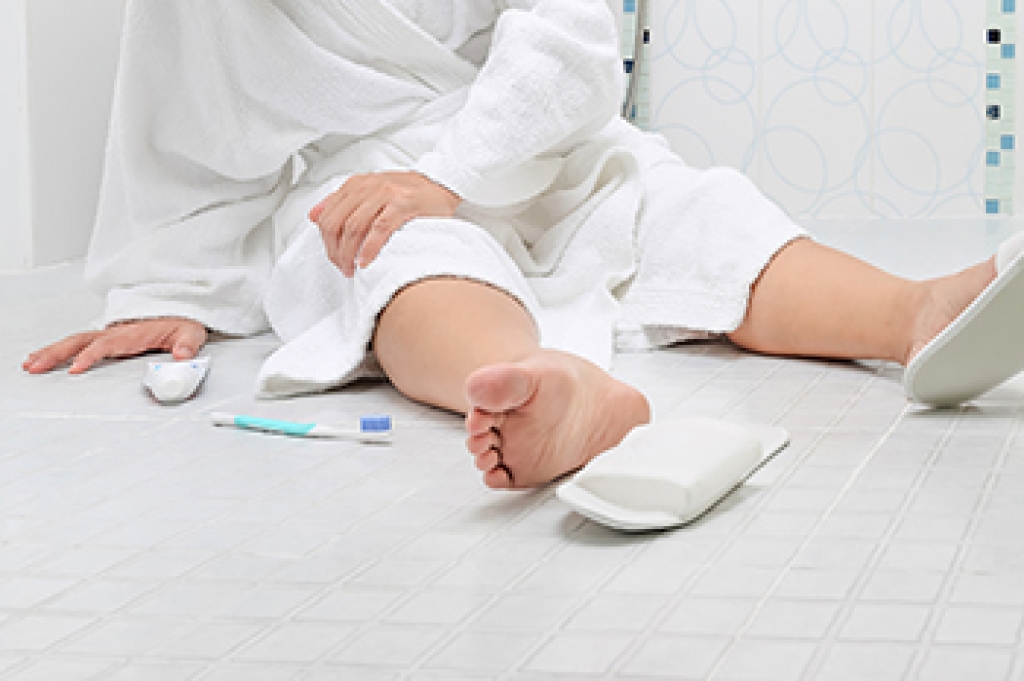
The more one knows about the risks of falling, the better prepared one can be. Sorting through information and understanding myths related to falling is important. Falling can have serious consequences, particularly for seniors, and it may not just be a matter of getting up and continuing one’s day. Even if injuries are not life-threatening, they can be life changing. For example, a fractured foot or ankle can impact a senior’s ability to live independently. It has also been proven that the likelihood of falling again increases with falls. However, falling is not inevitable as one ages. Precautions, such as getting regular vision checks, reviewing side effects of medication, and staying active, can be taken to prevent falls. If you have fallen and sustained injuries to your feet or ankles, or would like more fall prevention information, a podiatrist can help you.

Preventing falls among the elderly is very important. If you are older and have fallen or fear that you are prone to falling, consult with one of our podiatrists from David A. Scalzo, DPM, PC and Associates. Our doctors will assess your condition and provide you with quality advice and care.

Every 11 seconds, an elderly American is being treated in an emergency room for a fall related injury. Falls are the leading cause of head and hip injuries for those 65 and older. Due to decreases in strength, balance, senses, and lack of awareness, elderly persons are very susceptible to falling. Thankfully, there are a number of things older persons can do to prevent falls.

How to Prevent Falls

Some effective methods that older persons can do to prevent falls include:

  • Enrolling in strength and balance exercise program to increase balance and strength
  • Periodically having your sight and hearing checked
  • Discuss any medications you have with a doctor to see if it increases the risk of falling
  • Clearing the house of falling hazards and installing devices like grab bars and railings
  • Utilizing a walker or cane
  • Wearing shoes that provide good support and cushioning
  • Talking to family members about falling and increasing awareness

Falling can be a traumatic and embarrassing experience for elderly persons; this can make them less willing to leave the house, and less willing to talk to someone about their fears of falling. Doing such things, however, will increase the likelihood of tripping or losing one’s balance. Knowing the causes of falling and how to prevent them is the best way to mitigate the risk of serious injury.  

If you have any questions, please feel free to contact our office located in Duryea, PA . We offer the newest diagnostic and treatment technologies for all your foot care needs.
Read more about Falls Prevention

Heel Pain May Indicate Plantar Fasciitis

The foot condition that is known as plantar fasciitis generally begins as occasional heel pain. Many people tend to ignore this until the pain becomes severe. It is a gradual condition that happens when the plantar fascia becomes inflamed. This is the band of tissue that connects the toes to the heels and can become irritated or torn for various reasons. These include standing on hard surfaces for a good portion of the day and wearing shoes that do not fit correctly. Additionally, it may happen from overuse during running and jumping activities or from increasing speed and mileage too quickly while running. Patients notice the heel pain may be worse after arising in the morning, but may lessen after walking a few steps. Effective prevention tactics can include properly warming up before exercising, maintaining a healthy weight, and wearing shoes that fit correctly. Please consult with a podiatrist at the first sign of heel pain from plantar fasciitis for a diagnosis and treatment plan.

Plantar fasciitis can be very painful and inconvenient. If you are experiencing heel pain or symptoms of plantar fasciitis, contact one of our podiatrists  from David A. Scalzo, DPM, PC and Associates. Our doctors can provide the care you need to keep you pain-free and on your feet.

What Is Plantar Fasciitis?

Plantar fasciitis is the inflammation of the thick band of tissue that runs along the bottom of your foot, known as the plantar fascia, and causes mild to severe heel pain.

What Causes Plantar Fasciitis?

  • Excessive running
  • Non-supportive shoes
  • Overpronation
  • Repeated stretching and tearing of the plantar fascia

How Can It Be Treated?

  • Conservative measures – anti-inflammatories, ice packs, stretching exercises, physical therapy, orthotic devices
  • Shockwave therapy – sound waves are sent to the affected area to facilitate healing and are usually used for chronic cases of plantar fasciitis
  • Surgery – usually only used as a last resort when all else fails. The plantar fascia can be surgically detached from the heel

While very treatable, plantar fasciitis is definitely not something that should be ignored. Especially in severe cases, speaking to your doctor right away is highly recommended to avoid complications and severe heel pain. Your podiatrist can work with you to provide the appropriate treatment options tailored to your condition.

If you have any questions, please feel free to contact our office located in Duryea, PA . We offer the newest diagnostic and treatment technologies for all your foot care needs.

Read more about Plantar Fasciitis

Injury From a Winter Sport? Get the Care You Need

Winter sports can be fun for many – but only with the proper protective gear. Even with the right equipment, however, injuries can happen. If you’ve sustained foot or ankle trauma or a foot or ankle injury, we’re here to help.

Dehydration and Swollen Feet

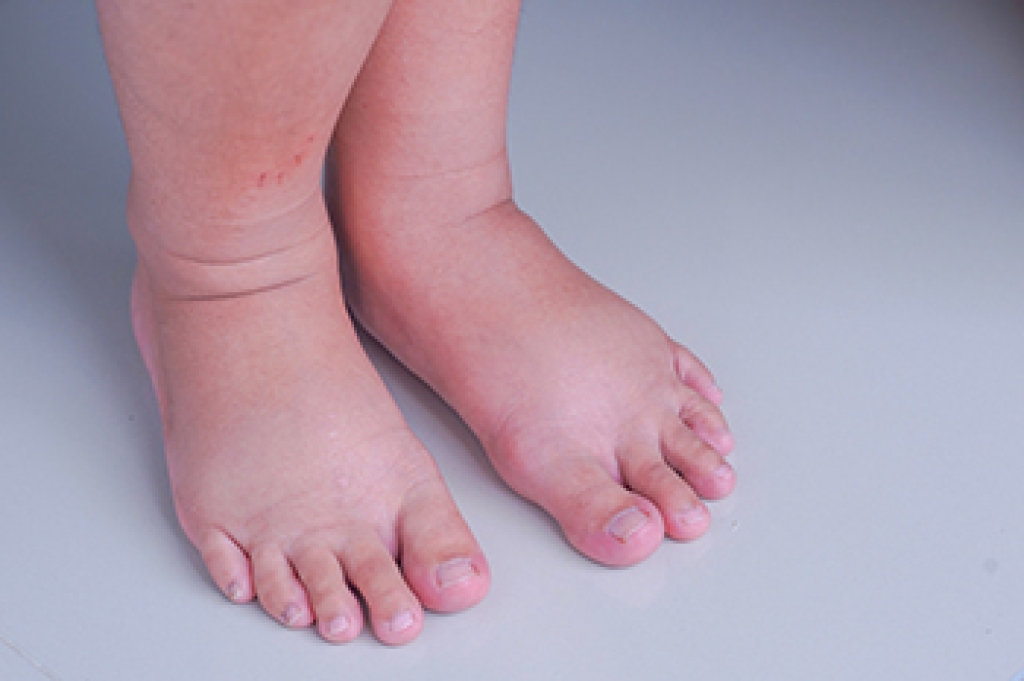
Dehydration can cause swollen feet. It can cause constriction of blood vessels, which forces fluid into spaces between cells leading to retention, especially in lower limbs. The kidneys begin to react by retaining sodium and water and fluid builds up in surrounding tissues, leading to swelling. When one is dehydrated, it can cause water weight by retaining fluids. All of this can lead to puffiness, bloating, and discomfort. Drinking more water can help. Experts suggest consuming eight to 10 glasses of water per day. Doing this may seem counter-intuitive but when the body is not hydrated enough, it holds onto the fluid it has. If your legs swell for no apparent reason, and you have leg pain, difficulty breathing, and other emergent symptoms, contact a medical professional immediately. However, if you are experiencing foot pain, chances are that you are not drinking enough water. If your feet are swollen and uncomfortable and you want to learn more about how to prevent this from happening, seek the counsel of a podiatrist, who can evaluate your situation and provide recommendations.

Swollen feet can be a sign of an underlying condition. If you have any concerns, contact one of our podiatrists of David A. Scalzo, DPM, PC and Associates. Our doctors can provide the care you need to keep you pain-free and on your feet.

Swollen feet are a common ailment among pregnant women and people who stand or sit for extended periods. Aging may increase the possibility of swollen feet and patients who are obese often notice when their feet are swelling too. There may be medical reasons why swollen feet occur:

  • Phlebitis - A condition that causes the veins to become inflamed and can also cause leg pain.
  • Liver disease - This may lead to low blood levels of albumin which is a protein. This can cause fluid in the blood to pass into the tissues and several areas of the body can become swollen.
  • Heart failure - When the heart doesn’t pump properly the blood that is normally pumped back to the heart can pool in the veins of the legs causing swollen feet.
  • Kidney disease - One of the main functions of the kidneys is releasing excess fluid in the body. This type of condition can make it difficult for the kidneys to function properly, and as a result the feet may become swollen.
  • Deep-vein thrombosis (DVT)- This is a serious condition where blood clots form in the veins of the legs. They can block the return of blood from the legs to the heart which may cause the feet to swell. It is important to be treated by a podiatrist if this condition is present.

Swollen feet can also be caused by bone and tendon conditions, including fractures, arthritis, and tendinitis. Additionally, there may be skin and toenail conditions and an infection may cause the feet to swell. Patients who take medicine to treat high blood pressure may be prone to getting swollen feet. 

Many patients elevate their feet to help relieve the swelling and this is generally a temporary remedy. When a podiatrist is consulted the reason behind the swelling can be uncovered and subsequently treated.

If you have any questions please contact our office located in Duryea, PA . We offer the newest diagnostic and treatment technologies for all your foot and ankle needs.

Read more about Swelling of the Feet

Connect With Us