The Benefits of Orthotics for Flat Feet

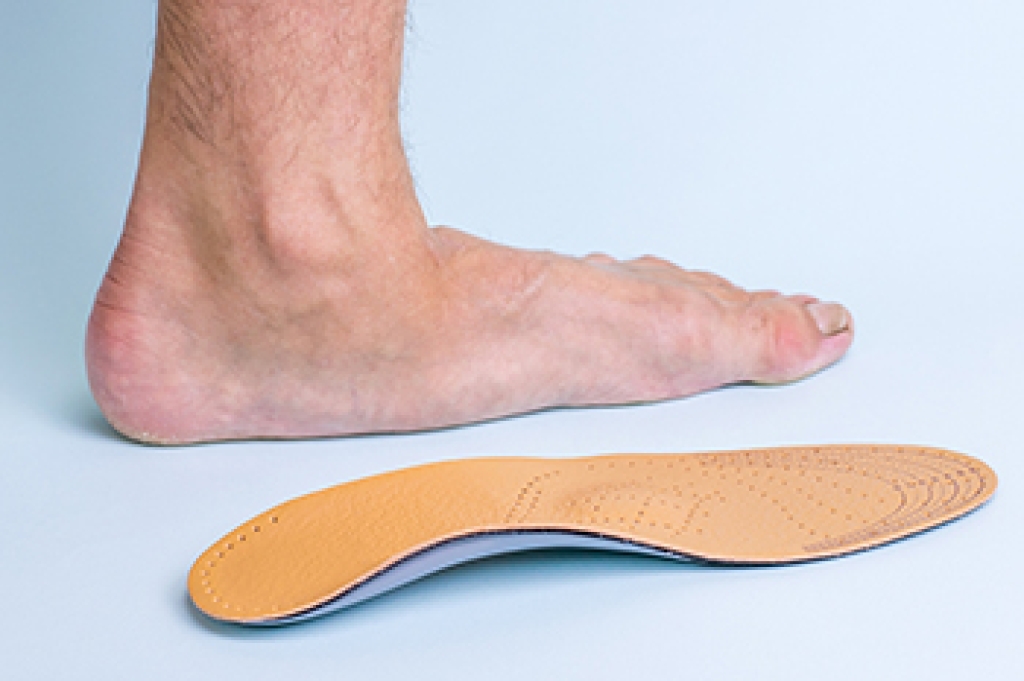
Orthotics provide essential support and stability for individuals with flat feet, helping to improve alignment and reduce discomfort. They distribute pressure evenly across the foot, which can alleviate pain in the arches, ankles, knees, and lower back. By providing proper arch support, orthotics help reduce strain on muscles and tendons, making daily activities more comfortable. They also enhance shock absorption, which can be beneficial for those who spend long hours standing or walking. Custom orthotics are tailored to an individual’s foot structure, offering a more personalized fit and improved functionality. Wearing orthotics can also help prevent further complications, such as overpronation and plantar fasciitis. With consistent use, they promote better posture and overall foot health, allowing individuals to stay active and move with greater ease. If you have flat feet, it is suggested that you are under the care of a podiatrist who can help you to monitor this condition, which may include wearing custom-made orthotics.

If you are having discomfort in your feet and would like to try orthotics, contact one of our podiatrists from David A. Scalzo, DPM, PC and Associates. Our doctors can provide the care you need to keep you pain-free and on your feet.

What Are Orthotics?

Orthotics are inserts you can place into your shoes to help with a variety of foot problems such as flat feet or foot pain. Orthotics provide relief and comfort for minor foot and heel pain but can’t correct serious biomechanical problems in your feet.

Over-the-Counter Inserts

Orthotics come in a wide variety of over-the-counter inserts that are used to treat foot pain, heel pain, and minor problems. For example, arch supports can be inserted into your shoes to help correct overarched or flat feet, while gel insoles are often used because they provide comfort and relief from foot and heel pain by alleviating pressure.

Prescription Orthotics

If over-the-counter inserts don’t work for you or if you have a more severe foot concern, it is possible to have your podiatrist prescribe custom orthotics. These high-quality inserts are designed to treat problems such as abnormal motion, plantar fasciitis, and severe forms of heel pain. They can even be used to help patients suffering from diabetes by treating foot ulcers and painful calluses and are usually molded to your feet individually, which allows them to provide full support and comfort.

If you are experiencing minor to severe foot or heel pain, it’s recommended to speak with your podiatrist about the possibilities of using orthotics. A podiatrist can determine which type of orthotic is right for you and allow you to take the first steps towards being pain-free.

If you have any questions, please feel free to contact our offices located in Duryea and Bangor, PA . We offer the newest diagnostic and treatment technologies for all your foot care needs.
Read more about Foot Orthotics

Facts About Foot Stress Fractures

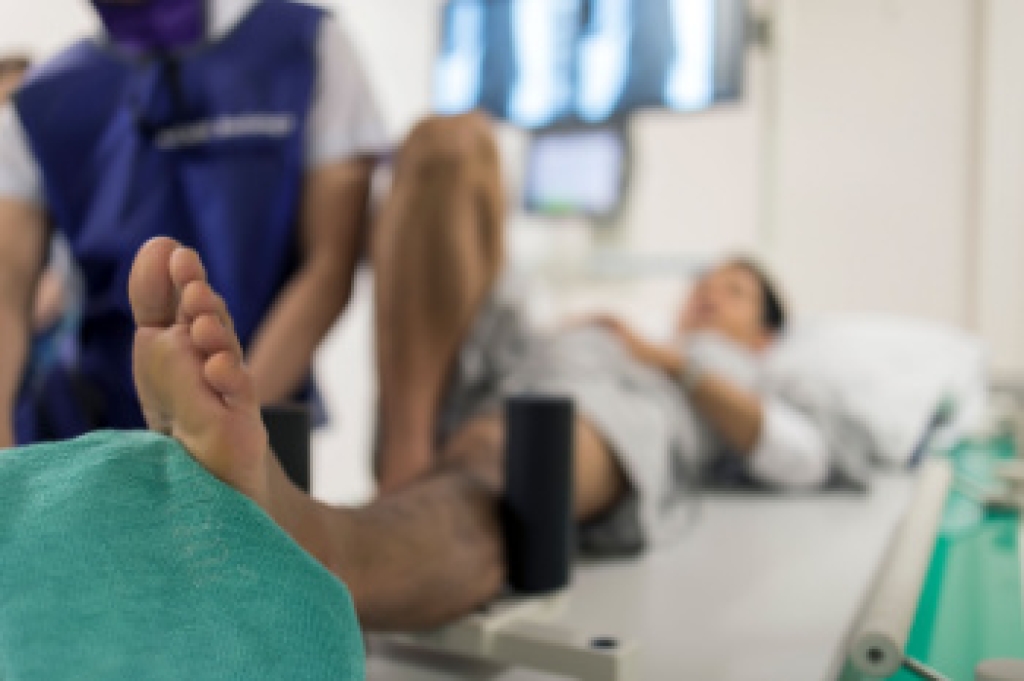
Foot stress fractures are tiny hairline cracks in bones caused by repeated stress, especially common in the metatarsal bones of the feet. They are caused by activities involving frequent running, jumping, or dancing. Stress fractures, which are considered to be an overuse injury, lead to pain during physical activity, swelling, bruising, and tenderness when touched. Because stress fractures in the metatarsal bones are not easily detected through standard X-rays, a podiatrist may order advanced imaging, like a bone scan, for an accurate diagnosis. Treatment generally involves resting the affected area, using supportive devices like casts or protective footwear, or possibly surgery to ensure proper bone healing. Preventing metatarsal stress fractures includes gradually increasing activity levels and avoiding pushing through pain, which can result in further injury or prolonged recovery. If you suspect you have sustained a metatarsal foot stress fracture, it is suggested that you schedule an appointment with a podiatrist for an exam, diagnosis, and treatment.

Stress fractures occur when there is a tiny crack within a bone. To learn more, contact one of our podiatrists from David A. Scalzo, DPM, PC and Associates. Our doctors can provide the care you need to keep you pain free and on your feet.

How Are They Caused?

Stress fractures are the result of repetitive force being placed on the bone. Since the lower leg and feet often carry most of the body’s weight, stress fractures are likely to occur in these areas. If you rush into a new exercise, you are more likely to develop a stress fracture since you are starting too much, too soon.  Pain resulting from stress fractures may go unnoticed at first, however it may start to worsen over time.

Risk Factors

  • Gender – They are more commonly found in women compared to men.
  • Foot Problems – People with unusual arches in their feet are more likely to develop stress fractures.
  • Certain Sports – Dancers, gymnasts, tennis players, runners, and basketball players are more likely to develop stress fractures.
  • Lack of Nutrients – A lack of vitamin D and calcium may weaken the bones and make you more prone to stress fractures
  • Weak Bones – Osteoporosis can weaken the bones therefore resulting in stress fractures

Stress fractures do not always heal properly, so it is important that you seek help from a podiatrist if you suspect you may have one. Ignoring your stress fracture may cause it to worsen, and you may develop chronic pain as well as additional fractures.

If you have any questions please contact our offices located in Duryea and Bangor, PA . We offer the newest diagnostic and treatment technologies for all your foot and ankle needs.

Read more about Stress Fractures of the Foot and Ankle

Achilles Tendonitis and Heel Pain

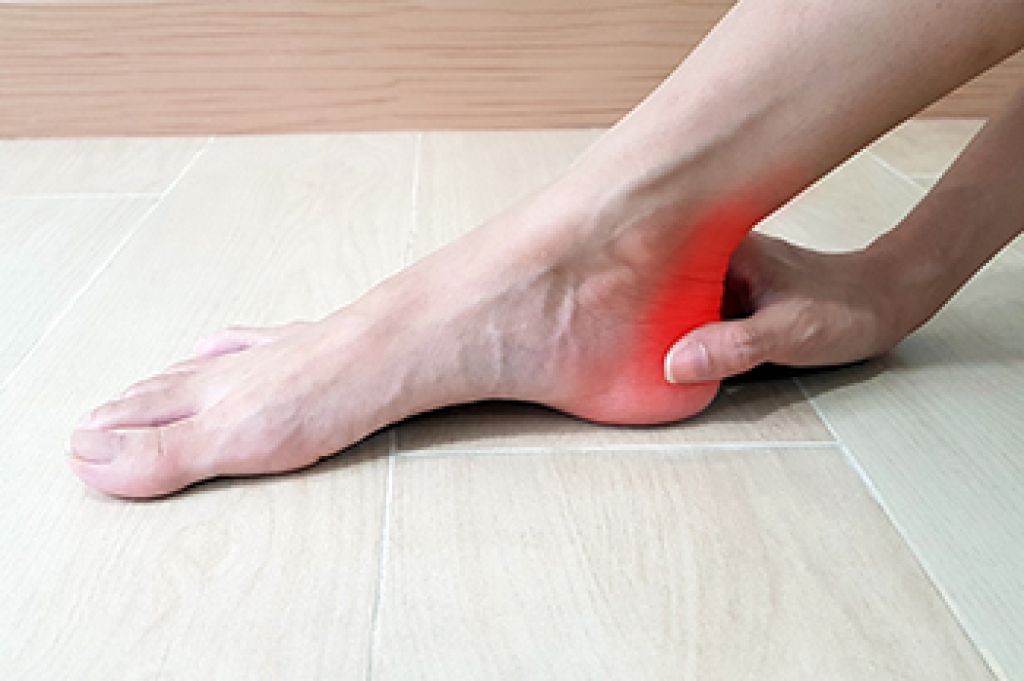
Heel pain and Achilles tendonitis are common foot issues caused by inflammation of the Achilles tendon, the band connecting the calf muscles to the heel bone. This pain often results from overuse, repetitive stress, or sudden increases in physical activity. Tight calf muscles, improper footwear, and poor foot mechanics, like flat feet or high arches, can also contribute. Athletes, especially runners, and middle-aged individuals engaging in sports are most at risk. However, anyone can develop Achilles tendonitis, particularly those who lead an active lifestyle or stand for extended periods. Ignoring the pain may worsen the condition, leading to chronic discomfort or even tendon tears. Rest and stretching can help, but persistent pain requires professional attention. If you are experiencing ongoing pain from Achilles tendonitis, it is strongly suggested that you schedule an appointment with a podiatrist for targeted treatment.

Achilles tendon injuries need immediate attention to avoid future complications. If you have any concerns, contact one of our podiatrists of David A. Scalzo, DPM, PC and Associates. Our doctors can provide the care you need to keep you pain-free and on your feet.

What Is the Achilles Tendon?

The Achilles tendon is a tendon that connects the lower leg muscles and calf to the heel of the foot. It is the strongest tendon in the human body and is essential for making movement possible. Because this tendon is such an integral part of the body, any injuries to it can create immense difficulties and should immediately be presented to a doctor.

What Are the Symptoms of an Achilles Tendon Injury?

There are various types of injuries that can affect the Achilles tendon. The two most common injuries are Achilles tendinitis and ruptures of the tendon.

Achilles Tendinitis Symptoms

  • Inflammation
  • Dull to severe pain
  • Increased blood flow to the tendon
  • Thickening of the tendon

Rupture Symptoms

  • Extreme pain and swelling in the foot
  • Total immobility

Treatment and Prevention

Achilles tendon injuries are diagnosed by a thorough physical evaluation, which can include an MRI. Treatment involves rest, physical therapy, and in some cases, surgery. However, various preventative measures can be taken to avoid these injuries, such as:

  • Thorough stretching of the tendon before and after exercise
  • Strengthening exercises like calf raises, squats, leg curls, leg extensions, leg raises, lunges, and leg presses

If you have any questions please feel free to contact our offices located in Duryea and Bangor, PA . We offer the newest diagnostic tools and technology to treat your foot and ankle needs.

Read more about What are Achilles Tendon Injuries

Get Professional Care for a Broken Foot or Ankle

Constant care and regular evaluation are important for a foot or ankle fracture. If left untreated, foot or ankle fractures can worsen over time and create more serious problems.

Don't wait to be examined if you believe you've experienced a foot or ankle fracture.

Causes and Diagnosis of Cuboid Syndrome

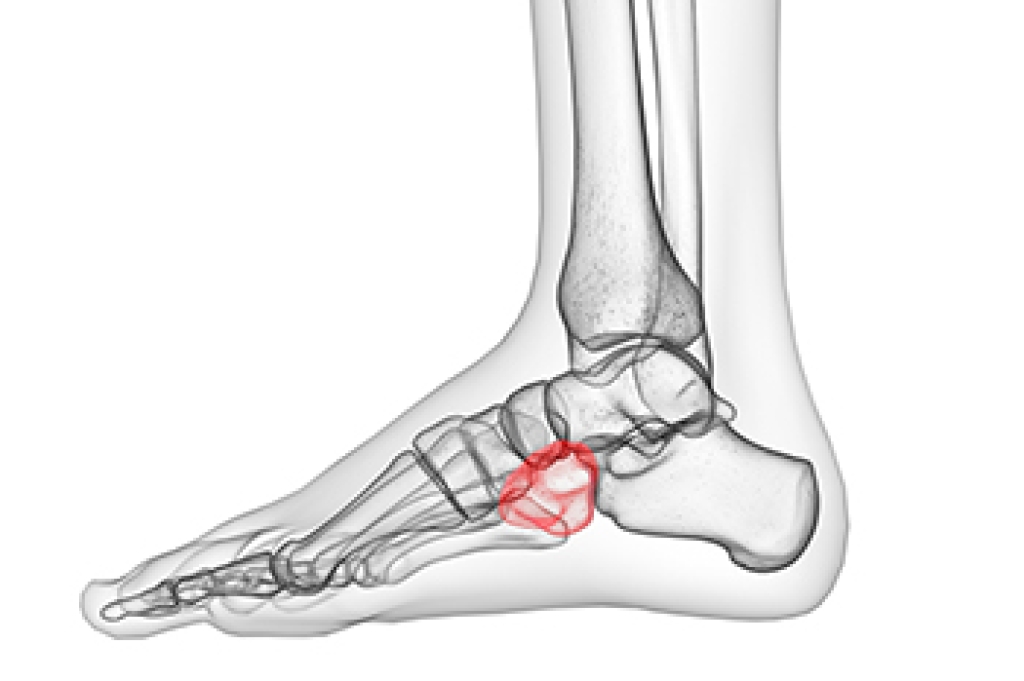
Cuboid syndrome  occurs when the cuboid bone in the foot becomes partially dislocated or misaligned, leading to pain and discomfort. This bone is located on the outer side of the foot, and misalignment can result from repetitive stress, ankle sprains, or sudden twisting motions. Common symptoms include pain on the outside of the foot, difficulty walking, and a feeling of instability when standing. The pain may worsen with physical activity or pressure exerted on the foot. Diagnosing cuboid syndrome often involves a physical examination by a podiatrist, who may manipulate the foot to check for tenderness or abnormal movement of the cuboid bone. X-rays or other imaging tests may also be used to rule out other conditions and confirm the diagnosis. If you have pain on the outside of your foot, it is suggested that you consult a podiatrist who can determine the cause and provide treatment.

Cuboid syndrome, also known as cuboid subluxation, occurs when the joints and ligaments near the cuboid bone in the foot become torn. If you have cuboid syndrome, consult with one of our podiatrists  from David A. Scalzo, DPM, PC and Associates. Our doctors will assess your condition and provide you with quality foot and ankle treatment.

Cuboid syndrome is a common cause of lateral foot pain, which is pain on the outside of the foot. The condition may happen suddenly due to an ankle sprain, or it may develop slowly overtime from repetitive tension through the bone and surrounding structures.

Causes

The most common causes of cuboid syndrome include:

  • Injury – The most common cause of this ailment is an ankle sprain.
  • Repetitive Strain – Tension placed through the peroneus longus muscle from repetitive activities such as jumping and running may cause excessive traction on the bone causing it to sublux.
  • Altered Foot Biomechanics – Most people suffering from cuboid subluxation have flat feet.

Symptoms

A common symptom of cuboid syndrome is pain along the outside of the foot which can be felt in the ankle and toes. This pain may create walking difficulties and may cause those with the condition to walk with a limp.

Diagnosis

Diagnosis of cuboid syndrome is often difficult, and it is often misdiagnosed. X-rays, MRIs and CT scans often fail to properly show the cuboid subluxation. Although there isn’t a specific test used to diagnose cuboid syndrome, your podiatrist will usually check if pain is felt while pressing firmly on the cuboid bone of your foot.

Treatment

Just as the range of causes varies widely, so do treatments. Some more common treatments are ice therapy, rest, exercise, taping, and orthotics.

If you have any questions, please feel free to contact our offices located in Duryea and Bangor, PA . We offer the newest diagnostic and treatment technologies for all your foot care needs.

Read more about All About Cuboid Syndrome

Connect With Us