
Running and Pain on the Outside of the Foot

Pain on the outside of the foot after running can result from several conditions. Stress fractures may develop from repetitive impact, while peroneal tendonitis occurs when the tendons along the outer ankle and foot become irritated. Cuboid syndrome involves joint misalignment in the midfoot, and arthritis can cause stiffness and inflammation. Additionally, friction blisters may also appear from wearing ill-fitting shoes or prolonged running. Each of these issues can interfere with performance and daily comfort, if left untreated. A podiatrist can identify the cause, provide targeted treatment, and recommend proper footwear or training adjustments. If running leaves you with persistent outer foot pain, it is suggested that you promptly schedule an appointment with a podiatrist today who can provide effective relief and treatment tips.

Foot Pain

Foot pain can be extremely painful and debilitating. If you have a foot pain, consult with one of our podiatrists  from David A. Scalzo, DPM, PC and Associates. Our doctors will assess your condition and provide you with quality foot and ankle treatment.

Causes

Foot pain is a very broad condition that could be caused by one or more ailments. The most common include:

  • Bunions
  • Hammertoes
  • Plantar Fasciitis
  • Bone Spurs
  • Corns
  • Tarsal Tunnel Syndrome
  • Ingrown Toenails
  • Arthritis (such as Gout, Rheumatoid, and Osteoarthritis)
  • Flat Feet
  • Injury (from stress fractures, broken toe, foot, ankle, Achilles tendon ruptures, and sprains)
  • And more

Diagnosis

To figure out the cause of foot pain, podiatrists utilize several different methods. This can range from simple visual inspections and sensation tests to X-rays and MRI scans. Prior medical history, family medical history, and any recent physical traumatic events will all be taken into consideration for a proper diagnosis.

Treatment

Treatment depends upon the cause of the foot pain. Whether it is resting, staying off the foot, or having surgery; podiatrists have a number of treatment options available for foot pain.

If you have any questions, please feel free to contact our offices located in Duryea and Bangor, PA . We offer the newest diagnostic and treatment technologies for all your foot care needs.


Read more about Foot Pain

Why Live with Pain and Numbness in Your Feet?

Suffering from this type of pain? You may have the foot condition known as Morton's neuroma. Morton's neuroma may develop as a result of ill-fitting footwear and existing foot deformities. We can help.

Life After an Ankle Fracture

Healing from an ankle fracture does not end when the cast or boot comes off. This stage is when the real work begins. The ankle may feel stiff, weak, or unsteady, and it takes patience to restore full strength and movement. Gentle exercises help improve flexibility and prevent the joint from becoming rigid. Wearing supportive footwear can make walking safer and more comfortable, while avoiding uneven surfaces reduces the risk of another injury. Swelling can linger for weeks, so elevating the foot and using cold therapy may still be helpful. Some people benefit from targeted exercises to rebuild balance and coordination. Listening to the body and progressing slowly allows the ankle to recover without unnecessary setbacks. Careful attention during this period supports long term mobility and helps prevent future problems. If you need help with recovery or it stalls, it is suggested that you see a podiatrist for expert advice.

Broken ankles need immediate treatment. If you are seeking treatment, contact one of our podiatrists from David A. Scalzo, DPM, PC and Associates. Our doctors can provide the care you need to keep you pain-free and on your feet. 

Broken Ankles
A broken ankle is experienced when a person fractures their tibia or fibula in the lower leg and ankle area. Both of these bones are attached at the bottom of the leg and combine to form what we know to be our ankle.

When a physician is referring to a break of the ankle, he or she is usually referring to a break in the area where the tibia and fibula are joined to create our ankle joint. Ankles are more prone to fractures because the ankle is an area that suffers a lot of pressure and stress. There are some obvious signs when a person experiences a fractured ankle, and the following symptoms may be present.

Symptoms of a Fractured Ankle

  • Excessive pain when the area is touched or when any pressure is placed on the ankle
  • Swelling around the area
  • Bruising of the area
  • Area appears to be deformed

If you suspect an ankle fracture, it is recommended to seek treatment as soon as possible. The sooner you have your podiatrist diagnose the fracture, the quicker you’ll be on the way towards recovery.

If you have any questions, please feel free to contact our offices located in Duryea and Bangor, PA . We offer the newest diagnostic and treatment technologies for all your foot care needs.

Read more about All About Broken Ankle

What You Need to Know About Plantar Warts

Plantar warts are small, rough growths that appear on the soles of the feet, caused by the human papillomavirus, also called HPV. This virus enters the skin through tiny cuts or abrasions, often picked up in warm, moist environments, like locker rooms or public showers. Plantar warts may appear as a single lesion or in clusters, and often have black dots, which are clotted blood vessels, in the center. These warts can be painful, especially while walking or standing, and may feel like you are stepping on a pebble. Because they grow inward due to pressure from walking, they can be hard to see and treat. A podiatrist can diagnose plantar warts and offer effective treatments, such as cryotherapy, topical medications, or minor surgical removal. They can also provide advice on prevention and proper foot care. If you have developed a plantar wart, it is suggested that you schedule an appointment with a podiatrist for appropriate treatment solutions.

Plantar warts can be very uncomfortable. If you need your feet checked, contact one of our podiatrists from David A. Scalzo, DPM, PC and Associates. Our doctors will assist you with all of your foot and ankle needs.

About Plantar Warts

Plantar warts are the result of HPV, or human papillomavirus, getting into open wounds on the feet. They are mostly found on the heels or balls of the feet.

While plantar warts are generally harmless, those experiencing excessive pain or those suffering from diabetes or a compromised immune system require immediate medical care. Plantar warts are easily diagnosed, usually through scraping off a bit of rough skin or by getting a biopsy.

Symptoms

  • Lesions on the bottom of your feet, usually rough and grainy
  • Hard or thick callused spots
  • Wart seeds, which are small clotted blood vessels that look like little black spots
  • Pain, discomfort, or tenderness of your feet when walking or standing

Treatment

  • Freezing
  • Electric tool removal
  • Laser Treatment
  • Topical Creams (prescription only)
  • Over-the-counter medications

To help prevent developing plantar warts, avoid walking barefoot over abrasive surfaces that can cause cuts or wounds for HPV to get into. Avoiding direct contact with other warts, as well as not picking or rubbing existing warts, can help prevent the further spread of plantar warts. However, if you think you have developed plantar warts, speak to your podiatrist. He or she can diagnose the warts on your feet and recommend the appropriate treatment options.

If you have any questions, please feel free to contact our offices located in Duryea and Bangor, PA . We offer the newest diagnostic and treatment technologies for all your foot care needs.
Read more about Plantar Warts

What to Know About Toenail Surgery

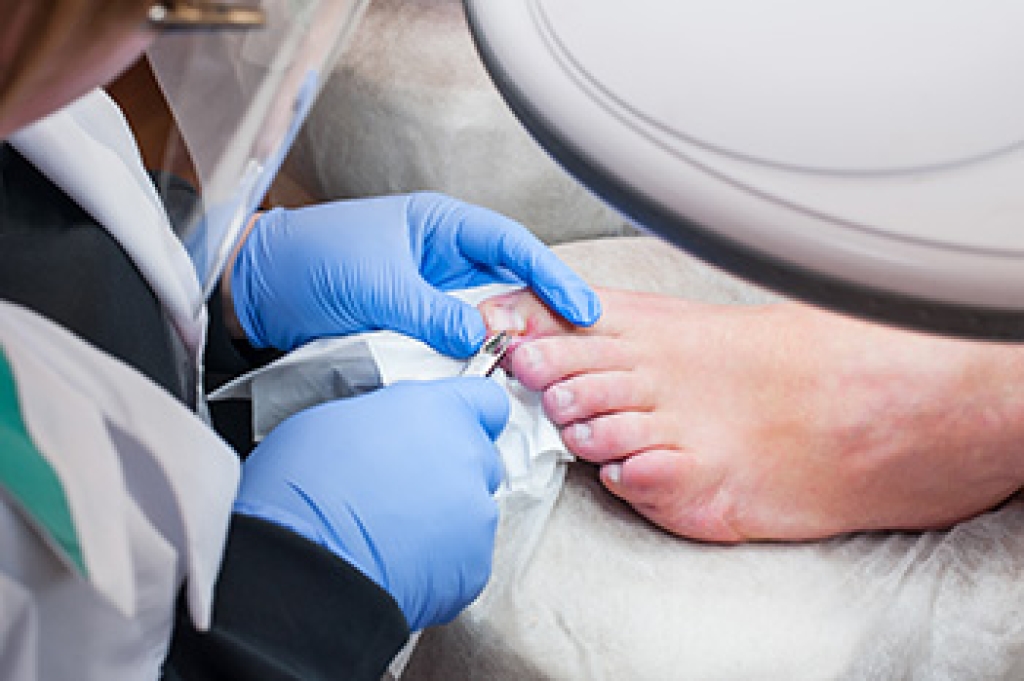
Toenail surgery is used when conditions like ingrown, thickened, or curved toenails do not improve with routine care. A podiatrist may remove part or all of the toenail to relieve pain and reduce the chance of infection. A chemical is often applied to the nail bed to prevent regrowth of the problem area. The procedure is done under local anesthetic, which numbs the toe, and typically there are no skin incisions or stitches that are involved. After the surgery, a large dressing is applied, and patients are usually able to walk in open-toed sandals or flip-flops. Healing times vary, but most people recover within three months depending on how much of the nail is removed. Risk factors include infection, delayed healing, or nail regrowth. A podiatrist will monitor your recovery and provide dressing instructions to help ensure proper healing. If you have painful or problematic toenails, it is suggested that you schedule an appointment with a podiatrist for an exam and appropriate treatment, which may include surgery.

Foot surgery is sometimes necessary to treat a foot ailment. To learn more, contact one of our podiatrists of David A. Scalzo, DPM, PC and Associates. Our doctors will assist you with all of your foot and ankle needs.

When Is Surgery Necessary?

Foot and ankle surgery is generally reserved for cases in which less invasive, conservative procedures have failed to alleviate the problem. Some of the cases in which surgery may be necessary include:

  • Removing foot deformities like bunions and bone spurs
  • Severe arthritis that has caused bone issues
  • Cosmetic reconstruction

What Types of Surgery Are There?

The type of surgery you receive will depend on the nature of the problem you have. Some of the possible surgeries include:

  • Bunionectomy for painful bunions
  • Surgical fusion for realignment of bones
  • Neuropathy decompression surgery to treat nerve damage

Benefits of Surgery

Although surgery is usually a last resort, it can provide more complete pain relief compared to non-surgical methods and may allow you to finally resume full activity.

Surgical techniques have also become increasingly sophisticated. Techniques like endoscopic surgery allow for smaller incisions and faster recovery times.

If you have any questions, please feel free to contact our offices located in Duryea and Bangor, PA . We offer the newest diagnostic and treatment technologies for all your foot care needs.

Read more about Foot and Ankle Surgery

Connect With Us