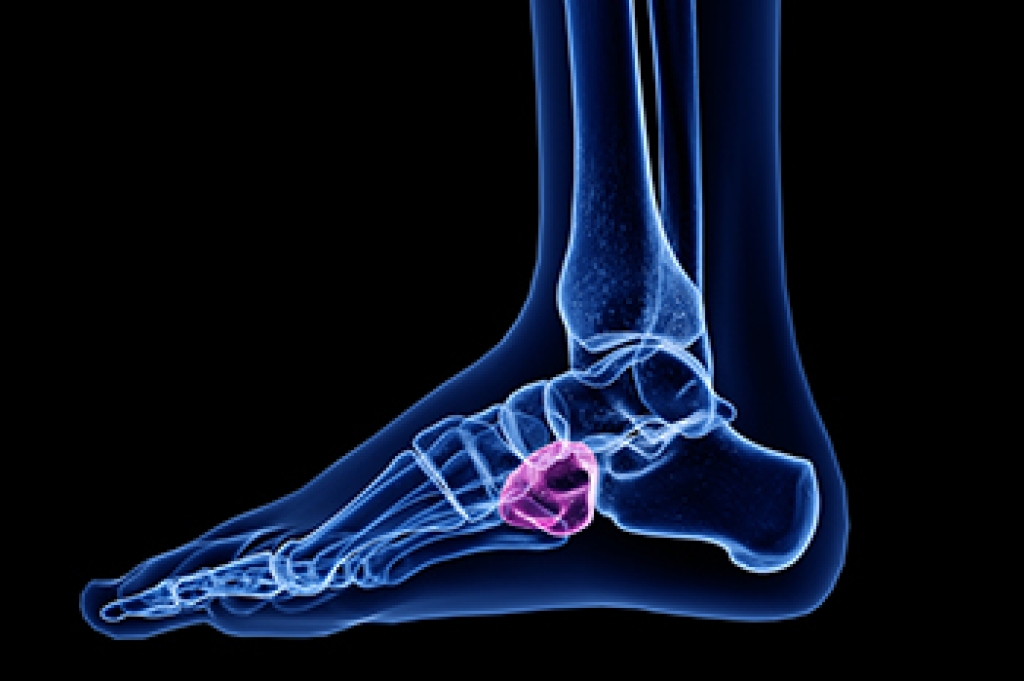
Two Types of Achilles Tendon Injuries

The function of the Achilles tendon is to connect the calf muscles to the heel, and there are two common types of Achilles tendon injuries. Small tears that develop in the tendon from overuse are classified as Achilles tendinopathy and may also be referred to as Achilles tendonitis. If a complete tear occurs, it can indicate an Achilles tendon rupture which is often accompanied by intense pain and discomfort. The latter type of injury is caused by a sudden motion that puts stress on the calf muscle, such as twisting during an intense activity. People who enjoy participating in running and jumping activities can experience an Achilles tendon rupture, and many methods can be implemented can help to prevent this. Achilles tendinopathy can happen gradually from pushing off, or from stop and go motions. Resting the foot and stopping the activity that caused the injury is often the beginning of treatment. If you have either type of injury, it is suggested that you consult with a podiatrist who can help you to manage the condition.

Achilles tendon injuries need immediate attention to avoid future complications. If you have any concerns, contact one of our podiatrists of David A. Scalzo, DPM, PC and Associates. Our doctors can provide the care you need to keep you pain-free and on your feet.

What Is the Achilles Tendon?

The Achilles tendon is a tendon that connects the lower leg muscles and calf to the heel of the foot. It is the strongest tendon in the human body and is essential for making movement possible. Because this tendon is such an integral part of the body, any injuries to it can create immense difficulties and should immediately be presented to a doctor.

What Are the Symptoms of an Achilles Tendon Injury?

There are various types of injuries that can affect the Achilles tendon. The two most common injuries are Achilles tendinitis and ruptures of the tendon.

Achilles Tendinitis Symptoms

  • Inflammation
  • Dull to severe pain
  • Increased blood flow to the tendon
  • Thickening of the tendon

Rupture Symptoms

  • Extreme pain and swelling in the foot
  • Total immobility

Treatment and Prevention

Achilles tendon injuries are diagnosed by a thorough physical evaluation, which can include an MRI. Treatment involves rest, physical therapy, and in some cases, surgery. However, various preventative measures can be taken to avoid these injuries, such as:

  • Thorough stretching of the tendon before and after exercise
  • Strengthening exercises like calf raises, squats, leg curls, leg extensions, leg raises, lunges, and leg presses

If you have any questions please feel free to contact our offices located in Duryea and Bangor, PA . We offer the newest diagnostic tools and technology to treat your foot and ankle needs.
Read more about Achilles Tendon Injuries

What Are the Signs of Poor Circulation?

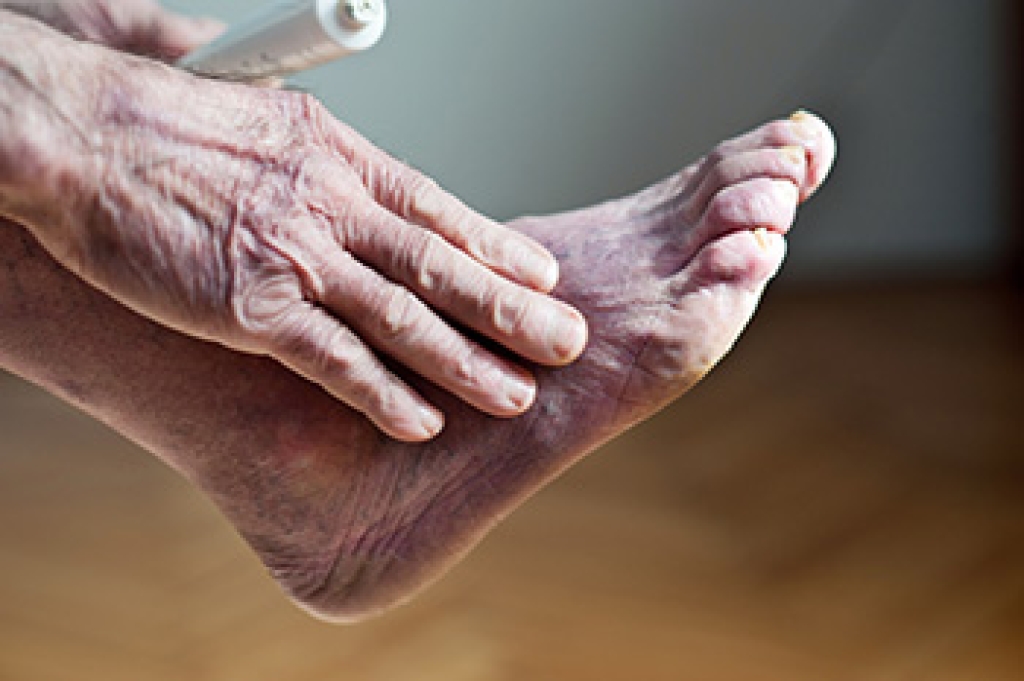
Patients who have peripheral arterial disease (PAD) often experience poor circulation. They may have cold feet or hands, the skin on the feet may become cracked, and the toenails may become brittle. Additionally, patients who smoke may be at risk of poor circulation. Improving eating habits may also help to control this condition. People who have diabetes and elevated blood pressure or cholesterol levels may be prone to developing poor circulation. Many diabetic patients have implemented coping tactics that may help to relieve some of the symptoms. These may consist of having the feet examined regularly, which will include a test for poor circulation. Additionally, performing a gentle exercise routine may help to improve poor circulation. Controlling blood pressure and cholesterol levels may benefit heart function, improving circulation. If you notice signs of poor circulation in your feet, it is suggested that you consult with a podiatrist who can help you to manage this condition.

Poor circulation is a serious condition and needs immediate medical attention. If you have any concerns with poor circulation in your feet contact one of our podiatrists of David A. Scalzo, DPM, PC and Associates. Our doctors will treat your foot and ankle needs.

Poor Circulation in the Feet

Poor blood circulation in the feet and legs is can be caused by peripheral artery disease (PAD), which is the result of a buildup of plaque in the arteries.

Plaque buildup or atherosclerosis results from excess calcium and cholesterol in the bloodstream. This can restrict the amount of blood which can flow through the arteries. Poor blood circulation in the feet and legs are sometimes caused by inflammation in the blood vessels, known as vasculitis.

Causes

Lack of oxygen and oxygen from poor blood circulation restricts muscle growth and development. It can also cause:

  • Muscle pain, stiffness, or weakness 
  • Numbness or cramping in the legs
  • Skin discoloration
  • Slower nail & hair growth
  • Erectile dysfunction

Those who have diabetes or smoke are at greatest risk for poor circulation, as are those who are over 50. If you have poor circulation in the feet and legs it may be caused by PAD and is important to make changes to your lifestyle in order to reduce risk of getting a heart attack or stroke. Exercise and maintaining a healthy lifestyle will dramatically improve conditions.

As always, see a podiatrist as he or she will assist in finding a regimen that suits you. A podiatrist can also prescribe you any needed medication. 

If you have any questions, please feel free to contact our offices located in Duryea and Bangor, PA . We offer the newest diagnostic and treatment technologies for all your foot care needs.

Read more about Causes, Symptoms, and Treatment of Poor Blood Circulation in the Feet

Are Bunions Affecting Your Everyday Life?

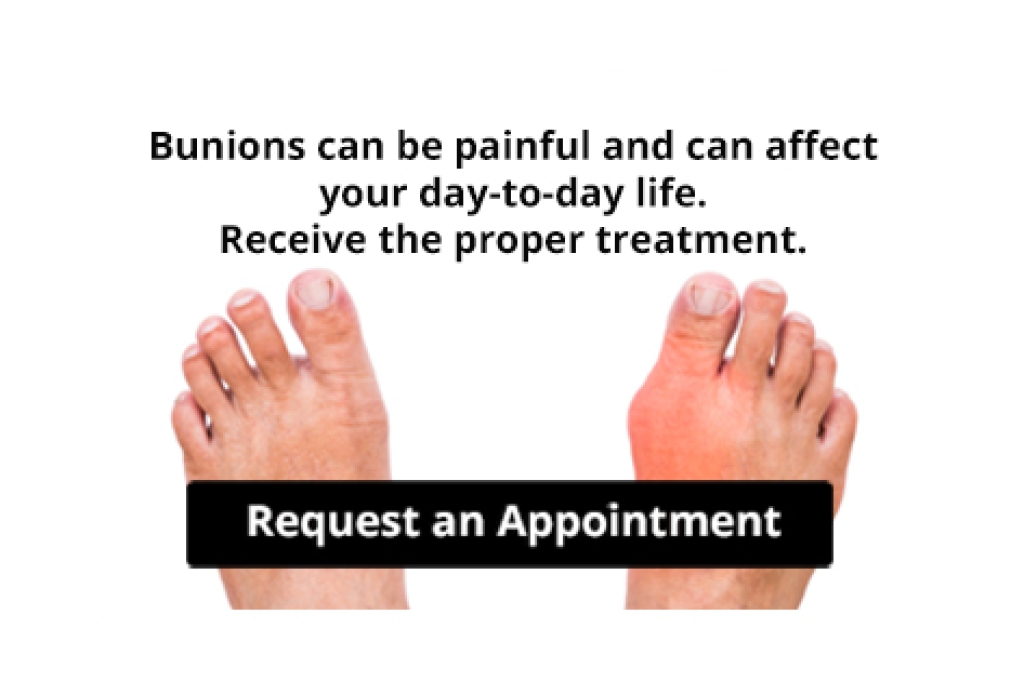
Have you noticed a bony protrusion on the side of your big toe? If so, you may have developed the foot condition known as a bunion. Don't let bunions interfere with your daily activities.

Excess Weight May Lead To Having Heel Pain

People who carry additional weight on their body frame may find they have foot pain. The feet carry the weight of the body and painful foot conditions may develop from the excess pounds. Heel pain can be common in people who are overweight and may be indicative of plantar fasciitis, which is an inflamed plantar fascia. This is the band of tissue that is found on the bottom of the feet and connects the heels to the toes. The extra weight can put pressure on this portion of tissue, often resulting in chronic heel pain. Maintaining a consistent exercise program is often necessary to lose weight and having heel pain can make it difficult to pursue. The overall body can benefit from losing additional weight. This can be accomplished by incorporating healthy foods into daily eating habits and starting out with performing gentle stretches. If you are overweight and have any type of foot or heel pain, it is strongly advised that you speak with a podiatrist who can help you with treatment options and offer suggestions for successful weight loss.

Obesity has become very problematic at this point in time and can have extremely negative effects on the feet. If you’re an obese individual and are concerned about your feet, contact one of our podiatrists from David A. Scalzo, DPM, PC and Associates. Our doctors can provide the care you need to keep you pain-free and on your feet.

Obesity and Your Feet

Since your feet are what support your entire weight when standing, any additional weight can result in pain and swelling. Being overweight is one of the main contributors to foot complications.

Problems & Complications

Extra Weight – Even putting on just a few extra pounds could create serious complications for your feet. As your weight increases, your balance and body will shift, creating new stresses on your feet. This uneven weight distribution can cause pain, even while doing the simplest tasks, such as walking.

Diabetes – People who are overweight are at serious risk of developing type-2 diabetes, which has a drastic impact on the health of your feet. As you get older, your diabetes might worsen, which could lead to loss of feeling in your feet, sores, and bruises. You could also become more prone to various infections.

Plantar fasciitis – Pressure and stress that is placed on muscles, joints, and tendons can trigger plantar fasciitis, which is an inflammation of tissue that forms along the bottom of the foot. 

If you have any questions, please feel free to contact our offices located in Duryea and Bangor, PA . We offer the newest diagnostic and treatment technologies for all your foot care needs.

Read more about How Obesity Affects Your Feet

Who Is Prone to Developing Cuboid Syndrome?

The cuboid bone is located on the outside of the foot, and cuboid syndrome may happen if it becomes inflamed. An injury can cause this bone to move out of alignment, and it is often accompanied by pain and swelling on this part of the foot. Additionally, the affected foot may have a limited range of motion, and the toes may feel weak. In severe cases, the gait, or walking style, may be altered to compensate for the injured foot. Some of the injuries that can cause this condition may happen from unexpectedly stepping off of a step, or suddenly twisting the ankle. An activity that puts intense strain on the ankle bones and ligaments may also lead to the development of cuboid syndrome, which may be common among people who enjoy running and jumping activities. Some patients may be prone to getting this ailment, including people who wear shoes that do not have adequate support or run on uneven surfaces. Effective treatment begins with stopping the activity that caused the condition, if applicable, followed by frequently resting and elevating the foot as often as possible. If you have pain in this part of your foot, please consult a podiatrist who can determine what the best course of treatment is for you.

Cuboid syndrome, also known as cuboid subluxation, occurs when the joints and ligaments near the cuboid bone in the foot become torn. If you have cuboid syndrome, consult with one of our podiatrists  from David A. Scalzo, DPM, PC and Associates. Our doctors will assess your condition and provide you with quality foot and ankle treatment.

Cuboid syndrome is a common cause of lateral foot pain, which is pain on the outside of the foot. The condition may happen suddenly due to an ankle sprain, or it may develop slowly overtime from repetitive tension through the bone and surrounding structures.

Causes

The most common causes of cuboid syndrome include:

  • Injury – The most common cause of this ailment is an ankle sprain.
  • Repetitive Strain – Tension placed through the peroneus longus muscle from repetitive activities such as jumping and running may cause excessive traction on the bone causing it to sublux.
  • Altered Foot Biomechanics – Most people suffering from cuboid subluxation have flat feet.

Symptoms

A common symptom of cuboid syndrome is pain along the outside of the foot which can be felt in the ankle and toes. This pain may create walking difficulties and may cause those with the condition to walk with a limp.

Diagnosis

Diagnosis of cuboid syndrome is often difficult, and it is often misdiagnosed. X-rays, MRIs and CT scans often fail to properly show the cuboid subluxation. Although there isn’t a specific test used to diagnose cuboid syndrome, your podiatrist will usually check if pain is felt while pressing firmly on the cuboid bone of your foot.

Treatment

Just as the range of causes varies widely, so do treatments. Some more common treatments are ice therapy, rest, exercise, taping, and orthotics.

If you have any questions, please feel free to contact our offices located in Duryea and Bangor, PA . We offer the newest diagnostic and treatment technologies for all your foot care needs.

Read more about Cuboid Syndrome

Connect With Us