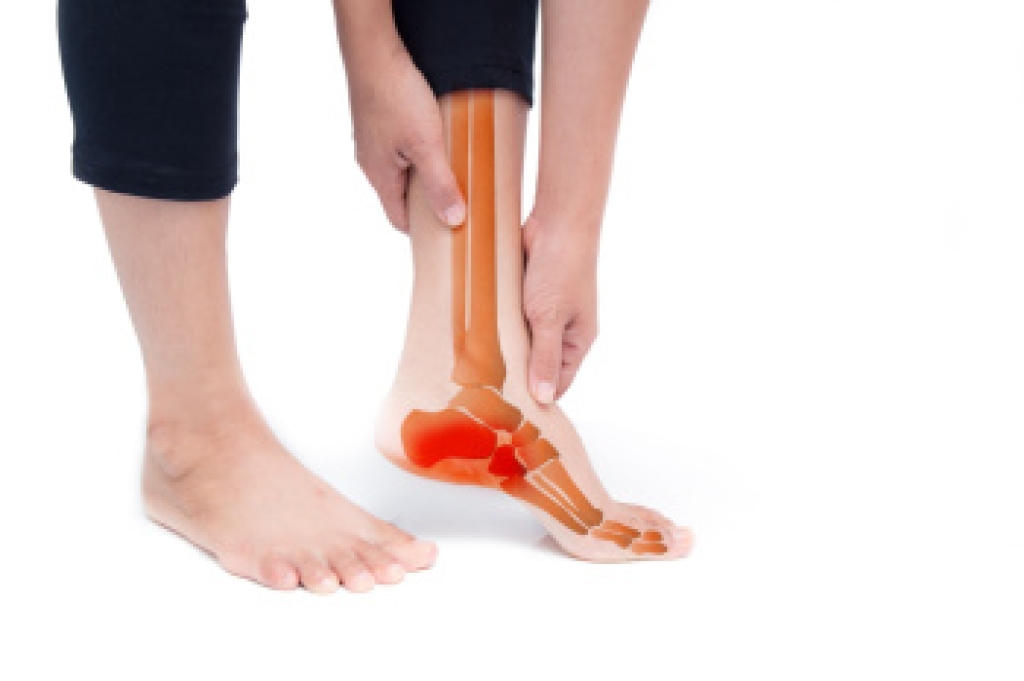
Proper Use of a Cane Can Prevent Falling

Conditions such as balance issues, ankle instability, or pain from injuries can make walking challenging, increasing the risk of falls. Using a cane can help provide stability and reduce pressure on the affected area. When using a cane, the most effective approach is to hold it in the hand opposite the injured foot, allowing the cane and the affected leg to work together for better support. For example, if the right ankle is in pain, holding the cane in the left hand and stepping forward with both the left hand and the right foot simultaneously creates a more balanced and natural gait. This method minimizes strain on the affected foot and helps prevent altered walking mechanics that could lead to back or hip discomfort. A podiatrist can provide guidance on proper cane usage and evaluate underlying foot or ankle conditions to address pain and improve mobility. If you have fallen and have injured your feet, it is suggested that you schedule an appointment with a podiatrist.

Preventing falls among the elderly is very important. If you are older and have fallen or fear that you are prone to falling, consult with one of our podiatrists from David A. Scalzo, DPM, PC and Associates. Our doctors will assess your condition and provide you with quality advice and care.

Every 11 seconds, an elderly American is being treated in an emergency room for a fall related injury. Falls are the leading cause of head and hip injuries for those 65 and older. Due to decreases in strength, balance, senses, and lack of awareness, elderly persons are very susceptible to falling. Thankfully, there are a number of things older persons can do to prevent falls.

How to Prevent Falls

Some effective methods that older persons can do to prevent falls include:

  • Enrolling in strength and balance exercise program to increase balance and strength
  • Periodically having your sight and hearing checked
  • Discuss any medications you have with a doctor to see if it increases the risk of falling
  • Clearing the house of falling hazards and installing devices like grab bars and railings
  • Utilizing a walker or cane
  • Wearing shoes that provide good support and cushioning
  • Talking to family members about falling and increasing awareness

Falling can be a traumatic and embarrassing experience for elderly persons; this can make them less willing to leave the house, and less willing to talk to someone about their fears of falling. Doing such things, however, will increase the likelihood of tripping or losing one’s balance. Knowing the causes of falling and how to prevent them is the best way to mitigate the risk of serious injury.  

If you have any questions, please feel free to contact our offices located in Duryea and Bangor, PA . We offer the newest diagnostic and treatment technologies for all your foot care needs.


Read more about Falls Prevention

Understanding Big Toe Arthritis

Hallux rigidus is a form of arthritis affecting the big toe joint, causing stiffness, pain, and limited motion. Over time, everyday activities like walking or wearing shoes can become difficult. It develops when the joint cartilage wears down, often due to overuse, injury, or abnormal foot structure, leading to inflammation and bone spurs. Risk factors include repetitive stress on the toe, family history, or conditions like gout. A podiatrist diagnoses hallux rigidus through a physical exam and imaging tests like X-rays to assess joint damage. Early stages can be managed with shoe modifications, custom orthotics, and anti-inflammatory medications. Severe cases might require corticosteroid injections or surgery, such as joint fusion or reconstruction. Preventing further damage involves wearing proper footwear and avoiding high-impact activities. If you have big toe pain, it is suggested that you see a podiatrist for a proper diagnosis and treatment.

Toe pain can disrupt your daily activities. If you have any concerns, contact one of our podiatrists of David A. Scalzo, DPM, PC and Associates. Our doctors can provide the care you need to keep you pain-free and on your feet.

What Causes Toe Pain?

Most severe toe pain is caused due to a sports injury, trauma from dropping something heavy on the toe, or bumping into something rigid. Other problems can develop over time for various reasons.

Toe pain can be caused by one or more ailments. The most common include:

  • Trauma
  • Sports injury
  • Wearing shoes that are too tight
  • Arthritis
  • Gout
  • Corns and calluses
  • Hammertoe
  • Bunions
  • Blisters
  • Ingrown toenails
  • Sprains
  • Fractures (broken bones)
  • Dislocations

When to See a Podiatrist

  • Severe pain
  • Persistent pain that lasts more than a week
  • Signs of infection
  • Continued swelling
  • Pain that prevents walking

Diagnosis

In many cases the cause of toe pain is obvious, but in others, a podiatrist may want to use more advanced methods to determine the problem. These can range from simple visual inspections and sensation tests to X-rays and MRI scans. Prior medical history, family medical history, and any recent physical traumatic events will all be taken into consideration for a proper diagnosis.

Treatment

Treatments for toe pain and injuries vary and may include shoe inserts, padding, taping, medicines, injections, and in some cases, surgery. If you believe that you have broken a toe, please see a podiatrist as soon as possible.

If you have any questions please contact our offices located in Duryea and Bangor, PA . We offer the newest diagnostic and treatment technologies for all your foot and ankle needs.

Read more about Toe Pain

My Ankle Hurts

Ankle pain while walking can significantly impact your daily activities, and several conditions may be the culprit. Fractures, often resulting from trauma like a fall, typically cause severe pain, swelling, bruising, and an inability to bear weight on the foot. Treatment may include immobilization or surgery, depending on the severity of the fracture. Tendon sprains or tears, often caused by overuse or sudden movements, lead to pain, swelling, and difficulty moving the ankle. A podiatrist may recommend compression or targeted exercises to help with healing. Ligament sprains or tears occur when the ankle twists or rolls, causing pain, bruising, and swelling. Treatment typically involves rest and elevation. Dislocations, where the bones in the ankle are out of place, can cause severe pain, swelling, and visible deformity. Immediate treatment involves realigning the joint, followed by rehabilitation. If you are experiencing ankle pain, it is suggested that you consult a podiatrist for a proper diagnosis and treatment plan.

Ankle pain can be caused by a number of problems and may be potentially serious. If you have ankle pain, consult with one of our podiatrists  from David A. Scalzo, DPM, PC and Associates. Our doctors will assess your condition and provide you with quality foot and ankle treatment.

Ankle pain is any condition that causes pain in the ankle. Due to the fact that the ankle consists of tendons, muscles, bones, and ligaments, ankle pain can come from a number of different conditions.

Causes

The most common causes of ankle pain include:

  • Types of arthritis (rheumatoid, osteoarthritis, and gout)
  • Ankle sprains
  • Broken ankles
  • Achilles tendonitis
  • Achilles tendon rupture
  • Stress fractures
  • Bursitis
  • Tarsal tunnel syndrome
  • Plantar fasciitis

Symptoms

Symptoms of ankle injury vary based upon the condition. Pain may include general pain and discomfort, swelling, aching, redness, bruising, burning or stabbing sensations, and/or loss of sensation.

Diagnosis

Due to the wide variety of potential causes of ankle pain, podiatrists will utilize a number of different methods to properly diagnose ankle pain. This can include asking for personal and family medical histories and of any recent injuries. Further diagnosis may include sensation tests, a physical examination, and potentially x-rays or other imaging tests.

Treatment

Just as the range of causes varies widely, so do treatments. Some more common treatments are rest, ice packs, keeping pressure off the foot, orthotics and braces, medication for inflammation and pain, and surgery.

If you have any questions please feel free to contact our offices located in Duryea and Bangor, PA . We offer the newest diagnostic tools and technology to treat your foot and ankle needs.

Read more about Various Causes of Ankle Pain

What Is a Lisfranc Injury?

A Lisfranc injury refers to damage to bones in the midfoot, specifically the joint complex where the bones of the foot meet. This type of injury often occurs from a traumatic event, such as a car accident, sports injury, or a fall from height, where excessive force is applied to the foot. It can also happen in lower-impact scenarios, like twisting the foot awkwardly while walking or running. Symptoms of a Lisfranc injury include pain, swelling, bruising, and difficulty bearing weight on the affected foot. In severe cases, there may be visible deformity. Treatment depends on the severity of the injury. Minor injuries may be treated with immobilization, while more severe cases may require surgery to realign the bones and stabilize the joint. A podiatrist can accurately diagnose a Lisfranc injury through a physical exam and imaging, and develop a treatment plan to help restore function and alleviate pain. If you suspect a Lisfranc injury, it is suggested that you schedule an appointment with a podiatrist for the right care.

Foot Pain

Foot pain can be extremely painful and debilitating. If you have a foot pain, consult with one of our podiatrists  from David A. Scalzo, DPM, PC and Associates. Our doctors will assess your condition and provide you with quality foot and ankle treatment.

Causes

Foot pain is a very broad condition that could be caused by one or more ailments. The most common include:

  • Bunions
  • Hammertoes
  • Plantar Fasciitis
  • Bone Spurs
  • Corns
  • Tarsal Tunnel Syndrome
  • Ingrown Toenails
  • Arthritis (such as Gout, Rheumatoid, and Osteoarthritis)
  • Flat Feet
  • Injury (from stress fractures, broken toe, foot, ankle, Achilles tendon ruptures, and sprains)
  • And more

Diagnosis

To figure out the cause of foot pain, podiatrists utilize several different methods. This can range from simple visual inspections and sensation tests to X-rays and MRI scans. Prior medical history, family medical history, and any recent physical traumatic events will all be taken into consideration for a proper diagnosis.

Treatment

Treatment depends upon the cause of the foot pain. Whether it is resting, staying off the foot, or having surgery; podiatrists have a number of treatment options available for foot pain.

If you have any questions, please feel free to contact our offices located in Duryea and Bangor, PA . We offer the newest diagnostic and treatment technologies for all your foot care needs.

Read more about Foot Pain

Nerve Pain in the Heel

Heel pain can sometimes be traced to nerve compression, specifically when nerves in the heel become pinched between surrounding bones, ligaments, and connective tissue. This is known as medial and lateral plantar nerve entrapment. It can lead to nearly constant pain that worsens with activities like standing, walking, and running. High-impact activities and certain footwear can intensify the heel pain, making it challenging for people to perform daily tasks comfortably. Unlike other nerve issues, this type of entrapment typically does not cause burning or tingling.  Instead it produces a more constant, deep ache. Diagnosis of this condition requires a thorough examination by a podiatrist, who may recommend supportive orthotic devices to stabilize the foot and alleviate pressure. Wearing splints can also help manage symptoms. In more severe cases, additional treatments like cryotherapy or surgery might be considered. If you are experiencing heel pain, it is suggested that you make an appointment with a podiatrist for a diagnosis, exam, and treatment options.

Many people suffer from bouts of heel pain. For more information, contact one of our podiatrists of David A. Scalzo, DPM, PC and Associates. Our doctors can provide the care you need to keep you pain-free and on your feet.

Causes of Heel Pain

Heel pain is often associated with plantar fasciitis. The plantar fascia is a band of tissues that extends along the bottom of the foot. A rip or tear in this ligament can cause inflammation of the tissue.

Achilles tendonitis is another cause of heel pain. Inflammation of the Achilles tendon will cause pain from fractures and muscle tearing. Lack of flexibility is also another symptom.

Heel spurs are another cause of pain. When the tissues of the plantar fascia undergo a great deal of stress, it can lead to ligament separation from the heel bone, causing heel spurs.

Why Might Heel Pain Occur?

  • Wearing ill-fitting shoes                
  • Wearing non-supportive shoes
  • Weight change           
  • Excessive running

Treatments

Heel pain should be treated as soon as possible for immediate results. Keeping your feet in a stress-free environment will help. If you suffer from Achilles tendonitis or plantar fasciitis, applying ice will reduce the swelling. Stretching before an exercise like running will help the muscles. Using all these tips will help make heel pain a condition of the past.

If you have any questions, please feel free to contact our offices located in Duryea and Bangor, PA . We offer the newest diagnostic and treatment technologies for all your foot care needs.

Read more about Heel Pain

Pain Relief and Recovery Tips for Plantar Fasciitis

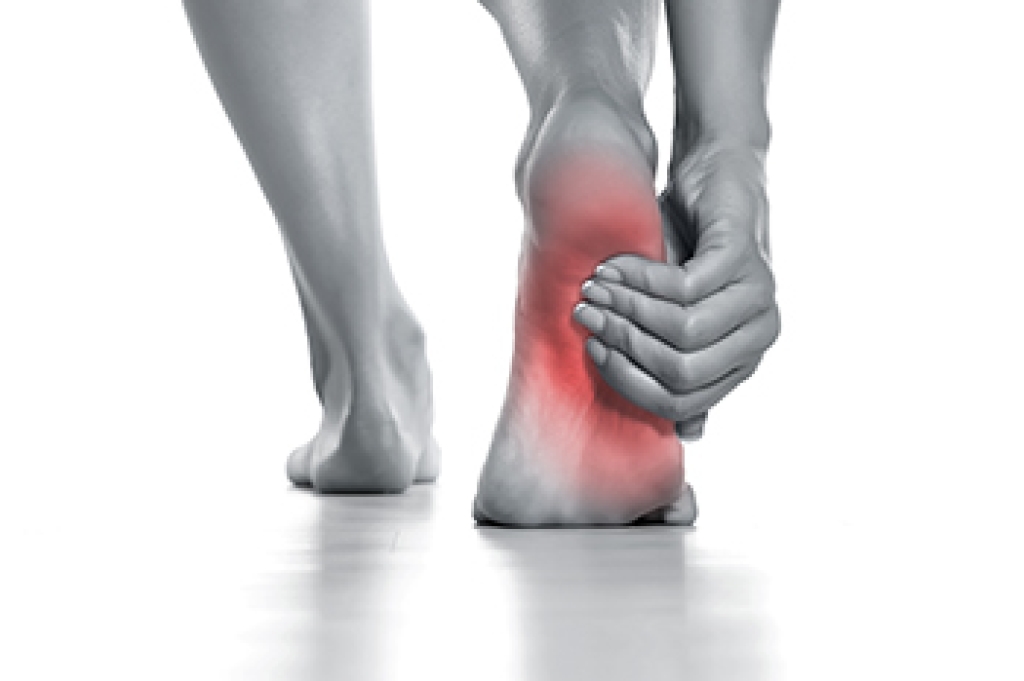
Plantar fasciitis is a common foot condition characterized by pain and inflammation in the plantar fascia, the thick band of tissue connecting the heel to the toes. This tissue supports the arch of the foot, but repetitive stress or strain can cause tiny tears, leading to irritation and discomfort. The hallmark symptom is sharp heel pain, especially noticeable with the first steps in the morning, or after periods of inactivity. People who are on their feet for long periods, have flat feet or high arches, or wear unsupportive footwear are more prone to developing plantar fasciitis. Treatment focuses on reducing inflammation and supporting the arch. Stretching exercises, custom orthotics, and anti-inflammatory medications are common approaches. Severe cases may benefit from targeted exercises, steroid injections, or, in rare instances, surgery. If you have heel pain, it is suggested that you visit a podiatrist for a proper diagnosis and treatment.

Plantar fasciitis can be very painful and inconvenient. If you are experiencing heel pain or symptoms of plantar fasciitis, contact one of our podiatrists  from David A. Scalzo, DPM, PC and Associates. Our doctors can provide the care you need to keep you pain-free and on your feet.

What Is Plantar Fasciitis?

Plantar fasciitis is the inflammation of the thick band of tissue that runs along the bottom of your foot, known as the plantar fascia, and causes mild to severe heel pain.

What Causes Plantar Fasciitis?

  • Excessive running
  • Non-supportive shoes
  • Overpronation
  • Repeated stretching and tearing of the plantar fascia

How Can It Be Treated?

  • Conservative measures – anti-inflammatories, ice packs, stretching exercises, physical therapy, orthotic devices
  • Shockwave therapy – sound waves are sent to the affected area to facilitate healing and are usually used for chronic cases of plantar fasciitis
  • Surgery – usually only used as a last resort when all else fails. The plantar fascia can be surgically detached from the heel

While very treatable, plantar fasciitis is definitely not something that should be ignored. Especially in severe cases, speaking to your doctor right away is highly recommended to avoid complications and severe heel pain. Your podiatrist can work with you to provide the appropriate treatment options tailored to your condition.

If you have any questions, please feel free to contact our offices located in Duryea and Bangor, PA . We offer the newest diagnostic and treatment technologies for all your foot care needs.
Read more about Plantar Fasciitis

Managing Morton’s Neuroma

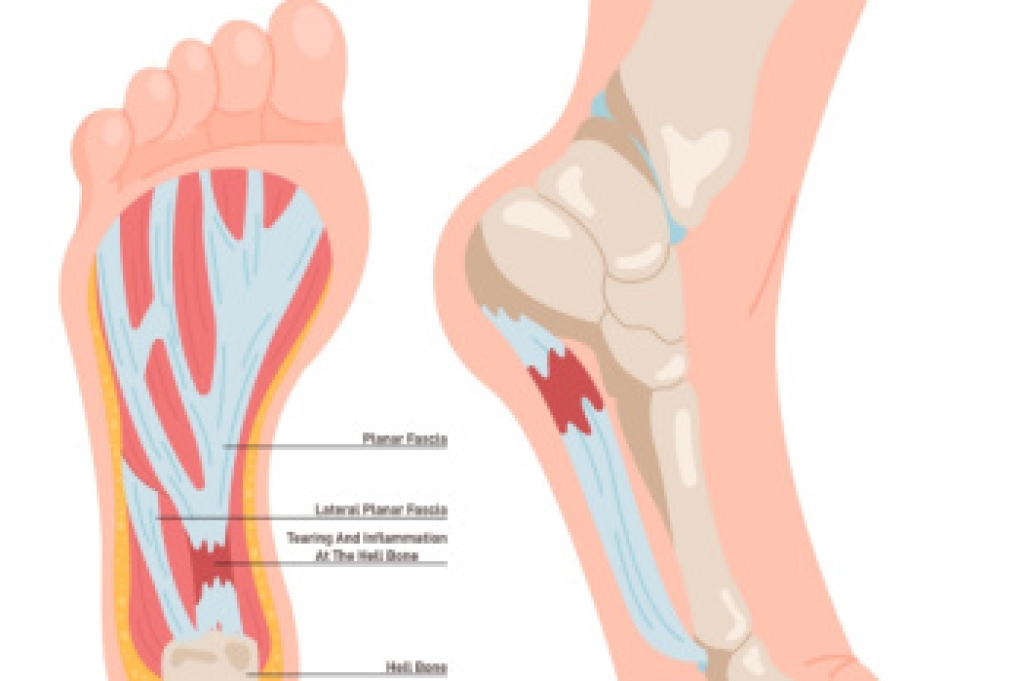
Morton's neuroma is a painful condition affecting the nerve between the toes, typically between the third and fourth toes. It often arises from repetitive pressure or irritation and is frequently linked to wearing tight shoes or high heels. The condition can also be worsened by foot deformities like flat feet or bunions. Symptoms usually include sharp, burning pain in the ball of the foot, a sensation of a pebble in the shoe, and numbness or tingling in the toes. These symptoms may increase with activity or prolonged standing. A podiatrist can diagnose Morton's neuroma through a physical examination and imaging tests. Initial treatments often include changing footwear, orthotic inserts, and corticosteroid injections. If conservative measures fail, excision surgery may be recommended to remove the neuroma. Most patients experience significant long-term pain relief and improved function after surgery. If you are suffering from foot pain that may indicate Morton's neuroma, it is suggested that you schedule an appointment with a podiatrist for expert evaluation and care.

Morton’s neuroma is a very uncomfortable condition to live with. If you think you have Morton’s neuroma, contact one of our podiatrists of David A. Scalzo, DPM, PC and Associates. Our doctors will attend to all of your foot care needs and answer any of your related questions.  

Morton’s Neuroma

Morton's neuroma is a painful foot condition that commonly affects the areas between the second and third or third and fourth toe, although other areas of the foot are also susceptible. Morton’s neuroma is caused by an inflamed nerve in the foot that is being squeezed and aggravated by surrounding bones.

What Increases the Chances of Having Morton’s Neuroma?

  • Ill-fitting high heels or shoes that add pressure to the toe or foot
  • Jogging, running or any sport that involves constant impact to the foot
  • Flat feet, bunions, and any other foot deformities

Morton’s neuroma is a very treatable condition. Orthotics and shoe inserts can often be used to alleviate the pain on the forefront of the feet. In more severe cases, corticosteroids can also be prescribed. In order to figure out the best treatment for your neuroma, it’s recommended to seek the care of a podiatrist who can diagnose your condition and provide different treatment options.

If you have any questions, please feel free to contact our offices located in Duryea and Bangor, PA . We offer the newest diagnostic and treatment technologies for all your foot care needs.
Read more about Morton's Neuroma

The Impact of Neuropathy on Feet

Peripheral neuropathy, is a condition where nerves outside the brain and spinal cord become damaged, commonly affecting the feet and ankles. This condition is often caused by diabetes, but factors such as infections, injuries, or vitamin deficiencies can also contribute. Neuropathy leads to a range of symptoms, including numbness, tingling, burning sensations, or sharp pain in the feet and ankles. As sensation diminishes, individuals may not notice minor injuries, such as cuts or blisters, which can lead to infections or ulcers, especially in diabetic patients. In more severe cases, muscle weakness and balance issues can develop, increasing the risk of falls and mobility problems. Proper management, including blood sugar control, wearing supportive shoes, and regular foot inspections, is important for preventing complications. If you have neuropathy in your feet, it is suggested that you visit a podiatrist who can provide a proper diagnosis and offer you strategies to protect your foot health.

Neuropathy

Neuropathy can be a potentially serious condition, especially if it is left undiagnosed. If you have any concerns that you may be experiencing nerve loss in your feet, consult with one of our podiatrists  from David A. Scalzo, DPM, PC and Associates. Our doctors will assess your condition and provide you with quality foot and ankle treatment for neuropathy.

What Is Neuropathy?

Neuropathy is a condition that leads to damage to the nerves in the body. Peripheral neuropathy, or neuropathy that affects your peripheral nervous system, usually occurs in the feet. Neuropathy can be triggered by a number of different causes. Such causes include diabetes, infections, cancers, disorders, and toxic substances.

Symptoms of Neuropathy Include:

  • Numbness
  • Sensation loss
  • Prickling and tingling sensations
  • Throbbing, freezing, burning pains
  • Muscle weakness

Those with diabetes are at serious risk due to being unable to feel an ulcer on their feet. Diabetics usually also suffer from poor blood circulation. This can lead to the wound not healing, infections occurring, and the limb may have to be amputated.

Treatment

To treat neuropathy in the foot, podiatrists will first diagnose the cause of the neuropathy. Figuring out the underlying cause of the neuropathy will allow the podiatrist to prescribe the best treatment, whether it be caused by diabetes, toxic substance exposure, infection, etc. If the nerve has not died, then it’s possible that sensation may be able to return to the foot.

Pain medication may be issued for pain. Electrical nerve stimulation can be used to stimulate nerves. If the neuropathy is caused from pressure on the nerves, then surgery may be necessary.

If you have any questions, please feel free to contact our offices located in Duryea and Bangor, PA . We offer the newest diagnostic and treatment technologies for all your foot care needs.
Read more about Neuropathy

Gout Pain Can Be Managed

Gout is a painful, inflammatory form of arthritis. Those affected will typically feel an intense stiffness in the joints of their feet, particularly in the big toe. Schedule a visit to learn about how gout can be managed and treated.

Connect With Us