Shoes for Specific Sporting Activities

It is beneficial to begin looking after your child’s feet when they are babies. There are simple measures that can help protect their feet as the growing process occurs. When toddlers begin to walk, it is beneficial to walk barefoot while inside as this can help to strengthen their overall foot as the toes grip the floor. When walking outside, the correct shoes need to be worn in the right size. When children get an adequate amount of exercise it helps keep the joints and muscles strong, in addition to improving circulation. Additionally, having your child eat healthy foods that have enough levels of vitamin D can help to maintain strong bones and support healthy connective tissue. There are specific shoes to wear for certain types of sporting activities. Shoes that have good support and cushioning can help the feet feel comfortable while engaging in strenuous sports. Having good arch support may help to prevent potential foot conditions. If you have concerns about your children’s feet and would like more information about the type of shoes they should wear, please consult with a podiatrist who can answer any questions you may have.

Making sure that your children maintain good foot health is very important as they grow. If you have any questions, contact one of our podiatrists of David A. Scalzo, DPM, PC and Associates. Our doctors can provide the care you need to keep you pain-free and on your feet.

Keeping Children's Feet Healthy

Having healthy feet during childhood can help prevent medical problems later in life, namely in the back and legs. As children grow, their feet require different types of care. Here are some things to consider...

Although babies do not walk yet, it is still very important to take care of their feet.

Avoid putting tight shoes or socks on his or her feet.

Allow the baby to stretch and kick his or her feet to feel comfortable.

As a toddler, kids are now on the move and begin to develop differently. At this age, toddlers are getting a feel for walking, so don’t be alarmed if your toddler is unsteady or ‘walks funny’. 

As your child gets older, it is important to teach them how to take care of their feet.

Show them proper hygiene to prevent infections such as fungus.

Be watchful for any pain or injury.

Have all injuries checked by a doctor as soon as possible.

Comfortable, protective shoes should always be worn, especially at play.

If you have any questions, please feel free to contact our office located in Duryea, PA . We offer the newest diagnostic and treatment technologies for all your foot care needs.
Read more about What to Do to Keep Your Child’s Feet Healthy

What Is Charcot Foot?

Charcot foot is a condition that causes weakened bones in the foot. This can occur in people who have significant nerve damage or neuropathy in the foot. Neuropathy decreases sensation and the ability to feel temperature, pain, or trauma. Because of this, a person with Charcot foot may continue walking and exacerbate the condition. The bones become weak enough to break, and if walking is continued, the foot will eventually change shape. As time goes on, the condition causes joints to collapse and the foot to take on an abnormal shape, like a rocker-bottom appearance. If one has this ailment, they will feel warmth in the affected foot, notice redness and swelling in the area, and experience pain or soreness. It is a serious condition that can lead to disability and even amputation. Those who have diabetes, a disease often associated with neuropathy, or those with a tight Achilles tendon are at more risk for developing Charcot foot and should take preventative measures. You should contact a podiatrist as soon as signs or symptoms appear, as successful treatment is dependent on early diagnosis.

Some foot conditions may require additional professional care. If you have any concerns, contact one of our podiatrists of David A. Scalzo, DPM, PC and Associates. Our doctors can provide the care you need to keep you pain-free and on your feet.

Rare Foot Conditions

The majority of foot conditions are common and can be treated by a podiatrist.  Standard diagnostic procedures are generally used to identify specific conditions and treatment can be rendered. A podiatrist also treats rare foot conditions which can be difficult to diagnose and may need extra attention and care. 

There are many rare foot conditions that can affect children. Some of these can include:

  • Freiberg’s disease
  • Kohler’s disease
  • Maffucci syndrome

Freiberg’s disease - This can be seen as a deterioration and flattening of a metatarsal bone that exists in the ball of the foot. It typically affects pre-teen and teenage girls, but can affect anyone at any age. Symptoms that can accompany this can be swelling, stiffness, and the patient may limp. 

Kohler’s disease - This often targets the bone in the arch of the foot and affects younger boys. It can lead to an interruption of the blood supply which ultimately can lead to bone deterioration. The patient may limp or experience tenderness, swelling, and redness.

Maffucci syndrome - This affects the long bones in a child’s foot leading to the development of abnormal bone lesions. They are benign growths and typically develop in early childhood and the bones may be susceptible to breaking. 

A podiatrist can properly diagnose and treat all types of rare foot conditions. If your child is affected by any of these symptoms or conditions, please don’t hesitate to call our office so the correct treatment method can begin.

If you have any questions, please feel free to contact our office located in Duryea, PA . We offer the newest diagnostic and treatment technologies for all your foot care needs.
Read more about Rare Foot Conditions

Ways Diabetes Affects the Feet

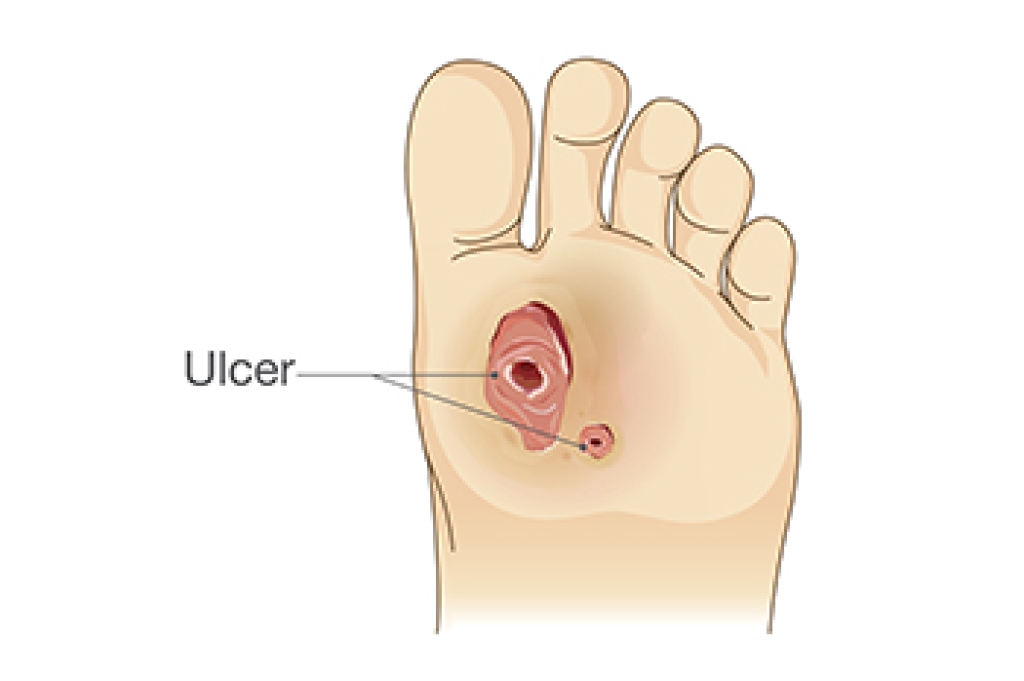
When people think of diabetes, they often think of blood sugar and insulin. Diabetes can have several side effects, many of which affect the feet. Sustained high blood sugar levels can affect both the nerves and the blood vessels. One condition is called diabetic neuropathy in which the nerves that send messages to the lower legs, ankles, feet, and toes become damaged. This results in numbness, tingling, and pain in the feet. Diabetes can also restrict blood flow to the feet, which can prevent sores or cuts from healing properly and in severe cases lead to gangrene or even amputation. Managing the condition of the feet is an everyday concern for a diabetic. It starts with a daily examination to look for cuts or sores, especially on the bottom of the feet. It is also important to wear comfortable shoes and clean socks that give the feet ample room to breathe. Keeping the feet active through simple exercises designed to increase blood flow is important too. For more information and other foot care remedies, it is strongly suggested that you make regular visits to a podiatrist for evaluation and guidance. 

Diabetic foot care is important in preventing foot ailments such as ulcers. If you are suffering from diabetes or have any other concerns about your feet, contact one of our podiatrists from David A. Scalzo, DPM, PC and Associates. Our doctors can provide the care you need to keep you pain-free and on your feet.

Diabetic Foot Care

Diabetes affects millions of people every year. The condition can damage blood vessels in many parts of the body, especially the feet. Because of this, taking care of your feet is essential if you have diabetes, and having a podiatrist help monitor your foot health is highly recommended.

The Importance of Caring for Your Feet

  • Routinely inspect your feet for bruises or sores.
  • Wear socks that fit your feet comfortably.
  • Wear comfortable shoes that provide adequate support.

Patients with diabetes should have their doctor monitor their blood levels, as blood sugar levels play such a huge role in diabetic care. Monitoring these levels on a regular basis is highly advised.

It is always best to inform your healthcare professional of any concerns you may have regarding your feet, especially for diabetic patients. Early treatment and routine foot examinations are keys to maintaining proper health, especially because severe complications can arise if proper treatment is not applied.

If you have any questions, please feel free to contact our office located in Duryea, PA . We offer the newest diagnostic and treatment technologies for all your foot care needs.
Read more about How to Care for Diabetic Foot

Pain Around the Toenails

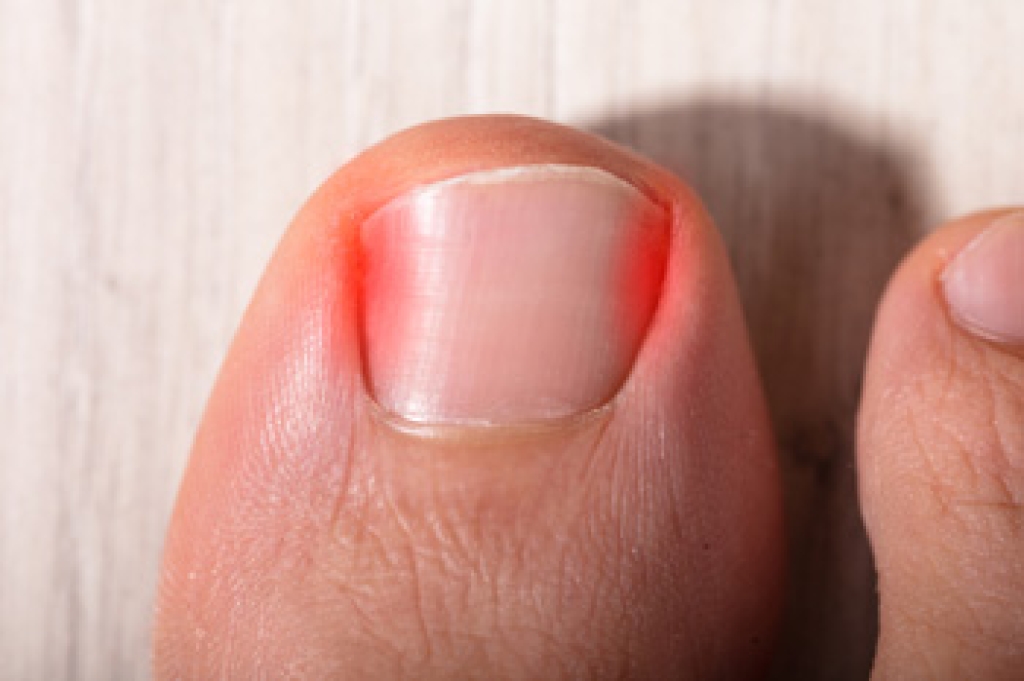
Although they make up relatively small areas of the toes, toenails are critical components of your feet. Therefore, when you are experiencing toenail pain, you should not ignore it. There are a variety of different potential causes to keep in mind that might be affecting your toenails. First, you might have experienced some kind of toenail trauma, from injuring the toenail, stubbing it, or cramming it into ill-fitting footwear. The trauma might cause the toenail to bruise underneath, which might feel painful. You may feel a sensation of pressure at the affected toenail. Second, your toenail pain might be caused by an ingrown toenail. This kind of condition occurs when the side of the toenail essentially grows into the skin surrounding the nail. It can occur if the nail is abnormally shaped, making it easy for the skin to grow on top of the nail. Third, your toenail pain might be a result of some kind of fungal infection, such as athlete’s foot. Fungal infections at or around the toenails can cause redness, a splitting in the nail, and significant pain. These are only some of the potential causes of your toenail pain. If you are experiencing toenail pain, consider contacting a podiatrist who can help you identify and address the problem.

Toe pain can disrupt your daily activities. If you have any concerns, contact one of our podiatrists of David A. Scalzo, DPM, PC and Associates. Our doctors can provide the care you need to keep you pain-free and on your feet.

What Causes Toe Pain?

Most severe toe pain is caused due to a sports injury, trauma from dropping something heavy on the toe, or bumping into something rigid. Other problems can develop over time for various reasons.

Toe pain can be caused by one or more ailments. The most common include:

  • Trauma
  • Sports injury
  • Wearing shoes that are too tight
  • Arthritis
  • Gout
  • Corns and calluses
  • Hammertoe
  • Bunions
  • Blisters
  • Ingrown toenails
  • Sprains
  • Fractures (broken bones)
  • Dislocations

When to See a Podiatrist

  • Severe pain
  • Persistent pain that lasts more than a week
  • Signs of infection
  • Continued swelling
  • Pain that prevents walking

Diagnosis

In many cases the cause of toe pain is obvious, but in others, a podiatrist may want to use more advanced methods to determine the problem. These can range from simple visual inspections and sensation tests to X-rays and MRI scans. Prior medical history, family medical history, and any recent physical traumatic events will all be taken into consideration for a proper diagnosis.

Treatment

Treatments for toe pain and injuries vary and may include shoe inserts, padding, taping, medicines, injections, and in some cases, surgery. If you believe that you have broken a toe, please see a podiatrist as soon as possible.

If you have any questions please contact our office located in Duryea, PA . We offer the newest diagnostic and treatment technologies for all your foot and ankle needs.

Read more about Toe Pain

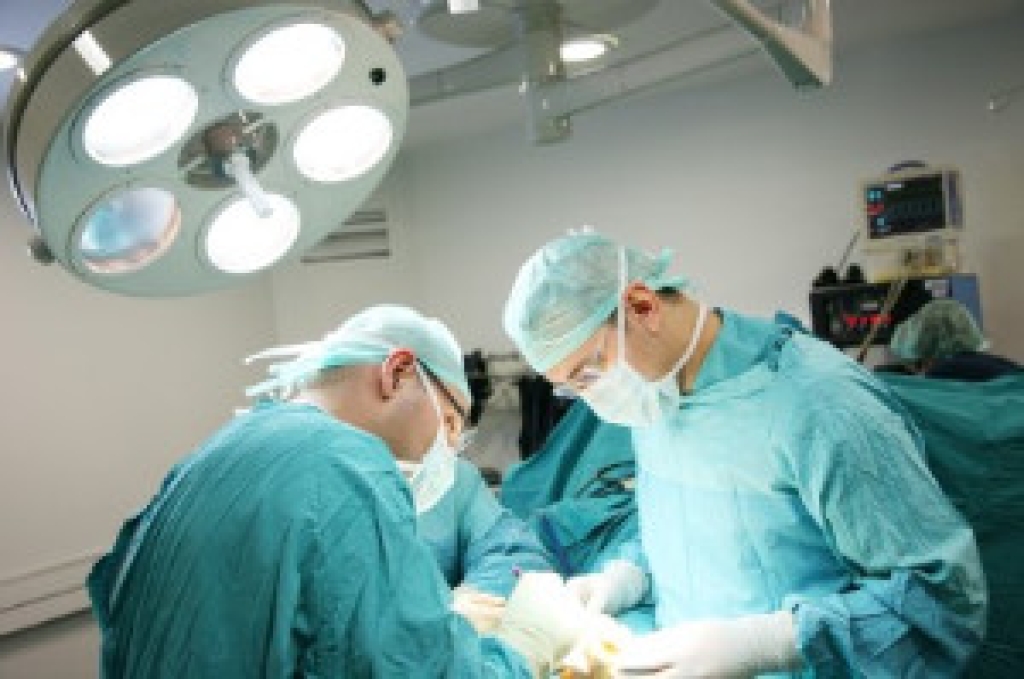
Am I a Candidate for Foot Surgery?

Many people undergo foot surgeries when all other options for have failed. There are several types of foot surgery, which can be successful for permanent relief. An Achilles tendon rupture may require surgery, and this is accomplished by having a 3-inch incision cut at the back of the ankle where the tendon has ruptured. The tendon is sewn together with sutures. After closing the wound, the foot is typically placed in a protective boot as the healing process occurs. Bunion surgery is another common form of foot surgery. A bunion is a bony protrusion of the big toe that can develop from genetic factors or wearing shoes that are too tight. If the bunion becomes painful and completing daily activities becomes difficult, joint fusion may be a viable option. It is done by fusing the joint of the big toe. Another alternative may be to have a joint replacement performed. If you are considering any type of foot surgery, it is strongly advised that you are under the care of a podiatrist who can determine if you are a candidate.

Foot surgery is sometimes necessary to treat a foot ailment. To learn more, contact one of our podiatrists of David A. Scalzo, DPM, PC and Associates. Our doctors will assist you with all of your foot and ankle needs.

When Is Surgery Necessary?

Foot and ankle surgery is generally reserved for cases in which less invasive, conservative procedures have failed to alleviate the problem. Some of the cases in which surgery may be necessary include:

  • Removing foot deformities like bunions and bone spurs
  • Severe arthritis that has caused bone issues
  • Cosmetic reconstruction

What Types of Surgery Are There?

The type of surgery you receive will depend on the nature of the problem you have. Some of the possible surgeries include:

  • Bunionectomy for painful bunions
  • Surgical fusion for realignment of bones
  • Neuropathy decompression surgery to treat nerve damage

Benefits of Surgery

Although surgery is usually a last resort, it can provide more complete pain relief compared to non-surgical methods and may allow you to finally resume full activity.

Surgical techniques have also become increasingly sophisticated. Techniques like endoscopic surgery allow for smaller incisions and faster recovery times.

If you have any questions, please feel free to contact our office located in Duryea, PA . We offer the newest diagnostic and treatment technologies for all your foot care needs.

Read more about Foot Surgery

Connect With Us