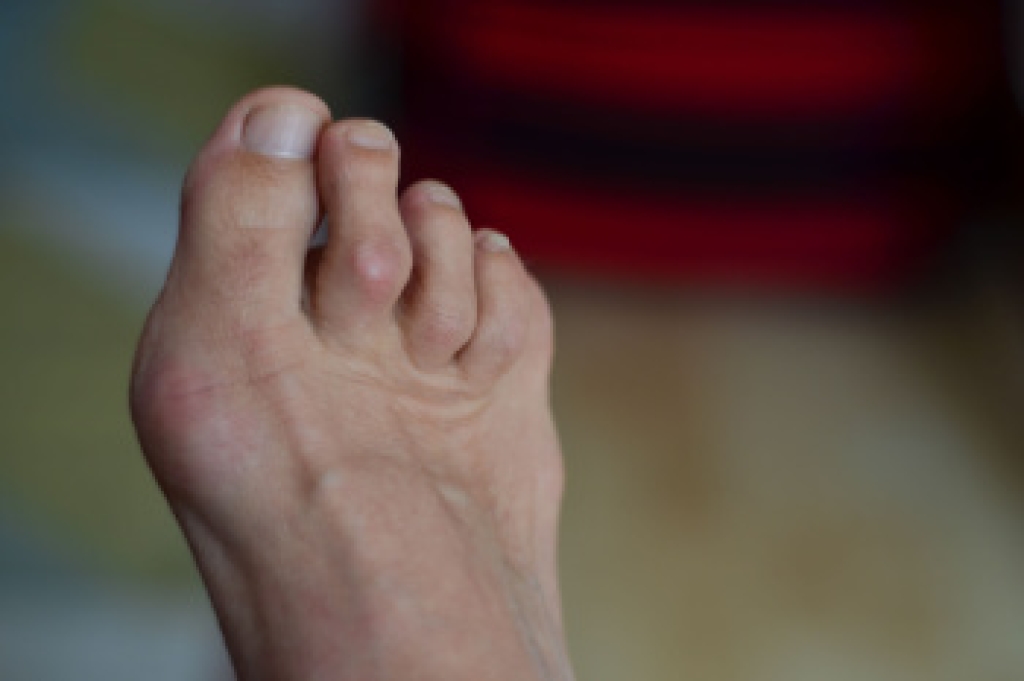
What Is Cuboid Syndrome?

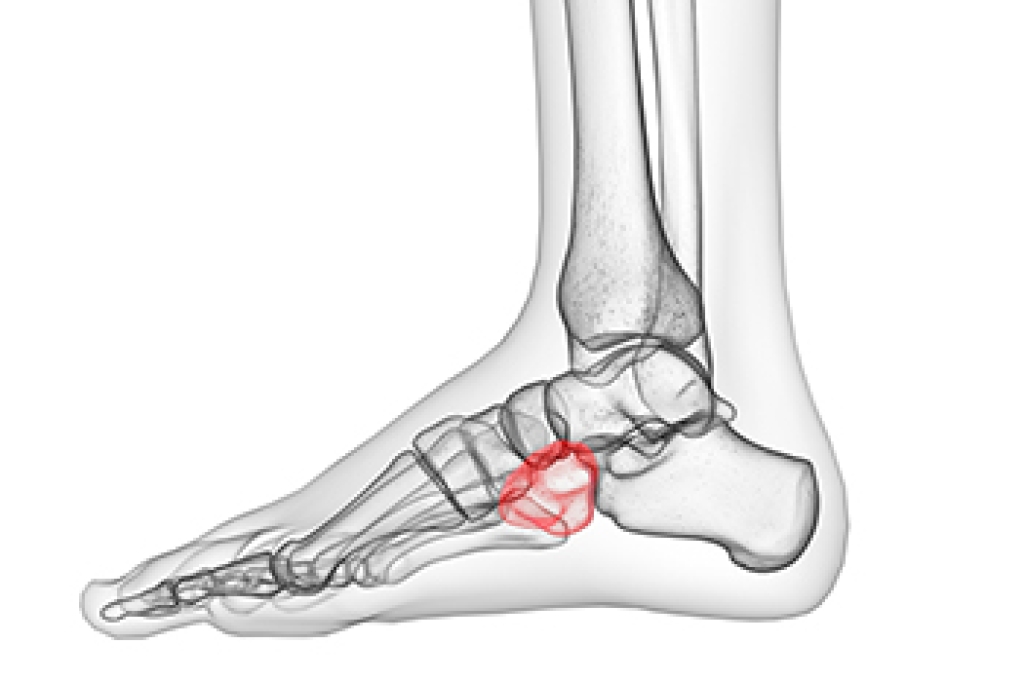
Cuboid syndrome is a condition where the cuboid bone in the foot becomes partially dislocated or misaligned, often due to injury or overuse. This small bone is located on the outer side of the foot and plays a key role in stability and movement. Causes include ankle sprains, repetitive strain, or poor biomechanics. Symptoms include sharp pain on the outside of the foot, swelling, weakness, and difficulty walking. The pain is typically felt on the outside or near the middle of the foot, extending toward the base of the toes. A podiatrist can diagnose cuboid syndrome through a physical examination and restore alignment through manual manipulation or supportive care. If you experience ongoing foot pain, it is suggested that you seek care from a podiatrist for an evaluation and relief.

Cuboid syndrome, also known as cuboid subluxation, occurs when the joints and ligaments near the cuboid bone in the foot become torn. If you have cuboid syndrome, consult with one of our podiatrists  from David A. Scalzo, DPM, PC and Associates. Our doctors will assess your condition and provide you with quality foot and ankle treatment.

Cuboid syndrome is a common cause of lateral foot pain, which is pain on the outside of the foot. The condition may happen suddenly due to an ankle sprain, or it may develop slowly overtime from repetitive tension through the bone and surrounding structures.

Causes

The most common causes of cuboid syndrome include:

  • Injury – The most common cause of this ailment is an ankle sprain.
  • Repetitive Strain – Tension placed through the peroneus longus muscle from repetitive activities such as jumping and running may cause excessive traction on the bone causing it to sublux.
  • Altered Foot Biomechanics – Most people suffering from cuboid subluxation have flat feet.

Symptoms

A common symptom of cuboid syndrome is pain along the outside of the foot which can be felt in the ankle and toes. This pain may create walking difficulties and may cause those with the condition to walk with a limp.

Diagnosis

Diagnosis of cuboid syndrome is often difficult, and it is often misdiagnosed. X-rays, MRIs and CT scans often fail to properly show the cuboid subluxation. Although there isn’t a specific test used to diagnose cuboid syndrome, your podiatrist will usually check if pain is felt while pressing firmly on the cuboid bone of your foot.

Treatment

Just as the range of causes varies widely, so do treatments. Some more common treatments are ice therapy, rest, exercise, taping, and orthotics.

If you have any questions, please feel free to contact our offices located in Duryea and Bangor, PA . We offer the newest diagnostic and treatment technologies for all your foot care needs.
Read more about Cuboid Syndrome

What Swollen Feet in Late Pregnancy Can Mean

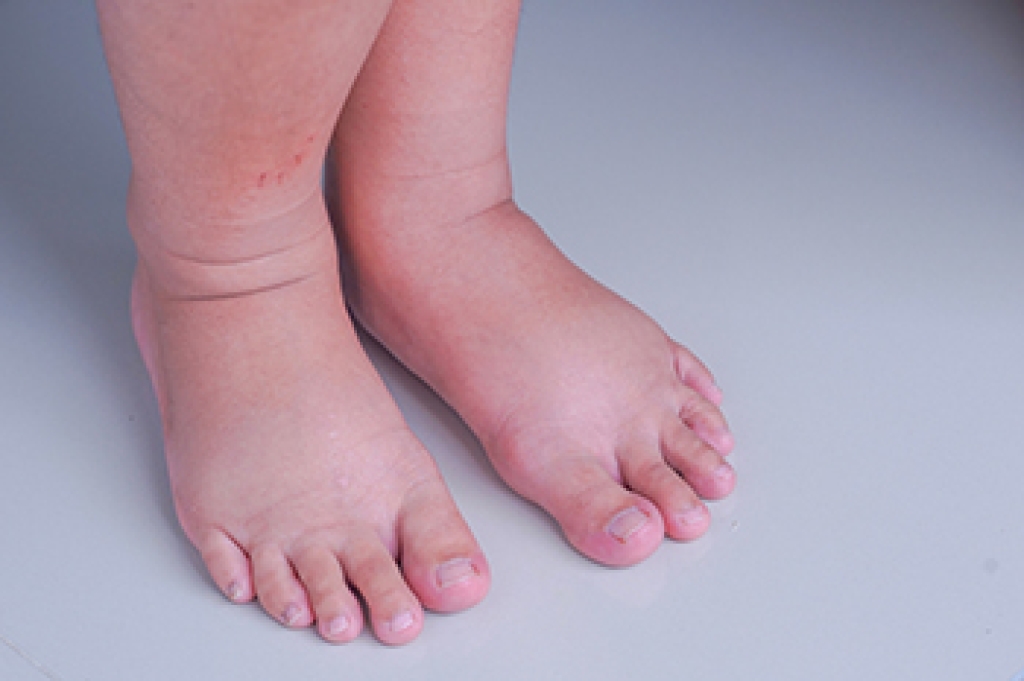
Swollen feet are common during late pregnancy and are often caused by edema, which is the buildup of fluid in the lower limbs due to increased pressure from the growing uterus. However, swelling can also signal more serious conditions. Preeclampsia may cause sudden or severe swelling along with high blood pressure. Peripartum cardiomyopathy, a rare form of heart failure, and deep vein thrombosis, a blood clot in the leg, are medical emergencies. A podiatrist can help monitor swelling, recommend supportive footwear, suggest exercises, and identify signs that need urgent care. If you notice unusual or painful foot swelling during your pregnancy, it is strongly suggested that you promptly visit a podiatrist for expert guidance and relief options.

Pregnant women with swollen feet can be treated with a variety of different methods that are readily available. For more information about other cures for swollen feet during pregnancy, consult with one of our podiatrists from David A. Scalzo, DPM, PC and Associates. Our doctors will attend to all of your foot and ankle needs.

What Foot Problems Can Arise During Pregnancy?

One problem that can occur is overpronation, which occurs when the arch of the foot flattens and tends to roll inward.  This can cause pain and discomfort in your heels while you’re walking or even just standing up, trying to support your baby.  

Another problem is edema, or swelling in the extremities. This often affects the feet during pregnancy but tends to occur in the later stages. 

How Can I Keep My Feet Healthy During Pregnancy?

  • Wearing orthotics can provide extra support for the feet and help distribute weight evenly
  • Minimize the amount of time spent walking barefoot
  • Wear shoes with good arch support
  • Wear shoes that allow for good circulation to the feet
  • Elevate feet if you experience swelling
  • Massage your feet
  • Get regular, light exercise, such as walking, to promote blood circulation to the feet

If you have any questions, please feel free to contact our offices located in Duryea and Bangor, PA . We offer the newest diagnostic and treatment technologies for all your foot care needs.

Read more about Pregnancy and Foot Health

Systemic Conditions That Can Lead to Foot Issues

The health of your feet can often reflect what is happening elsewhere in the body. Certain medical conditions that affect multiple systems can also cause foot-related symptoms. Diabetes is one of the most well-known, often leading to nerve damage, circulation problems, and delayed healing. Autoimmune diseases such as lupus or rheumatoid arthritis can cause joint pain, swelling, and changes in foot structure. Kidney or liver disease may lead to fluid retention, causing swelling in the feet and ankles. Additionally, neurological disorders can affect muscle control and sensation, sometimes leading to imbalance or unusual wear on the feet. Even conditions like peripheral artery disease or thyroid dysfunction may contribute to discomfort or changes in the appearance of the feet. Paying attention to new or ongoing symptoms can help with early detection of a broader issue. If your feet are showing signs of an underlying condition, it is suggested that you speak with a podiatrist for further guidance and care.

When dealing with systemic disease of the feet, it is extremely important to check the affected areas routinely so that any additional problems are caught quickly.  If you have any concerns about your feet and ankles contact one of our podiatrists from David A. Scalzo, DPM, PC and Associates. Our doctors will assist you with all of your podiatric needs.

Systemic Diseases of the Feet

Systemic diseases affect the whole body, and symptoms usually are displayed in the feet. This condition can make a patient’s ability to walk unbearable.  Systemic diseases include gout, diabetes mellitus, neurological disorders, and arthritis.

Gout – is caused by an excess of uric acid in the body. Common symptoms include pain, inflammation, and redness at the metatarsal/phalangeal joint of the base big toe. Gout can be treated by NSAIDs to relieve pain and inflammation, and other drugs that lower the acid levels in the body.

Diabetes mellitus – is an increase in the level of blood sugar that the body cannot counteract with its own insulin. Failure to produce enough insulin is a factor in Diabetes.

Diabetes of the Feet

Diabetic Neuropathy – may lead to damaged nerves and affect the feet through numbness and loss of sensation.

Peripheral Vascular Disease – can restrict the blood flow to the feet, and often times lead to amputation of the feet. 

If you have any questions please contact our offices located in Duryea and Bangor, PA . We offer the newest diagnostic and treatment technologies for all your foot and ankle needs.

Read more about Systemic Diseases of the Foot

Ankle Stretches to Help Prevent Volleyball Injuries

Preventing ankle injuries in volleyball begins with consistent stretching. The ankle alphabet involves tracing letters with your toes to improve flexibility and mobility. Ankle rolls loosen the joint by gently rotating the foot in circles. Ankle dorsiflexion, or pulling the toes toward the shin, increases range of motion and reduces stiffness. Ankle inversion, turning the sole of the foot inward, strengthens supporting muscles and ligaments. These stretches can help stabilize the ankle during quick directional changes common in volleyball. A podiatrist can assess ankle mechanics, provide personalized strengthening routines, and create custom orthotics. If you have sustained a foot or ankle injury from playing volleyball, it is suggested that you consult a podiatrist who can treat various foot and ankle injuries. 

Stretching the feet is a great way to prevent injuries. If you have any concerns with your feet consult with one of our podiatrists  from David A. Scalzo, DPM, PC and Associates. Our doctors will assess your condition and provide you with quality foot and ankle treatment.

Stretching the Feet

Stretching the muscles in the foot is an important part in any physical activity. Feet that are tight can lead to less flexibility and make you more prone to injury. One of the most common forms of foot pain, plantar fasciitis, can be stretched out to help ease the pain. Stretching can not only ease pain from plantar fasciitis but also prevent it as well. However, it is important to see a podiatrist first if stretching is right for you. Podiatrists can also recommend other ways to stretch your feet. Once you know whether stretching is right for you, here are some excellent stretches you can do.

  • Using a foam roller or any cylindrical object (a water bottle or soda can will do), roll the object under your foot back and forth. You should also exert pressure on the object. Be sure to do this to both feet for a minute. Do this exercise three times each.
  • Similar to the previous one, take a ball, such as a tennis ball, and roll it under your foot while seated and exert pressure on it.
  • Grab a resistance band or towel and take a seat. If you are using a towel, fold it length wise. Next put either one between the ball of your foot and heel and pull with both hands on each side towards you. Hold this for 15 seconds and then switch feet. Do this three times for each foot.
  • Finally hold your big toe while crossing one leg over the other. Pull the toe towards you and hold for 15 seconds. Once again do this three times per foot.

It is best to go easy when first stretching your foot and work your way up. If your foot starts hurting, stop exercising and ice and rest the foot. It is advised to then see a podiatrist for help.

If you have any questions please contact our offices located in Duryea and Bangor, PA . We offer the newest diagnostic and treatment technologies for all your foot and ankle needs.

Read more about How to Stretch Your Feet

Heel Pain Can Be Treated!

Do you suffer from heel pain when you get up in the morning? If so, you should seek professional help and have a proper diagnosis performed. Heel pain can be caused by several different foot-related conditions.

Where It Hurts Can Say a Lot About Your Foot Pain

Pain in the foot can show up in many places, and each one tells a different story. Heel pain may point to plantar fasciitis or a strained ligament. Pain in the ball of the foot could mean a nerve issue, joint inflammation, or overuse from certain activities. If the pain is near the arch, it might relate to flat feet or a tendon problem. Even the toes can be a source of trouble, especially when joints become stiff, irritated, or misshapen. Where the pain begins, how it feels, and when it shows up all help identify the problem. Because feet carry the body every day, even minor discomfort can grow into a bigger issue if ignored. A podiatrist can examine the entire foot, uncover the cause, and offer effective treatment. If your foot pain is not going away, it is suggested that you schedule a visit with a  podiatrist and take the first step toward lasting relief.

Foot Pain

Foot pain can be extremely painful and debilitating. If you have a foot pain, consult with one of our podiatrists  from David A. Scalzo, DPM, PC and Associates. Our doctors will assess your condition and provide you with quality foot and ankle treatment.

Causes

Foot pain is a very broad condition that could be caused by one or more ailments. The most common include:

  • Bunions
  • Hammertoes
  • Plantar Fasciitis
  • Bone Spurs
  • Corns
  • Tarsal Tunnel Syndrome
  • Ingrown Toenails
  • Arthritis (such as Gout, Rheumatoid, and Osteoarthritis)
  • Flat Feet
  • Injury (from stress fractures, broken toe, foot, ankle, Achilles tendon ruptures, and sprains)
  • And more

Diagnosis

To figure out the cause of foot pain, podiatrists utilize several different methods. This can range from simple visual inspections and sensation tests to X-rays and MRI scans. Prior medical history, family medical history, and any recent physical traumatic events will all be taken into consideration for a proper diagnosis.

Treatment

Treatment depends upon the cause of the foot pain. Whether it is resting, staying off the foot, or having surgery; podiatrists have a number of treatment options available for foot pain.

If you have any questions, please feel free to contact our offices located in Duryea and Bangor, PA . We offer the newest diagnostic and treatment technologies for all your foot care needs.

Read more about Foot Pain

How Did I Get This Plantar Wart?

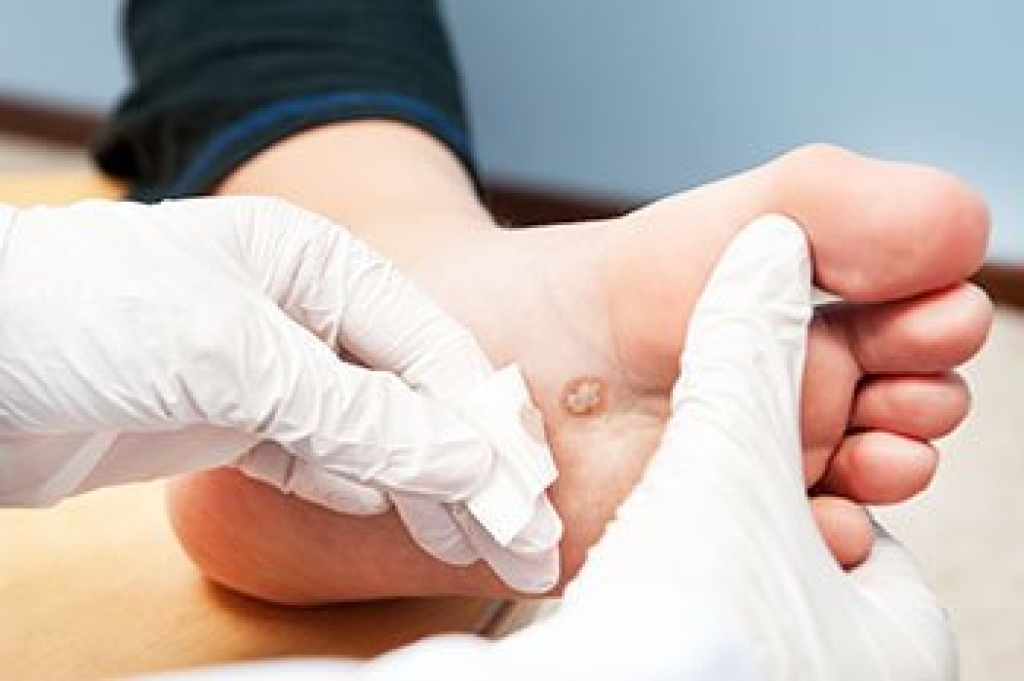
Plantar warts are small growths that appear on the soles of the feet, often caused by the human papillomavirus, or HPV. They typically develop in areas of pressure, such as the heels or balls of the feet, where the virus enters through small cuts or cracks in the skin. Symptoms include a rough, grainy texture on the bottom of the foot, pain or tenderness when walking, and tiny black dots in the wart, which are blood vessels. The wart may grow larger or multiply over time, if left untreated. A podiatrist can diagnose plantar warts through a physical exam and may remove a small sample for testing, if needed. Treatment options include topical medication, cryotherapy, or minor surgical removal. In some cases, mild treatments may also help, but professional care ensures the most effective and thorough removal. If you have a painful plantar wart, it is suggested that you schedule an appointment with a podiatrist for a proper diagnosis and appropriate treatment plan.

Plantar warts can be very uncomfortable. If you need your feet checked, contact one of our podiatrists from David A. Scalzo, DPM, PC and Associates. Our doctors will assist you with all of your foot and ankle needs.

About Plantar Warts

Plantar warts are the result of HPV, or human papillomavirus, getting into open wounds on the feet. They are mostly found on the heels or balls of the feet.

While plantar warts are generally harmless, those experiencing excessive pain or those suffering from diabetes or a compromised immune system require immediate medical care. Plantar warts are easily diagnosed, usually through scraping off a bit of rough skin or by getting a biopsy.

Symptoms

  • Lesions on the bottom of your feet, usually rough and grainy
  • Hard or thick callused spots
  • Wart seeds, which are small clotted blood vessels that look like little black spots
  • Pain, discomfort, or tenderness of your feet when walking or standing

Treatment

  • Freezing
  • Electric tool removal
  • Laser Treatment
  • Topical Creams (prescription only)
  • Over-the-counter medications

To help prevent developing plantar warts, avoid walking barefoot over abrasive surfaces that can cause cuts or wounds for HPV to get into. Avoiding direct contact with other warts, as well as not picking or rubbing existing warts, can help prevent the further spread of plantar warts. However, if you think you have developed plantar warts, speak to your podiatrist. He or she can diagnose the warts on your feet and recommend the appropriate treatment options.

If you have any questions, please feel free to contact our offices located in Duryea and Bangor, PA . We offer the newest diagnostic and treatment technologies for all your foot care needs.
Read more about What Are Plantar Warts?

Risk Factors of Ankle Sprains in Athletes

An acute ankle sprain occurs when the foot twists or rolls in an unnatural way. The term acute means that the injury happened recently and suddenly, rather than over time. Athletes involved in sports that involve jumping, quick direction changes, or uneven surfaces are more at risk. An acute ankle sprain causes immediate pain, swelling, and difficulty walking. Most acute sprains affect the ligaments on the outside of the ankle, particularly the one that connects the outer ankle bone to the foot. Ligaments help keep the ankle stable, and when they are stretched or torn, the ankle can become weak or unstable. Without proper care, athletes risk repeated sprains and long-term problems like chronic pain or joint stiffness. A podiatrist can determine the severity of the ankle injury, recommend bracing or walking support, and discuss surgery, if needed. If you have sprained an ankle, it is suggested that you make an immediate appointment with a podiatrist.

Ankle sprains are common but need immediate attention. If you need your feet checked, contact one of our podiatrists from David A. Scalzo, DPM, PC and Associates. Our doctors can provide the care you need to keep you pain-free and on your feet.

How Does an Ankle Sprain Occur?

Ankle sprains take place when the ligaments in your ankle are torn or stretched beyond their limits. There are multiple ways that the ankle can become injured, including twisting or rolling over onto your ankle, putting undue stress on it, or causing trauma to the ankle itself.

What Are the Symptoms?

  • Mild to moderate bruising
  • Limited mobility
  • Swelling
  • Discoloration of the skin (depending on severity)

Preventing a Sprain

  • Wearing appropriate shoes for the occasion
  • Stretching before exercises and sports
  • Knowing your limits

Treatment of a Sprain

Treatment of a sprain depends on the severity.  Many times, people are told to rest and remain off their feet completely, while others are given an air cast. If the sprain is very severe, surgery may be required.

If you have suffered an ankle sprain previously, you may want to consider additional support such as a brace and regular exercises to strengthen the ankle.

If you have any questions please feel free to contact our offices located in Duryea and Bangor, PA . We offer the newest diagnostic tools and technology to treat your foot and ankle needs.

Read more about Three Grades of Ankle Sprains

Most Hammertoes Start With Muscle Imbalance

Hammertoes often begin when there is an imbalance between the muscles and tendons that control toe movement. Over time, this imbalance causes the toe to bend downward at the middle joint, creating a fixed or flexible deformity. Wearing poorly fitting shoes can make the problem worse, especially styles that squeeze the toes or force them into an unnatural position. High arches, flat feet, and certain nerve or joint conditions can also contribute by changing the way pressure is distributed across the foot. As the toe becomes more rigid, it may rub against shoes, leading to corns, calluses, and pain. Early treatment can help prevent progression and may reduce the need for surgery. If you have a toe that is beginning to curl or cause discomfort, it is suggested that you see a podiatrist for a proper diagnosis and appropriate treatment.

Hammertoes can be a painful condition to live with. For more information, contact one of our podiatrists of David A. Scalzo, DPM, PC and Associates. Our doctors will answer any of your foot- and ankle-related questions.

Hammertoe

Hammertoe is a foot deformity that occurs due to an imbalance in the muscles, tendons, or ligaments that normally hold the toe straight. It can be caused by the type of shoes you wear, your foot structure, trauma, and certain disease processes.

Symptoms

  • Painful and/or difficult toe movement
  • Swelling
  • Joint stiffness
  • Calluses/Corns
  • Physical deformity

Risk Factors

  • Age – The risk of hammertoe increases with age
  • Sex – Women are more likely to have hammertoe compared to men
  • Toe Length – You are more likely to develop hammertoe if your second toe is longer than your big toe
  • Certain Diseases – Arthritis and diabetes may make you more likely to develop hammertoe

Treatment

If you have hammertoe, you should change into a more comfortable shoe that provides enough room for your toes. Exercises such as picking up marbles may strengthen and stretch your toe muscles. Nevertheless, it is important to seek assistance from a podiatrist in order to determine the severity of your hammertoe and see which treatment option will work best for you.

If you have any questions, please feel free to contact our offices located in Duryea and Bangor, PA . We offer the newest diagnostic and treatment technologies for all your foot care needs.
Read more about What Are Hammertoes?

Heel Pain in the Morning?

Heel pain can negatively affect your day-to-day life. Simple activities like walking can become incredibly uncomfortable or painful due to heel pain.

Don’t live with heel pain and get treated.

Connect With Us