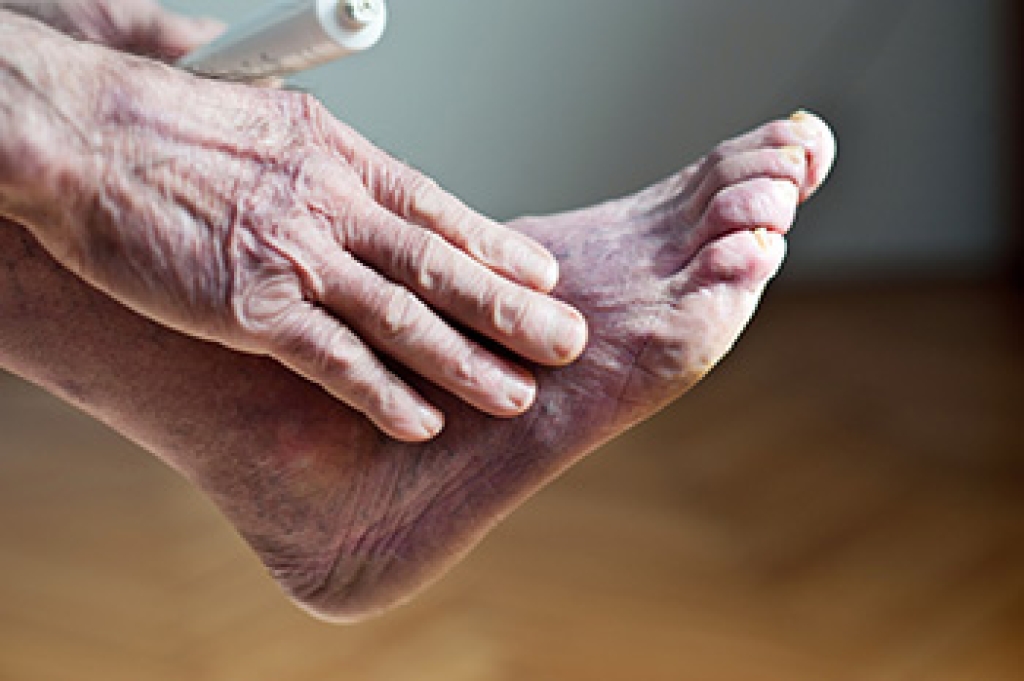
How Smoking May Contribute to Poor Circulation in the Feet

Smoking can have a significant negative impact on foot health by reducing circulation, leading to various conditions. One of the most common problems associated with smoking is poor foot circulation, which occurs due to narrowed blood vessels. This can result in peripheral artery disease, PAD, a condition where the blood flow to the feet is limited, causing pain, numbness, and in severe cases, tissue damage. Smokers are also at a higher risk of developing Buerger’s disease, a rare but serious condition that causes blood vessels in the toes to become inflamed, leading to reduced blood flow and potential tissue death. Symptoms of these conditions include cramping in the legs, cold or discolored feet, slow-healing wounds, and hair loss on the feet or legs. If you have symptoms of poor foot circulation, it is suggested that you confer with a podiatrist who can offer effective treatment methods, and, if necessary, guide you on smoking cessation techniques.

While poor circulation itself isn’t a condition; it is a symptom of another underlying health condition you may have. If you have any concerns with poor circulation in your feet contact one of our podiatrists of David A. Scalzo, DPM, PC and Associates. Our doctors will treat your foot and ankle needs.

Poor Circulation in the Feet

Peripheral artery disease (PAD) can potentially lead to poor circulation in the lower extremities. PAD is a condition that causes the blood vessels and arteries to narrow. In a linked condition called atherosclerosis, the arteries stiffen up due to a buildup of plaque in the arteries and blood vessels. These two conditions can cause a decrease in the amount of blood that flows to your extremities, therefore resulting in pain.

Symptoms

Some of the most common symptoms of poor circulation are:

  • Numbness
  • Tingling
  • Throbbing or stinging pain in limbs
  • Pain
  • Muscle Cramps

Treatment for poor circulation often depends on the underlying condition that causes it. Methods for treatment may include insulin for diabetes, special exercise programs, surgery for varicose veins, or compression socks for swollen legs.

As always, see a podiatrist as he or she will assist in finding a regimen that suits you. A podiatrist can also prescribe you any needed medication. 

If you have any questions, please feel free to contact our offices located in Duryea and Bangor, PA . We offer the newest diagnostic and treatment technologies for all your foot care needs.


Read more about Causes Symptoms and Treatment for Poor Circulation in the Feet

Are You Suffering From Nerve Damage?

Neuropathy is a condition that can lead to numbness or loss of sensation in the feet, but it can also cause pain. This condition is more likely to develop for those who are diabetic, obese, or with high blood pressure.

What Is Iselin's Disease and Who Does It Affect?

Iselin's disease is a condition that affects the growth plate of the fifth metatarsal bone, located in the foot. It typically occurs in children and adolescents, especially those who are physically active and participate in sports such as running or jumping. The condition is more common in girls aged eight to 13 and boys aged 10 to 14. Iselin's disease is characterized by pain and tenderness on the outside of the foot, near the base of the pinky toe. The pain may worsen with physical activity and improve with rest. Swelling and bruising may also be present in some cases. The exact cause of Iselin's disease is not fully understood, but it is believed to result from repetitive stress or overuse, which leads to inflammation of the growth plate. Treatment typically involves rest, and, in some cases, the use of supportive footwear or orthotics to reduce stress on the affected area. If your active child has foot pain, it is suggested that you consult a podiatrist who can provide an accurate diagnosis and offer viable treatment and relief options.

Making sure that your children maintain good foot health is very important as they grow. If you have any questions, contact one of our podiatrists of David A. Scalzo, DPM, PC and Associates. Our doctors can provide the care you need to keep you pain-free and on your feet.

Keeping Children's Feet Healthy

Having healthy feet during childhood can help prevent medical problems later in life, namely in the back and legs. As children grow, their feet require different types of care. Here are some things to consider...

Although babies do not walk yet, it is still very important to take care of their feet.

Avoid putting tight shoes or socks on his or her feet.

Allow the baby to stretch and kick his or her feet to feel comfortable.

As a toddler, kids are now on the move and begin to develop differently. At this age, toddlers are getting a feel for walking, so don’t be alarmed if your toddler is unsteady or ‘walks funny’. 

As your child gets older, it is important to teach them how to take care of their feet.

Show them proper hygiene to prevent infections such as fungus.

Be watchful for any pain or injury.

Have all injuries checked by a doctor as soon as possible.

Comfortable, protective shoes should always be worn, especially at play.

If you have any questions, please feel free to contact our offices located in Duryea and Bangor, PA . We offer the newest diagnostic and treatment technologies for all your foot care needs.
Read more about What to Do to Keep Your Child’s Feet Healthy

How Foot Pain Interferes With Comfortable Living

Foot pain can stem from various conditions, including plantar fasciitis, bunions, flat feet, arthritis, or injuries like sprains and fractures. Even seemingly minor discomfort can significantly impact daily activities, affecting mobility, balance, and overall quality of life. Chronic foot pain may also lead to compensation issues, causing pain in the knees, hips, or back. Ignoring persistent pain can worsen underlying conditions, making treatment more complex. Addressing foot pain begins with identifying the cause. Rest, proper footwear, and targeted stretching exercises can help in mild cases. Custom orthotics or surgical intervention may be necessary for persistent or severe pain. Early intervention is key to preventing long-term complications. If foot pain disrupts your routine, it is suggested that you consult a podiatrist for an accurate diagnosis and an effective treatment plan tailored to your needs.

Foot Pain

Foot pain can be extremely painful and debilitating. If you have a foot pain, consult with one of our podiatrists  from David A. Scalzo, DPM, PC and Associates. Our doctors will assess your condition and provide you with quality foot and ankle treatment.

Causes

Foot pain is a very broad condition that could be caused by one or more ailments. The most common include:

  • Bunions
  • Hammertoes
  • Plantar Fasciitis
  • Bone Spurs
  • Corns
  • Tarsal Tunnel Syndrome
  • Ingrown Toenails
  • Arthritis (such as Gout, Rheumatoid, and Osteoarthritis)
  • Flat Feet
  • Injury (from stress fractures, broken toe, foot, ankle, Achilles tendon ruptures, and sprains)
  • And more

Diagnosis

To figure out the cause of foot pain, podiatrists utilize several different methods. This can range from simple visual inspections and sensation tests to X-rays and MRI scans. Prior medical history, family medical history, and any recent physical traumatic events will all be taken into consideration for a proper diagnosis.

Treatment

Treatment depends upon the cause of the foot pain. Whether it is resting, staying off the foot, or having surgery; podiatrists have a number of treatment options available for foot pain.

If you have any questions, please feel free to contact our offices located in Duryea and Bangor, PA . We offer the newest diagnostic and treatment technologies for all your foot care needs.
Read more about Foot Pain

Chronic Plantar Fasciitis

Plantar fasciitis is a common condition caused by inflammation of the plantar fascia, a thick band of tissue connecting the heel to the toes. It typically results in sharp heel pain, especially during the first steps in the morning or after prolonged periods of rest. This condition is often linked to overuse, improper footwear, obesity, or high-impact activities like running. While many cases improve with conservative treatments, plantar fasciitis can become chronic if untreated or mismanaged. Chronic plantar fasciitis occurs when the inflammation persists for several months, leading to degenerative changes in the fascia, ongoing pain, and limited mobility. Treatment for chronic cases may include custom orthotics, targeted exercises, or advanced options like shockwave therapy, injections, or even surgery. If you have ongoing pain from plantar fasciitis, it is suggested that you see a podiatrist who can provide expert care.

Plantar fasciitis is a common foot condition that is often caused by a strain injury. If you are experiencing heel pain or symptoms of plantar fasciitis, contact one of our podiatrists from David A. Scalzo, DPM, PC and Associates. Our doctors can provide the care you need to keep you pain-free and on your feet.

What Is Plantar Fasciitis?

Plantar fasciitis is one of the most common causes of heel pain. The plantar fascia is a ligament that connects your heel to the front of your foot. When this ligament becomes inflamed, plantar fasciitis is the result. If you have plantar fasciitis you will have a stabbing pain that usually occurs with your first steps in the morning. As the day progresses and you walk around more, this pain will start to disappear, but it will return after long periods of standing or sitting.

What Causes Plantar Fasciitis?

  • Excessive running
  • Having high arches in your feet
  • Other foot issues such as flat feet
  • Pregnancy (due to the sudden weight gain)
  • Being on your feet very often

There are some risk factors that may make you more likely to develop plantar fasciitis compared to others. The condition most commonly affects adults between the ages of 40 and 60. It also tends to affect people who are obese because the extra pounds result in extra stress being placed on the plantar fascia.

Prevention

  • Take good care of your feet – Wear shoes that have good arch support and heel cushioning.
  • Maintain a healthy weight
  • If you are a runner, alternate running with other sports that won’t cause heel pain

There are a variety of treatment options available for plantar fasciitis along with the pain that accompanies it. Additionally, physical therapy is a very important component in the treatment process. It is important that you meet with your podiatrist to determine which treatment option is best for you.

If you have any questions, please feel free to contact our offices located in Duryea and Bangor, PA . We offer the newest diagnostic and treatment technologies for all your foot care needs.


Read more about Plantar Fasciitis

Connect With Us