Causes of Foot and Ankle Injuries While Surfing

Surfing, a thrilling sport, can lead to foot and ankle injuries due to various factors. A common cause is improper technique, such as awkward landings or falls while maneuvering on the board. Another factor is overuse, as repetitive motions can strain muscles and tendons in the feet and ankles. Uneven surfaces and impact with the board or ocean floor can also contribute to injuries like sprains, strains, or even fractures. To prevent these injuries, surfers should focus on building strength and flexibility through targeted exercises for the ankles and feet. Practicing proper surfing techniques and gradually increasing wave difficulty can also reduce the risk of foot injury. Wearing supportive footwear and using ankle braces or taping for added stability are additional measures to protect against twists or strains. If you have sustained a foot or ankle injury while surfing, it is suggested you consult a podiatrist who can offer treatment options.

Sports related foot and ankle injuries require proper treatment before players can go back to their regular routines. For more information, contact one of our podiatrists of David A. Scalzo, DPM, PC and Associates. Our doctors can provide the care you need to keep you pain-free and on your feet.

Sports Related Foot and Ankle Injuries

Foot and ankle injuries are a common occurrence when it comes to athletes of any sport. While many athletes dismiss the initial aches and pains, the truth is that ignoring potential foot and ankle injuries can lead to serious problems. As athletes continue to place pressure and strain the area further, a mild injury can turn into something as serious as a rupture and may lead to a permanent disability. There are many factors that contribute to sports related foot and ankle injuries, which include failure to warm up properly, not providing support or wearing bad footwear. Common injuries and conditions athletes face, including:

  • Plantar Fasciitis
  • Achilles Tendinitis
  • Achilles Tendon Rupture
  • Ankle Sprains

Sports related injuries are commonly treated using the RICE method. This includes rest, applying ice to the injured area, compression and elevating the ankle. More serious sprains and injuries may require surgery, which could include arthroscopic and reconstructive surgery. Rehabilitation and therapy may also be required in order to get any recovering athlete to become fully functional again. Any unusual aches and pains an athlete sustains must be evaluated by a licensed, reputable medical professional.

If you have any questions please contact our offices located in Duryea and Bangor, PA . We offer the newest diagnostic and treatment technologies for all your foot and ankle needs.

Read more about Sports Related Foot And Ankle Injuries

Common Causes of Cracked Heels

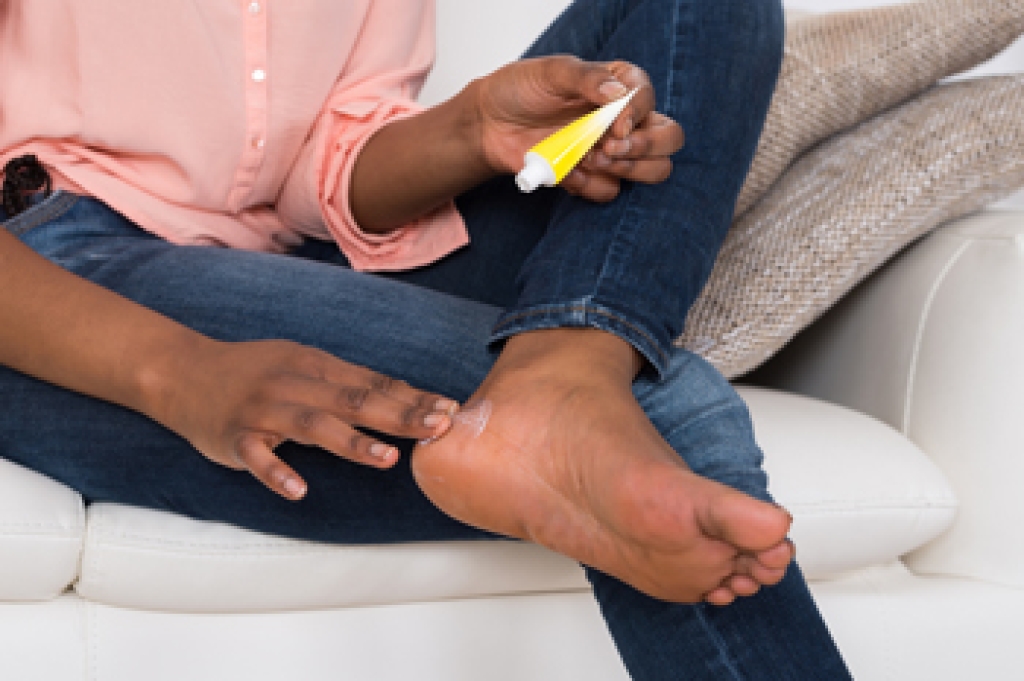
Cracked heels, also known as heel fissures, occur when the skin on the bottom of the heel becomes dry, hard, and thickened, sometimes forming painful splits. Common causes of cracked heels can include prolonged standing, wearing open-heeled footwear, and skin conditions like eczema or psoriasis. Surprisingly, athlete’s foot, which is a fungal infection, is another frequent cause, leading to dry, itchy, and fissured skin on the heels. If moisturizers and antifungal treatments do not resolve the issue, it could be indicative of an underlying health problem such as hypothyroidism, diabetes, or even bone spurs. A podiatrist can provide a thorough examination to diagnose the root cause of problematic cracked heels. If you have cracked heels or fissures, it is suggested that you schedule an appointment with this type of doctor for an exam and treatment solutions.

Cracked heels are unsightly and can cause further damage to your shoes and feet. If you have any concerns, contact one of our podiatrists from David A. Scalzo, DPM, PC and Associates. Our doctors can provide the care you need to keep you pain-free and on your feet.

Cracked Heels

Cracked heels appear unappealing and can make it harder for you walk around in sandals. Aside from looking unpleasant, cracked heels can also tear stockings, socks, and wear out your shoes. There are several methods to help restore a cracked heel and prevent further damage.

How Do You Get Them?

Dry skin is the number one culprit in creating cracked heels. Many athletes, walkers, joggers, and even swimmers suffer from cracked heels. Age and skin oil production play a role to getting cracked heels as well.

Promote Healing

Over the counter medicines can help, especially for those that need instant relief or who suffer from chronic dry feet.

Wear Socks – Wearing socks with medicated creams helps lock in moisture.

Moisturizers – Applying both day and night will help alleviate dryness which causes cracking.

Pumice Stones – These exfoliate and remove dead skin, which allows for smoother moisturizer application and better absorption into the skin. 

Change in Diet

Eating healthy with a well-balanced diet will give the skin a fresh and radiant look. Your body responds to the kinds of food you ingest. Omega-3 fatty acids and zinc supplements can also revitalize skin tissue.

Most importantly, seek professional help if unsure how to proceed in treating cracked heels. A podiatrist will help you with any questions or information needed. 

If you have any questions, please feel free to contact our offices located in Duryea and Bangor, PA . We offer the newest diagnostic and treatment technologies for all your foot care needs.

Read more about Solutions for Cracked Heels

Foot Pain May Be Linked to Falls in the Elderly

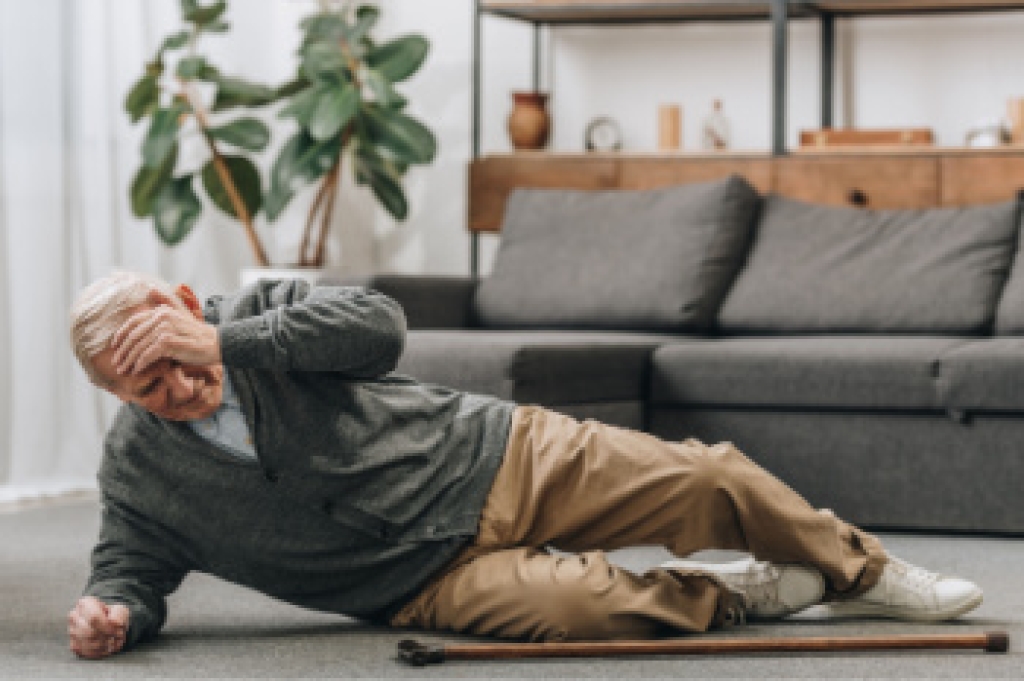
Foot pain is a significant factor contributing to falls in seniors. Research indicates a link between severe foot pain and a higher incidence of recurrent falls in older adults. Conditions like arthritis, plantar fasciitis, bunions, and flat feet can cause pain that affects balance and gait. Flat feet, in particular, can lead to altered foot mechanics, increasing the risk of falling. A podiatrist can be instrumental in preventing falls by addressing these issues through regular foot examinations. This foot doctor can diagnose and treat foot conditions, as well as recommend supportive footwear and prescribe orthotic inserts. They can also provide pain management strategies and suggest personalized strength training and foot exercise programs that improve stability and mobility. If you are 65 years of age or older and have fallen in the last year as a result of foot pain, it is suggested that you schedule an appointment with a podiatrist for an exam and suggested fall prevention measures.

Preventing falls among the elderly is very important. If you are older and have fallen or fear that you are prone to falling, consult with one of our podiatrists from David A. Scalzo, DPM, PC and Associates. Our doctors will assess your condition and provide you with quality advice and care.

Every 11 seconds, an elderly American is being treated in an emergency room for a fall related injury. Falls are the leading cause of head and hip injuries for those 65 and older. Due to decreases in strength, balance, senses, and lack of awareness, elderly persons are very susceptible to falling. Thankfully, there are a number of things older persons can do to prevent falls.

How to Prevent Falls

Some effective methods that older persons can do to prevent falls include:

  • Enrolling in strength and balance exercise program to increase balance and strength
  • Periodically having your sight and hearing checked
  • Discuss any medications you have with a doctor to see if it increases the risk of falling
  • Clearing the house of falling hazards and installing devices like grab bars and railings
  • Utilizing a walker or cane
  • Wearing shoes that provide good support and cushioning
  • Talking to family members about falling and increasing awareness

Falling can be a traumatic and embarrassing experience for elderly persons; this can make them less willing to leave the house, and less willing to talk to someone about their fears of falling. Doing such things, however, will increase the likelihood of tripping or losing one’s balance. Knowing the causes of falling and how to prevent them is the best way to mitigate the risk of serious injury.  

If you have any questions, please feel free to contact our offices located in Duryea and Bangor, PA . We offer the newest diagnostic and treatment technologies for all your foot care needs.

Read more about Falls Prevention

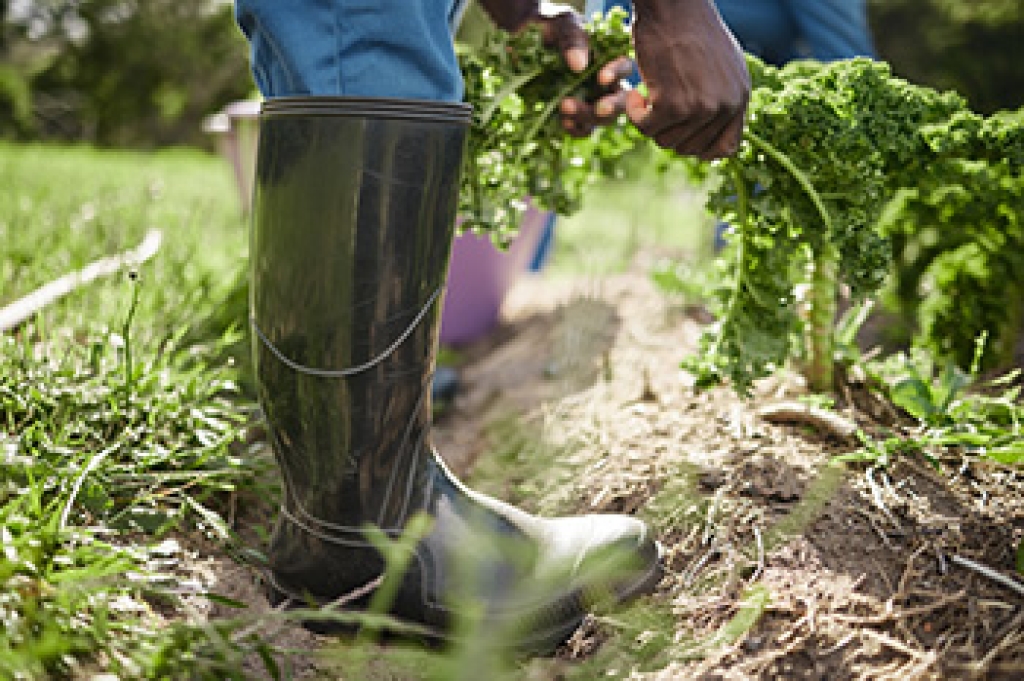
Wearing the Right Shoes While Landscaping

Wearing the right shoes while landscaping is essential for both safety and comfort. Proper footwear provides the necessary support and protection for your feet during strenuous outdoor activities. Landscaping often involves uneven terrain, sharp tools, and heavy lifting, making sturdy shoes with good traction vital to prevent slips and falls. Shoes with reinforced toes and durable materials protect against injuries from tools or debris. Additionally, supportive shoes help reduce fatigue and prevent foot and ankle strain, enabling you to work longer and more efficiently. Good arch support and cushioning also contribute to overall foot health, reducing the risk of chronic conditions like plantar fasciitis. Investing in high-quality, appropriate footwear ensures that you can tackle landscaping tasks safely and comfortably. If you have injured your foot from wearing the wrong shoes while landscaping, it is suggested that you speak to a podiatrist who can treat the condition and discuss what type of shoes are needed while landscaping.

While working on the feet, it is important to take the proper care of them. For more information about working on your feet, contact one of our podiatrists from David A. Scalzo, DPM, PC and Associates. Our doctors will treat your foot and ankle needs.

Working on Your Feet

Standing on your feet for long periods of time can cause stress and pain in your feet. Your whole body may experience change in terms of posture, back pain, bunions, callouses and or plantar warts. There are ways to avoid these conditions with proper foot care, smart choices and correct posture.

Positive Changes

Negative heeled shoe – Choosing this shoe type places the heel slightly lower than the ball of the foot. These are great for overall foot health. Find shoes that fit you correctly.

Go barefoot – Our feet were not designed to be enclosed for all hours of the day. Try to periodically expose your feet to air.

Eliminate Pain

Foot Exercises – Performing simple exercises, incorporating yoga and doing stretches are beneficial. This will allow increased blood flow to the area and muscles of the foot.

Achilles tendon – Stretching the foot out flat on the floor will relax the calf muscles and tendon. These exercises can be performed almost anywhere. Make sure you add these exercises to your daily regimen. 

With a little bit of this information and knowing more about foot health, you will notice changes. Foot stretches and proper footwear will help with pain and prevent further issues.

If you have any questions please contact our offices located in Duryea and Bangor, PA . We offer the newest diagnostic and treatment technologies for all your foot and ankle needs.
Read more about Working on Your Feet

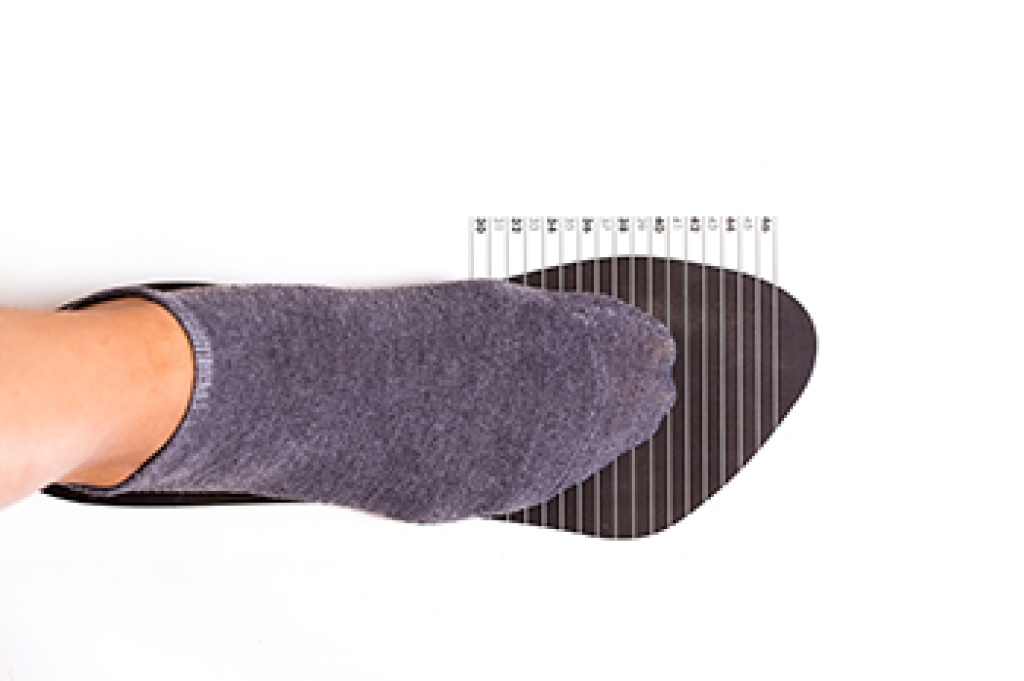
Well-Fitting Shoes

Finding the right shoe size is important for maintaining foot health and overall comfort. Wearing shoes that are too tight or loose can lead to a variety of foot problems, including blisters, calluses, bunions, and even long-term issues like hammertoes and plantar fasciitis. Properly fitting shoes provide the necessary support and cushioning to prevent these conditions and promote healthy foot mechanics. To find the right shoe size, measure your feet at the end of the day when they are at their largest. Ensure there is about a half-inch space between your longest toe and the end of the shoe. Consider the shoe's width, as shoes that are too narrow or wide can cause discomfort and foot deformities. It is also important to try on both shoes, as feet are rarely identical in size. A podiatrist can provide expert advice on the best shoe type for your foot shape and specific needs, helping you avoid common pitfalls, in addition to finding shoes that offer both comfort and support. It is suggested that you schedule an appointment with this type of medical professional for personalized advice and to address any existing foot issues.

Finding a properly-fitting shoe is important in reducing injuries and preventing foot problems. For more information about treatment, contact one of our podiatrists from David A. Scalzo, DPM, PC and Associates. Our doctors will treat your foot and ankle needs.

Proper Shoe Fitting

A common concern when it comes to foot health, having properly fitted shoes can help prevent injuries to the foot. Out feet affect our posture and gait, which in turn affects the biomechanics and overall bodily structure. With 33 joints, 26 bones, and over 100 ligaments, the potential for serious injury is much greater than one realizes. Although the feet cease growth in adulthood, they still change shape as they mature. Here are some factors to consider when it comes to investing in proper fitting shoes:

  • Be sure the shoes fit correctly right away
  • Ensure the ball of your foot fits comfortably in the widest portion of the shoes
  • Even though they may look fashionable, improper fitting shoes can either create adverse conditions or exacerbate existing ones you may already have
  • Walk along a carpeted surface to ensure the shoes comfortably fit during normal activity

Keeping in mind how shoes fit the biomechanics of your body, properly-fitting shoes are vitally important. Fortunately, it is not difficult to acquire footwear that fits correctly. Be sure to wear shoes that support the overall structure of your body. Do your feet a favor and invest in several pairs of well-fitted shoes today.

If you have any questions, please feel free to contact our offices located in Duryea and Bangor, PA . We offer the newest diagnostic and treatment technologies for all your foot care needs.

Read more about Proper Shoe Fitting

Best Exercises for Flat Feet

Flat feet can cause discomfort and impact overall mobility, and specific exercises can help strengthen the arches and alleviate symptoms. Towel scrunches are effective, and can be done by simply placing a towel on the floor, using your toes to scrunch it toward you, then release. Toe extensions involve sitting with your feet flat and lifting only your toes while keeping the rest of your foot on the ground. The stork stretch, where you balance on one foot while pulling the other foot towards your buttocks, helps improve balance and strengthen the foot muscles. Using a foot roller, back and forth under your arch, massages and stretch the muscles. These exercises, when practiced regularly, can enhance arch strength, reduce pain, and improve the overall function of flat feet. Flat feet can cause discomfort while standing or walking. If you have flat feet, it is suggested that you confer with a podiatrist who can perform a comprehensive foot exam and offer relief solutions, if needed.

Flatfoot is a condition many people suffer from. If you have flat feet, contact one of our podiatrists from David A. Scalzo, DPM, PC and Associates. Our doctors will treat your foot and ankle needs.

What Are Flat Feet?

Flatfoot is a condition in which the arch of the foot is depressed and the sole of the foot is almost completely in contact with the ground. About 20-30% of the population generally has flat feet because their arches never formed during growth.

Conditions & Problems:

Having flat feet makes it difficult to run or walk because of the stress placed on the ankles.

Alignment – The general alignment of your legs can be disrupted, because the ankles move inward which can cause major discomfort.

Knees – If you have complications with your knees, flat feet can be a contributor to arthritis in that area.  

Symptoms

  • Pain around the heel or arch area
  • Trouble standing on the tip toe
  • Swelling around the inside of the ankle
  • Flat look to one or both feet
  • Having your shoes feel uneven when worn

Treatment

If you are experiencing pain and stress on the foot you may weaken the posterior tibial tendon, which runs around the inside of the ankle. 

If you have any questions, please feel free to contact our offices located in Duryea and Bangor, PA . We offer the newest diagnostic and treatment technologies for all your foot care needs.

Read more about Flatfoot

Let the Expert Treat Your Ingrown Toenails

Ingrown toenails can be painful and can make wearing shoes or walking uncomfortable. Seek professional help if you believe you've developed an ingrown toenail and be treated safely. 

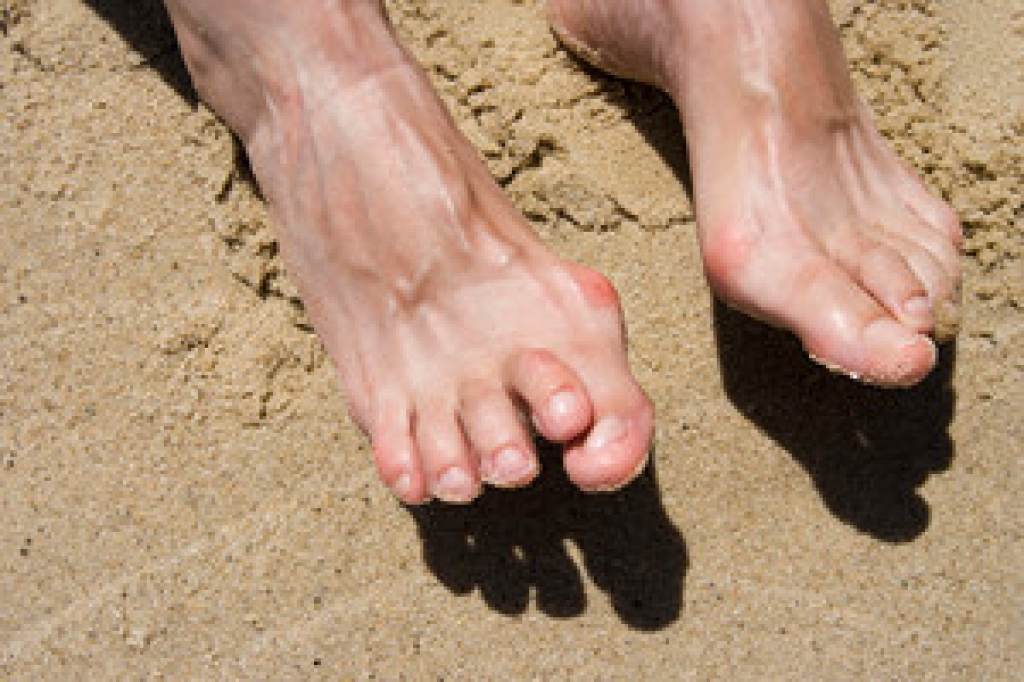
Identifying Hammertoe and Its Causes

Hammertoe is a foot deformity where one or more of the smaller toes bend abnormally at the middle joint, resembling a hammer. This condition often results from an imbalance in the muscles, tendons, or ligaments that normally keep the toe straight. Common causes can include wearing ill-fitting shoes, especially those that are too tight or have high heels, which force the toe into a bent position. Other contributing factors include genetic predisposition, arthritis, and trauma to the toe. Symptoms of hammertoe include pain or irritation on the affected toe, especially when wearing shoes, as well as corns or calluses forming on the top of the joint due to friction. The affected toe may also become red, swollen, or stiff. Early detection is essential for effective treatment, which may involve changing footwear, using orthotic devices, and performing toe exercises. If you have developed a hammertoe, it is suggested that you consult a podiatrist who can offer you effective treatment options, which may include surgery for severe cases that can relieve pain and correct the deformity.

Hammertoes can be a painful condition to live with. For more information, contact one of our podiatrists of David A. Scalzo, DPM, PC and Associates. Our doctors will answer any of your foot- and ankle-related questions.

Hammertoe

Hammertoe is a foot deformity that occurs due to an imbalance in the muscles, tendons, or ligaments that normally hold the toe straight. It can be caused by the type of shoes you wear, your foot structure, trauma, and certain disease processes.

Symptoms

  • Painful and/or difficult toe movement
  • Swelling
  • Joint stiffness
  • Calluses/Corns
  • Physical deformity

Risk Factors

  • Age – The risk of hammertoe increases with age
  • Sex – Women are more likely to have hammertoe compared to men
  • Toe Length – You are more likely to develop hammertoe if your second toe is longer than your big toe
  • Certain Diseases – Arthritis and diabetes may make you more likely to develop hammertoe

Treatment

If you have hammertoe, you should change into a more comfortable shoe that provides enough room for your toes. Exercises such as picking up marbles may strengthen and stretch your toe muscles. Nevertheless, it is important to seek assistance from a podiatrist in order to determine the severity of your hammertoe and see which treatment option will work best for you.

If you have any questions, please feel free to contact our offices located in Duryea and Bangor, PA . We offer the newest diagnostic and treatment technologies for all your foot care needs.

Read more about What Are Hammertoes?

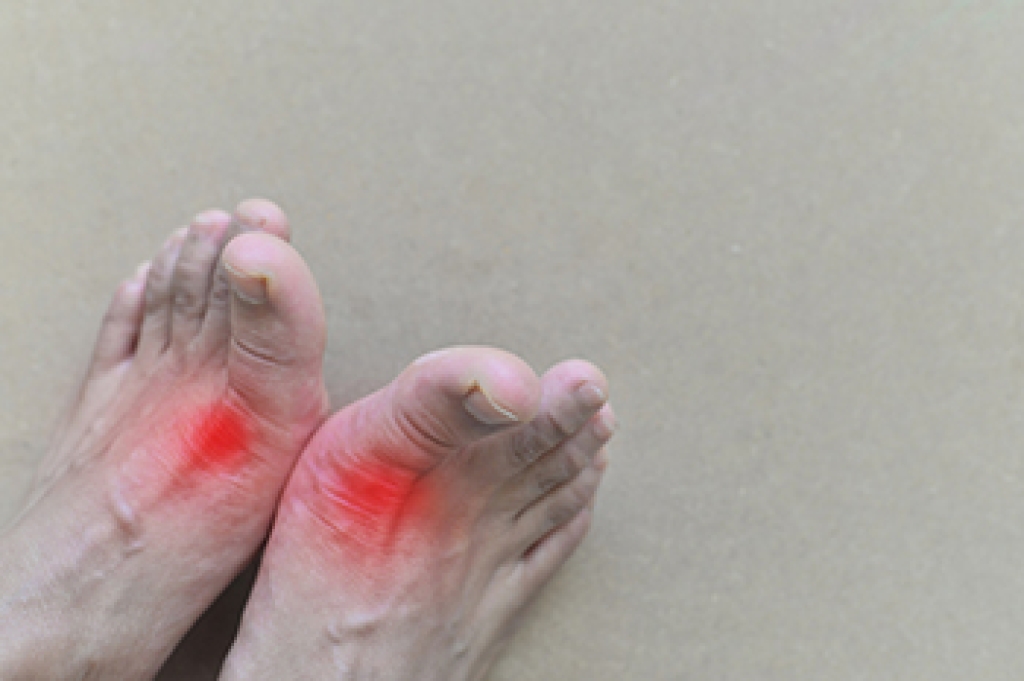
Understanding Different Types of Gout

Gout, a form of arthritis, arises from a buildup of uric acid in the bloodstream, causing sharp crystals to form in the joints. It primarily affects the big toe but can also occur in other joints, like the ankle or knee. The uric acid buildup may happen due to certain dietary factors, such as consuming foods like red meat, seafood, and alcohol. Genetics and underlying health conditions such as obesity, high blood pressure, and kidney problems can also increase the risk of developing gout. Gout can present in various forms, including acute attacks, causing sudden and intense pain in the joints. Chronic gout involves recurrent episodes of pain and swelling, which may lead to joint damage over time if not treated properly. Another form, called tophaceous gout, occurs when urate crystals accumulate under the skin, forming lumps or nodules known as tophi. Symptoms of gout typically include severe joint pain, swelling, redness, and warmth in the affected area. If you struggle with gout or any symptoms that may result in gout, it is strongly suggested that you visit a podiatrist to receive proper care and treatment.

Gout is a painful condition that can be treated. If you are seeking treatment, contact one of our podiatrists from David A. Scalzo, DPM, PC and Associates. Our doctors will treat your foot and ankle needs.

What Is Gout?

Gout is a form of arthritis that is characterized by sudden, severe attacks of pain, redness, and tenderness in the joints. The condition usually affects the joint at the base of the big toe. A gout attack can occur at any random time, such as the middle of the night while you are asleep.

Symptoms

  • Intense Joint Pain - Usually around the large joint of your big toe, and it most severe within the first four to twelve hours
  • Lingering Discomfort - Joint discomfort may last from a few days to a few weeks
  • Inflammation and Redness -Affected joints may become swollen, tender, warm and red
  • Limited Range of Motion - May experience a decrease in joint mobility

Risk Factors

  • Genetics - If family members have gout, you’re more likely to have it
  • Medications - Diuretic medications can raise uric acid levels
  • Gender/Age - Gout is more common in men until the age of 60. It is believed that estrogen protects women until that point
  • Diet - Eating red meat and shellfish increases your risk
  • Alcohol - Having more than two alcoholic drinks per day increases your risk
  • Obesity - Obese people are at a higher risk for gout

Prior to visiting your podiatrist to receive treatment for gout, there are a few things you should do beforehand. If you have gout you should write down your symptoms--including when they started and how often you experience them, important medical information you may have, and any questions you may have. Writing down these three things will help your podiatrist in assessing your specific situation so that he or she may provide the best route of treatment for you.

If you have any questions, please feel free to contact our offices located in Duryea and Bangor, PA . We offer the newest diagnostic and treatment technologies for all your foot care needs.

Read more about Gout

Connect With Us