
Painful deformities, such as hammertoes, can be treated. Stop living with foot pain, and have beautiful feet again!
Painful deformities, such as hammertoes, can be treated. Stop living with foot pain, and have beautiful feet again!
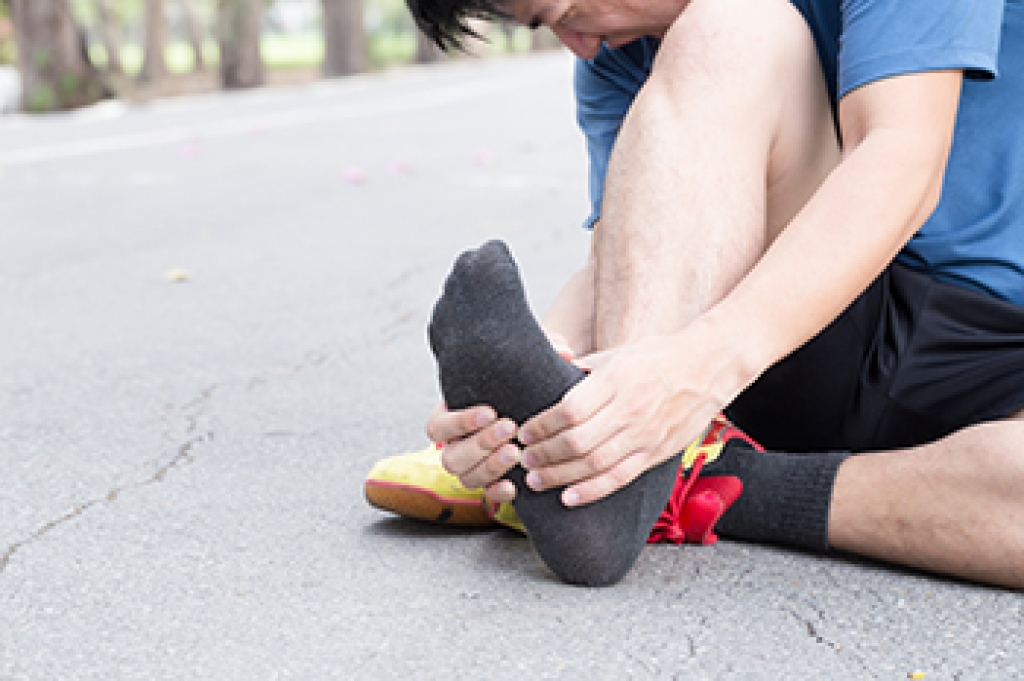
Plantar fasciitis is an inflammation of the thick band of tissue that runs from the toes to the heel under the foot. Known as the plantar fascia, this tissue is more likely to become damaged if you are middle-aged, overweight, or have a job that requires you to be on your feet for long periods. Plantar fasciitis is the most common cause of heel pain. It occurs mainly from overuse and is especially common among runners and other athletes that continually pound their feet on hard surfaces. Many people can reduce or even eliminate the effects of plantar fasciitis by resting, icing, and massaging the feet for 20 minutes a day. Other tips include wearing shoes with ample cushioning in the heel and arch support. A number of simple exercises can prove helpful in reducing the pain from plantar fasciitis. If these simple measures don’t work, please consult a podiatrist for a diagnosis and options for more advanced treatment.
Plantar fasciitis is a common foot condition that is often caused by a strain injury. If you are experiencing heel pain or symptoms of plantar fasciitis, contact one of our podiatrists from David A. Scalzo, DPM, PC and Associates. Our doctors can provide the care you need to keep you pain-free and on your feet.
What Is Plantar Fasciitis?
Plantar fasciitis is one of the most common causes of heel pain. The plantar fascia is a ligament that connects your heel to the front of your foot. When this ligament becomes inflamed, plantar fasciitis is the result. If you have plantar fasciitis you will have a stabbing pain that usually occurs with your first steps in the morning. As the day progresses and you walk around more, this pain will start to disappear, but it will return after long periods of standing or sitting.
What Causes Plantar Fasciitis?
There are some risk factors that may make you more likely to develop plantar fasciitis compared to others. The condition most commonly affects adults between the ages of 40 and 60. It also tends to affect people who are obese because the extra pounds result in extra stress being placed on the plantar fascia.
Prevention
There are a variety of treatment options available for plantar fasciitis along with the pain that accompanies it. Additionally, physical therapy is a very important component in the treatment process. It is important that you meet with your podiatrist to determine which treatment option is best for you.
If you have any questions, please feel free to contact our offices located in Duryea and Bangor, PA . We offer the newest diagnostic and treatment technologies for all your foot care needs.
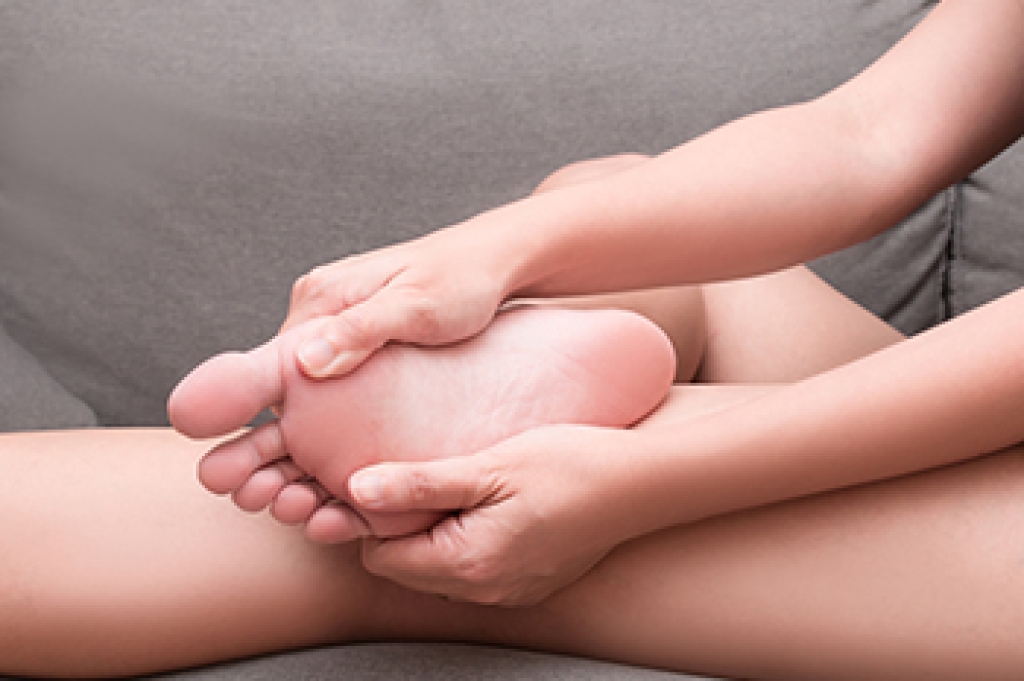
Sesamoiditis is a foot condition that you might have heard of. It can occur in an individual when the two small sesamoid bones in the ball of the foot become inflamed. Interestingly, these two bones do not directly connect to any other bones. Rather, the sesamoid bones connect to tendons and muscles. When an individual has sesamoiditis, they may feel any number of symptoms. Most commonly, a patient might feel some kind of pain in the forefoot. This pain may be especially pronounced when putting weight on the feet. Additionally, a patient with sesamoiditis may unintentionally shift the weight of their body to the outside of their feet to avoid putting weight on the sesamoids when walking. These are just some of the many different symptoms that patients with sesamoiditis might demonstrate. Contact your podiatrist today for more information.
Sesamoiditis is an unpleasant foot condition characterized by pain in the balls of the feet. If you think you’re struggling with sesamoiditis, contact one of our podiatrists of David A. Scalzo, DPM, PC and Associates. Our doctors will treat your condition thoroughly and effectively.
Sesamoiditis
Sesamoiditis is a condition of the foot that affects the ball of the foot. It is more common in younger people than it is in older people. It can also occur with people who have begun a new exercise program, since their bodies are adjusting to the new physical regimen. Pain may also be caused by the inflammation of tendons surrounding the bones. It is important to seek treatment in its early stages because if you ignore the pain, this condition can lead to more serious problems such as severe irritation and bone fractures.
Causes of Sesamoiditis
Treatment for sesamoiditis is non-invasive and simple. Doctors may recommend a strict rest period where the patient forgoes most physical activity. This will help give the patient time to heal their feet through limited activity. For serious cases, it is best to speak with your doctor to determine a treatment option that will help your specific needs.
If you have any questions, please feel free to contact our offices located in Duryea and Bangor, PA . We offer the newest diagnostic and treatment technologies for all your foot care needs.
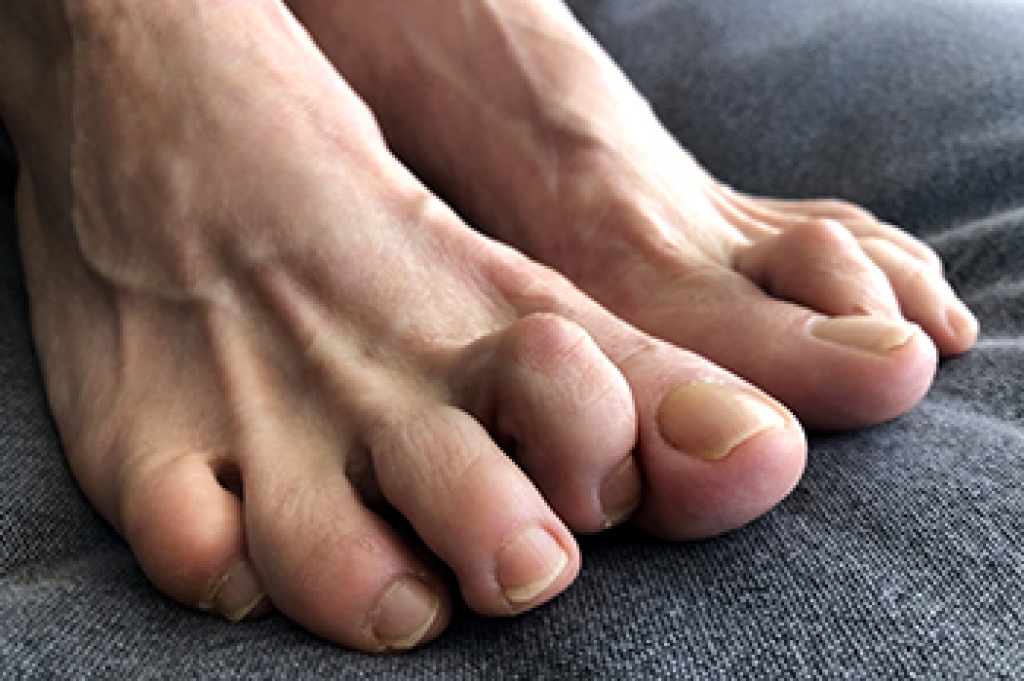
A hammertoe is a deformity that affects the first joint of the 2nd, 3rd, or 4th toe, medically known as the proximal interphalangeal joint. This joint forms a peak rather than lying flat, and is generally believed to be caused by a muscle imbalance from wearing ill-fitting shoes. A weakened muscle can put pressure on a tendon, resulting in a lifting of the joint. The top of the joint then rubs against the inside of the shoe, causing pain. In some cases, only surgery can correct a hammertoe. Among the surgical options available are tendon transfer, joint resection, and fusion. During a tendon transfer, a nearby tendon is pulled across the joint, causing it to become straighter. This is used with a flexible hammertoe, one that still can be pushed flat manually. Joint resection involves cutting tendons and ligaments in a fixed hammertoe to straighten the joint and removing a portion of the bone. Pins may be put in place to keep the joint stable for a few weeks and then removed. Fusion calls for removing part of the joint to let the bones grow together. If you have a painful hammertoe, it is a good idea to consult a podiatrist for an examination and treatment options.
Hammertoe
Hammertoes can be a painful condition to live with. For more information, contact one of our podiatrists from David A. Scalzo, DPM, PC and Associates. Our doctors will answer any of your foot- and ankle-related questions.
Hammertoe is a foot deformity that affects the joints of the second, third, fourth, or fifth toes of your feet. It is a painful foot condition in which these toes curl and arch up, which can often lead to pain when wearing footwear.
Symptoms
Causes
Genetics – People who are genetically predisposed to hammertoe are often more susceptible
Arthritis – Because arthritis affects the joints in your toes, further deformities stemming from arthritis can occur
Trauma – Direct trauma to the toes could potentially lead to hammertoe
Ill-fitting shoes – Undue pressure on the front of the toes from ill-fitting shoes can potentially lead to the development of hammertoe
Treatment
Orthotics – Custom made inserts can be used to help relieve pressure placed on the toes and therefore relieve some of the pain associated with it
Medications – Oral medications such as anti-inflammatories or NSAIDs could be used to treat the pain and inflammation hammertoes causes. Injections of corticosteroids are also sometimes used
Surgery – In more severe cases where the hammertoes have become more rigid, foot surgery is a potential option
If you have any questions, please feel free to contact our offices located in Duryea and Bangor, PA . We offer the newest diagnostic and treatment technologies for all your foot care needs.

Jumping rope is an excellent cardiovascular exercise. It helps with endurance and agility, and can even strengthen the calves and supporting muscles. Despite these benefits, some people who jump rope complain of having foot pain when jumping. Reasons for this might include the arches of the feet having dropped from the feet not supporting weight properly. If shoes are worn while jumping, they might be ill-fitting, or the insoles might need to include additional arch support. If shoes are not worn, it might help to wear them, again paying attention to having supportive insoles. A condition known as plantar fasciitis, inflammation of the arch-supporting ligaments that extend from the heel to the back of the foot, might have developed and pain might be felt in the heel area. Making sure to rest and stretch between workouts is important. Paying attention to good form through weight and balance distribution will help. If you jump rope for fun or exercise and you are experiencing foot pain, see a podiatrist today.
Sports related foot and ankle injuries require proper treatment before players can go back to their regular routines. For more information, contact one of our podiatrists of David A. Scalzo, DPM, PC and Associates. Our doctors can provide the care you need to keep you pain-free and on your feet.
Sports Related Foot and Ankle Injuries
Foot and ankle injuries are a common occurrence when it comes to athletes of any sport. While many athletes dismiss the initial aches and pains, the truth is that ignoring potential foot and ankle injuries can lead to serious problems. As athletes continue to place pressure and strain the area further, a mild injury can turn into something as serious as a rupture and may lead to a permanent disability. There are many factors that contribute to sports related foot and ankle injuries, which include failure to warm up properly, not providing support or wearing bad footwear. Common injuries and conditions athletes face, including:
Sports related injuries are commonly treated using the RICE method. This includes rest, applying ice to the injured area, compression and elevating the ankle. More serious sprains and injuries may require surgery, which could include arthroscopic and reconstructive surgery. Rehabilitation and therapy may also be required in order to get any recovering athlete to become fully functional again. Any unusual aches and pains an athlete sustains must be evaluated by a licensed, reputable medical professional.
If you have any questions please contact our offices located in Duryea and Bangor, PA . We offer the newest diagnostic and treatment technologies for all your foot and ankle needs.
Connect With Us
