Causes of Foot and Ankle Injuries While Surfing

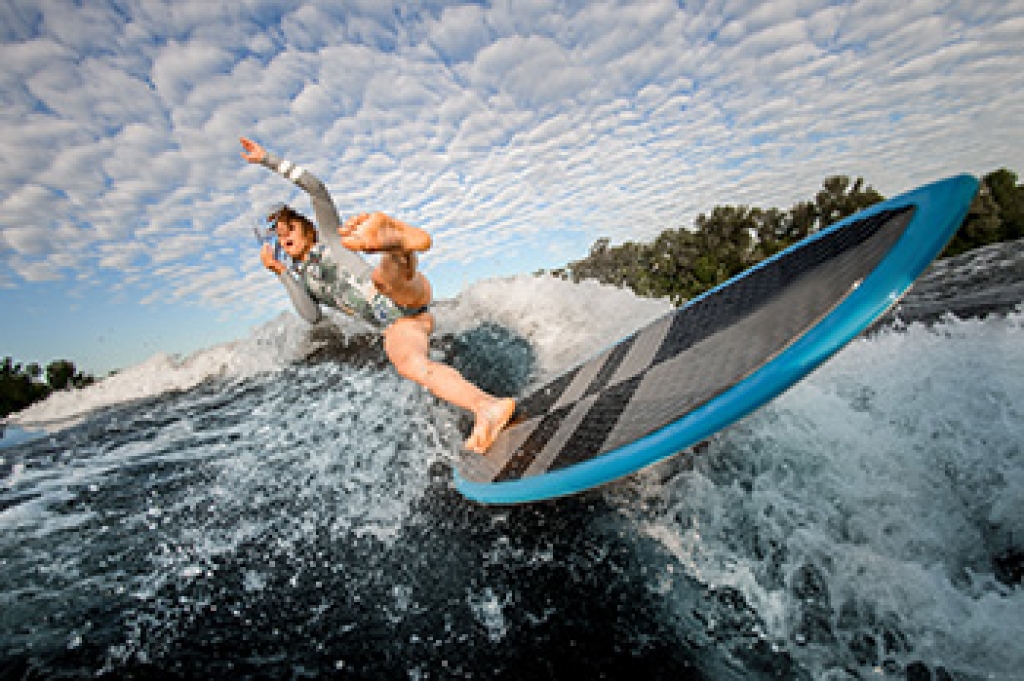
Surfing, a thrilling sport, can lead to foot and ankle injuries due to various factors. A common cause is improper technique, such as awkward landings or falls while maneuvering on the board. Another factor is overuse, as repetitive motions can strain muscles and tendons in the feet and ankles. Uneven surfaces and impact with the board or ocean floor can also contribute to injuries like sprains, strains, or even fractures. To prevent these injuries, surfers should focus on building strength and flexibility through targeted exercises for the ankles and feet. Practicing proper surfing techniques and gradually increasing wave difficulty can also reduce the risk of foot injury. Wearing supportive footwear and using ankle braces or taping for added stability are additional measures to protect against twists or strains. If you have sustained a foot or ankle injury while surfing, it is suggested you consult a podiatrist who can offer treatment options.

Sports related foot and ankle injuries require proper treatment before players can go back to their regular routines. For more information, contact one of our podiatrists of David A. Scalzo, DPM, PC and Associates. Our doctors can provide the care you need to keep you pain-free and on your feet.

Sports Related Foot and Ankle Injuries

Foot and ankle injuries are a common occurrence when it comes to athletes of any sport. While many athletes dismiss the initial aches and pains, the truth is that ignoring potential foot and ankle injuries can lead to serious problems. As athletes continue to place pressure and strain the area further, a mild injury can turn into something as serious as a rupture and may lead to a permanent disability. There are many factors that contribute to sports related foot and ankle injuries, which include failure to warm up properly, not providing support or wearing bad footwear. Common injuries and conditions athletes face, including:

  • Plantar Fasciitis
  • Achilles Tendinitis
  • Achilles Tendon Rupture
  • Ankle Sprains

Sports related injuries are commonly treated using the RICE method. This includes rest, applying ice to the injured area, compression and elevating the ankle. More serious sprains and injuries may require surgery, which could include arthroscopic and reconstructive surgery. Rehabilitation and therapy may also be required in order to get any recovering athlete to become fully functional again. Any unusual aches and pains an athlete sustains must be evaluated by a licensed, reputable medical professional.

If you have any questions please contact our offices located in Duryea and Bangor, PA . We offer the newest diagnostic and treatment technologies for all your foot and ankle needs.

Read more about Sports Related Foot And Ankle Injuries

Common Causes of Cracked Heels

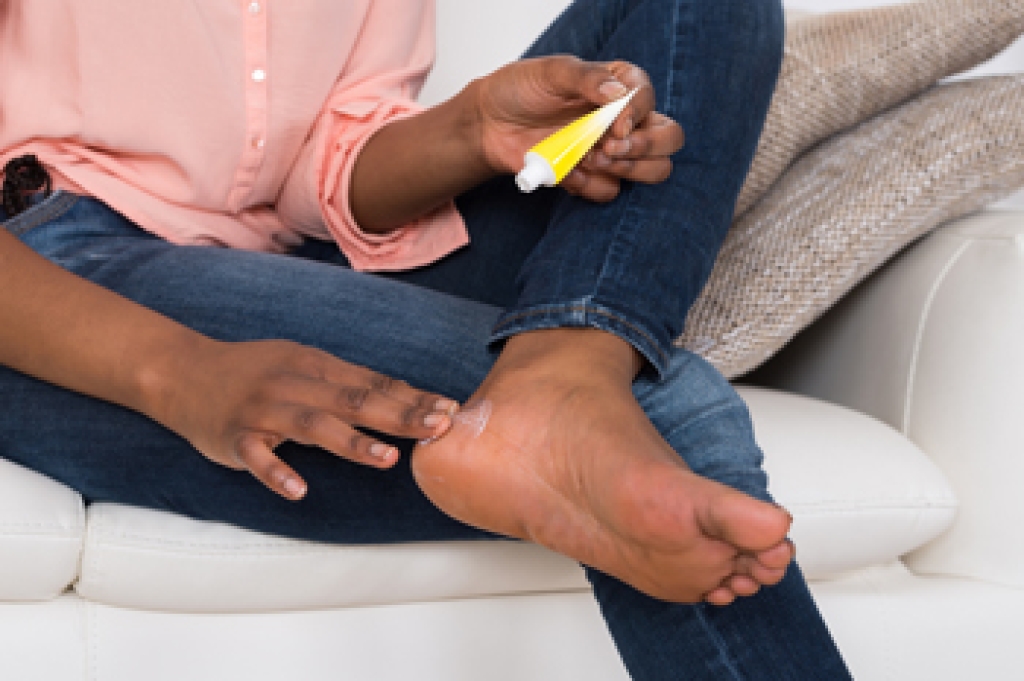
Cracked heels, also known as heel fissures, occur when the skin on the bottom of the heel becomes dry, hard, and thickened, sometimes forming painful splits. Common causes of cracked heels can include prolonged standing, wearing open-heeled footwear, and skin conditions like eczema or psoriasis. Surprisingly, athlete’s foot, which is a fungal infection, is another frequent cause, leading to dry, itchy, and fissured skin on the heels. If moisturizers and antifungal treatments do not resolve the issue, it could be indicative of an underlying health problem such as hypothyroidism, diabetes, or even bone spurs. A podiatrist can provide a thorough examination to diagnose the root cause of problematic cracked heels. If you have cracked heels or fissures, it is suggested that you schedule an appointment with this type of doctor for an exam and treatment solutions.

Cracked heels are unsightly and can cause further damage to your shoes and feet. If you have any concerns, contact one of our podiatrists from David A. Scalzo, DPM, PC and Associates. Our doctors can provide the care you need to keep you pain-free and on your feet.

Cracked Heels

Cracked heels appear unappealing and can make it harder for you walk around in sandals. Aside from looking unpleasant, cracked heels can also tear stockings, socks, and wear out your shoes. There are several methods to help restore a cracked heel and prevent further damage.

How Do You Get Them?

Dry skin is the number one culprit in creating cracked heels. Many athletes, walkers, joggers, and even swimmers suffer from cracked heels. Age and skin oil production play a role to getting cracked heels as well.

Promote Healing

Over the counter medicines can help, especially for those that need instant relief or who suffer from chronic dry feet.

Wear Socks – Wearing socks with medicated creams helps lock in moisture.

Moisturizers – Applying both day and night will help alleviate dryness which causes cracking.

Pumice Stones – These exfoliate and remove dead skin, which allows for smoother moisturizer application and better absorption into the skin. 

Change in Diet

Eating healthy with a well-balanced diet will give the skin a fresh and radiant look. Your body responds to the kinds of food you ingest. Omega-3 fatty acids and zinc supplements can also revitalize skin tissue.

Most importantly, seek professional help if unsure how to proceed in treating cracked heels. A podiatrist will help you with any questions or information needed. 

If you have any questions, please feel free to contact our offices located in Duryea and Bangor, PA . We offer the newest diagnostic and treatment technologies for all your foot care needs.

Read more about Solutions for Cracked Heels

Foot Pain May Be Linked to Falls in the Elderly

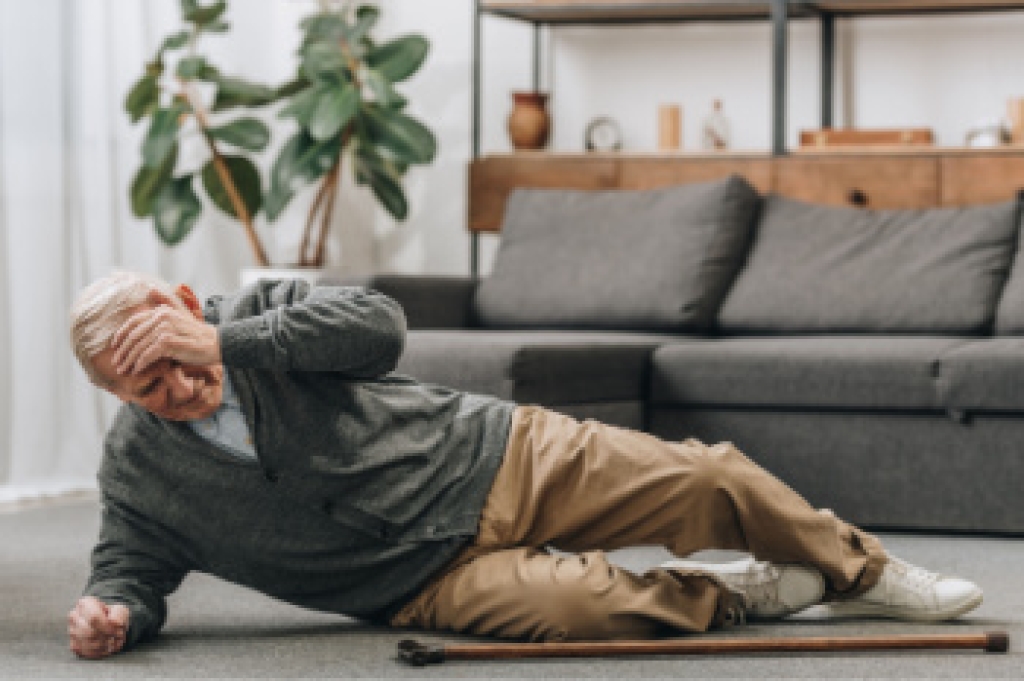
Foot pain is a significant factor contributing to falls in seniors. Research indicates a link between severe foot pain and a higher incidence of recurrent falls in older adults. Conditions like arthritis, plantar fasciitis, bunions, and flat feet can cause pain that affects balance and gait. Flat feet, in particular, can lead to altered foot mechanics, increasing the risk of falling. A podiatrist can be instrumental in preventing falls by addressing these issues through regular foot examinations. This foot doctor can diagnose and treat foot conditions, as well as recommend supportive footwear and prescribe orthotic inserts. They can also provide pain management strategies and suggest personalized strength training and foot exercise programs that improve stability and mobility. If you are 65 years of age or older and have fallen in the last year as a result of foot pain, it is suggested that you schedule an appointment with a podiatrist for an exam and suggested fall prevention measures.

Preventing falls among the elderly is very important. If you are older and have fallen or fear that you are prone to falling, consult with one of our podiatrists from David A. Scalzo, DPM, PC and Associates. Our doctors will assess your condition and provide you with quality advice and care.

Every 11 seconds, an elderly American is being treated in an emergency room for a fall related injury. Falls are the leading cause of head and hip injuries for those 65 and older. Due to decreases in strength, balance, senses, and lack of awareness, elderly persons are very susceptible to falling. Thankfully, there are a number of things older persons can do to prevent falls.

How to Prevent Falls

Some effective methods that older persons can do to prevent falls include:

  • Enrolling in strength and balance exercise program to increase balance and strength
  • Periodically having your sight and hearing checked
  • Discuss any medications you have with a doctor to see if it increases the risk of falling
  • Clearing the house of falling hazards and installing devices like grab bars and railings
  • Utilizing a walker or cane
  • Wearing shoes that provide good support and cushioning
  • Talking to family members about falling and increasing awareness

Falling can be a traumatic and embarrassing experience for elderly persons; this can make them less willing to leave the house, and less willing to talk to someone about their fears of falling. Doing such things, however, will increase the likelihood of tripping or losing one’s balance. Knowing the causes of falling and how to prevent them is the best way to mitigate the risk of serious injury.  

If you have any questions, please feel free to contact our offices located in Duryea and Bangor, PA . We offer the newest diagnostic and treatment technologies for all your foot care needs.

Read more about Falls Prevention

Wearing the Right Shoes While Landscaping

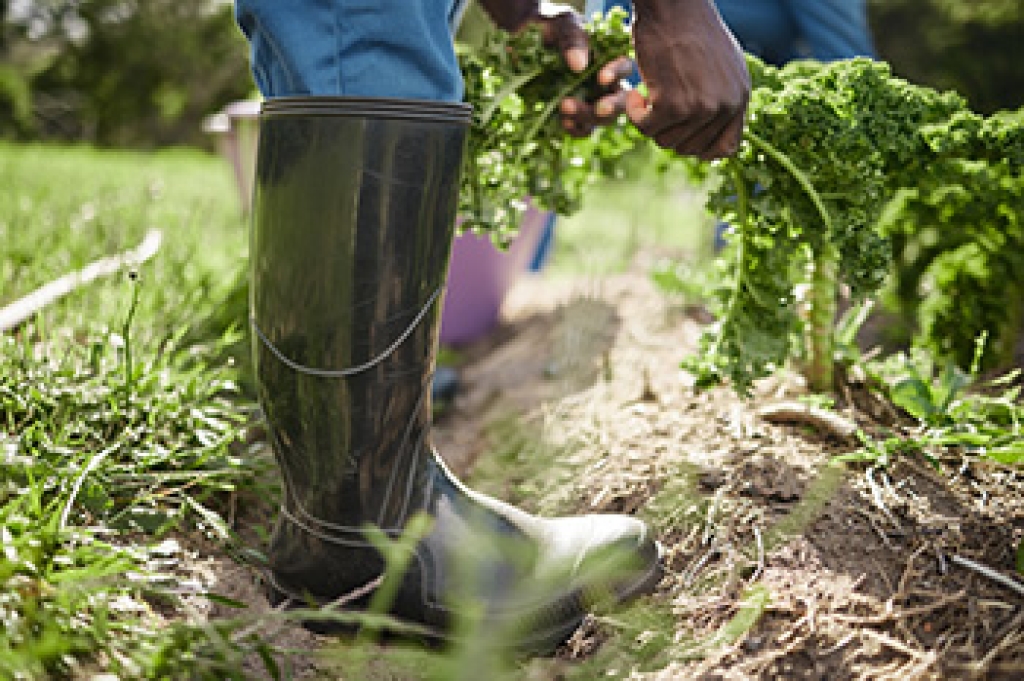
Wearing the right shoes while landscaping is essential for both safety and comfort. Proper footwear provides the necessary support and protection for your feet during strenuous outdoor activities. Landscaping often involves uneven terrain, sharp tools, and heavy lifting, making sturdy shoes with good traction vital to prevent slips and falls. Shoes with reinforced toes and durable materials protect against injuries from tools or debris. Additionally, supportive shoes help reduce fatigue and prevent foot and ankle strain, enabling you to work longer and more efficiently. Good arch support and cushioning also contribute to overall foot health, reducing the risk of chronic conditions like plantar fasciitis. Investing in high-quality, appropriate footwear ensures that you can tackle landscaping tasks safely and comfortably. If you have injured your foot from wearing the wrong shoes while landscaping, it is suggested that you speak to a podiatrist who can treat the condition and discuss what type of shoes are needed while landscaping.

While working on the feet, it is important to take the proper care of them. For more information about working on your feet, contact one of our podiatrists from David A. Scalzo, DPM, PC and Associates. Our doctors will treat your foot and ankle needs.

Working on Your Feet

Standing on your feet for long periods of time can cause stress and pain in your feet. Your whole body may experience change in terms of posture, back pain, bunions, callouses and or plantar warts. There are ways to avoid these conditions with proper foot care, smart choices and correct posture.

Positive Changes

Negative heeled shoe – Choosing this shoe type places the heel slightly lower than the ball of the foot. These are great for overall foot health. Find shoes that fit you correctly.

Go barefoot – Our feet were not designed to be enclosed for all hours of the day. Try to periodically expose your feet to air.

Eliminate Pain

Foot Exercises – Performing simple exercises, incorporating yoga and doing stretches are beneficial. This will allow increased blood flow to the area and muscles of the foot.

Achilles tendon – Stretching the foot out flat on the floor will relax the calf muscles and tendon. These exercises can be performed almost anywhere. Make sure you add these exercises to your daily regimen. 

With a little bit of this information and knowing more about foot health, you will notice changes. Foot stretches and proper footwear will help with pain and prevent further issues.

If you have any questions please contact our offices located in Duryea and Bangor, PA . We offer the newest diagnostic and treatment technologies for all your foot and ankle needs.
Read more about Working on Your Feet

Connect With Us