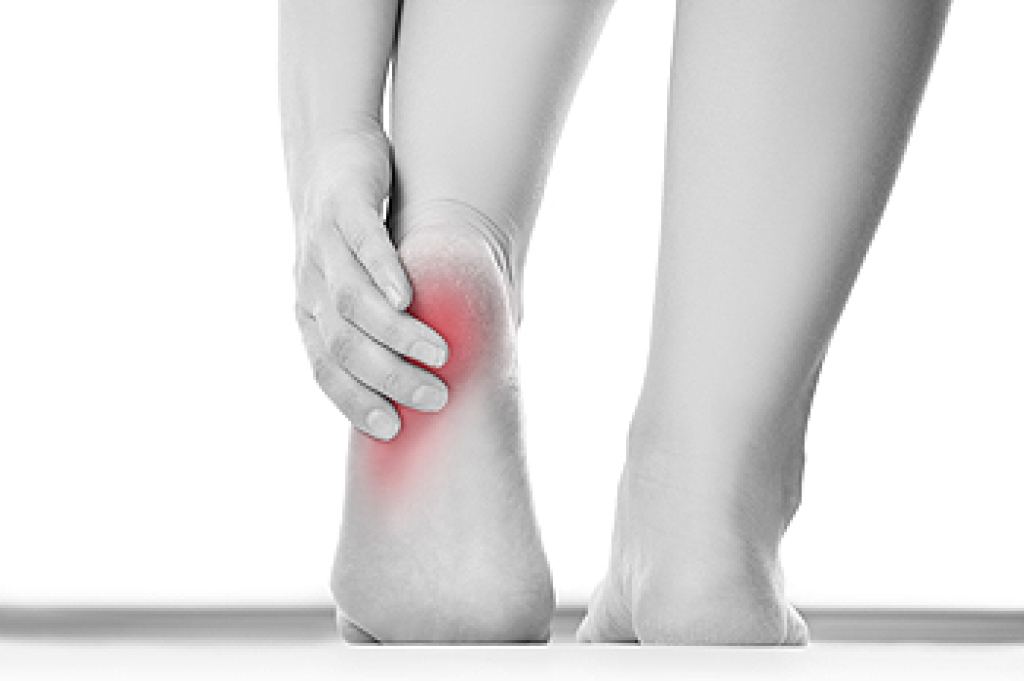
Sever’s Disease Affects the Heel

The medical condition that is known as Sever’s disease generally affects teenaged children. In active teenagers, tendons and muscles may pull on the growth plate in the heel, and this may cause severe pain and discomfort. Mild relief may be found when the activity that caused the ailment ceases and when specific stretches are frequently performed. In severe cases, it may be beneficial to use an elastic wrap on the affected foot, and this may help to reduce existing swelling. If you notice your child is limping, it is strongly recommended that you confer with a podiatrist who can properly diagnose and treat Sever’s disease.

Sever's disease often occurs in children and teens. If your child is experiencing foot or ankle pain, see one of our podiatrists from David A. Scalzo, DPM, PC and Associates. Our doctors can treat your child’s foot and ankle needs.

Sever’s Disease

Sever’s disease is also known as calcaneal apophysitis, which is a medical condition that causes heel pain I none or both feet. The disease is known to affect children between the ages of 8 and 14.

Sever’s disease occurs when part of the child’s heel known as the growth plate (calcaneal epiphysis) is attached to the Achilles tendon. This area can suffer injury when the muscles and tendons of the growing foot do not keep pace with bone growth. Therefore, the constant pain which one experiences at the back of the heel will make the child unable to put any weight on the heel. The child is then forced to walk on their toes.

Symptoms

Acute pain – Pain associated with Sever’s disease is usually felt in the heel when the child engages in physical activity such as walking, jumping and or running.

Highly active – Children who are very active are among the most susceptible in experiencing Sever’s disease, because of the stress and tension placed on their feet.

If you have any questions, please feel free to contact our offices located in Duryea and Bangor, PA . We offer the newest diagnostic and treatment technologies for all your foot care needs.


Read more about Sever's Disease

Are You Suffering From Ingrown Toenails?

If left untreated, an ingrown toenail can lead to more serious concerns, such as an infection. Knowing proper nail care can help in the prevention of an ingrown toenail. Give us a call, and get treated!

Proper Foot Care Tips for Trail Running

Because trail running challenges the feet with constant impact and shifting terrain, proper preparation is needed to keep them healthy and strong. Experts recommend wearing trail shoes that fit securely through the heel and midfoot while allowing enough room in the toe box to prevent pressure on the toenails. Moisture-wicking socks are also suggested to reduce friction and keep the skin dry, which helps prevent blisters and irritation. Many trail runners benefit from shoes with good traction and support around the arch and ankle to handle uneven ground and quick directional changes. Paying attention to how the laces are tied can improve stability on steep trails. A podiatrist can evaluate your running mechanics, provide guidance on shoe selection, and offer treatment if discomfort or injury develops. If you experience foot or ankle pain while trail running, it is suggested that you make an appointment with a podiatrist for a diagnosis and treatment.

All runners should take extra precaution when trying to avoid injury. If you have any concerns about your feet, contact one of our podiatrists of David A. Scalzo, DPM, PC and Associates. Our doctors will treat your foot and ankle needs.

How to Prevent Running Injuries

There are a lot of mistakes a runner can make prior to a workout that can induce injury. A lot of athletes tend to overstretch before running, instead of saving those workouts for a post-run routine. Deep lunges and hand-to-toe hamstring pulls should be performed after a workout instead of during a warmup. Another common mistake is jumping into an intense routine before your body is physically prepared for it. You should try to ease your way into long-distance running instead of forcing yourself to rush into it.

More Tips for Preventing Injury

  • Incorporate Strength Training into Workouts - This will help improve the body’s overall athleticism
  • Improve and Maintain Your Flexibility – Stretching everyday will help improve overall performance
  • “Warm Up” Before Running and “Cool Down” Afterward – A warm up of 5-10 minutes helps get rid of lactic acid in the muscles and prevents delayed muscle soreness
  • Cross-Training is Crucial
  • Wear Proper Running Shoes
  • Have a Formal Gait Analysis – Poor biomechanics can easily cause injury

If you have any questions, please feel free to contact our offices located in Duryea and Bangor, PA . We offer the newest diagnostic and treatment technologies for all your foot care needs.

Read more about Preventing Running Injuries

Early Signs That an Ingrown Toenail Needs Attention

An ingrown toenail often begins with subtle changes that become more uncomfortable over time. Tenderness along one side of the nail may be the first clue, especially if the skin feels sore when pressed or rubbed by a sock or shoe. Redness, swelling, and warmth can follow as the nail edge begins to press into the surrounding skin. Some people notice a feeling of pressure or a small area of firm, irritated tissue that develops near the corner of the nail. Clear or yellow drainage may appear if the skin becomes inflamed. Pain that increases while walking or wearing closed shoes is another sign the problem is progressing. Paying attention to these early changes helps prevent deeper infection and protects overall foot health. If you have persistent pain, swelling, or drainage with an ingrown toenail, it is suggested that you see a podiatrist for effective treatment solutions.

Ingrown toenails can become painful if they are not treated properly. For more information about ingrown toenails, contact one of our podiatrists of David A. Scalzo, DPM, PC and Associates. Our doctors can provide the care you need to keep you pain-free and on your feet.

Ingrown Toenails

Ingrown toenails occur when a toenail grows sideways into the bed of the nail, causing pain, swelling, and possibly infection.

Causes

  • Bacterial infections
  • Improper nail cutting such as cutting it too short or not straight across
  • Trauma to the toe, such as stubbing, which causes the nail to grow back irregularly
  • Ill-fitting shoes that bunch the toes too close together
  • Genetic predisposition

Prevention

Wearing proper fitting shoes and using proper cutting techniques will also help decrease your risk of developing ingrown toenails.

Treatment

Ingrown toenails are a very treatable foot condition. In minor cases, soaking the affected area in salt or antibacterial soaps will not only help with the ingrown nail itself, but also help prevent any infections from occurring. In more severe cases, surgery is an option. In either case, speaking to your podiatrist about this condition will help you get a better understanding of specific treatment options that are right for you.

If you have any questions, please feel free to contact our offices located in Duryea and Bangor, PA . We offer the newest diagnostic and treatment technologies for all your foot care needs.
Read more about Ingrown Toenail Care

How Tarsal Coalition Affects Children

Tarsal coalition occurs when two or more bones in a child’s foot grow together, which limits normal motion. This can cause stiffness, pain along the side or back of the foot, frequent ankle sprains, flat arches, and cramps or muscle spasms after activity. Although it is often congenital, many children begin to feel symptoms of tarsal coalition around ages eight to 15, when their bones harden and the fused area becomes less flexible. Some children may limp or have trouble walking on uneven ground because the affected foot does not move properly. Treatment depends on the severity of the condition and can involve supportive inserts, casting to rest the foot, or surgery to separate the bones and restore movement. If your child has symptoms of tarsal coalition, it is suggested that you make an appointment with a podiatrist for a diagnosis and treatment options.

Congenital foot problems require immediate attention to avoid future complications. If you have any concerns, contact one of our podiatrists of David A. Scalzo, DPM, PC and Associates. Our doctors can provide the care you need to keep you pain-free and on your feet.

Congenital foot problems are deformities affecting the feet, toes, and/or ankles that children are born with. Some of these conditions have a genetic cause while others just happen. Some specific foot ailments that children may be born with include clubfeet, polydactyly/macrodactyly, and cleft foot. There are several other foot anomalies that can occur congenitally. What all of these conditions have in common is that a child may experience difficulty walking or performing everyday activities, as well as trouble finding footwear that fits their foot deformity. Some of these conditions are more serious than others. Consulting with a podiatrist as early as possible will help in properly diagnosing a child’s foot condition while getting the necessary treatment underway.

What are Causes of Congenital Foot Problem?

A congenital foot problem is one that happens to a child at birth. These conditions can be caused by a genetic predisposition, developmental or positional abnormalities during gestation, or with no known cause.

What are Symptoms of Congenital Foot Problems?

Symptoms vary by the congenital condition. Symptoms may consist of the following:

  • Clubfoot, where tendons are shortened, bones are shaped differently, and the Achilles tendon is tight, causing the foot to point in and down. It is also possible for the soles of the feet to face each other.
  • Polydactyly, which usually consists of a nubbin or small lump of tissue without a bone, a toe that is partially formed but has no joints, or an extra toe.
  • Vertical talus, where the talus bone forms in the wrong position causing other bones in the foot to line up improperly, the front of the foot to point up, and the bottom of the foot to stiffen, with no arch, and to curve out.
  • Tarsal coalition, when there is an abnormal connection of two or more bones in the foot leading to severe, rigid flatfoot.
  • Cleft foot, where there are missing toes, a V-shaped cleft, and other anatomical differences.
  • Macrodactyly, when the toes are abnormally large due to overgrowth of the underlying bone or soft tissue.

Treatment and Prevention

While there is nothing one can do to prevent congenital foot problems, raising awareness and receiving neonatal screenings are important. Early detection by taking your child to a podiatrist leads to the best outcome possible.

If you have any questions, please feel free to contact our offices located in Duryea and Bangor, PA . We offer the newest diagnostic and treatment technologies for all your foot care needs.

Read more about Congenital Foot Problems

Connect With Us