Older Adults and Pickleball Injuries

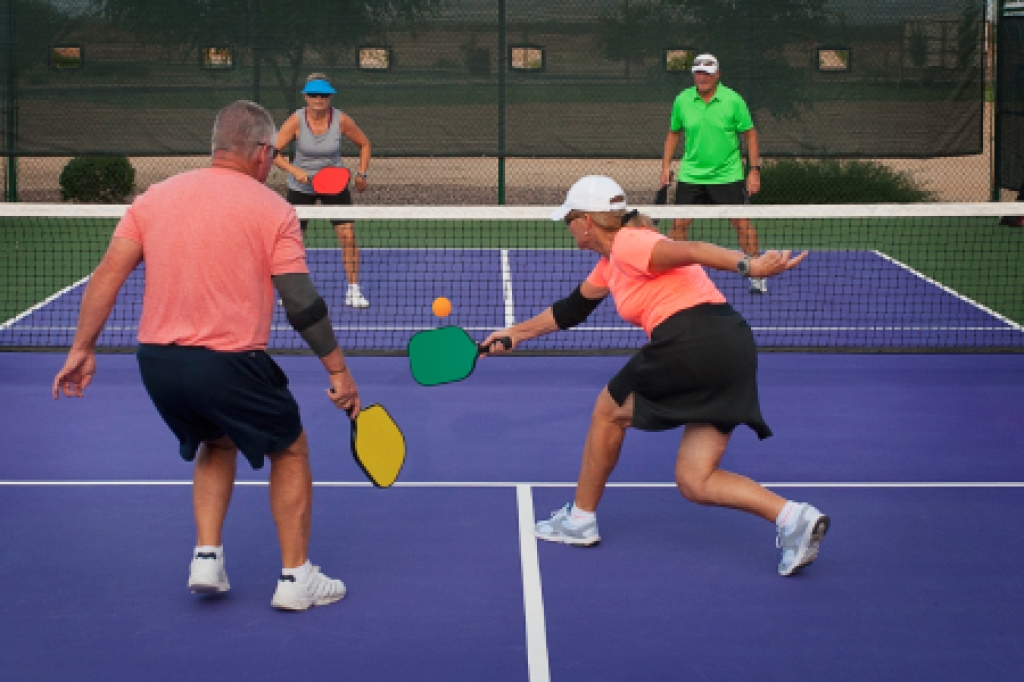
As pickleball continues to gain popularity, especially among adults over 50, so do related injuries. The fast pace and sudden directional changes of the game place stress on muscles, joints, and tendons, particularly in players who may be returning to sports after years of limited activity. Epidemiological data shows a steady increase in pickleball-related injuries, with strains and sprains being the most common. Ankles are frequently affected, often due to quick pivots or inadequate warm-up. While many injuries are mild, some may lead to chronic pain or reduced mobility if not properly addressed. Wearing supportive footwear, proper technique, and flexibility exercises can help reduce risk. If you have experienced foot or ankle discomfort or limited movement after playing pickleball, it is suggested that you see a podiatrist for a diagnosis and appropriate treatment.

Ankle and foot injuries are common among athletes and in many sports. They can be caused by several problems and may be potentially serious. If you are feeling pain or think you were injured in a sporting event or when exercising, consult with one of our podiatrists from David A. Scalzo, DPM, PC and Associates. Our doctors will assess your condition and provide you with quality foot and ankle treatment.

Common Injuries

The most common injuries that occur in sporting activities include:

  • Achilles Tendonitis
  • Achilles Tendon Rupture
  • Ankle Sprains
  • Broken Foot
  • Plantar Fasciitis
  • Stress Fractures
  • Turf Toe

Symptoms

Symptoms vary depending upon the injury and in some cases, there may be no symptoms at all. However, in most cases, some form of symptom is experienced. Pain, aching, burning, bruising, tenderness, tightness or stiffness, sensation loss, difficulty moving, and swelling are the most common symptoms.

Treatment

Just as symptoms vary depending upon the injury, so do treatment options. A common treatment method is known as the RICE method. This method involves rest, applying ice, compression and elevating the afflicted foot or ankle. If the injury appears to be more serious, surgery might be required, such as arthroscopic or reconstructive surgery. Lastly, rehabilitation or therapy might be needed to gain full functionality in the afflicted area. Any discomfort experienced by an athlete must be evaluated by a licensed, reputable medical professional.  

If you have any questions please contact our office located in Duryea, PA . We offer the newest diagnostic and treatment technologies for all your foot and ankle needs.

Read more about Sports Related Foot and Ankle Injuries

Keep Your Feet Healthy So You Can Stay Active

Have your feet inspected by a professional before starting a new sport or physical activity. Taking charge of your foot health will keep you in good physical condition and can help you avoid a potential injury, such as a fracture or sprained ankle.

Prevent injuries and see a foot specialist.

Gentle Exercises to Ease Heel Spur Pain

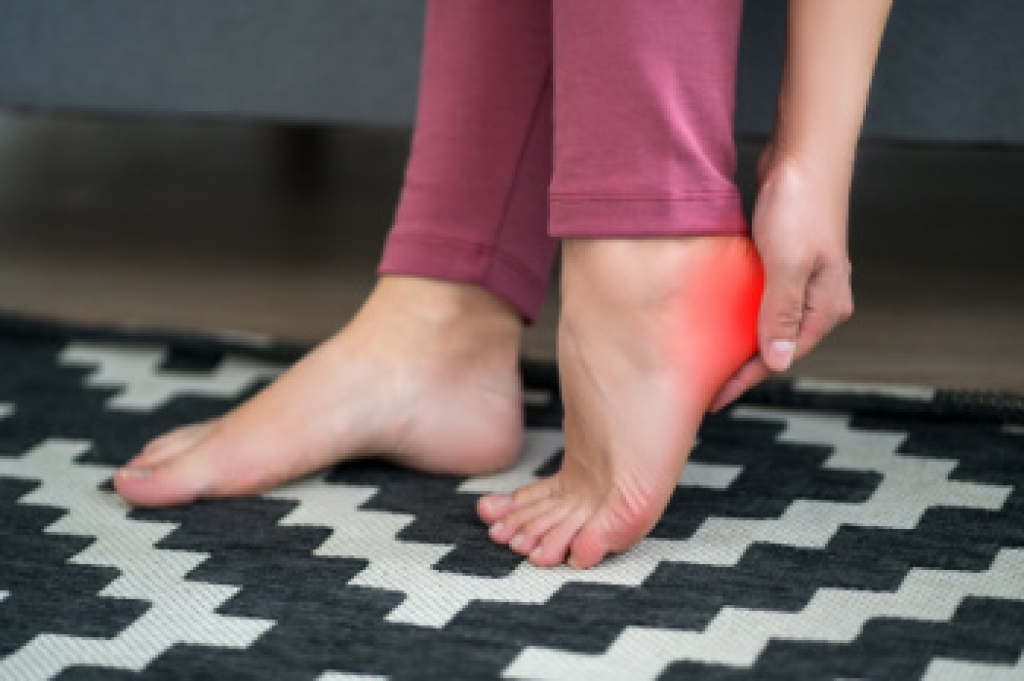
Heel spur pain is frequently linked to tightness in the plantar fascia and calf muscles. Gentle exercises can help reduce discomfort and improve flexibility. Stretching the calf by standing against a wall with one leg behind the other helps release tension in the Achilles tendon. Rolling the foot over a firm ball or frozen water bottle can massage the plantar fascia and reduce inflammation. Towel stretches, where you pull the toes toward you while keeping the knee straight, also target the affected tissue. Strengthening foot muscles through toe curls and picking up small objects with the toes may improve overall support. These exercises are most effective when done regularly and combined with wearing supportive footwear. If the pain continues or worsens, professional care may be needed. If you have heel pain that limits your daily comfort, it is suggested you see a podiatrist for a diagnosis and appropriate treatment.

Heel spurs can be incredibly painful and sometimes may make you unable to participate in physical activities. To get medical care for your heel spurs, contact one of our podiatrists from David A. Scalzo, DPM, PC and Associates. Our doctors will do everything possible to treat your condition.

Heels Spurs

Heel spurs are formed by calcium deposits on the back of the foot where the heel is. This can also be caused by small fragments of bone breaking off one section of the foot, attaching onto the back of the foot. Heel spurs can also be bone growth on the back of the foot and may grow in the direction of the arch of the foot.

Older individuals usually suffer from heel spurs and pain sometimes intensifies with age. One of the main condition's spurs are related to is plantar fasciitis.

Pain

The pain associated with spurs is often because of weight placed on the feet. When someone is walking, their entire weight is concentrated on the feet. Bone spurs then have the tendency to affect other bones and tissues around the foot. As the pain continues, the feet will become tender and sensitive over time.

Treatments

There are many ways to treat heel spurs. If one is suffering from heel spurs in conjunction with pain, there are several methods for healing. Medication, surgery, and herbal care are some options.

If you have any questions, please feel free to contact our office located in Duryea, PA . We offer the newest diagnostic and treatment technologies for all your foot care needs.

Read more about Heel Spurs

Understanding How Heel Pain Is Diagnosed

When adults experience heel pain, a podiatrist begins diagnosis by asking detailed questions about symptoms, daily activities, and any recent injuries. The exact location of the pain, whether under the heel, behind it, or on the sides, can help identify the cause. Common conditions include plantar fasciitis, Achilles tendinopathy, or heel spurs. During a physical exam, the podiatrist checks for tenderness, swelling, range of motion, and how the foot functions during movement. Gait analysis may reveal abnormal foot mechanics. Imaging tests such as X-rays or ultrasound are sometimes used to detect bone spurs, soft tissue damage, or stress fractures. In certain cases, lab tests may be ordered to rule out systemic conditions. Because heel pain can have many causes and may worsen without treatment, it is suggested that you see a podiatrist for an accurate diagnosis and an effective treatment plan.

Many people suffer from bouts of heel pain. For more information, contact one of our podiatrists of David A. Scalzo, DPM, PC and Associates. Our doctors can provide the care you need to keep you pain-free and on your feet.

Causes of Heel Pain

Heel pain is often associated with plantar fasciitis. The plantar fascia is a band of tissues that extends along the bottom of the foot. A rip or tear in this ligament can cause inflammation of the tissue.

Achilles tendonitis is another cause of heel pain. Inflammation of the Achilles tendon will cause pain from fractures and muscle tearing. Lack of flexibility is also another symptom.

Heel spurs are another cause of pain. When the tissues of the plantar fascia undergo a great deal of stress, it can lead to ligament separation from the heel bone, causing heel spurs.

Why Might Heel Pain Occur?

  • Wearing ill-fitting shoes                
  • Wearing non-supportive shoes
  • Weight change           
  • Excessive running

Treatments

Heel pain should be treated as soon as possible for immediate results. Keeping your feet in a stress-free environment will help. If you suffer from Achilles tendonitis or plantar fasciitis, applying ice will reduce the swelling. Stretching before an exercise like running will help the muscles. Using all these tips will help make heel pain a condition of the past.

If you have any questions, please feel free to contact our office located in Duryea, PA . We offer the newest diagnostic and treatment technologies for all your foot care needs.

Read more about Heel Pain

When Athlete’s Foot Does Not Go Away

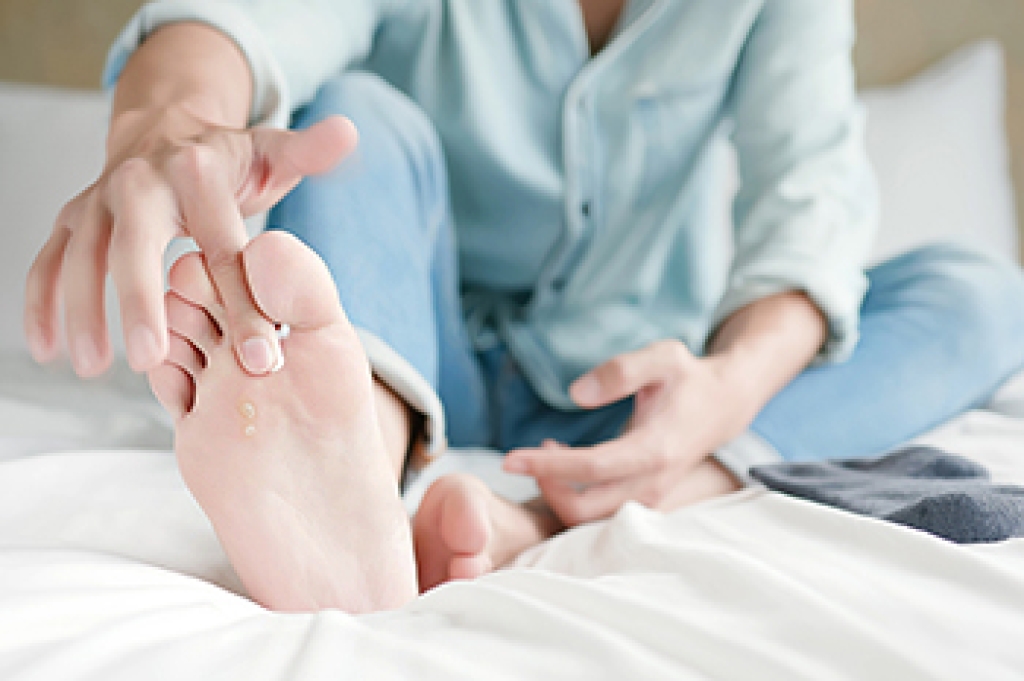
Athlete’s foot is a fungal infection that causes itching, redness, and peeling, usually between the toes or on the soles. Most cases respond well to mild antifungal creams, sprays, or powders. However, if symptoms continue for weeks or return often, the infection may be more serious or resistant to treatment. In some cases, what looks like athlete’s foot may be another condition, such as eczema or psoriasis, and needs a different approach. Poor foot hygiene, wearing tight shoes, and damp environments can also make healing harder. A podiatrist can confirm the diagnosis through a simple test and may prescribe stronger medications or check for other skin problems. Early attention can prevent the infection from spreading or becoming chronic. If you have athlete’s foot that does not improve, it is suggested that you see a podiatrist for a proper diagnosis and appropriate treatment.

Athlete’s foot is an inconvenient condition that can be easily reduced with the proper treatment. If you have any concerns about your feet and ankles, contact one of our podiatrists from David A. Scalzo, DPM, PC and Associates.  Our doctors will treat your foot and ankle needs.

Athlete’s Foot: The Sole Story

Athlete's foot, also known as tinea pedis, can be an extremely contagious foot infection. It is commonly contracted in public changing areas and bathrooms, dormitory style living quarters, around locker rooms and public swimming pools, or anywhere your feet often come into contact with other people.

Solutions to Combat Athlete’s Foot

  • Hydrate your feet by using lotion
  • Exfoliate
  • Buff off nails
  • Use of anti-fungal products
  • Examine your feet and visit your doctor if any suspicious blisters or cuts develop

Athlete’s foot can cause many irritating symptoms such as dry and flaking skin, itching, and redness. Some more severe symptoms can include bleeding and cracked skin, intense itching and burning, and even pain when walking. In the worst cases, Athlete’s foot can cause blistering as well. Speak to your podiatrist for a better understanding of the different causes of Athlete’s foot, as well as help in determining which treatment options are best for you.

If you have any questions please feel free to contact our office located in Duryea, PA . We offer the newest diagnostic and treatment technologies for all your foot and ankle needs.
Read more about Athlete's Foot

Connect With Us