The Impact of Neuropathy on Feet

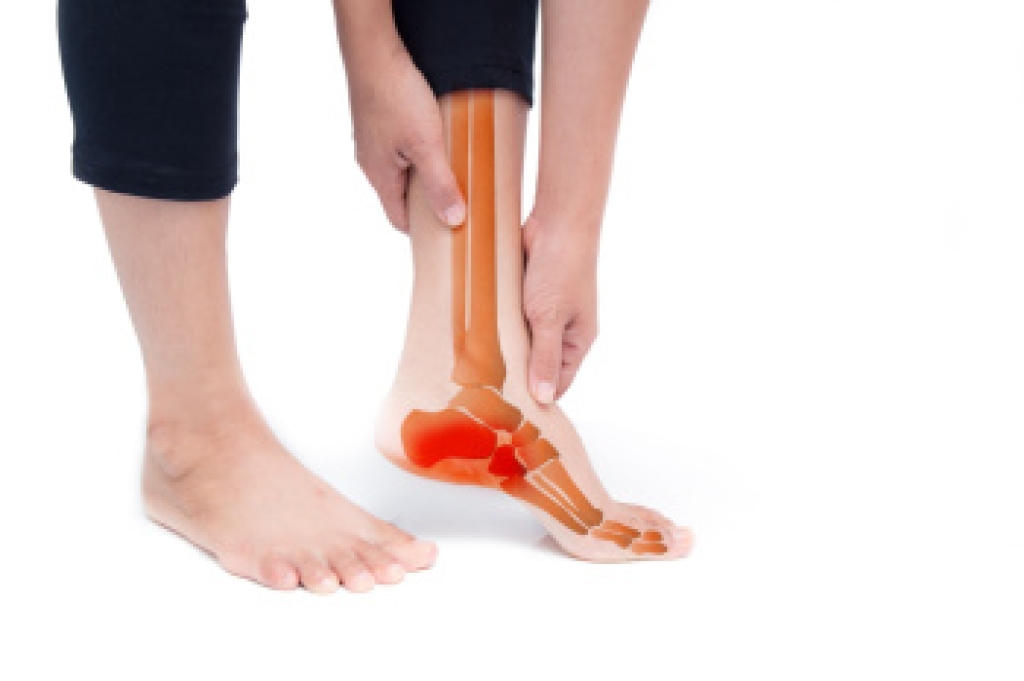
Peripheral neuropathy, is a condition where nerves outside the brain and spinal cord become damaged, commonly affecting the feet and ankles. This condition is often caused by diabetes, but factors such as infections, injuries, or vitamin deficiencies can also contribute. Neuropathy leads to a range of symptoms, including numbness, tingling, burning sensations, or sharp pain in the feet and ankles. As sensation diminishes, individuals may not notice minor injuries, such as cuts or blisters, which can lead to infections or ulcers, especially in diabetic patients. In more severe cases, muscle weakness and balance issues can develop, increasing the risk of falls and mobility problems. Proper management, including blood sugar control, wearing supportive shoes, and regular foot inspections, is important for preventing complications. If you have neuropathy in your feet, it is suggested that you visit a podiatrist who can provide a proper diagnosis and offer you strategies to protect your foot health.

Neuropathy

Neuropathy can be a potentially serious condition, especially if it is left undiagnosed. If you have any concerns that you may be experiencing nerve loss in your feet, consult with one of our podiatrists  from David A. Scalzo, DPM, PC and Associates. Our doctors will assess your condition and provide you with quality foot and ankle treatment for neuropathy.

What Is Neuropathy?

Neuropathy is a condition that leads to damage to the nerves in the body. Peripheral neuropathy, or neuropathy that affects your peripheral nervous system, usually occurs in the feet. Neuropathy can be triggered by a number of different causes. Such causes include diabetes, infections, cancers, disorders, and toxic substances.

Symptoms of Neuropathy Include:

  • Numbness
  • Sensation loss
  • Prickling and tingling sensations
  • Throbbing, freezing, burning pains
  • Muscle weakness

Those with diabetes are at serious risk due to being unable to feel an ulcer on their feet. Diabetics usually also suffer from poor blood circulation. This can lead to the wound not healing, infections occurring, and the limb may have to be amputated.

Treatment

To treat neuropathy in the foot, podiatrists will first diagnose the cause of the neuropathy. Figuring out the underlying cause of the neuropathy will allow the podiatrist to prescribe the best treatment, whether it be caused by diabetes, toxic substance exposure, infection, etc. If the nerve has not died, then it’s possible that sensation may be able to return to the foot.

Pain medication may be issued for pain. Electrical nerve stimulation can be used to stimulate nerves. If the neuropathy is caused from pressure on the nerves, then surgery may be necessary.

If you have any questions, please feel free to contact our office located in Duryea, PA . We offer the newest diagnostic and treatment technologies for all your foot care needs.


Read more about Neuropathy

Gout Pain Can Be Managed

Gout is a painful, inflammatory form of arthritis. Those affected will typically feel an intense stiffness in the joints of their feet, particularly in the big toe. Schedule a visit to learn about how gout can be managed and treated.

Causes of Toe Discomfort

Aching toes can result from various causes, including arthritis, bunions, hammertoes, nerve issues, or even ill-fitting shoes. Conditions like plantar fasciitis, overuse injuries from sports, or long periods of standing may also lead to toe pain. The discomfort can range from mild soreness to sharp, persistent pain, affecting mobility and daily activities. To manage aching toes, it is important to rest and wear comfortable, supportive shoes. A podiatrist can diagnose the underlying cause of toe pain through a thorough exam and imaging scans. They may recommend custom orthotics, targeted exercises, or in severe cases, surgery to address structural problems. Early treatment helps prevent further complications and restores foot function. If you have toe pain that persists or worsens, it is suggested that you visit a podiatrist for care.

Toe pain can disrupt your daily activities. If you have any concerns, contact one of our podiatrists of David A. Scalzo, DPM, PC and Associates. Our doctors can provide the care you need to keep you pain-free and on your feet.

What Causes Toe Pain?

Most severe toe pain is caused due to a sports injury, trauma from dropping something heavy on the toe, or bumping into something rigid. Other problems can develop over time for various reasons.

Toe pain can be caused by one or more ailments. The most common include:

  • Trauma
  • Sports injury
  • Wearing shoes that are too tight
  • Arthritis
  • Gout
  • Corns and calluses
  • Hammertoe
  • Bunions
  • Blisters
  • Ingrown toenails
  • Sprains
  • Fractures (broken bones)
  • Dislocations

When to See a Podiatrist

  • Severe pain
  • Persistent pain that lasts more than a week
  • Signs of infection
  • Continued swelling
  • Pain that prevents walking

Diagnosis

In many cases the cause of toe pain is obvious, but in others, a podiatrist may want to use more advanced methods to determine the problem. These can range from simple visual inspections and sensation tests to X-rays and MRI scans. Prior medical history, family medical history, and any recent physical traumatic events will all be taken into consideration for a proper diagnosis.

Treatment

Treatments for toe pain and injuries vary and may include shoe inserts, padding, taping, medicines, injections, and in some cases, surgery. If you believe that you have broken a toe, please see a podiatrist as soon as possible.

If you have any questions please contact our office located in Duryea, PA . We offer the newest diagnostic and treatment technologies for all your foot and ankle needs.

Read more about Toe Pain

Understanding Acute Ankle Sprains

An acute ankle sprain occurs when the ligaments that support the ankle are stretched or torn, often due to a sudden twist, turn, or impact. This injury is common among athletes, but can happen to anyone during everyday activities. Symptoms typically include immediate pain, swelling, bruising, and difficulty bearing weight on the affected foot. The impact of an ankle sprain can vary in severity, from mild stretching to complete tears, and recovery times can differ significantly. If left untreated, an ankle sprain can lead to chronic instability and recurring injuries, affecting overall mobility. To ensure proper healing and to regain strength, it is key to seek professional advice. If you suspect an acute ankle sprain, it is suggested you schedule an appointment with a podiatrist. They can provide a thorough evaluation, recommend an effective treatment plan, and guide you on rehabilitation to get you back on your feet safely.

Although ankle sprains are common, they aren’t always minor injuries. If you need your ankle injury looked at, contact one of our podiatrists from David A. Scalzo, DPM, PC and Associates. Our doctors can provide the care you need to keep you pain-free and on your feet.

How Does an Ankle Sprain Occur?

Ankle sprains are the result of a tear in the ligaments within the ankle. These injuries may happen when you make a rapid shifting movement while your foot is planted. A less common way to sprain your ankle is when your ankle rolls inward while your foot turns outward.

What Are the Symptoms?

  • Pain at the sight of the tear
  • Bruising/Swelling
  • Ankle area is tender to touch
  • In severe cases, may hear/feel something tear
  • Skin discoloration

Preventing a Sprain

  • Wearing appropriate shoes for the occasion
  • Stretching before exercises and sports
  • Knowing your limits

Treatment of a Sprain

In many cases, the RICE method (Rest, Ice, Compression, and Elevate) is used to treat ankle sprains. However, you should see a podiatrist to see which treatment option would work best with your injury. In severe cases, surgery may be required.

It is important to ask your doctor about rehab options after you receive treatment for your injury. Stretching, strength training, and balance exercises may help the ankle heal while also preventing further injury.

If you have any questions, please feel free to contact our office located in Duryea, PA . We offer the newest diagnostic and treatment technologies for all your foot care needs.

Read more about Ankle Sprains

Managing Foot Arch Pain

Foot arch pain can affect daily activities and reduce the overall quality of life. Symptoms typically include sharp or aching discomfort along the arch of the foot, especially after prolonged standing, walking, or engaging in physical activity. You might also experience swelling or tenderness, which can make finding comfortable footwear a challenge. Treatment options for foot arch pain often begin with stretching exercises for the calf muscles and plantar fascia which can improve flexibility and alleviate pain. Supportive footwear, along with custom orthotics, can provide arch support and cushioning. In more severe cases, a podiatrist may recommend specific treatments tailored to your condition. If you are experiencing persistent foot arch pain, it is important to schedule an appointment with a podiatrist. This type of doctor can evaluate your symptoms and recommend an effective treatment plan to help you get back on your feet comfortably.

Foot Pain

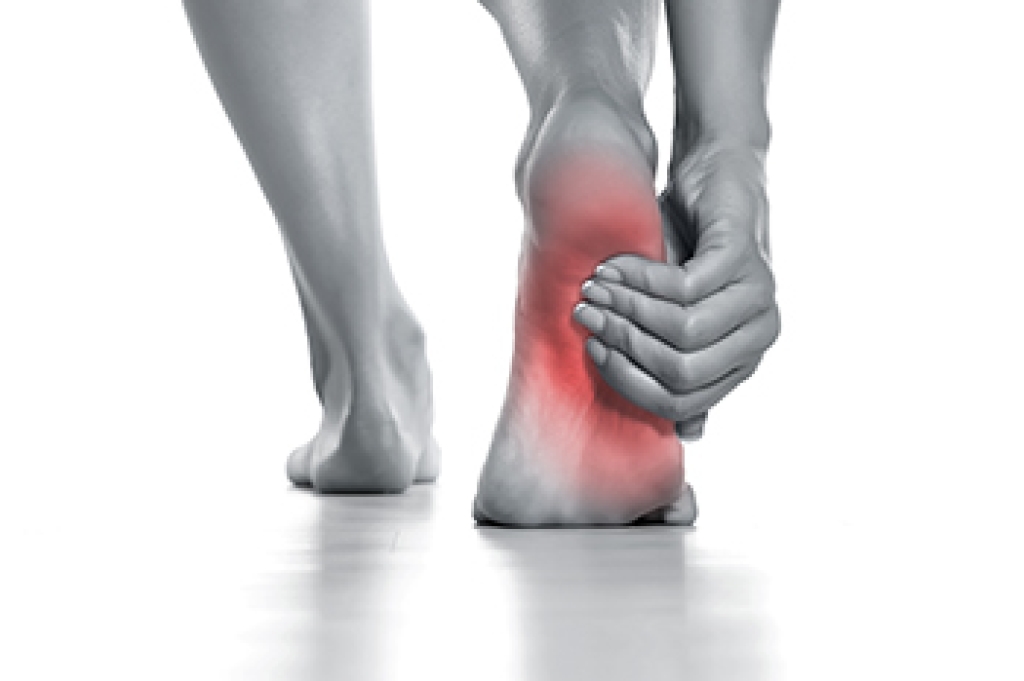
Foot pain can be extremely painful and debilitating. If you have a foot pain, consult with one of our podiatrists  from David A. Scalzo, DPM, PC and Associates. Our doctors will assess your condition and provide you with quality foot and ankle treatment.

Causes

Foot pain is a very broad condition that could be caused by one or more ailments. The most common include:

  • Bunions
  • Hammertoes
  • Plantar Fasciitis
  • Bone Spurs
  • Corns
  • Tarsal Tunnel Syndrome
  • Ingrown Toenails
  • Arthritis (such as Gout, Rheumatoid, and Osteoarthritis)
  • Flat Feet
  • Injury (from stress fractures, broken toe, foot, ankle, Achilles tendon ruptures, and sprains)
  • And more

Diagnosis

To figure out the cause of foot pain, podiatrists utilize several different methods. This can range from simple visual inspections and sensation tests to X-rays and MRI scans. Prior medical history, family medical history, and any recent physical traumatic events will all be taken into consideration for a proper diagnosis.

Treatment

Treatment depends upon the cause of the foot pain. Whether it is resting, staying off the foot, or having surgery; podiatrists have a number of treatment options available for foot pain.

If you have any questions, please feel free to contact our office located in Duryea, PA . We offer the newest diagnostic and treatment technologies for all your foot care needs.
Read more about Foot Pain

How to Diagnosis a Foot Stress Fracture

A foot stress fracture occurs due to repetitive stress or overuse, often from activities like running or jumping. This type of fracture develops when the foot’s bones are subjected to excessive force, leading to tiny cracks that gradually worsen. Common symptoms include localized pain that intensifies with activity, swelling, and tenderness at the site of the fracture. The affected area might also become bruised or stiff. Diagnosing a foot stress fracture involves a thorough physical examination and imaging tests such as X-rays or MRI scans which can reveal the extent of the injury and rule out other conditions. If you have endured a foot stress fracture, it is suggested that you confer with a podiatrist  who can accurately diagnose and treat foot stress fractures.

Activities where too much pressure is put on the feet can cause stress fractures. To learn more, contact one of our podiatrists from David A. Scalzo, DPM, PC and Associates. Our doctors can provide the care you need to keep your pain free and on your feet.

Dealing with Stress Fractures of the Foot and Ankle

Stress fractures occur in the foot and ankle when muscles in these areas weaken from too much or too little use.  The feet and ankles then lose support when walking or running from the impact of the ground. Since there is no protection, the bones receive the full impact of each step. Stress on the feet can cause cracks to form in the bones, thus creating stress fractures.

What Are Stress Fractures?

Stress fractures occur frequently in individuals whose daily activities cause great impact on the feet and ankles. Stress factors are most common among:

  • Runners                                
  • People affected with Osteoporosis
  • Tennis or basketball players
  • Gymnasts
  • High impact workouts

Symptoms

Pain from the fractures occur in the area of the fractures and can be constant or intermittent. It will often cause sharp or dull pain with swelling and tenderness. Engaging in any kind of activity which involves high impact will aggravate pain.

If you have any questions please contact our office located in Duryea, PA . We offer the newest diagnostic and treatment technologies for all your foot and ankle needs.

Read more about Dealing with Stress Fractures of the Foot and Ankle

How to Manage Bunions

A bunion is a bony bump that forms at the base of the big toe, where it meets the long bone of the foot. Bunions develop when the big toe pushes towards the second toe, causing the joint at the base of the big toe to protrude. This misalignment is often made worse by wearing tight or ill-fitting shoes, particularly those with high heels or a narrow toe box. Symptoms of bunions include pain, swelling, and redness surrounding the affected joint, and difficulty finding comfortable footwear. Over time, the misalignment can worsen, making daily activities uncomfortable. Treatment for bunions focuses on alleviating pain and preventing further progression. A podiatrist can discuss options that may include wearing wider, more supportive shoes, using orthotic devices to correct foot alignment, and performing exercises to improve joint mobility. In persistent cases, surgery may be considered. If you have developed a bunion, it is suggested you schedule an appointment with a podiatrist for a treatment plan.

If you are suffering from bunions, contact one of our podiatrists of David A. Scalzo, DPM, PC and Associates. Our doctors can provide the care you need to keep you pain-free and on your feet.

What Is a Bunion?

A bunion is formed of swollen tissue or an enlargement of boney growth, usually located at the base joint of the toe that connects to the foot. The swelling occurs due to the bones in the big toe shifting inward, which impacts the other toes of the foot. This causes the area around the base of the big toe to become inflamed and painful.

Why Do Bunions Form?

Genetics – Susceptibility to bunions are often hereditary

Stress on the feet – Poorly fitted and uncomfortable footwear that places stress on feet, such as heels, can worsen existing bunions

How Are Bunions Diagnosed?

Podiatrists often perform two tests – blood tests and x-rays – when trying to diagnose bunions, especially in the early stages of development. Blood tests help determine if the foot pain is being caused by something else, such as arthritis, while x-rays provide a clear picture of your bone structure to your provider.

How Are Bunions Treated?

  • Refrain from wearing heels or similar shoes that cause discomfort
  • Select wider shoes that can provide more comfort and reduce pain
  • Anti-inflammatory and pain management drugs
  • Orthotics or foot inserts
  • Surgery

If you have any questions, please feel free to contact our office located in Duryea, PA . We offer the newest diagnostic and treatment technologies for all your foot care needs.

Read more about Bunions

Are Bunions Affecting Your Everyday Life?

Have you noticed a bony protrusion on the side of your big toe? If so, you may have developed the foot condition known as a bunion. Don't let bunions interfere with your daily activities.

Diagnosing Gout

Gout is a form of arthritis characterized by sudden, severe pain in the joints often beginning in the big toe. An excess of uric acid in the blood leads to the formation of sharp crystals in the joints. Symptoms include intense pain, swelling, redness, and warmth in the affected area, which can occur suddenly, often at night. The joint may also feel tender and stiff. A podiatrist will typically review your medical history and perform a physical examination to diagnose gout. Diagnosis is confirmed through tests like joint fluid analysis, where a sample of fluid from the affected joint is examined for uric acid crystals or blood tests to measure uric acid levels. If you have pain in your big toe, it is suggested that you visit a podiatrist who can diagnose and treat gout. 

Gout is a foot condition that requires certain treatment and care. If you are seeking treatment, contact one of our podiatrists from David A. Scalzo, DPM, PC and Associates. Our doctors will treat your foot and ankle needs.

What Is Gout?

Gout is a type of arthritis caused by a buildup of uric acid in the bloodstream. It often develops in the foot, especially the big toe area, although it can manifest in other parts of the body as well. Gout can make walking and standing very painful and is especially common in diabetics and the obese.

People typically get gout because of a poor diet. Genetic predisposition is also a factor. The children of parents who have had gout frequently have a chance of developing it themselves.

Gout can easily be identified by redness and inflammation of the big toe and the surrounding areas of the foot. Other symptoms include extreme fatigue, joint pain, and running high fevers. Sometimes corticosteroid drugs can be prescribed to treat gout, but the best way to combat this disease is to get more exercise and eat a better diet.

If you have any questions, please feel free to contact our office located in Duryea, PA . We offer the newest diagnostic and treatment technologies for all your foot care needs.

Read more about Everything You Need to Know About Gout

What Is Posterior Tibial Tendonitis?

Posterior tibial tendonitis is an inflammation of the posterior tibial tendon, which supports the arch of the foot and aids in walking. This condition often results from overuse or repetitive strain, commonly seen in athletes or those with flat feet. Symptoms include pain and swelling along the inner ankle, difficulty standing on tiptoe, and a collapsing arch, leading to a flat-footed appearance. If untreated, it can progress to more severe foot deformities and chronic pain. Diagnosis typically involves a physical examination, assessing symptoms and foot mechanics, and may include imaging tests like MRI scans or ultrasounds to evaluate tendon damage. Treatment usually focuses on rest, medications, and orthotics to support the arch. In severe cases, surgery may be considered. If you are suffering pain along your inner ankle, it is suggested that you schedule an appointment with a podiatrist for a diagnosis and treatment.

Ankle pain can have many different causes and the pain may potentially be serious. If you have ankle pain, consult with one of our podiatrists  from David A. Scalzo, DPM, PC and Associates. Our doctors will assess your condition and provide you with quality foot and ankle treatment.

Ankle pain is any condition that causes pain in the ankle. Due to the fact that the ankle consists of tendons, muscles, bones, and ligaments, ankle pain can come from a number of different conditions.

Causes

The most common causes of ankle pain include:

  • Types of arthritis (rheumatoid, osteoarthritis, and gout)
  • Ankle sprains
  • Broken ankles
  • Achilles tendinitis
  • Achilles tendon rupture
  • Stress fractures
  • Tarsal tunnel syndrome
  • Plantar fasciitis

Symptoms

Symptoms of ankle injury vary based upon the condition. Pain may include general pain and discomfort, swelling, aching, redness, bruising, burning or stabbing sensations, and/or loss of sensation.

Diagnosis

Due to the wide variety of potential causes of ankle pain, podiatrists will utilize a number of different methods to properly diagnose ankle pain. This can include asking for personal and family medical histories and of any recent injuries. Further diagnosis may include sensation tests, a physical examination, and potentially x-rays or other imaging tests.

Treatment

Just as the range of causes varies widely, so do treatments. Some more common treatments are rest, ice packs, keeping pressure off the foot, orthotics and braces, medication for inflammation and pain, and surgery.

If you have any questions please feel free to contact our office located in Duryea, PA . We offer the newest diagnostic tools and technology to treat your foot and ankle needs.

Read more about Ankle Pain

Connect With Us