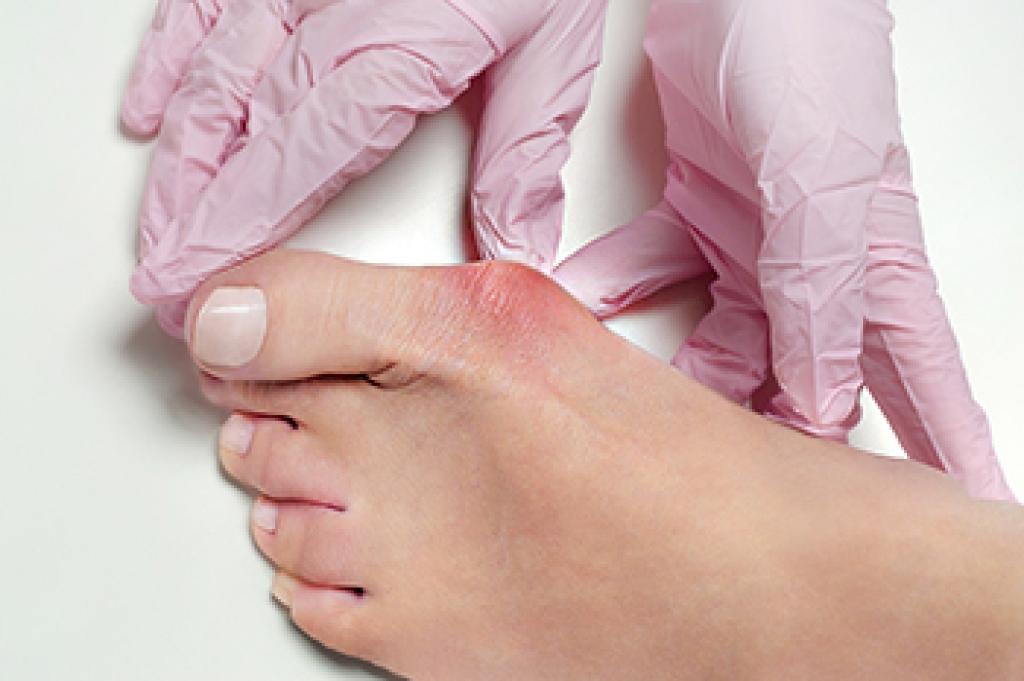
Who Is Prone to Developing Bunions?

A bunion is a deformity that can alter the shape of the foot. Bunions are visible due to the bony lump that develops on the side of the big toe. If the bunion grows large enough, it can cause the other toes to shift toward each other, and wider shoes may have to be purchased. A bunion can develop from genetic reasons or from wearing shoes that have little room in the toe area. High heels can fall into this category and that may be a reason why women incur this condition more than men. One of the first symptoms that many patients notice is inflammation surrounding the joint of the big toe. The bunion may gradually turn red and the texture can change. Untreated bunions can affect an individual’s balance and walking and running can be compromised. Temporary relief may come from putting a protective pad over the bunion as this may help to prevent calluses from forming. If you have a bunion, it is suggested that you confer with a podiatrist who can determine what the best treatment is for you.

If you are suffering from bunions, contact one of our podiatrists of David A. Scalzo, DPM, PC and Associates. Our doctors can provide the care you need to keep you pain-free and on your feet.

What Is a Bunion?

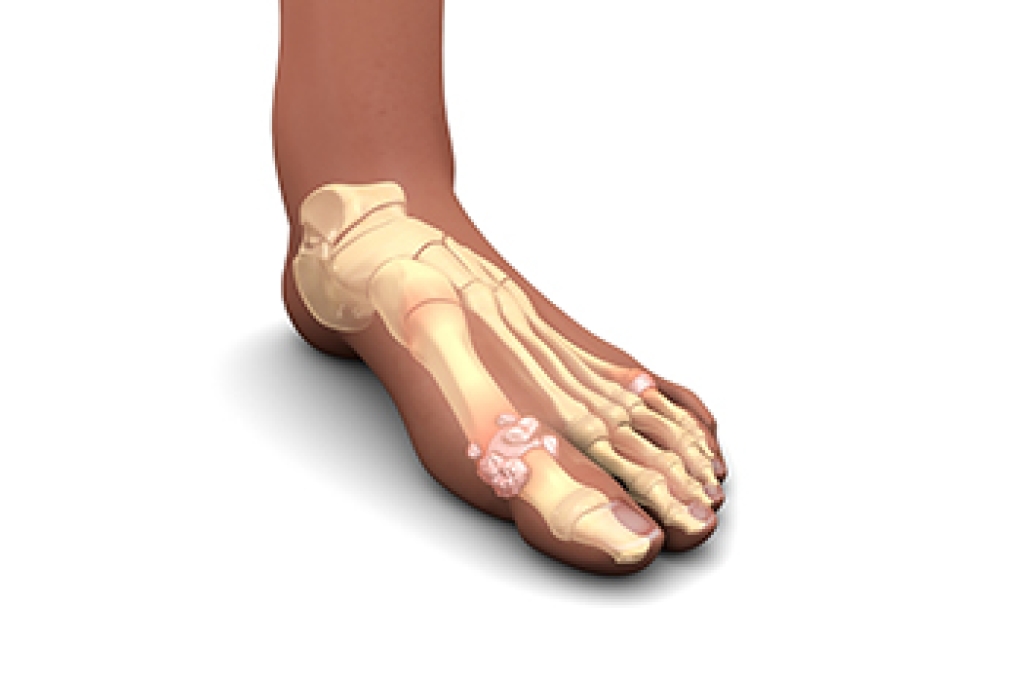
A bunion is formed of swollen tissue or an enlargement of boney growth, usually located at the base joint of the toe that connects to the foot. The swelling occurs due to the bones in the big toe shifting inward, which impacts the other toes of the foot. This causes the area around the base of the big toe to become inflamed and painful.

Why Do Bunions Form?

Genetics – Susceptibility to bunions are often hereditary

Stress on the feet – Poorly fitted and uncomfortable footwear that places stress on feet, such as heels, can worsen existing bunions

How Are Bunions Diagnosed?

Podiatrists often perform two tests – blood tests and x-rays – when trying to diagnose bunions, especially in the early stages of development. Blood tests help determine if the foot pain is being caused by something else, such as arthritis, while x-rays provide a clear picture of your bone structure to your provider.

How Are Bunions Treated?

  • Refrain from wearing heels or similar shoes that cause discomfort
  • Select wider shoes that can provide more comfort and reduce pain
  • Anti-inflammatory and pain management drugs
  • Orthotics or foot inserts
  • Surgery

If you have any questions, please feel free to contact our office located in Duryea, PA . We offer the newest diagnostic and treatment technologies for all your foot care needs.
Read more about What Are Bunions?

Preventing Falls by the Pool for Seniors

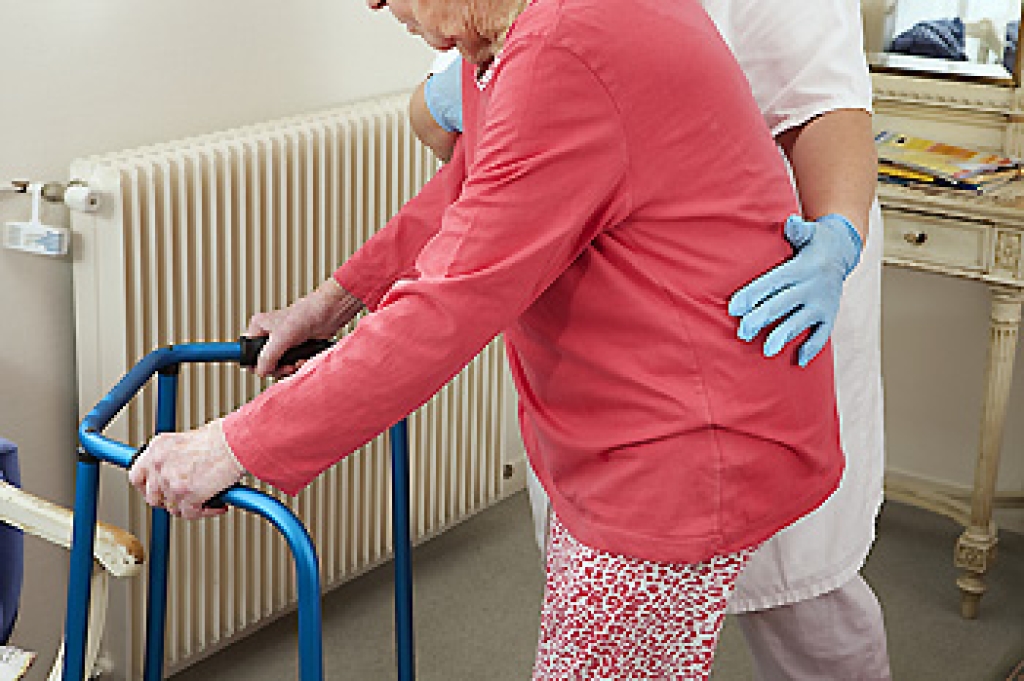
Senior citizens are particularly vulnerable to fractured feet and other foot conditions that can result from suffering a fall. Therefore, a senior may consider taking certain steps to minimize the likelihood of enduring a fall. One place where a senior may be at an increased risk of tripping is by the poolside. To decrease the risk of suffering a fall by the pool, a senior could ensure that pool equipment is kept organized and tidy. Additionally, it may be helpful to install a slip-resistant deck or handrails to increase stability in the feet when walking. To prevent falls by the pool, a person may also try increasing strength and mobility in their feet. If you are a senior or are caring for one, it is suggested that you schedule an appointment with a podiatrist today for more information.

Preventing falls among the elderly is very important. If you are older and have fallen or fear that you are prone to falling, consult with one of our podiatrists from David A. Scalzo, DPM, PC and Associates. Our doctors will assess your condition and provide you with quality advice and care.

Every 11 seconds, an elderly American is being treated in an emergency room for a fall related injury. Falls are the leading cause of head and hip injuries for those 65 and older. Due to decreases in strength, balance, senses, and lack of awareness, elderly persons are very susceptible to falling. Thankfully, there are a number of things older persons can do to prevent falls.

How to Prevent Falls

Some effective methods that older persons can do to prevent falls include:

  • Enrolling in strength and balance exercise program to increase balance and strength
  • Periodically having your sight and hearing checked
  • Discuss any medications you have with a doctor to see if it increases the risk of falling
  • Clearing the house of falling hazards and installing devices like grab bars and railings
  • Utilizing a walker or cane
  • Wearing shoes that provide good support and cushioning
  • Talking to family members about falling and increasing awareness

Falling can be a traumatic and embarrassing experience for elderly persons; this can make them less willing to leave the house, and less willing to talk to someone about their fears of falling. Doing such things, however, will increase the likelihood of tripping or losing one’s balance. Knowing the causes of falling and how to prevent them is the best way to mitigate the risk of serious injury.  

If you have any questions, please feel free to contact our office located in Duryea, PA . We offer the newest diagnostic and treatment technologies for all your foot care needs.

Read more about Falls Prevention

Plant-Based Foods and Gout

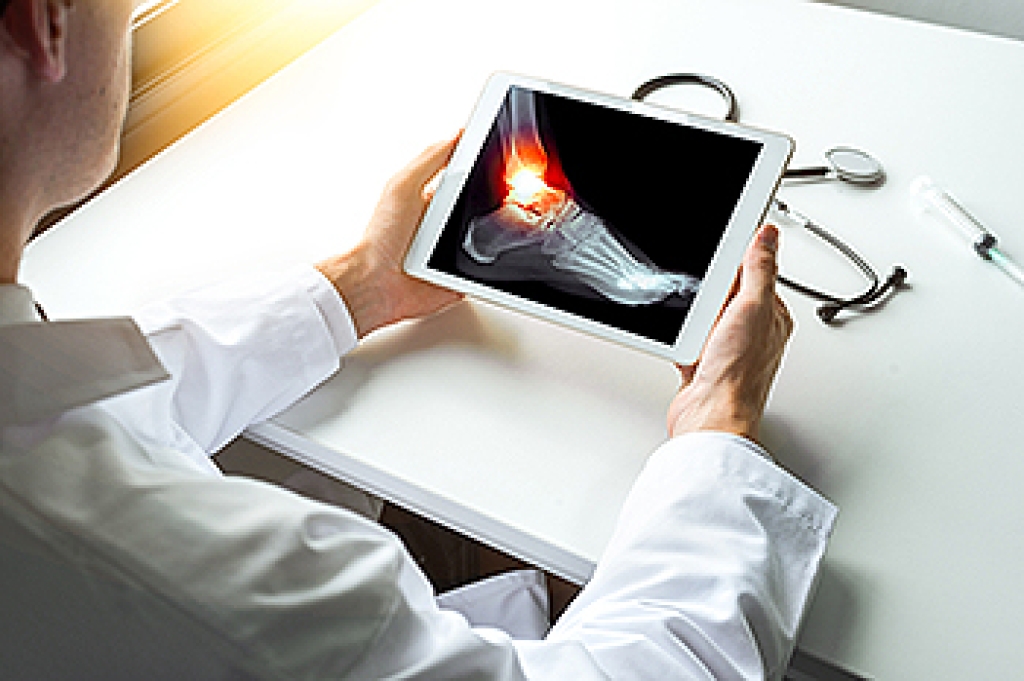
Gout is a particular kind of foot affliction that is essentially a form of inflammatory arthritis. In particular, gout is often characterized by pain in the joints of the feet. There are specific types of foods that are either good or bad for increasing the risk of gout. Importantly, plant-based foods can decrease the risk of triggering a gout attack. The reason for this is that plant-based foods are especially low in purines. There are many different types of plant-based foods. The list includes beans, seeds, nuts, vegetables, and whole grains. If you are someone that has gout attacks, it is suggested that you schedule an appointment with a podiatrist who can help you to find relief and manage this painful condition.

Gout is a foot condition that requires certain treatment and care. If you are seeking treatment, contact one of our podiatrists from David A. Scalzo, DPM, PC and Associates. Our doctors will treat your foot and ankle needs.

What Is Gout?

Gout is a type of arthritis caused by a buildup of uric acid in the bloodstream. It often develops in the foot, especially the big toe area, although it can manifest in other parts of the body as well. Gout can make walking and standing very painful and is especially common in diabetics and the obese.

People typically get gout because of a poor diet. Genetic predisposition is also a factor. The children of parents who have had gout frequently have a chance of developing it themselves.

Gout can easily be identified by redness and inflammation of the big toe and the surrounding areas of the foot. Other symptoms include extreme fatigue, joint pain, and running high fevers. Sometimes corticosteroid drugs can be prescribed to treat gout, but the best way to combat this disease is to get more exercise and eat a better diet.

If you have any questions, please feel free to contact our office located in Duryea, PA . We offer the newest diagnostic and treatment technologies for all your foot care needs.
Read more about Everything You Need to Know About Gout

Plantar Warts Can Be Treated!

Plantar warts are small growths that develop on parts of the feet that bear weight. They're typically found on the bottom of the foot. Don't live with plantar warts, and call us today!

Approximate Recovery Time for a Broken Foot

A broken foot is a common injury and may take up to several weeks for a full recovery. There are various degrees of a broken foot, which can range from a hairline fracture to a bone that is completely severed. It can occur as a result of falling, and a popping sound may be heard if the fracture is severe. Additionally, symptoms can include swelling and bruising at the time of the injury, a reduced range of motion, and it may be difficult, if not impossible to walk. A diagnosis is generally performed which can be done by having an X-ray taken. This is followed by beginning the right treatment, which can consist of wearing a walking boot or cast for several weeks. These methods are successful in keeping the affected foot stabilized as the healing process takes place. If you feel you have broken your foot, it is suggested that you contact a podiatrist as quickly as possible who can offer you relief and healing options.

A broken foot requires immediate medical attention and treatment. If you need your feet checked, contact one of our podiatrists from David A. Scalzo, DPM, PC and Associates. Our doctors can provide the care you need to keep you pain-free and on your feet.

Broken Foot Causes, Symptoms, and Treatment

A broken foot is caused by one of the bones in the foot typically breaking when bended, crushed, or stretched beyond its natural capabilities. Usually the location of the fracture indicates how the break occurred, whether it was through an object, fall, or any other type of injury. 

Common Symptoms of Broken Feet:

  • Bruising
  • Pain
  • Redness
  • Swelling
  • Blue in color
  • Numbness
  • Cold
  • Misshapen
  • Cuts
  • Deformities

Those that suspect they have a broken foot shoot seek urgent medical attention where a medical professional could diagnose the severity.

Treatment for broken bones varies depending on the cause, severity and location. Some will require the use of splints, casts or crutches while others could even involve surgery to repair the broken bones. Personal care includes the use of ice and keeping the foot stabilized and elevated.

If you have any questions, please feel free to contact our office located in Duryea, PA . We offer the newest diagnostic and treatment technologies for all your foot care needs.

Read more about Causes, Symptoms, and Treatment for a Broken Foot

Connect With Us