
Tips for Choosing Sneakers That Fit Right

Selecting the right size of sneakers is essential for comfort and performance. Start by measuring both feet, as they may vary in size, and always choose the size that fits the larger foot. When trying on sneakers, wear the same type of socks you plan to use with them. Ensure there is a thumb's width of space between the end of your longest toe and the shoe's tip to accommodate natural foot movement. Walk or run in the sneakers to check for any pressure points or discomfort. Pay attention to the arch support and ensure it matches your foot's arch type. Consider the shoe's flexibility and cushioning, especially if you plan to use them for specific activities, like running or walking. A proper fit helps prevent injuries and enhances overall comfort. If you have foot pain from wearing shoes that do not fit correctly, it is suggested that you confer with a podiatrist who can manage your foot discomfort and guide you toward finding the right shoe size.

Getting the right shoe size is an important part of proper foot health. Seek the assistance of one of our podiatrists from David A. Scalzo, DPM, PC and Associates. Our doctors will provide the care you need to keep you pain-free and on your feet.

Getting the Right Shoe Size

There are many people who wear shoes that are the incorrect size, negatively affecting their feet and posture. Selecting the right shoes is not a difficult process, so long as you keep several things in mind when it comes to choosing the right pair.

  • When visiting the shoe store, use the tools available to measure your foot.
  • Be sure there is ‘wiggle room’. There should be about an inch between your toes and the tip of your shoes.
  • Do not always assume you are the same size, as manufacturers run differently.
  • Purchase shoes later in the day, as your feet swell as the day progresses.
  • If a shoe is not comfortable, it is not suitable. Most shoes can’t be ‘broken in’, and comfort should be the ultimate goal when it comes to choosing the right pair of shoes

As our feet hold our body weight and keep us moving, it is important to treat them right. Picking the right pair of shoes can provide your feet comfort and mobility without pain.

If you have any questions, please feel free to contact our offices located in Duryea and Bangor, PA . We offer the newest diagnostic and treatment technologies for all your foot care needs.
Read more about Getting the Right Shoe Size

Symptoms and Treatment of Hammertoe

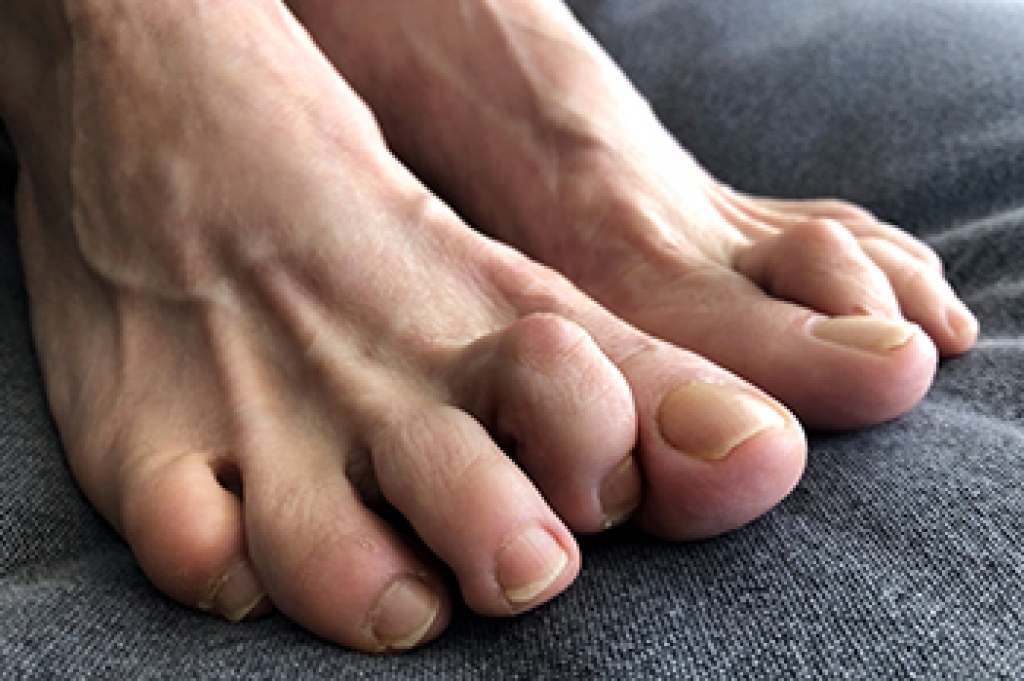
Hammertoe is a deformity where one of the smaller toes becomes bent at the middle joint, causing the toe to arch upward instead of lying flat. This misalignment often affects the second, third, or fourth toe and can lead to discomfort, especially when wearing shoes with a narrow or low toe box. Common symptoms of hammertoe can include corns, open sores, and pain in the ball of the foot. Various factors can contribute to a hammertoe, including having an unusually long toe, muscle weakness, or rheumatoid arthritis. Injuries, pressure from bunions, and wearing improperly fitting shoes can also result in hammertoe formation. A podiatrist can diagnose hammertoe through a physical examination of the foot and recommend treatment options such as wearing wider shoes, using toe pads, or performing specific foot exercises. In more severe cases, surgery may be required to correct the deformity. If you have a painful hammertoe, it is suggested that you schedule an appointment with a podiatrist for an exam and treatment.

Hammertoe

Hammertoes can be a painful condition to live with. For more information, contact one of our podiatrists from David A. Scalzo, DPM, PC and Associates. Our doctors will answer any of your foot- and ankle-related questions.

Hammertoe is a foot deformity that affects the joints of the second, third, fourth, or fifth toes of your feet. It is a painful foot condition in which these toes curl and arch up, which can often lead to pain when wearing footwear.

Symptoms

  • Pain in the affected toes
  • Development of corns or calluses due to friction
  • Inflammation
  • Redness
  • Contracture of the toes

Causes

Genetics – People who are genetically predisposed to hammertoe are often more susceptible

Arthritis – Because arthritis affects the joints in your toes, further deformities stemming from arthritis can occur

Trauma – Direct trauma to the toes could potentially lead to hammertoe

Ill-fitting shoes – Undue pressure on the front of the toes from ill-fitting shoes can potentially lead to the development of hammertoe

Treatment

Orthotics – Custom made inserts can be used to help relieve pressure placed on the toes and therefore relieve some of the pain associated with it

Medications – Oral medications such as anti-inflammatories or NSAIDs could be used to treat the pain and inflammation hammertoes causes. Injections of corticosteroids are also sometimes used

Surgery – In more severe cases where the hammertoes have become more rigid, foot surgery is a potential option

If you have any questions, please feel free to contact our offices located in Duryea and Bangor, PA . We offer the newest diagnostic and treatment technologies for all your foot care needs.
Read more about Hammertoe

Do You Suffer From Painful Feet?

Painful deformities, such as hammertoes, can be treated. Stop living with foot pain, and have beautiful feet again!

Understanding Cuboid Syndrome and the Cuboid Whip Technique

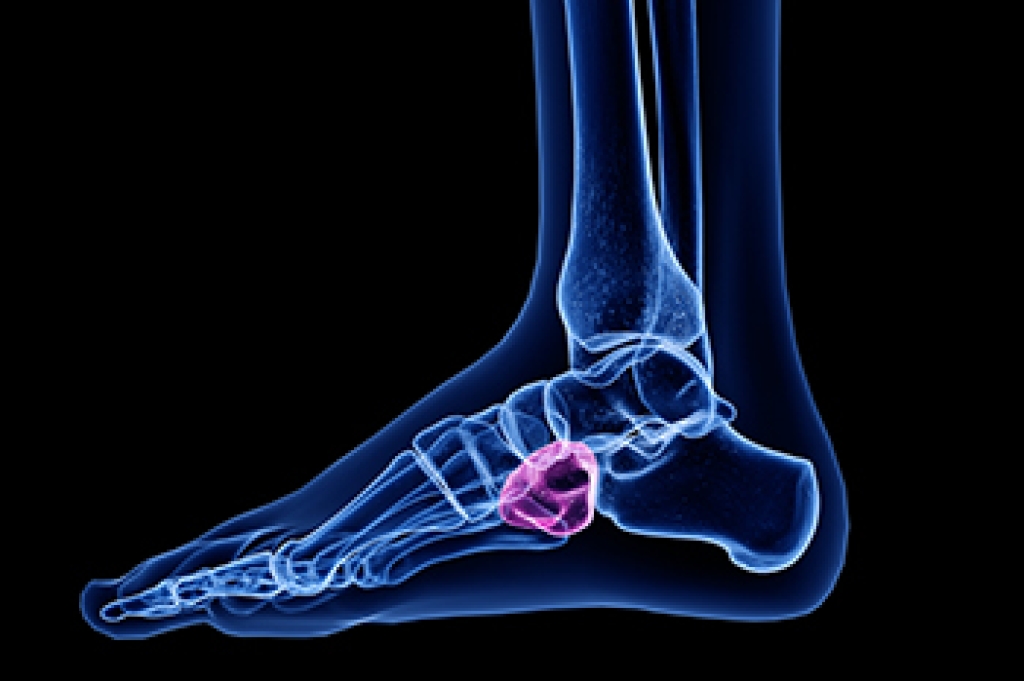
Cuboid syndrome is a condition where the cuboid bone, located on the outer side of the foot, becomes misaligned, causing pain and difficulty in movement. This syndrome often results from repetitive stress or trauma, leading to discomfort and instability in the foot. The cuboid whip is a manual therapy technique used to address this issue. During the procedure, a podiatrist applies a specific, quick, and controlled thrust to the cuboid bone, aiming to realign it and restore proper foot function. This adjustment can help to alleviate pain, improve mobility, and address any associated discomfort. If you have pain in this part of your foot, it is suggested that you contact a podiatrist who can accurately diagnose if it is cuboid syndrome, and treat it accordingly.

Cuboid syndrome, also known as cuboid subluxation, occurs when the joints and ligaments near the cuboid bone in the foot become torn. If you have cuboid syndrome, consult with one of our podiatrists  from David A. Scalzo, DPM, PC and Associates. Our doctors will assess your condition and provide you with quality foot and ankle treatment.

Cuboid syndrome is a common cause of lateral foot pain, which is pain on the outside of the foot. The condition may happen suddenly due to an ankle sprain, or it may develop slowly overtime from repetitive tension through the bone and surrounding structures.

Causes

The most common causes of cuboid syndrome include:

  • Injury – The most common cause of this ailment is an ankle sprain.
  • Repetitive Strain – Tension placed through the peroneus longus muscle from repetitive activities such as jumping and running may cause excessive traction on the bone causing it to sublux.
  • Altered Foot Biomechanics – Most people suffering from cuboid subluxation have flat feet.

Symptoms

A common symptom of cuboid syndrome is pain along the outside of the foot which can be felt in the ankle and toes. This pain may create walking difficulties and may cause those with the condition to walk with a limp.

Diagnosis

Diagnosis of cuboid syndrome is often difficult, and it is often misdiagnosed. X-rays, MRIs and CT scans often fail to properly show the cuboid subluxation. Although there isn’t a specific test used to diagnose cuboid syndrome, your podiatrist will usually check if pain is felt while pressing firmly on the cuboid bone of your foot.

Treatment

Just as the range of causes varies widely, so do treatments. Some more common treatments are ice therapy, rest, exercise, taping, and orthotics.

If you have any questions, please feel free to contact our offices located in Duryea and Bangor, PA . We offer the newest diagnostic and treatment technologies for all your foot care needs.
Read more about Cuboid Syndrome

Recognizing Early Signs of Foot Arthritis

Foot arthritis often presents with early signs that can be essential for timely management. Pain is a common initial symptom, usually felt in the joints of the feet, and may worsen with activity or after periods of rest. Swelling surrounding the affected areas is another indicator of arthritis, causing discomfort and sometimes making the foot appear puffy. Stiffness, particularly in the morning or after periods of inactivity, can limit the range of motion and make walking challenging. These symptoms, while sometimes subtle, are important to recognize early. If experienced, it is suggested that you consult a podiatrist for an accurate diagnosis and appropriate treatment. 

Arthritis can be a difficult condition to live with. If you are seeking treatment, contact one of our podiatrists from David A. Scalzo, DPM, PC and Associates. Our doctors can provide the care you need to keep you pain-free and on your feet.

Arthritic Foot Care  

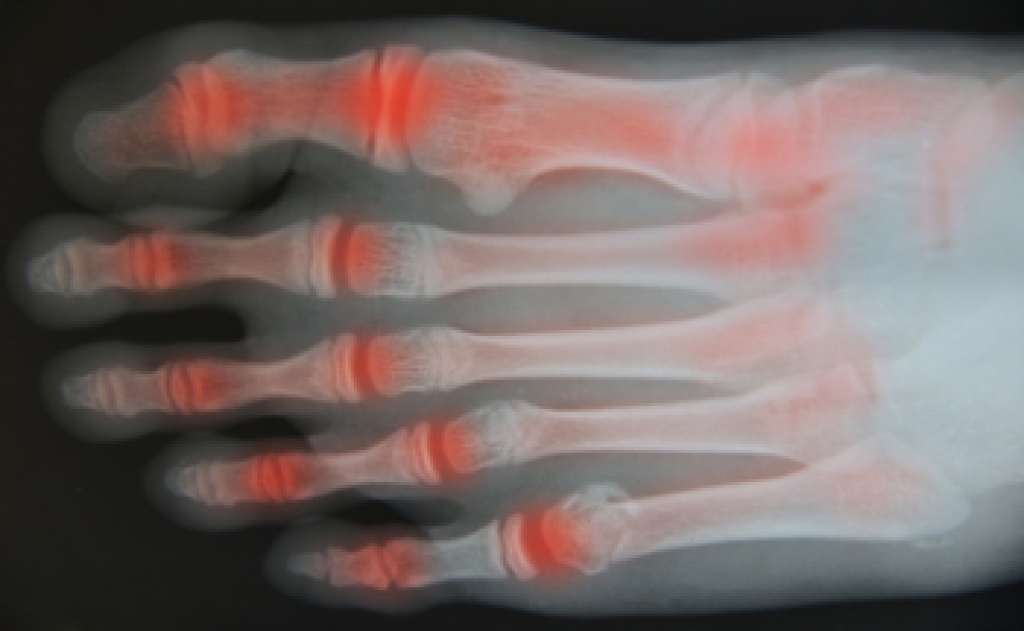
Arthritis is a joint disorder that involves the inflammation of different joints in your body, such as those in your feet. Arthritis is often caused by a degenerative joint disease and causes mild to severe pain in all affected areas. In addition to this, swelling and stiffness in the affected joints can also be a common symptom of arthritis.

In many cases, wearing ill-fitting shoes can worsen the effects and pain of arthritis. Wearing shoes that have a lower heel and extra room can help your feet feel more comfortable. In cases of rheumatoid arthritis, the arch in your foot may become problematic. Buying shoes with proper arch support that contour to your feet can help immensely.

Alleviating Arthritic Pain

  • Exercises that stretch the foot can prevent further pain and injury and increase mobility
  • Most of the pain can be alleviated with anti-inflammatory drugs, heat, and topical medications
  • Massages can help temporarily alleviate pain.

It is best to see your doctor for the treatment that is right for your needs and symptoms. Conditions vary, and a podiatrist can help you determine the right method of care for your feet.

If you have any questions please feel free to contact our offices located in Duryea and Bangor, PA . We offer the newest diagnostic tools and technology to treat your foot and ankle needs.

Read more about Arthritic Foot Care

Connect With Us